Our memories of Spain 2026:
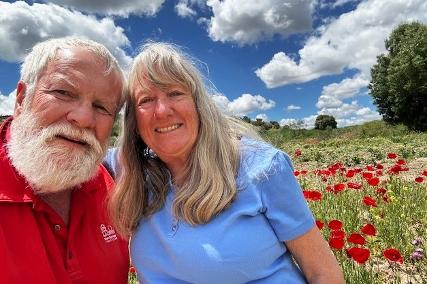
Yet another great trip to Spain, our 7th since 2017, and that's with Covid. We have a number of wonderful memories, including:
- how unusually cool it was the first week and how unusually hot the last week
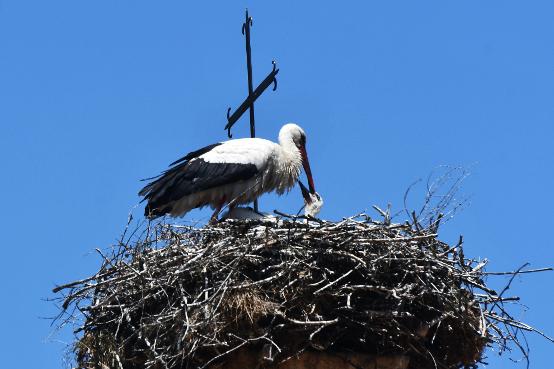
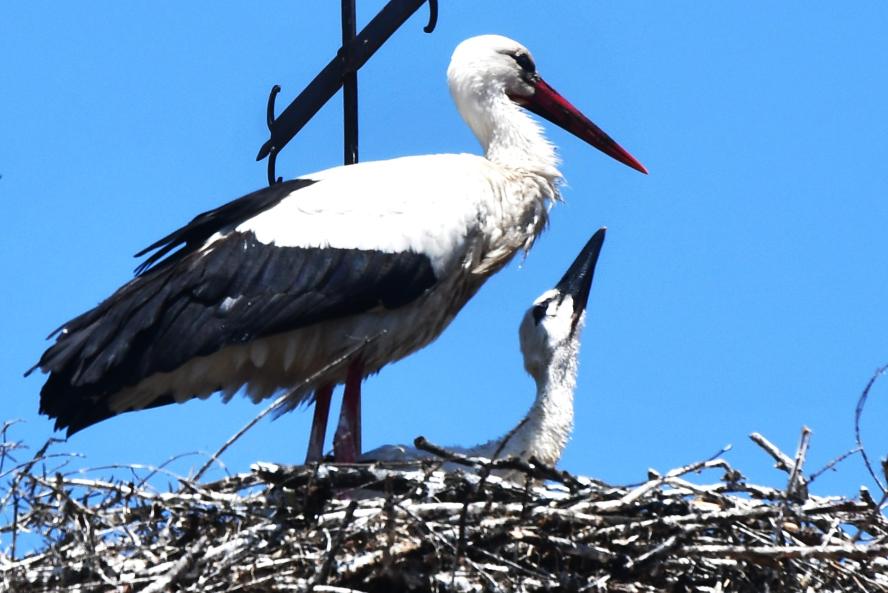
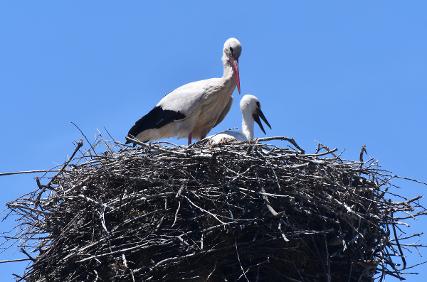
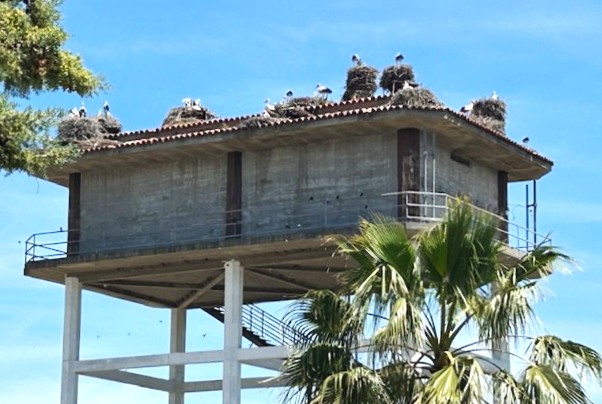
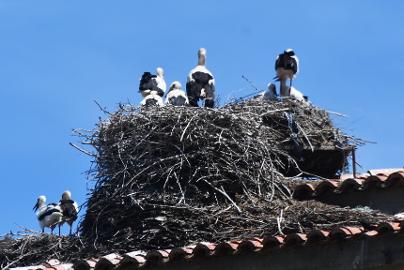
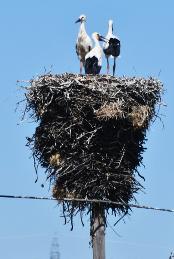
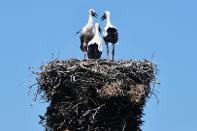
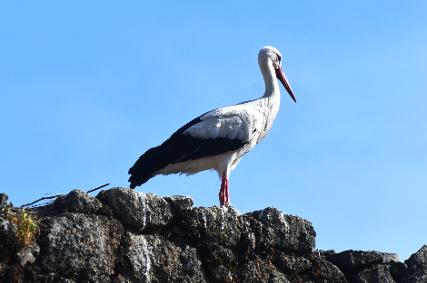
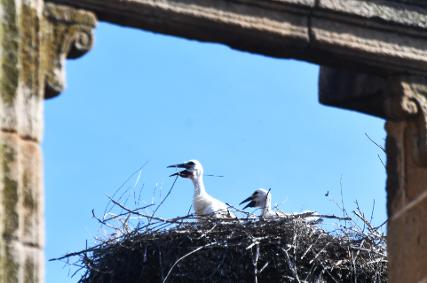
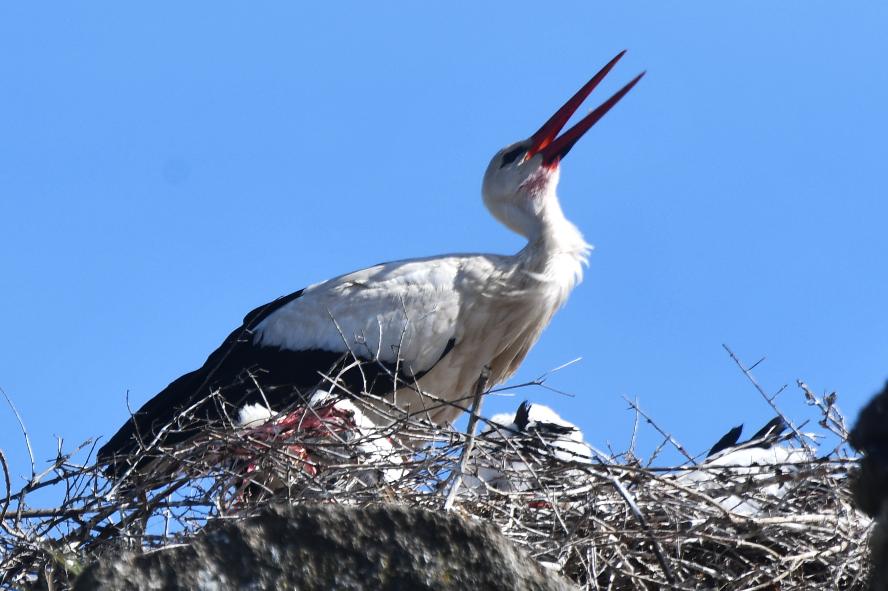
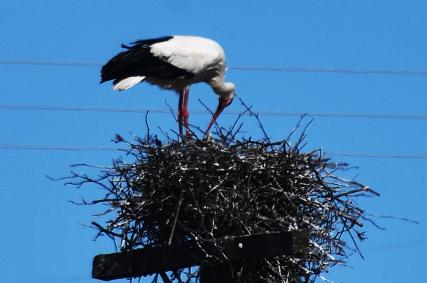
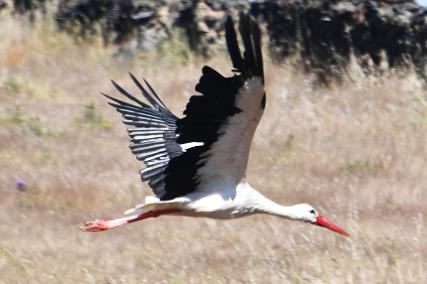
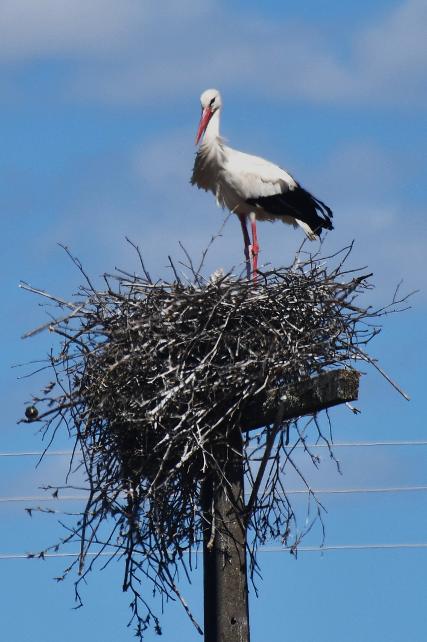
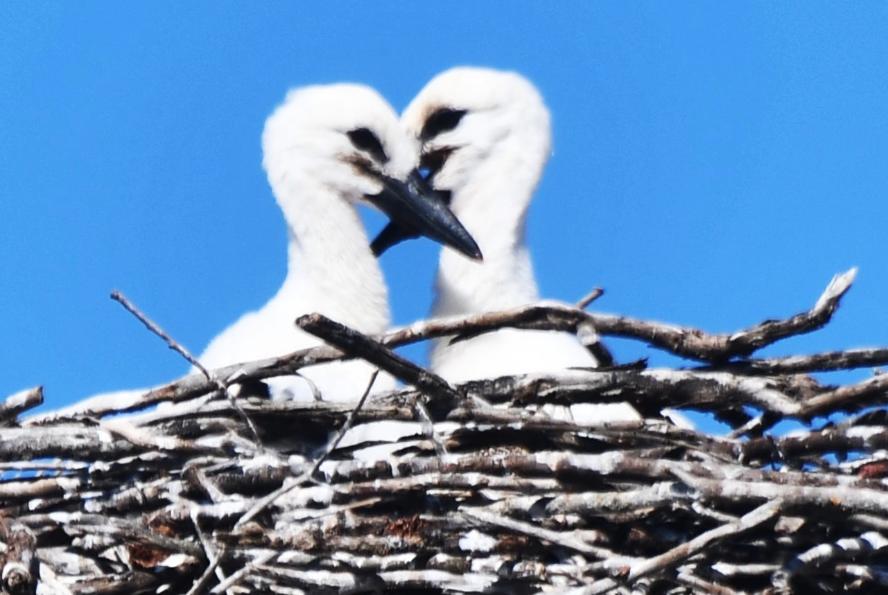
- storks ... lots and lots of stork families in their nests
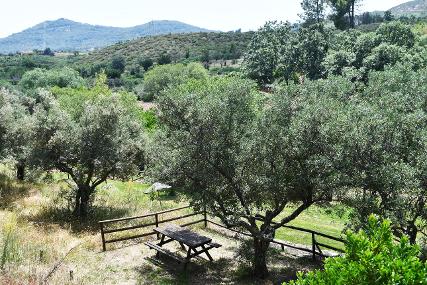
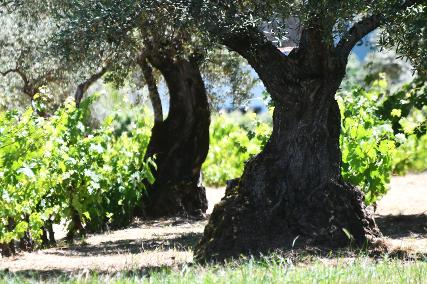
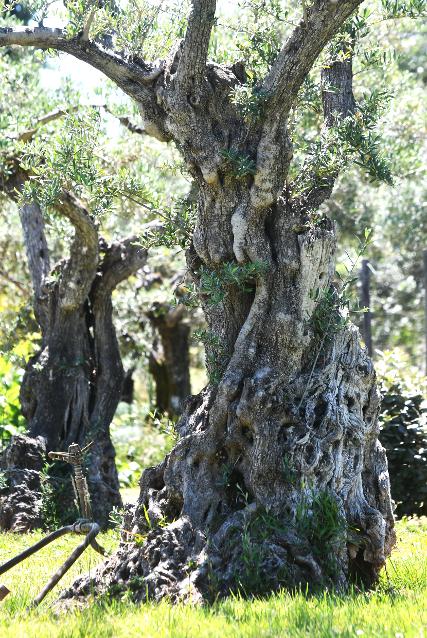
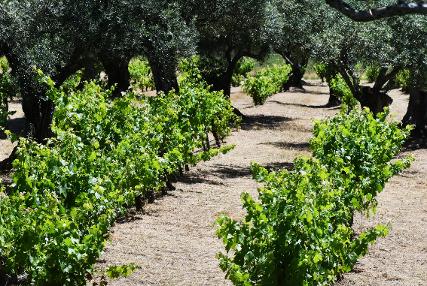
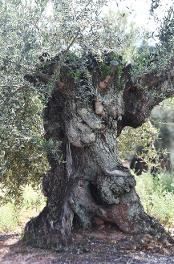
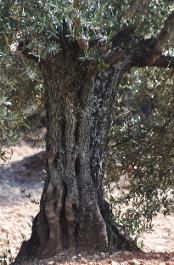
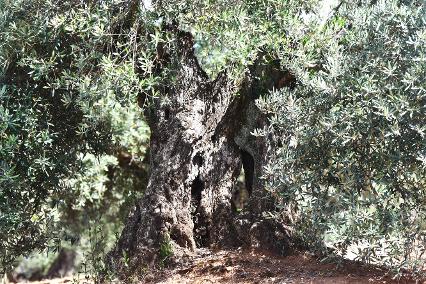
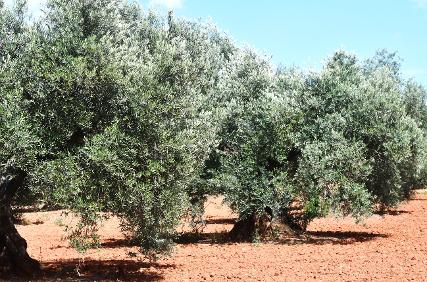
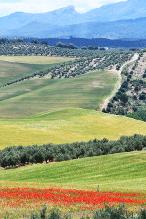
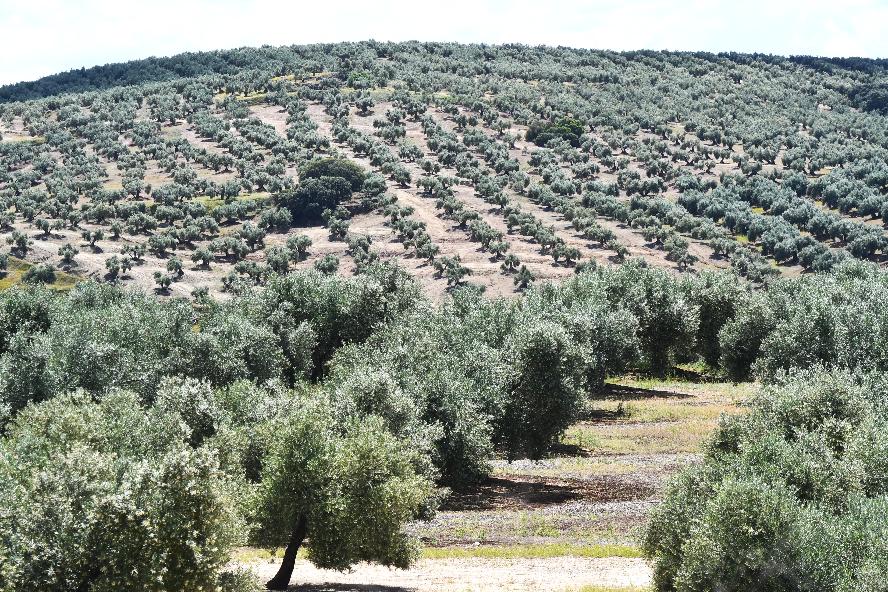
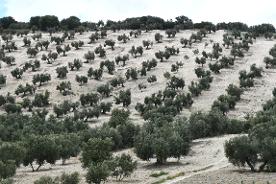
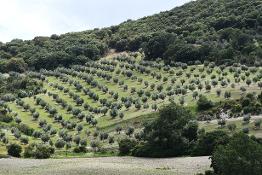
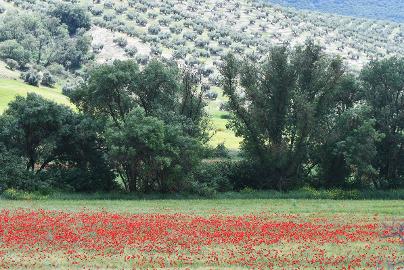
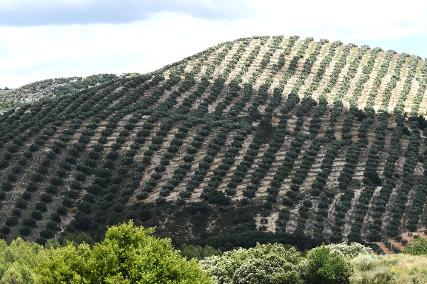
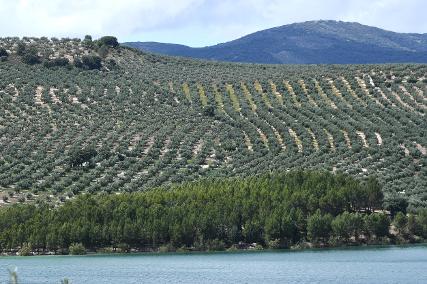
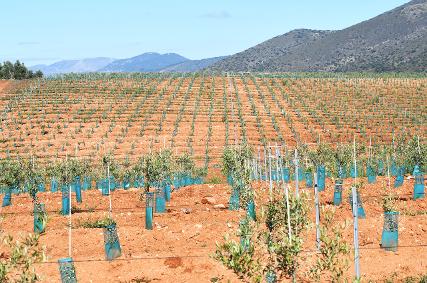
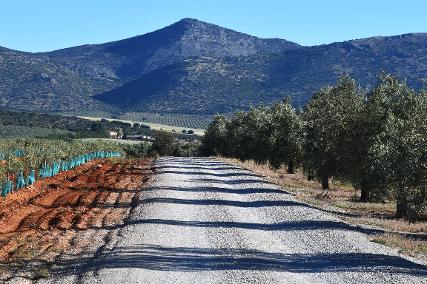
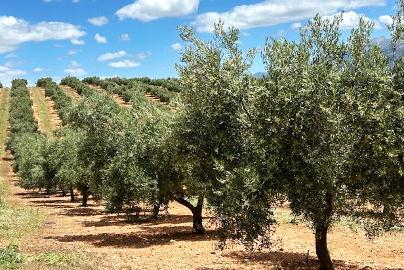
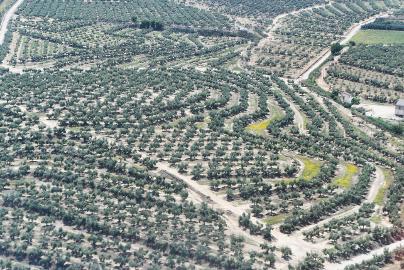
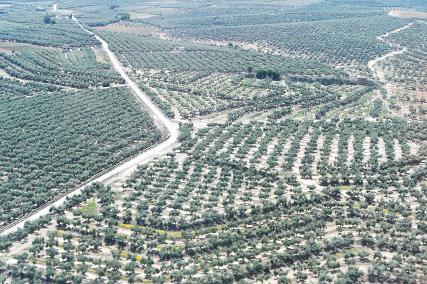
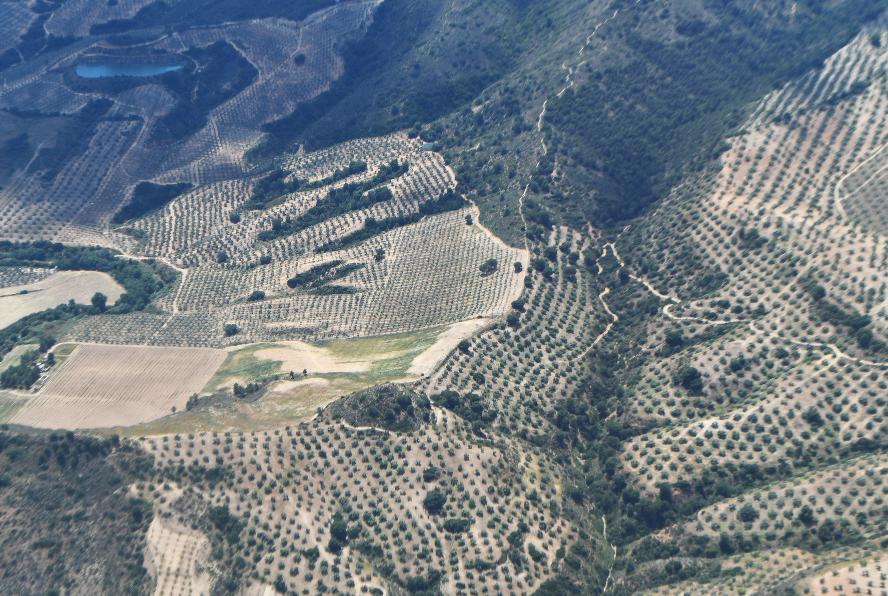
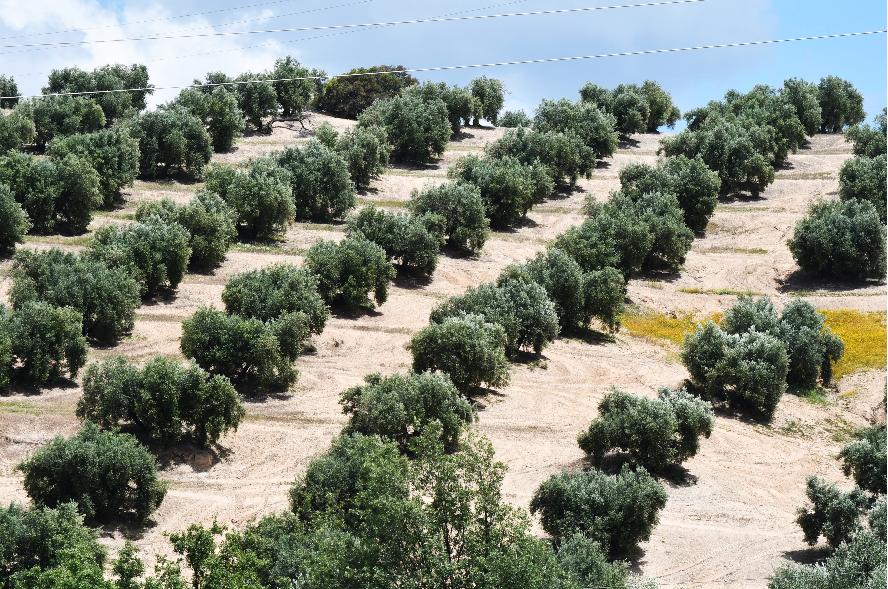
- millions and millions of olive trees
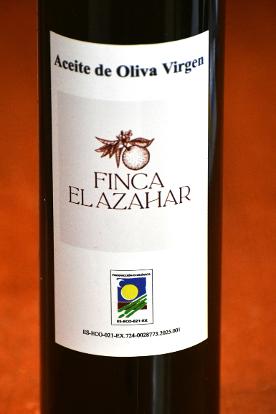
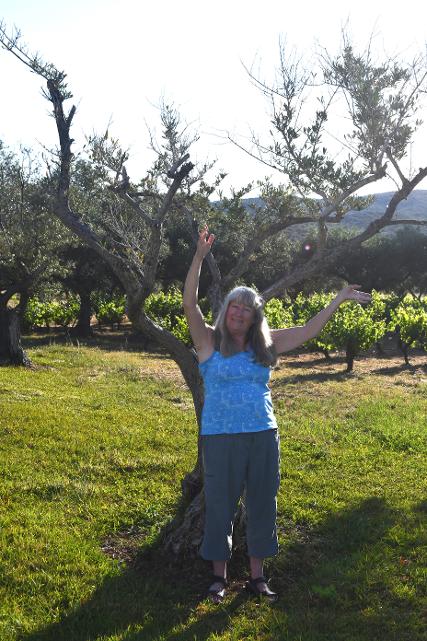
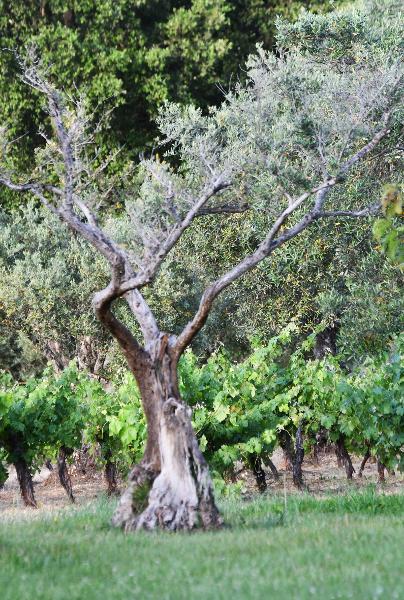
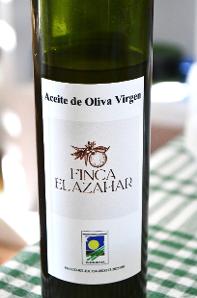
- Gayle imitating the dancing olive tree at Finca El Azahar
- early morning bird songs, especially the cuckoo bird
- the nightingales singing at 3:00 am at Finca El Cabezo
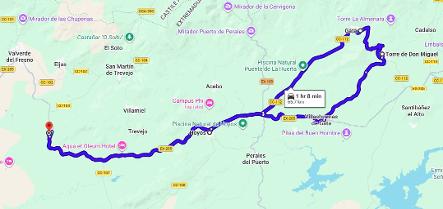
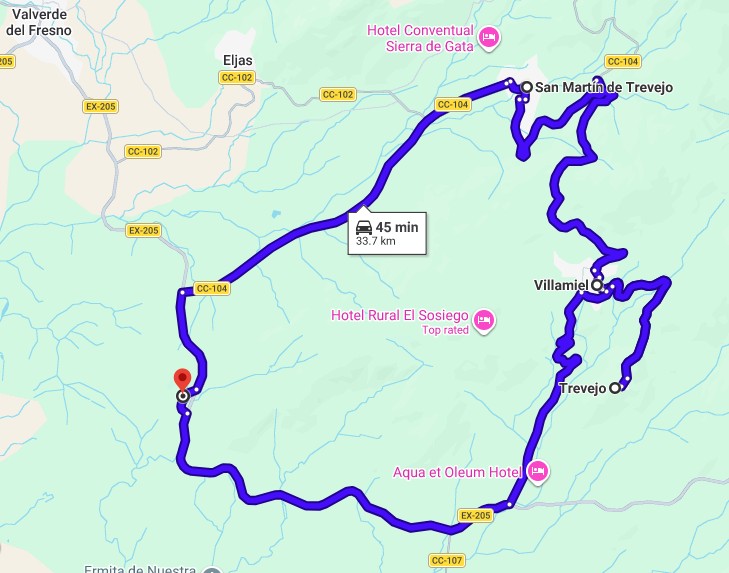
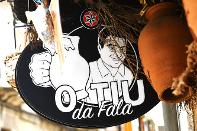
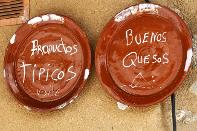
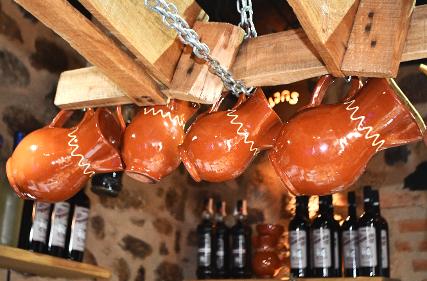
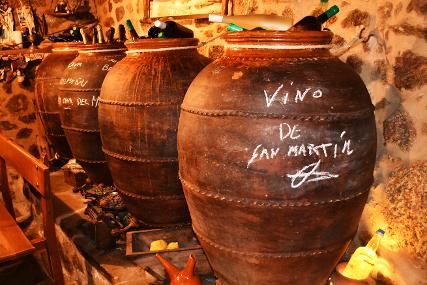
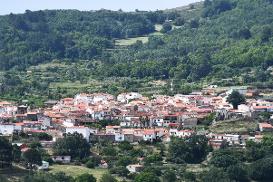
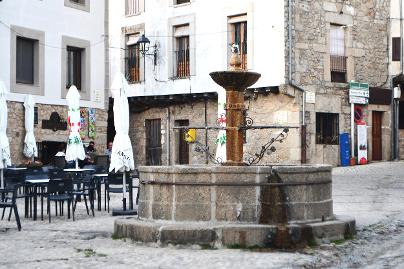
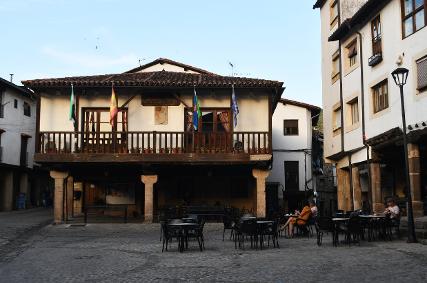
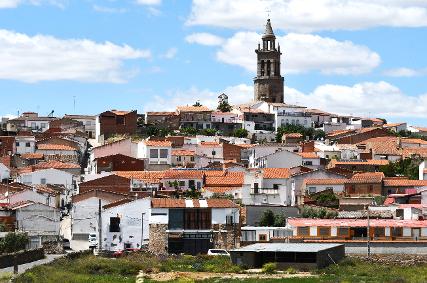
- the town of San Martin de Trevejo
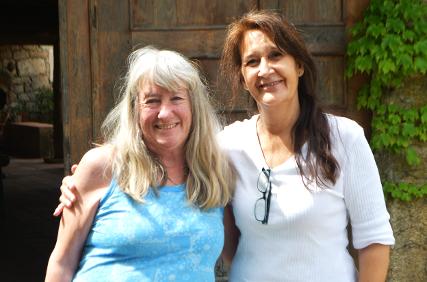
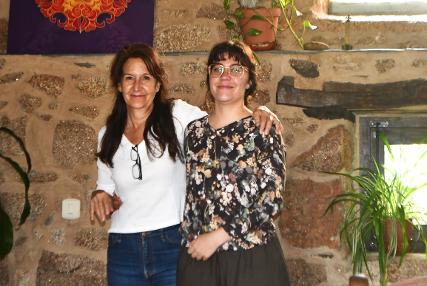
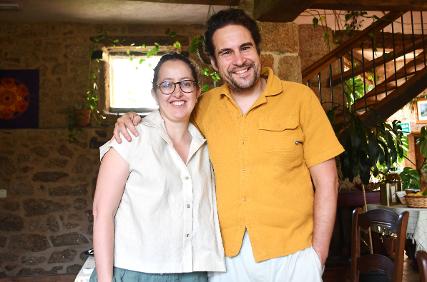
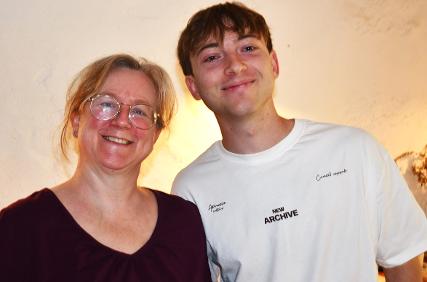
- wonderful hospitable hosts - especially Sylvia & Eilke, Eva, Miguel & Maria, Ana, Sofia & Iñigo and Laura
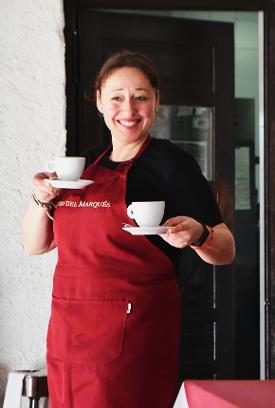
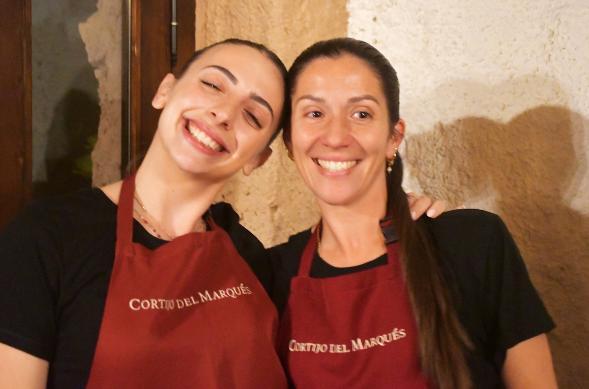
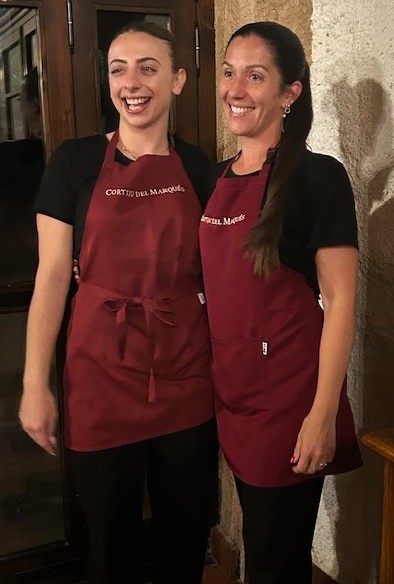
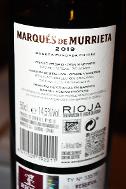
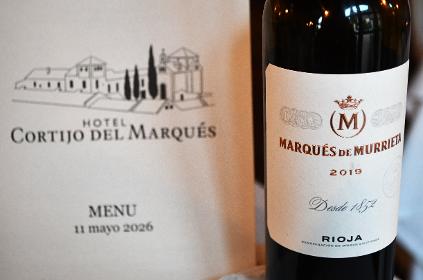
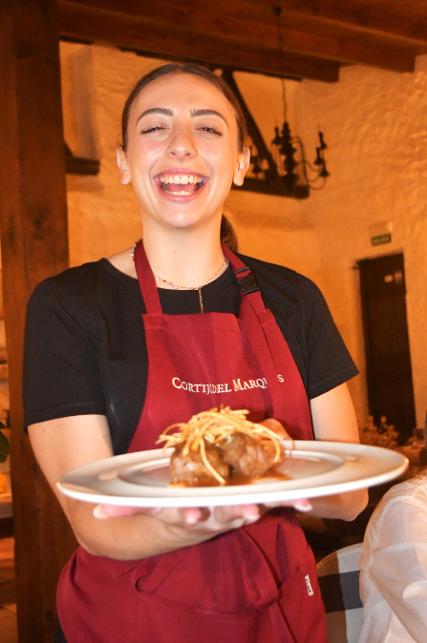
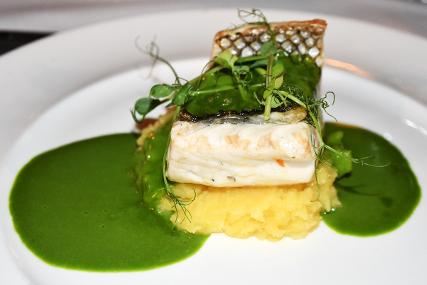
- all the servers at Cortijo del Marques
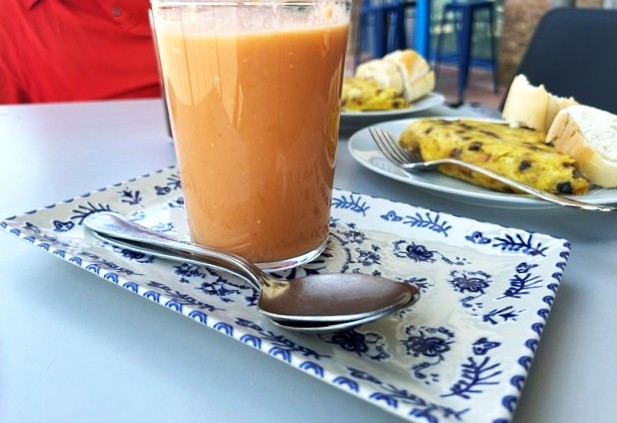
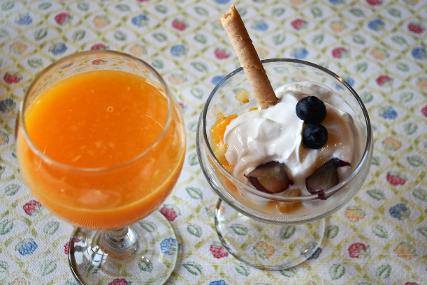
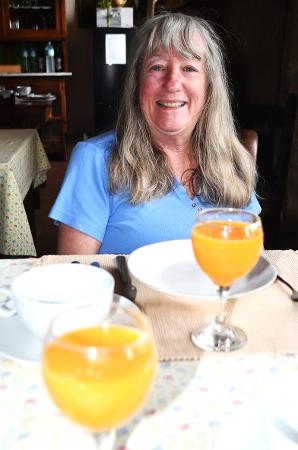
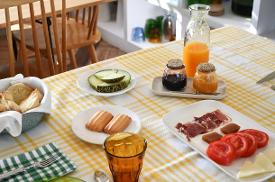
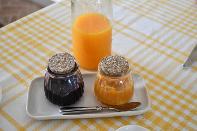
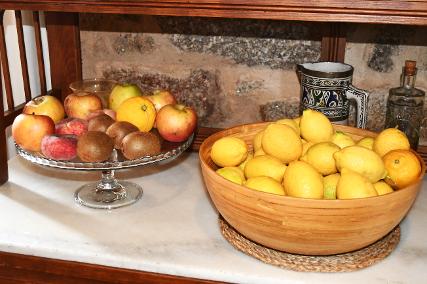
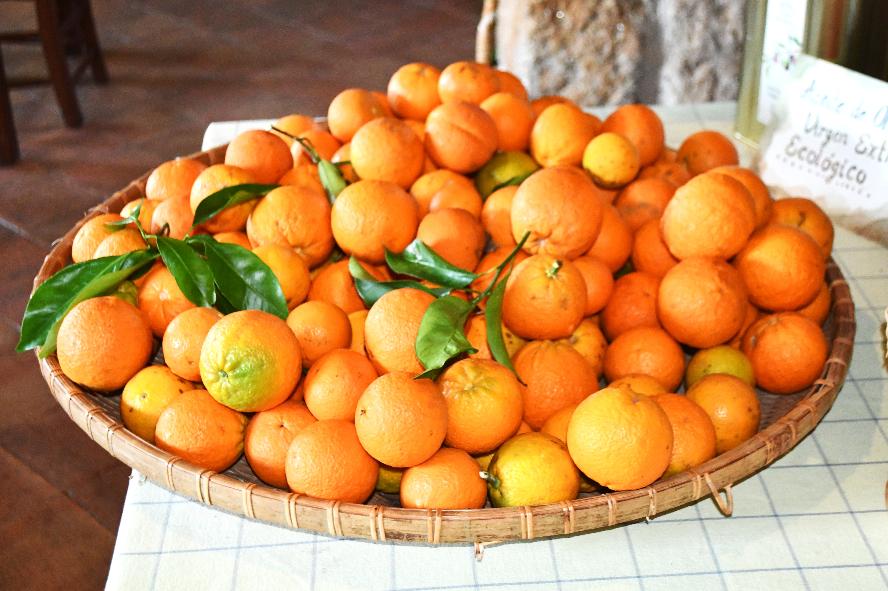
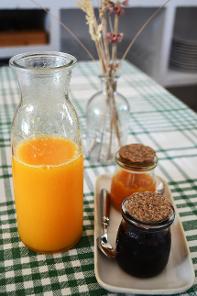
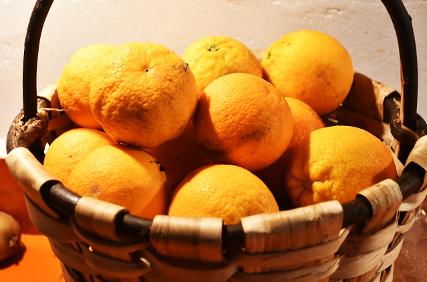
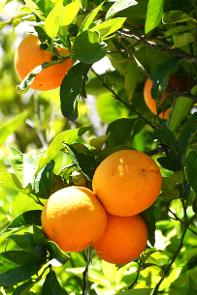
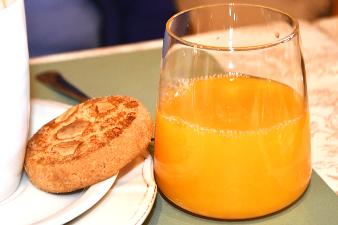
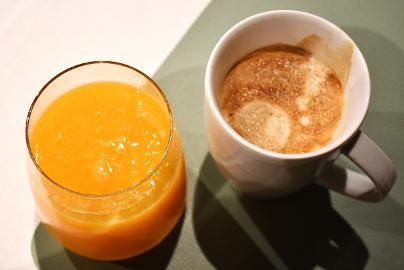
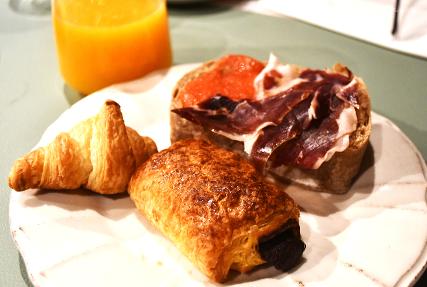
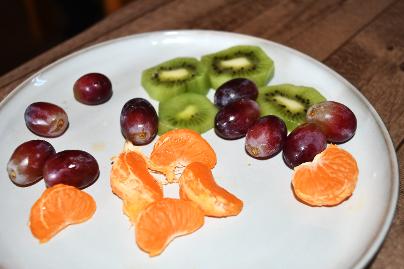
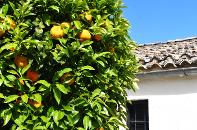
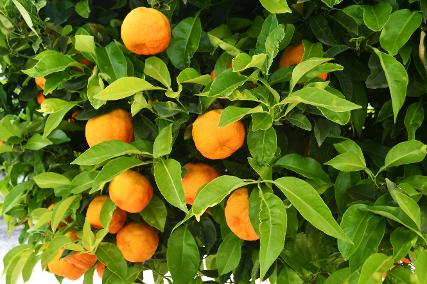
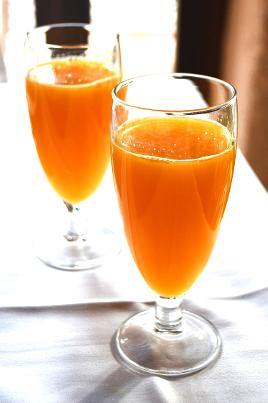
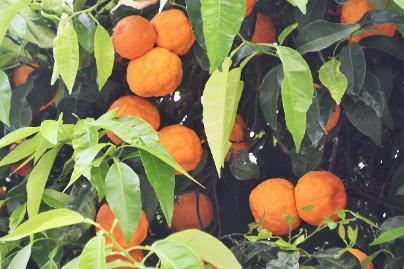
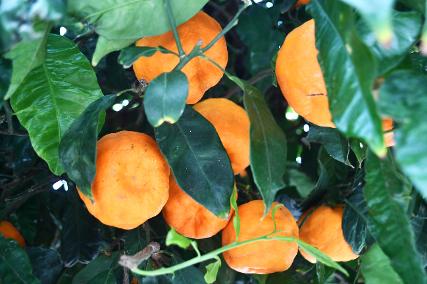
- fresh orange juice each morning
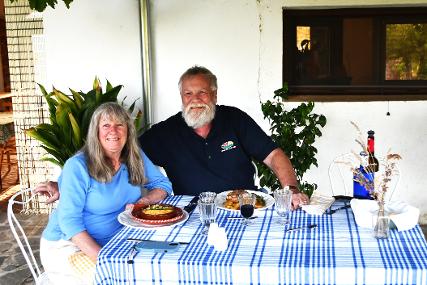
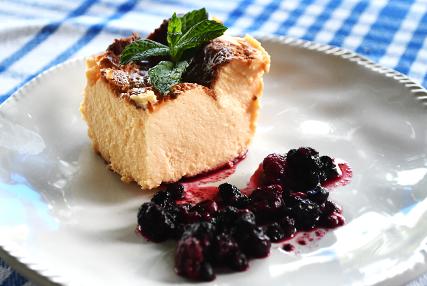
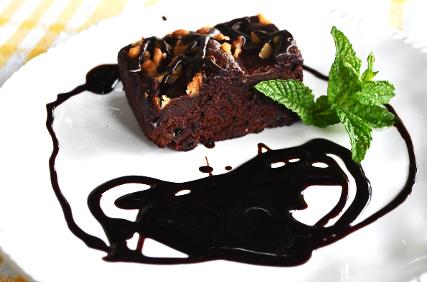
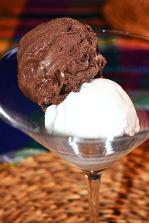
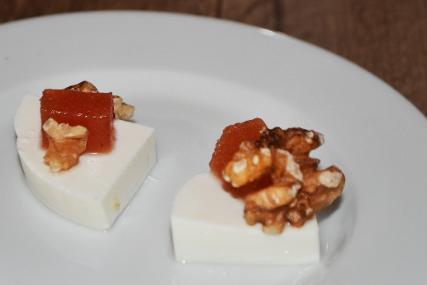
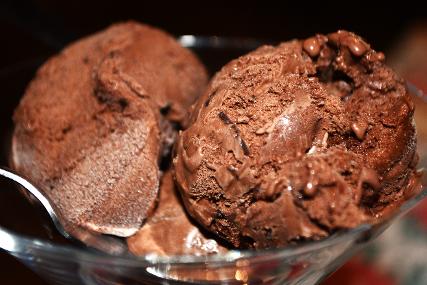
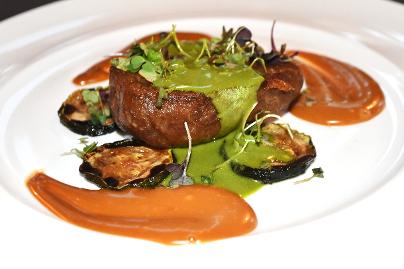
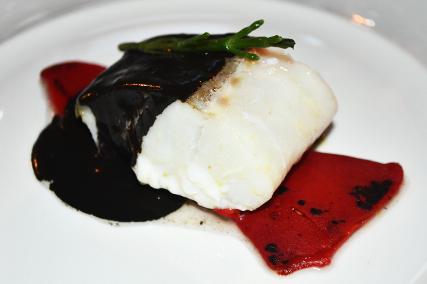
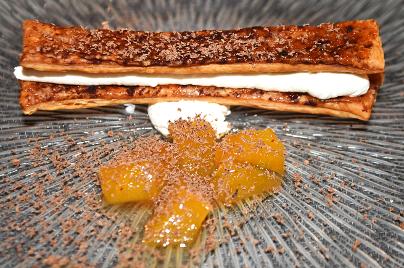
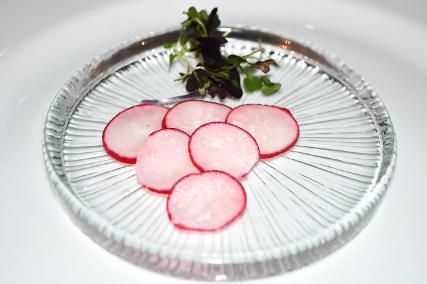
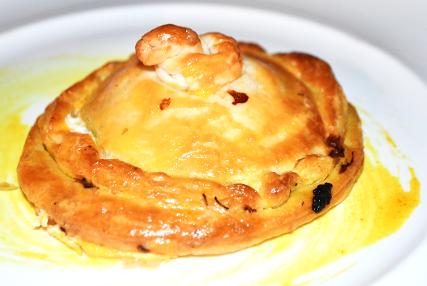
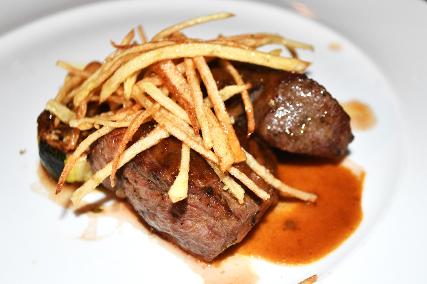
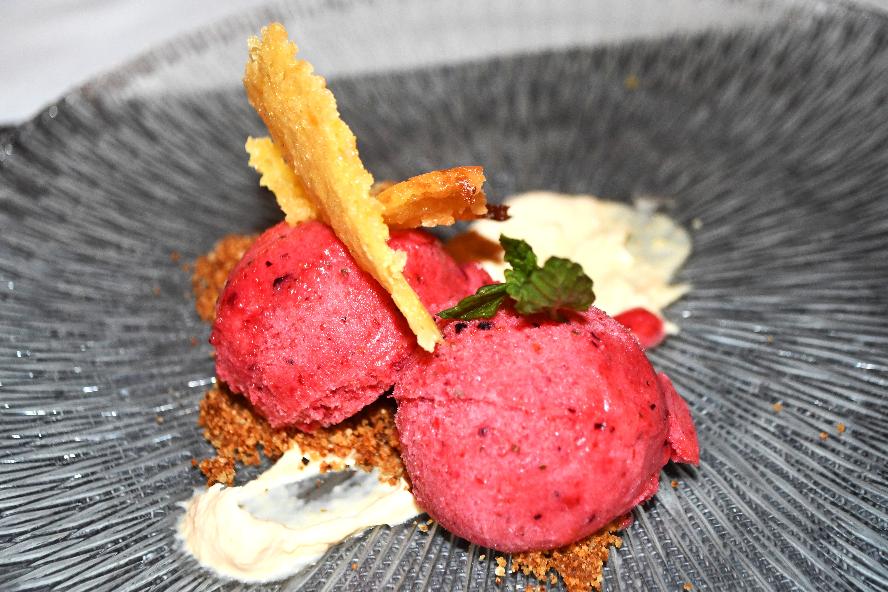
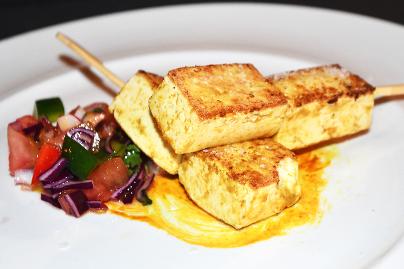
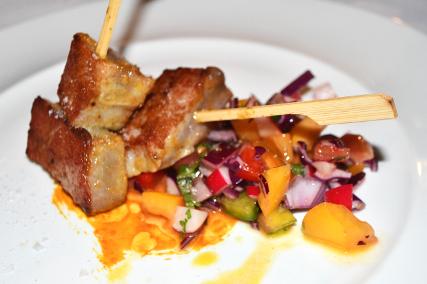
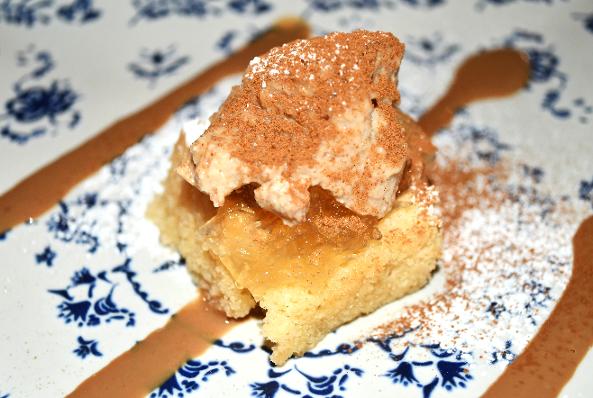
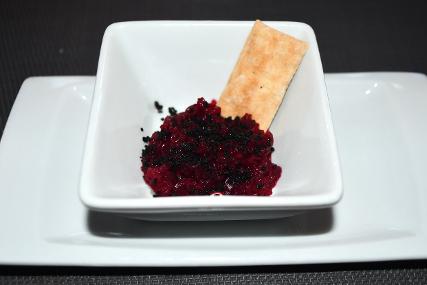
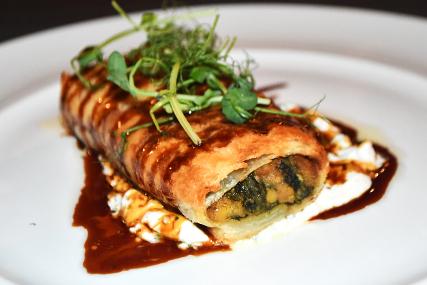
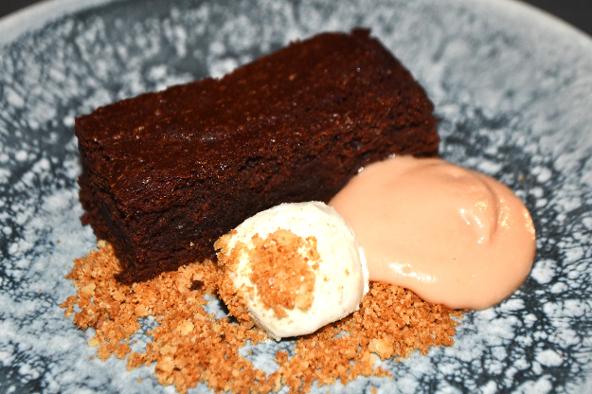
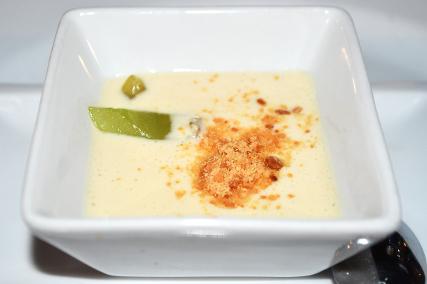
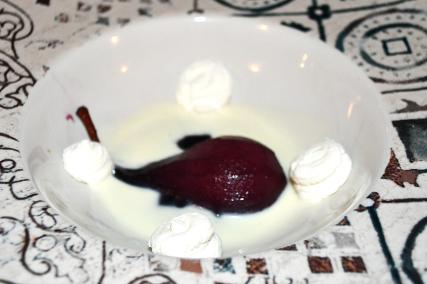
- meals at Cortijo del Marques, especially the 'pastry hat' filled with ricotta and strawberry cava sorbet
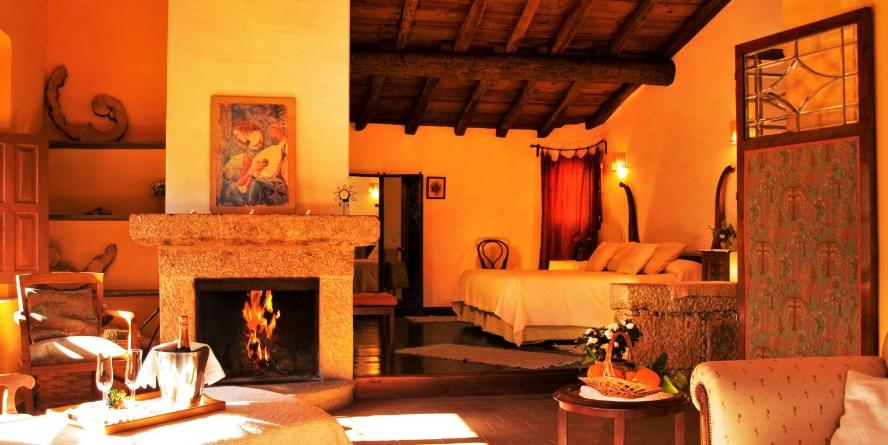
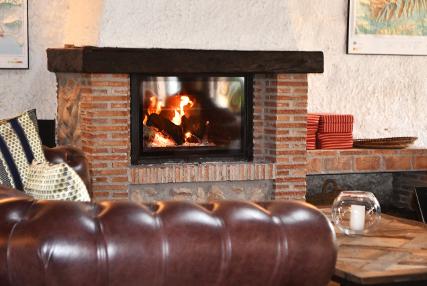
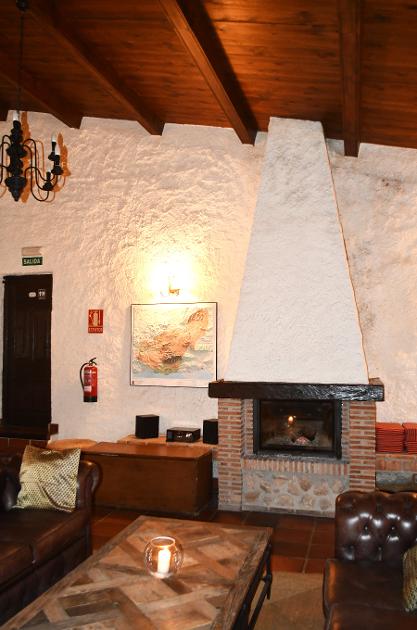
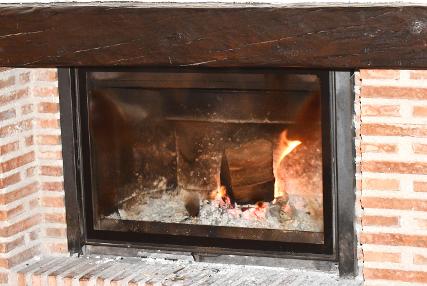
- listening to flamenco music by the fireplace at Cortijo del Marques
- seeing a Common Hoopie and our morning bunny hunt on the road into Cortijo del Marques
- Gayle's navigationally challenging walk through Coritjo del Marques' olive groves
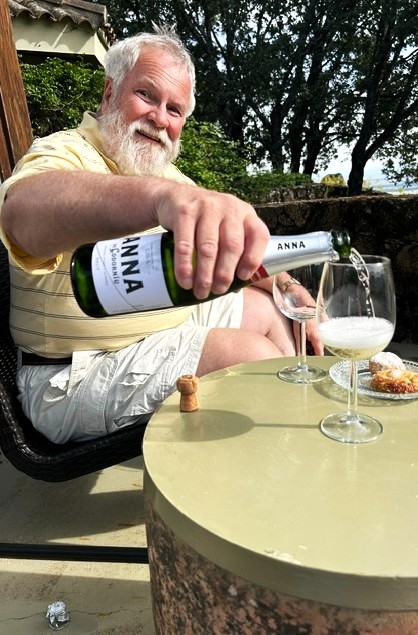
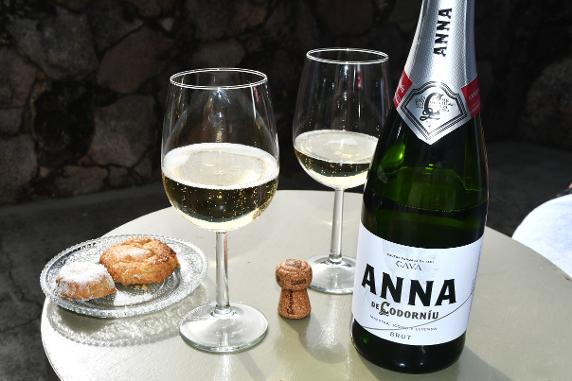
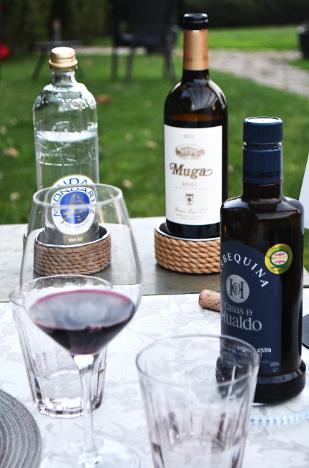
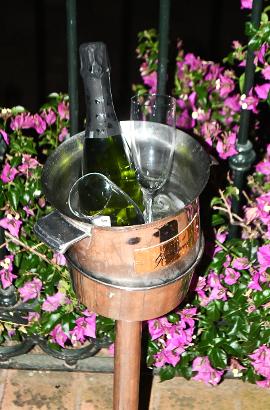
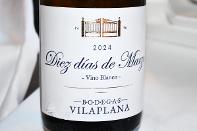
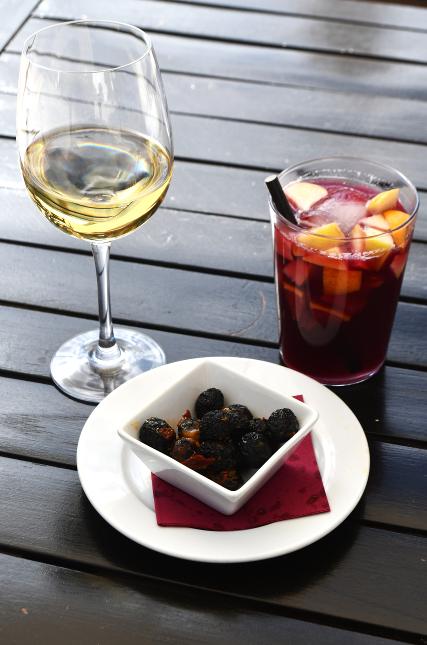
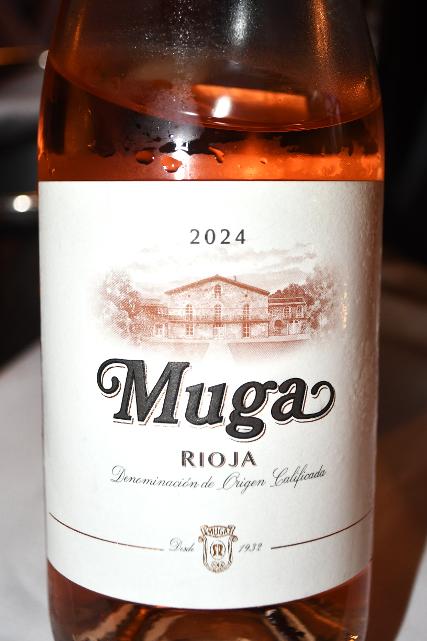
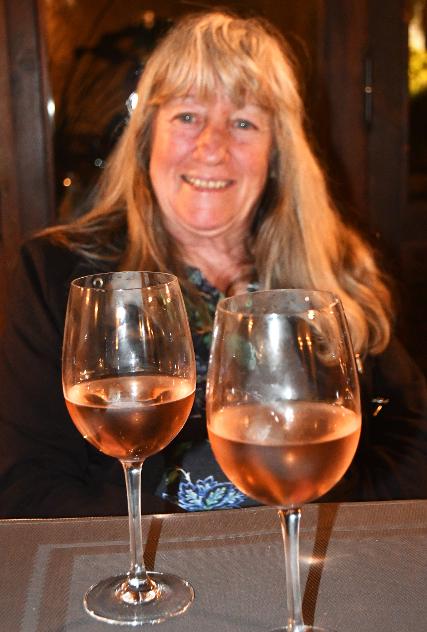
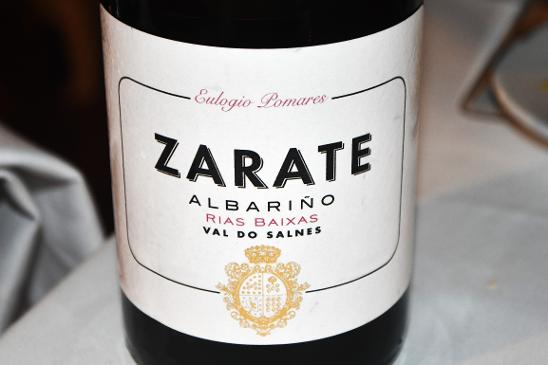
- Spanish cava
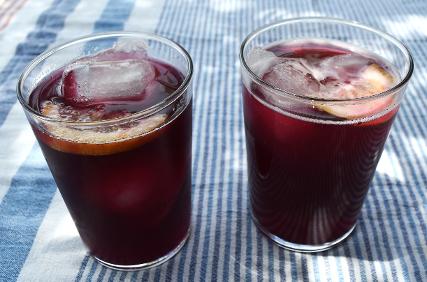
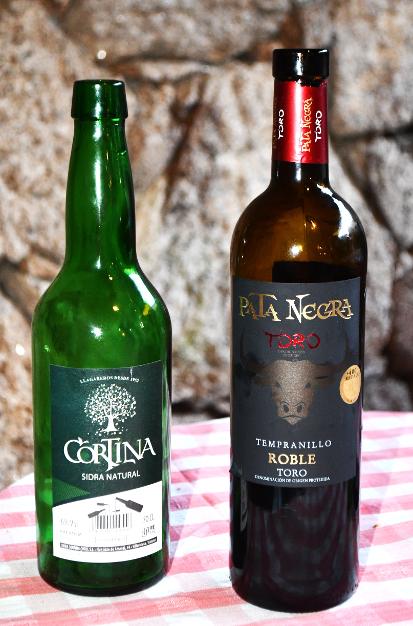
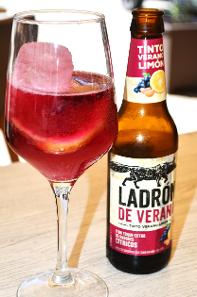
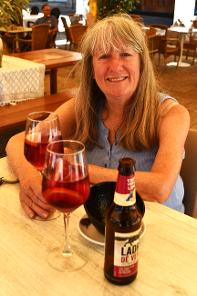
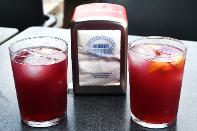
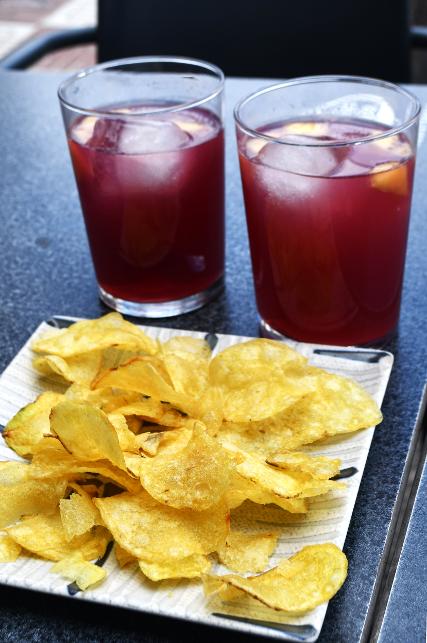
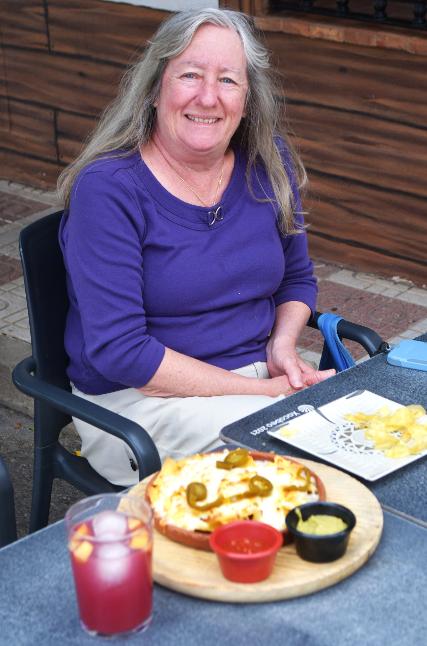
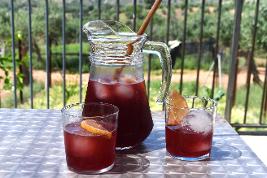
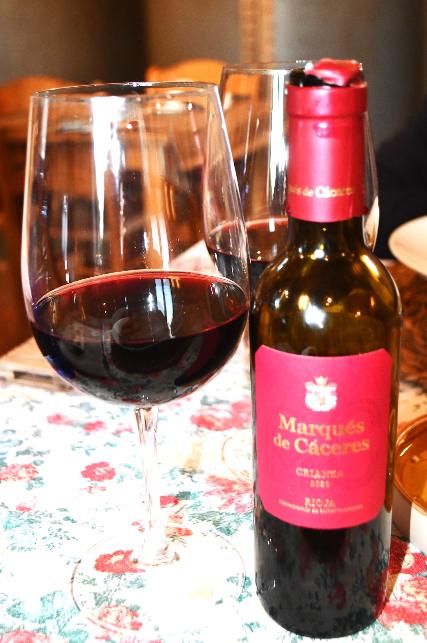
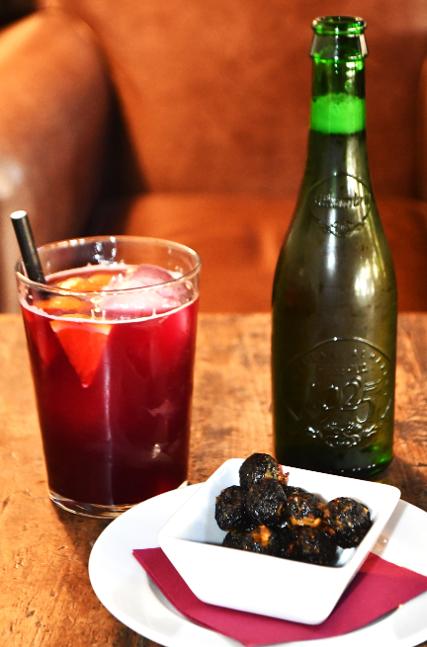
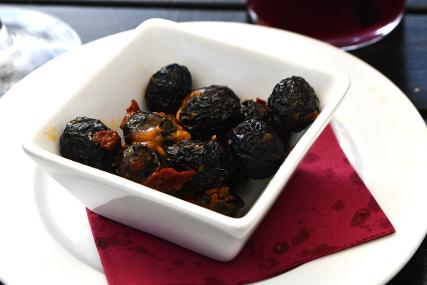
- discovering Vino Tinto Verano as a decent sangria substitute
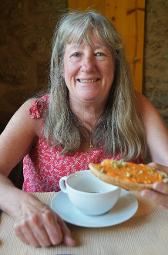
- early morning coffee courtesy of Norm
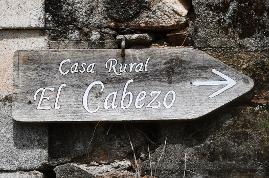
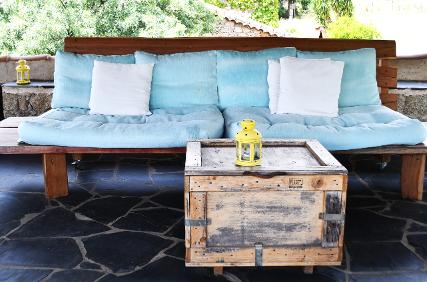
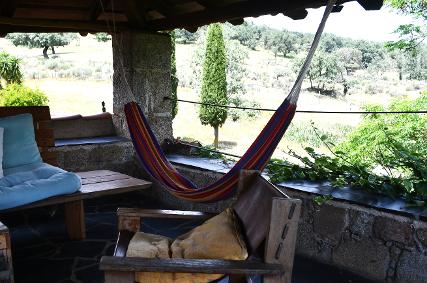
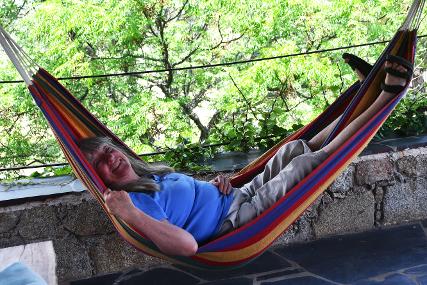
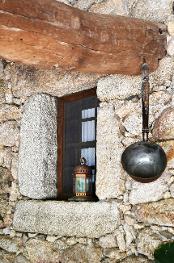
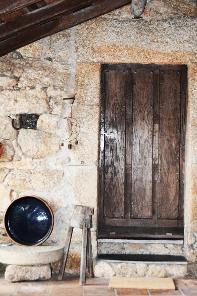
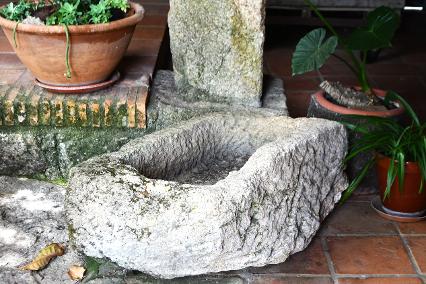
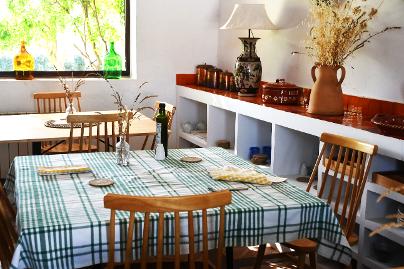
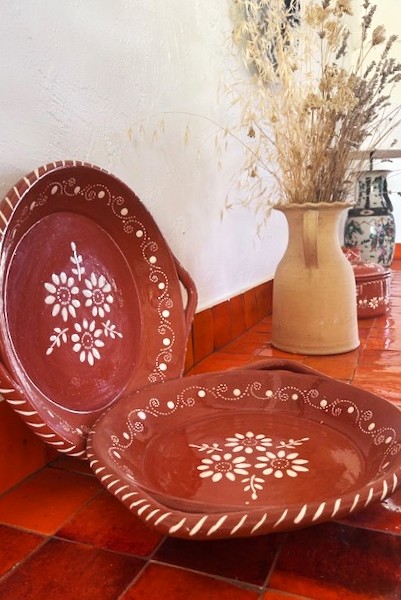
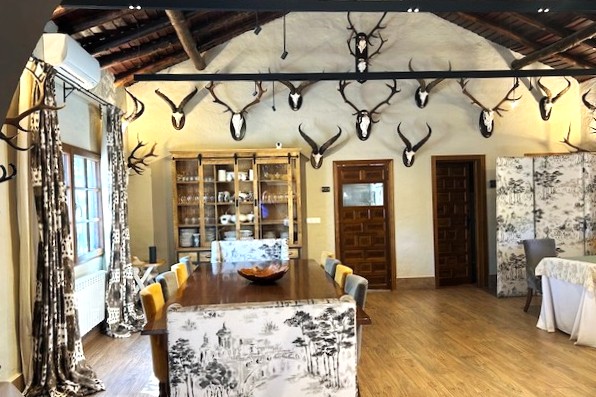
- Finca El Cabezo - rural, rustic and wonderful
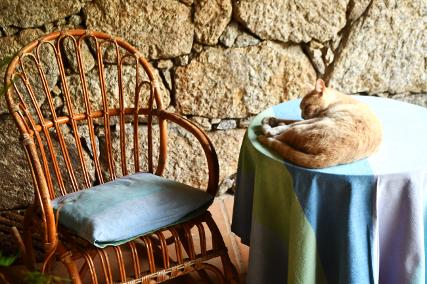
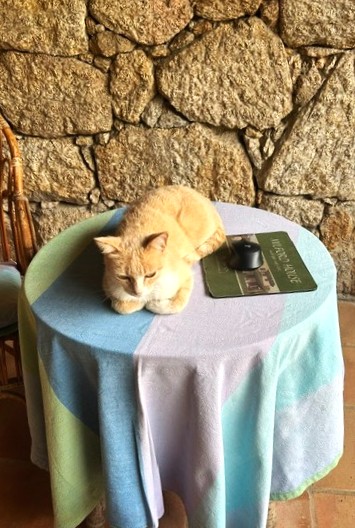
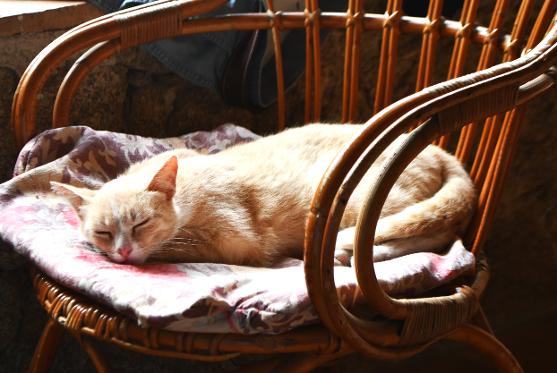
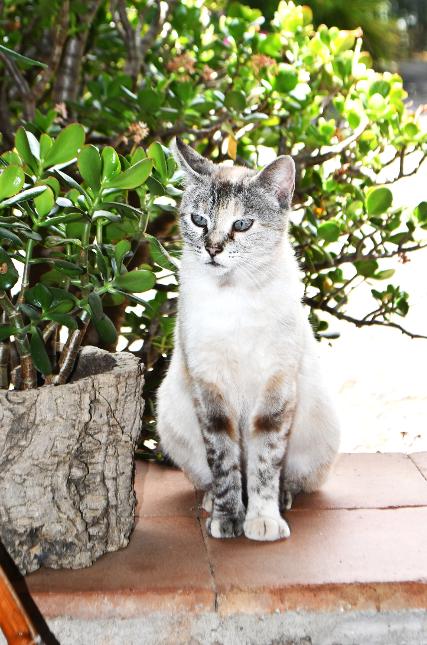
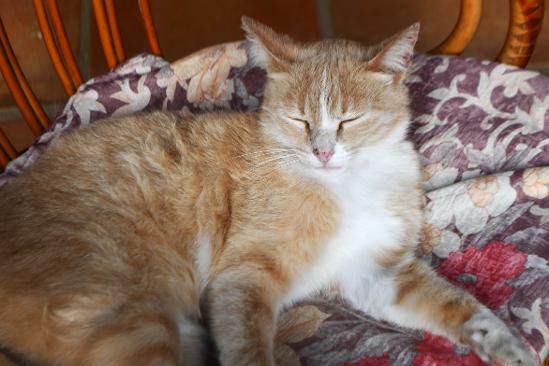
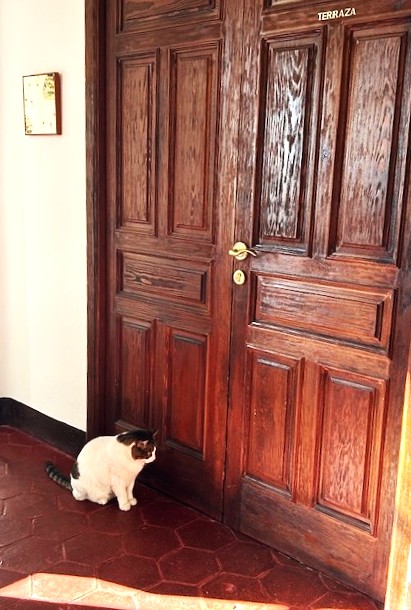
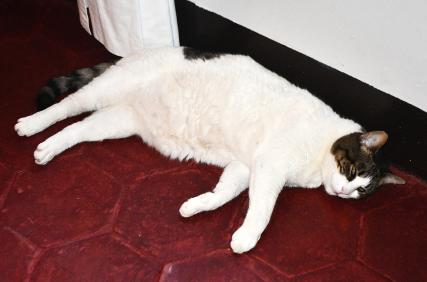
- Bichi, aka 'little bug' - the friendly and polite cat of Finca El Cabezo
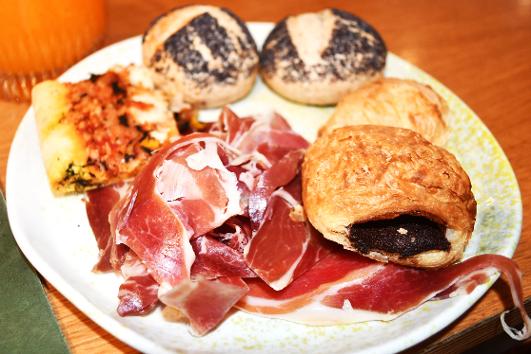
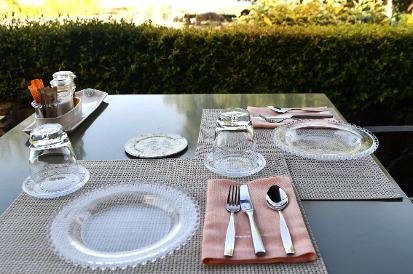
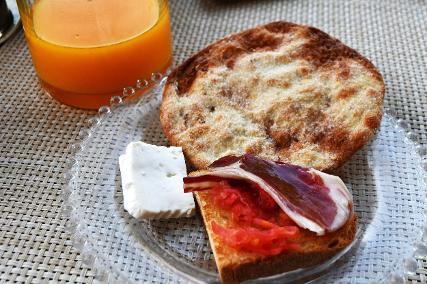
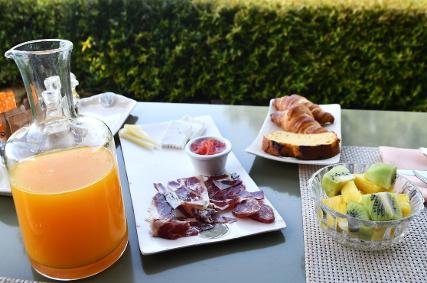
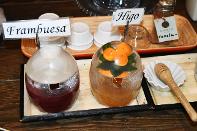
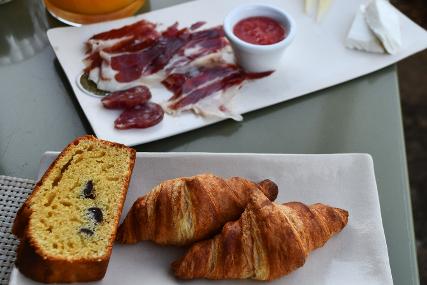
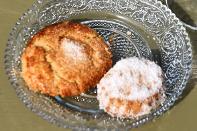
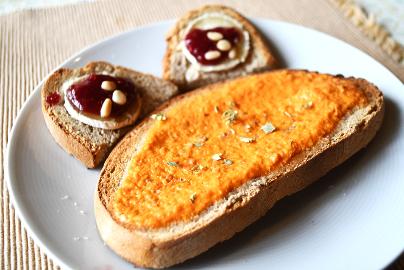
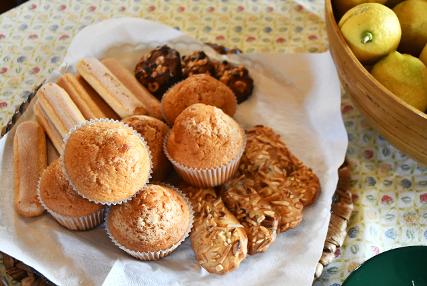
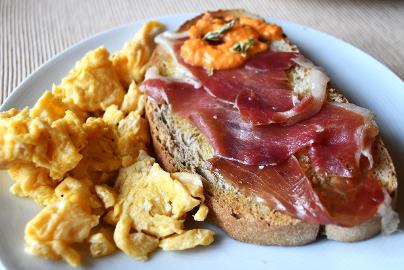
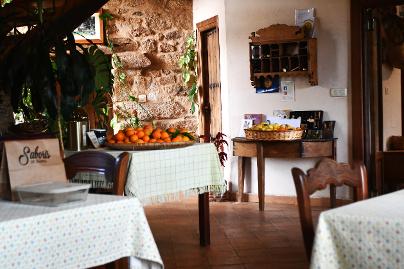
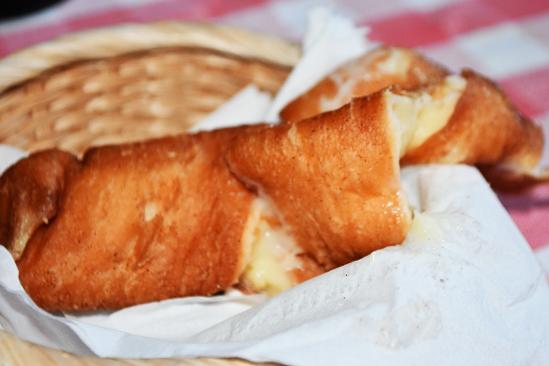
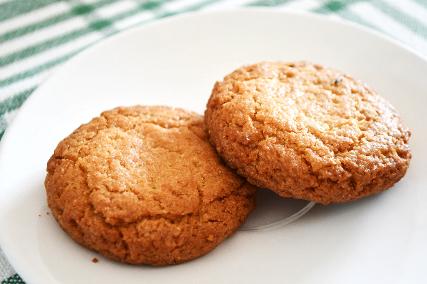
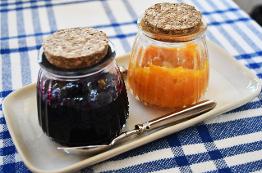
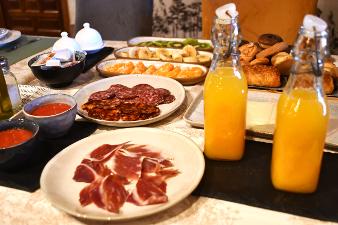
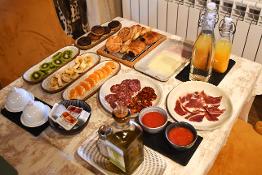
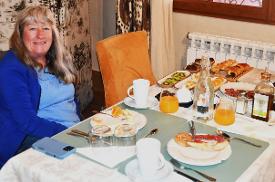
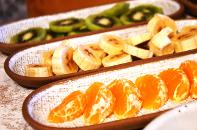
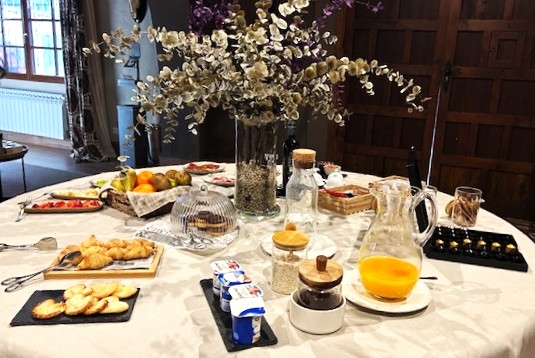
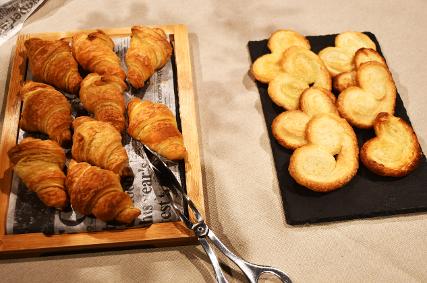
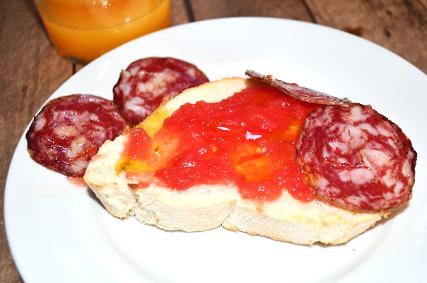
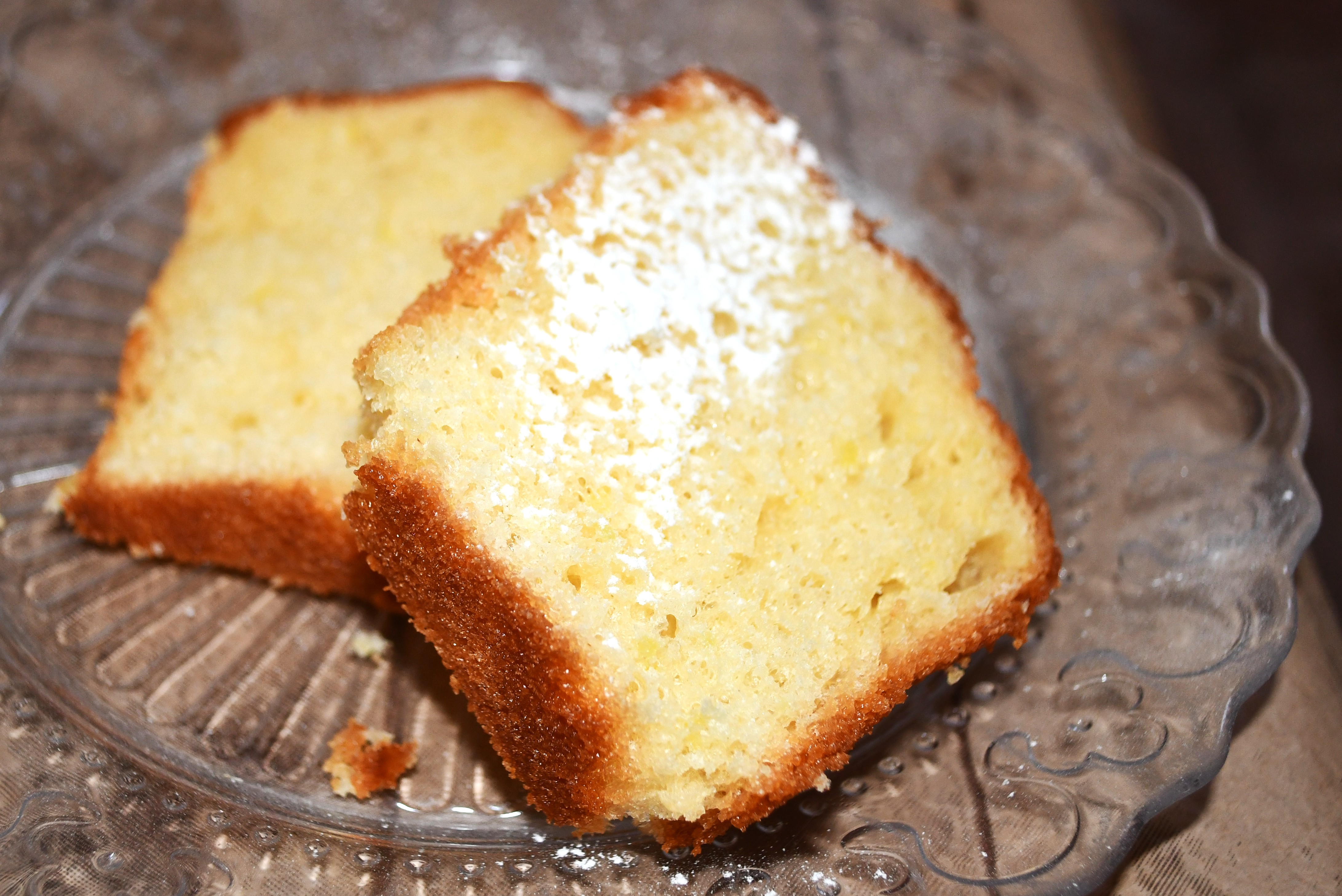
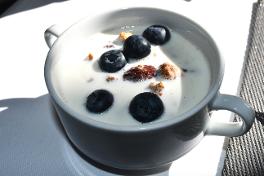
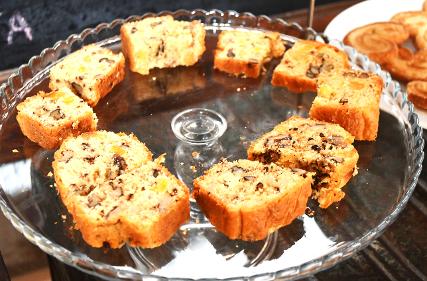
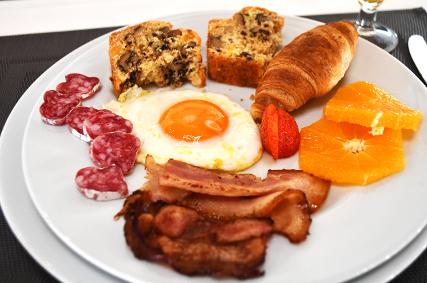
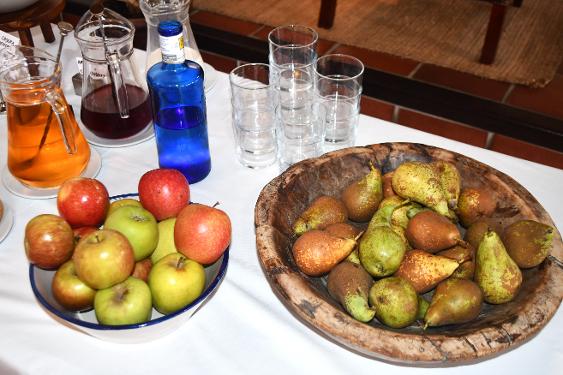
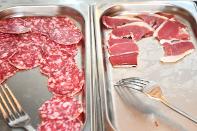
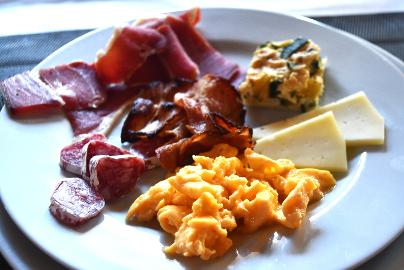
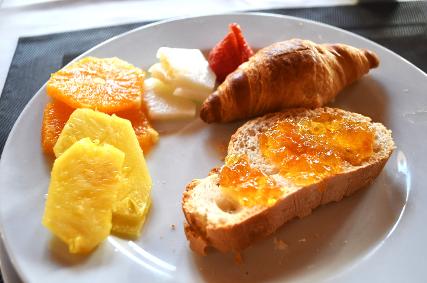
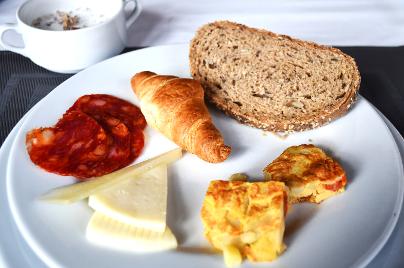
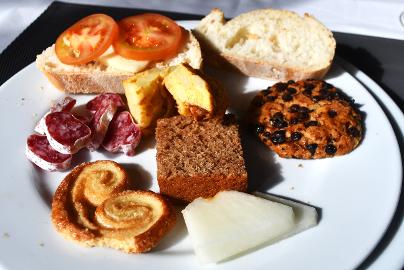
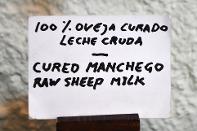
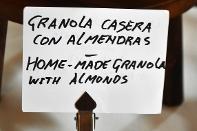
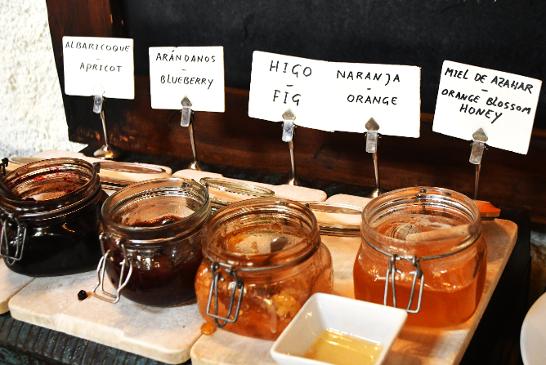
- breakfasts at each of our lodgings but especially the Portuguese sweets at Finca El Cabezo
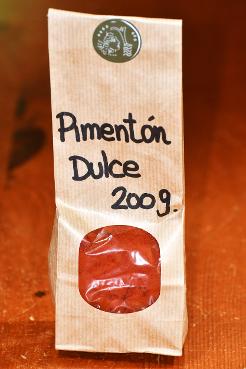
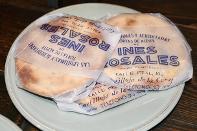
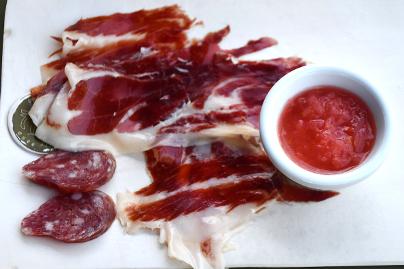
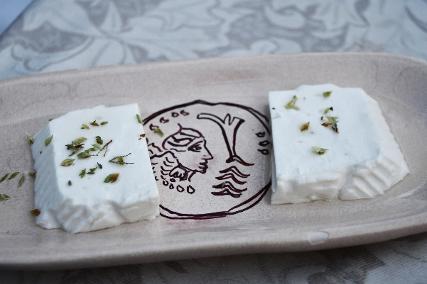
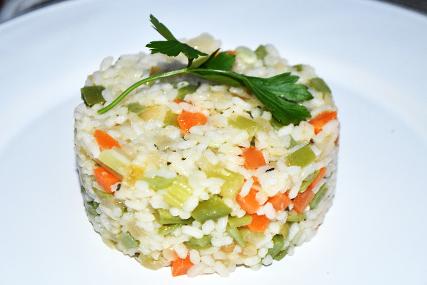
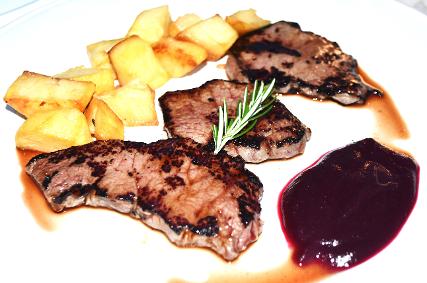
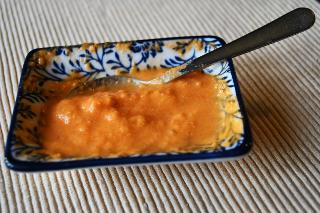
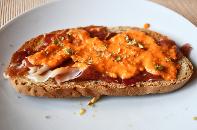
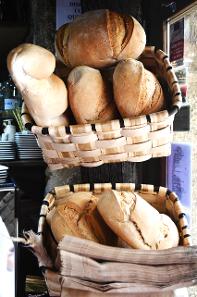
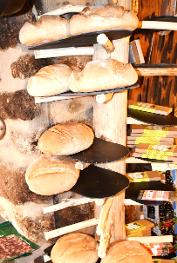
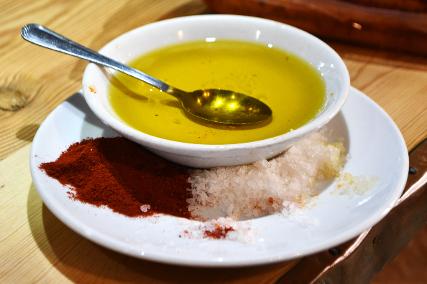
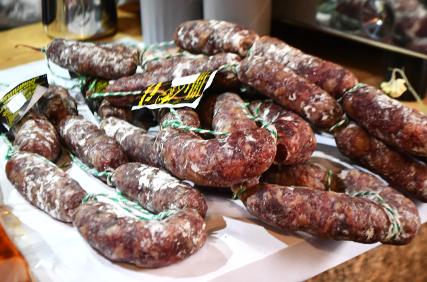
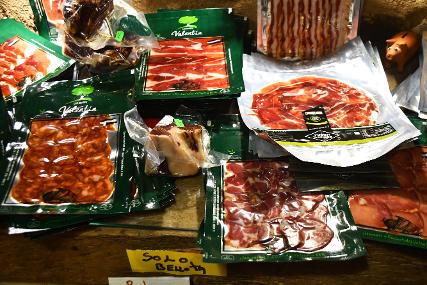
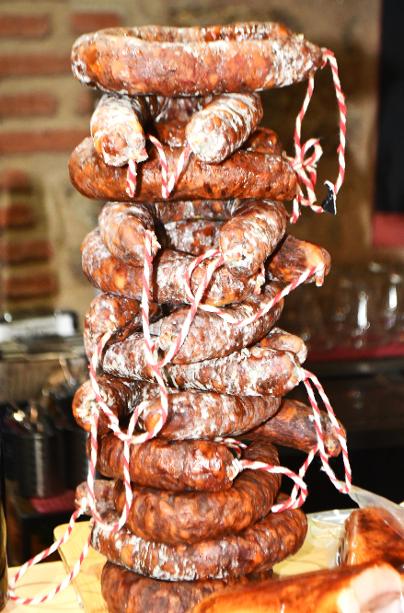
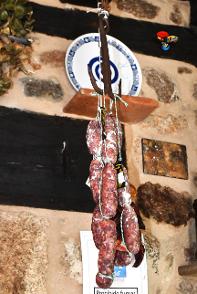
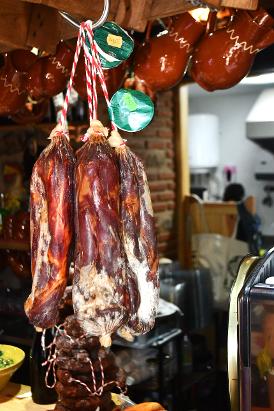
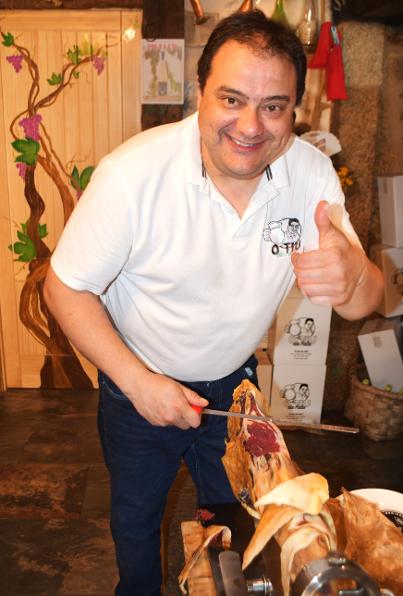
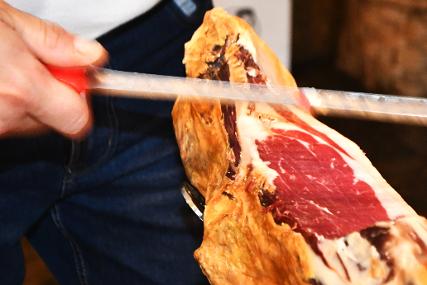
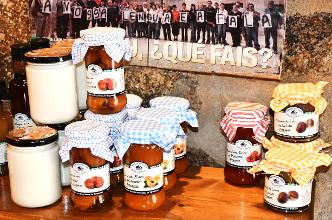
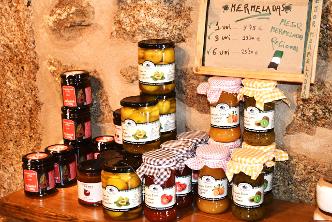
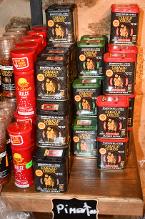
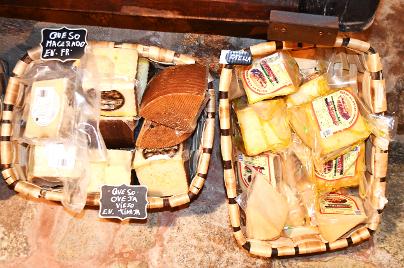
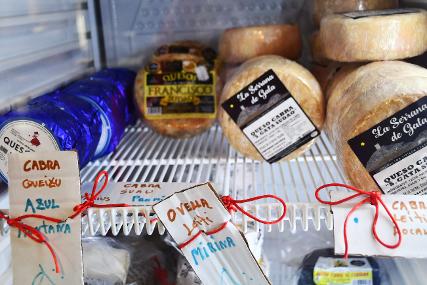
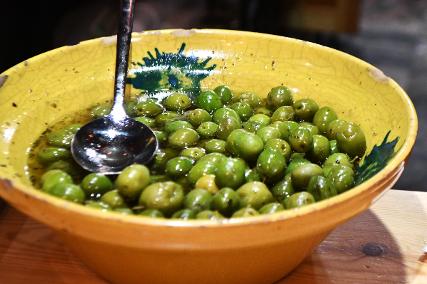
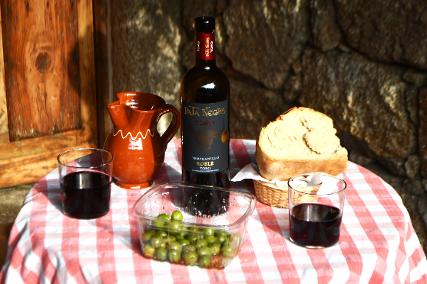
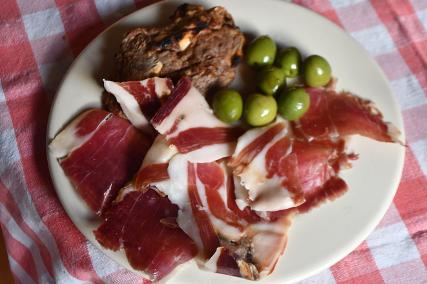
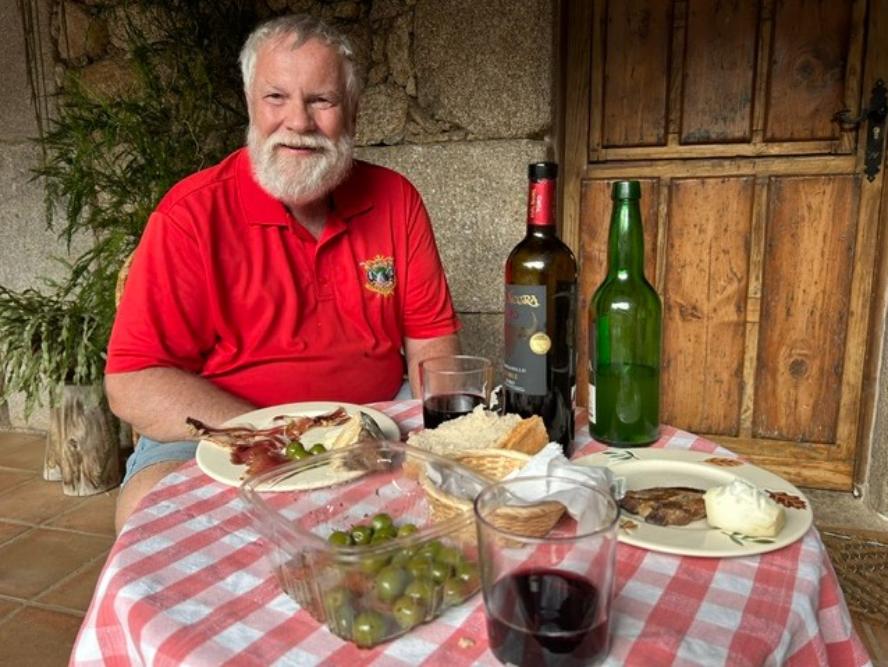
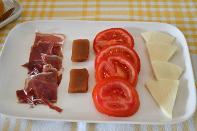
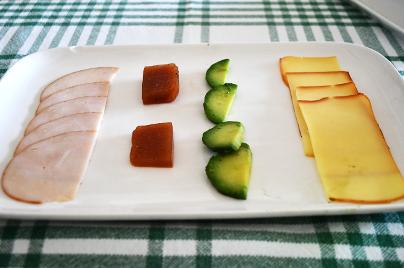
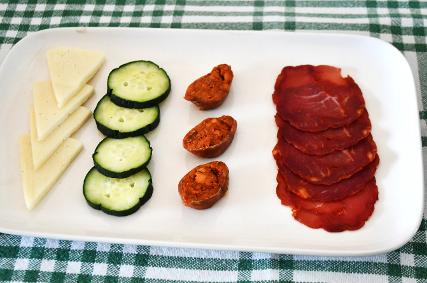
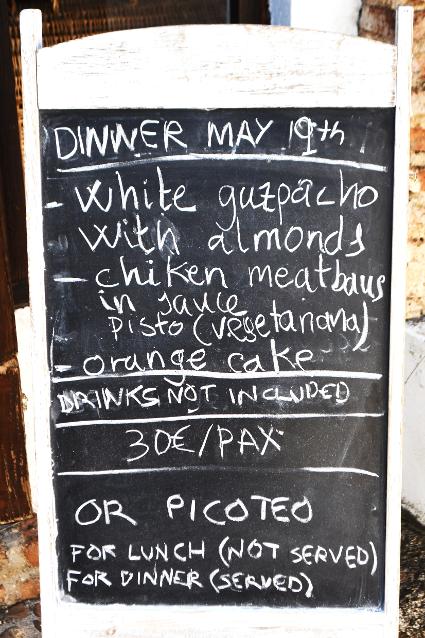
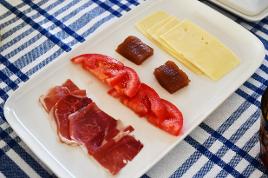
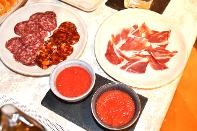
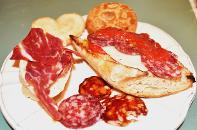
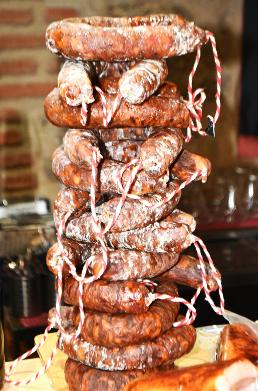
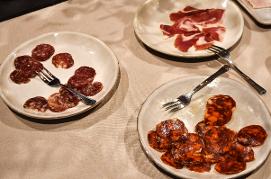
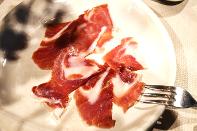
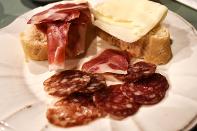
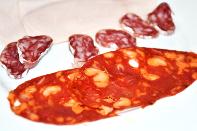
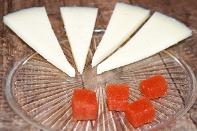
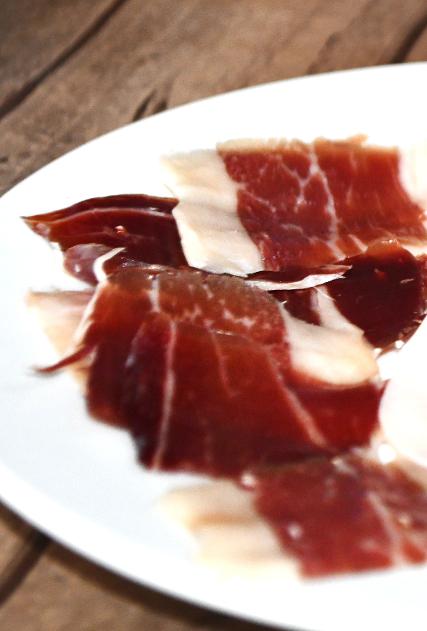
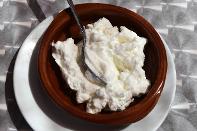
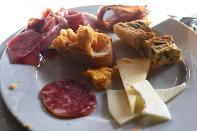
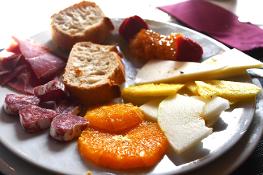
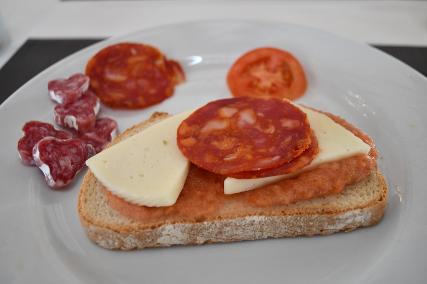
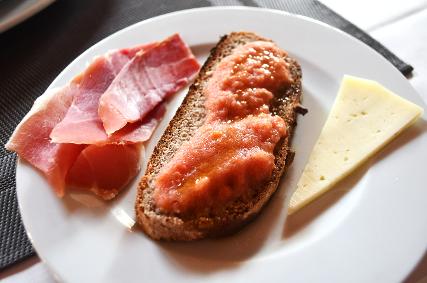
- our charcuterie 'picnic' dinner at Finca El Cabezo, including food shopping in San Martin de Trevejo
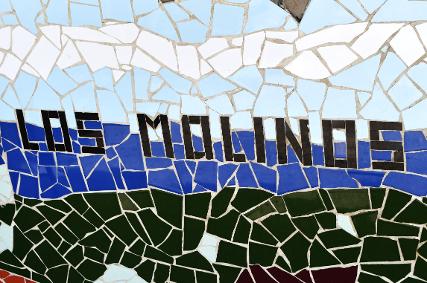
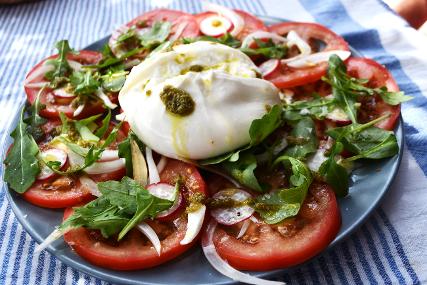
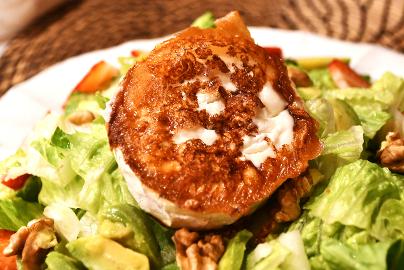
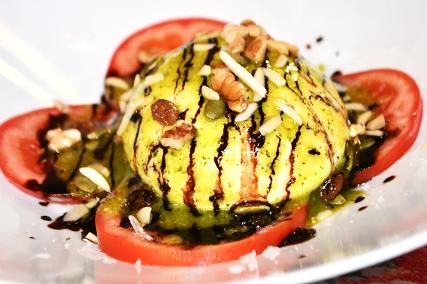
- enjoying Sunday lunch at Chiringuito Los Molinos, the highlight being Gayle's burrata salad
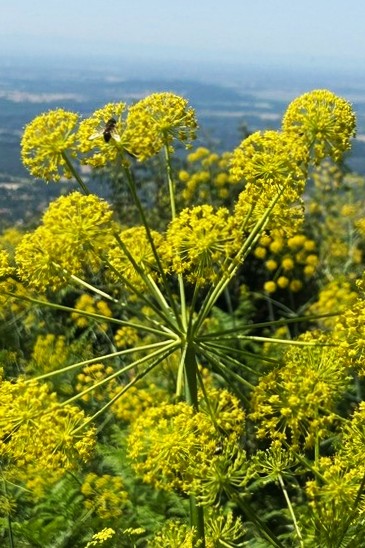
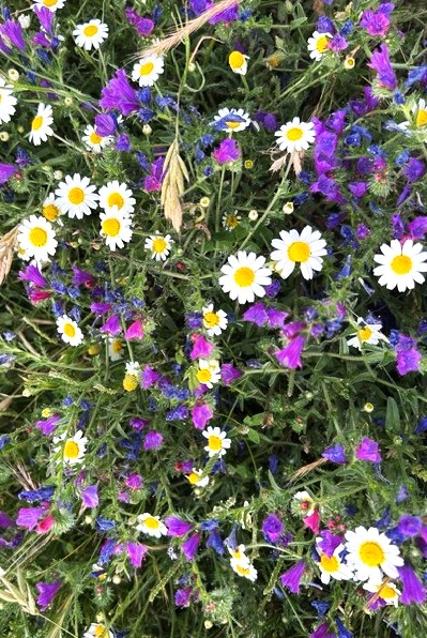
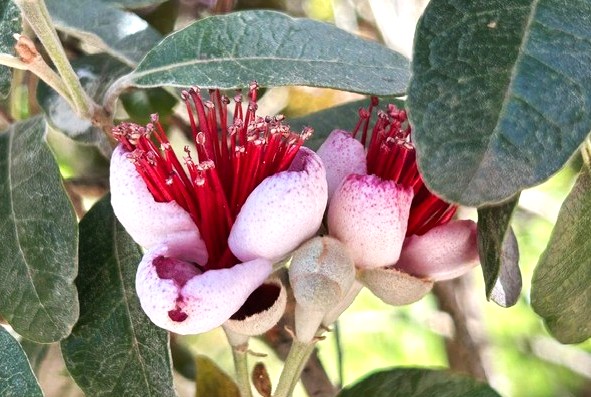
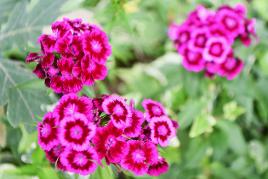
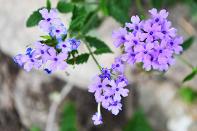
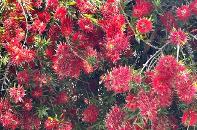
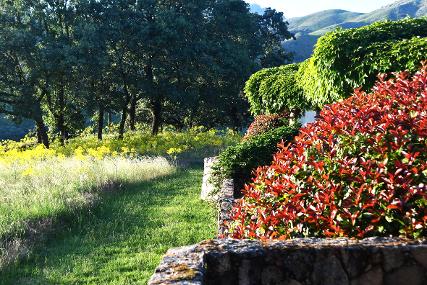
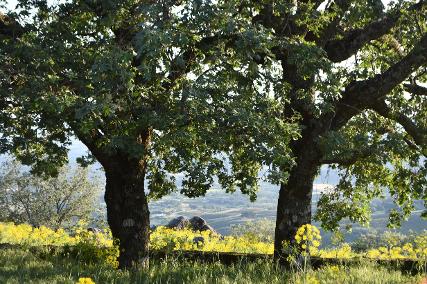
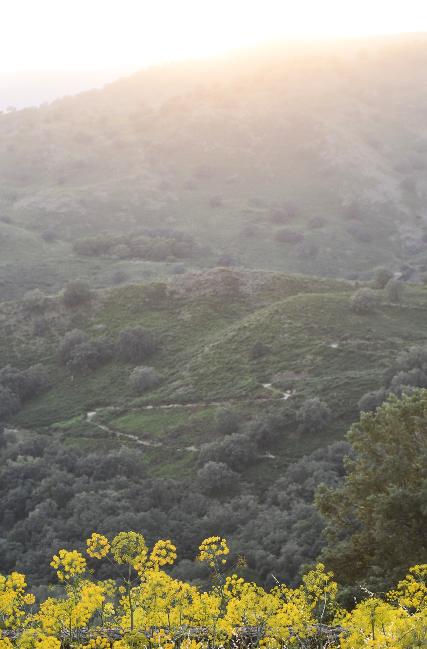
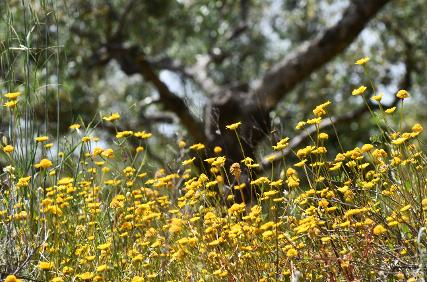
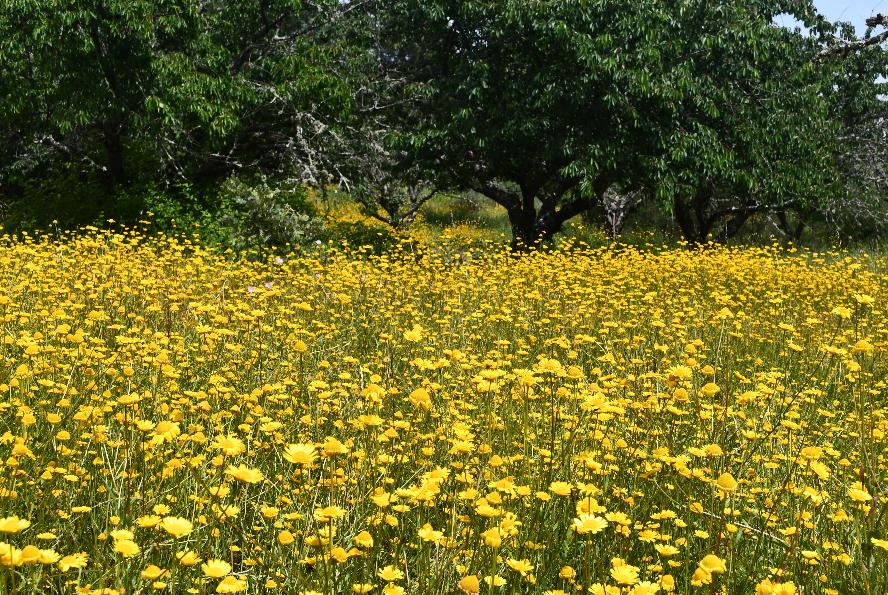
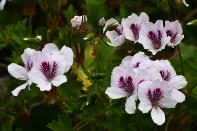
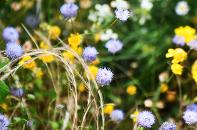
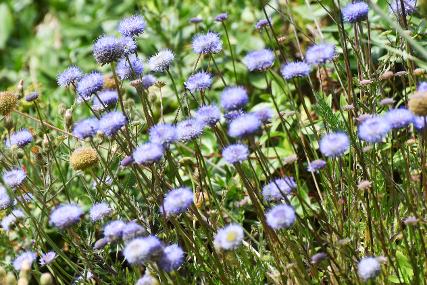
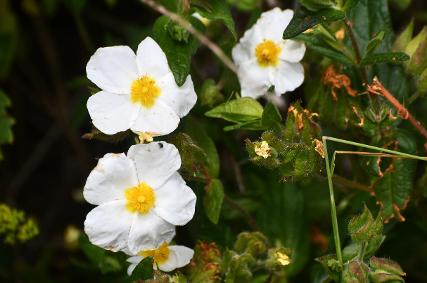
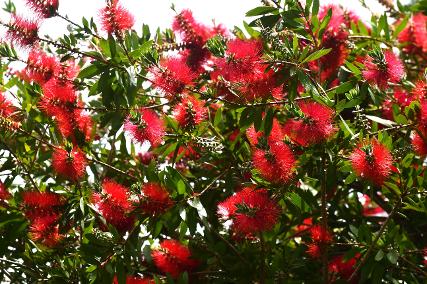
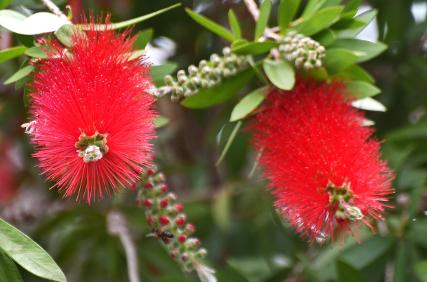
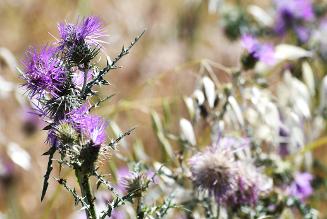
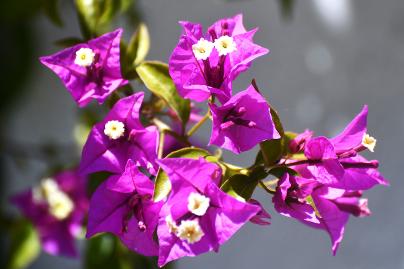
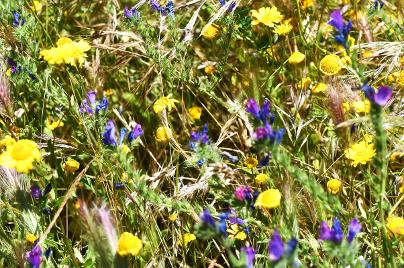
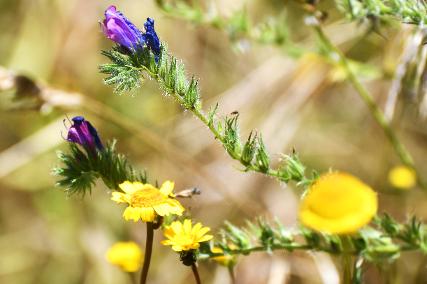
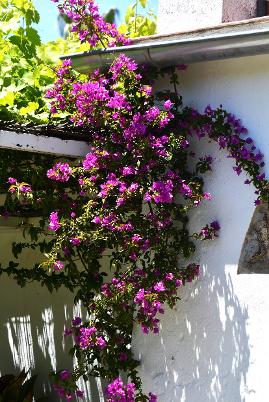
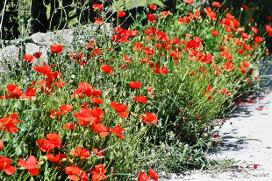
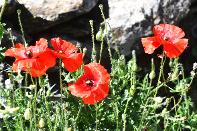
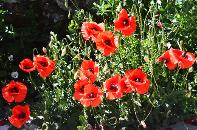
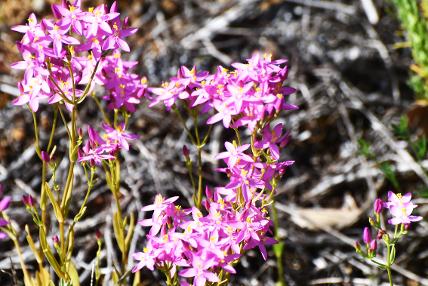
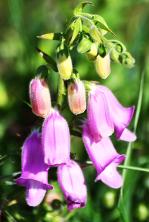
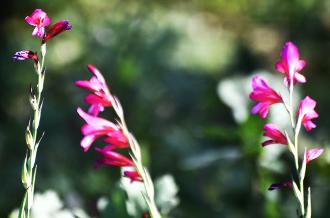
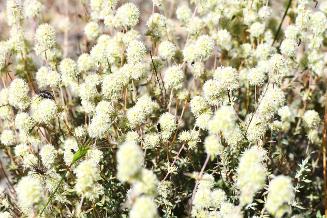
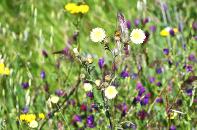
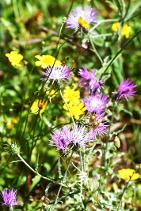
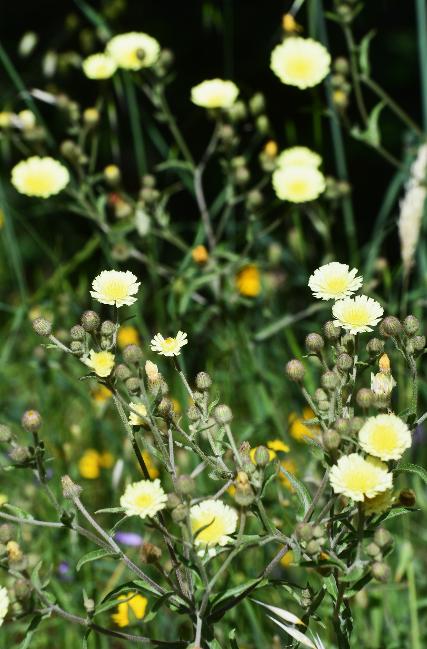
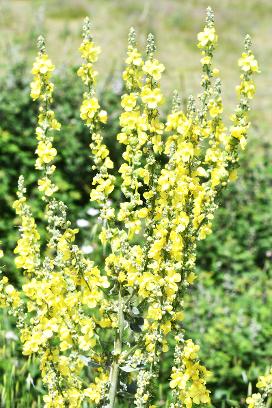
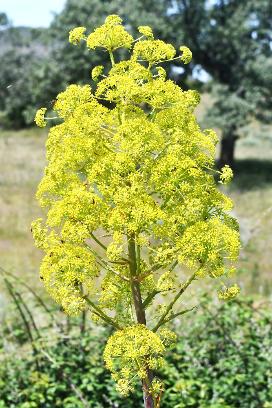
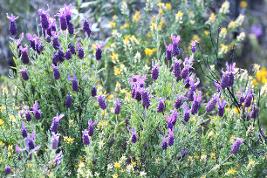
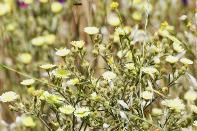
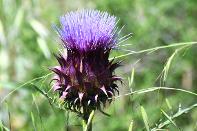
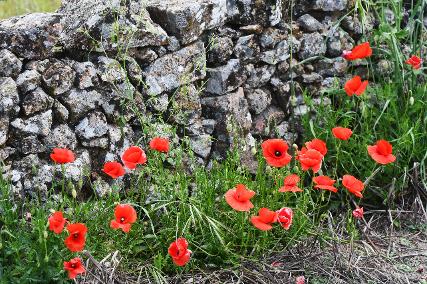
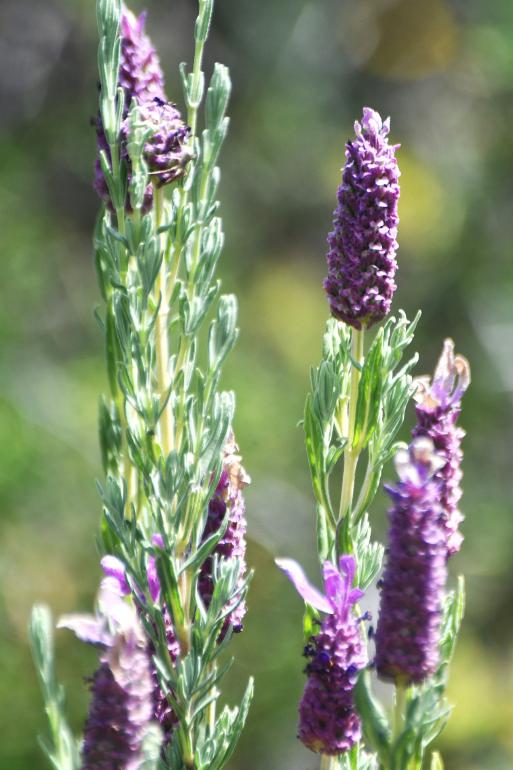
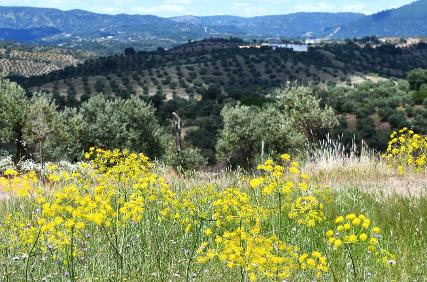
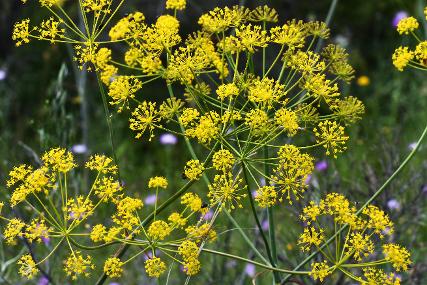
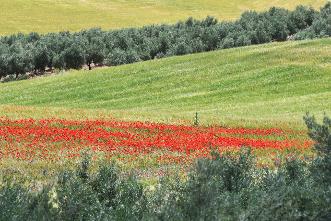
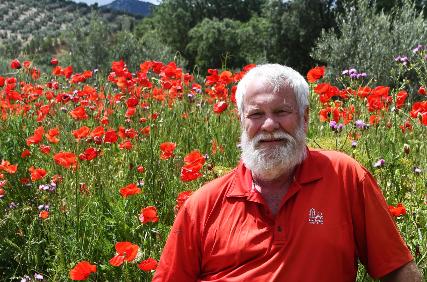
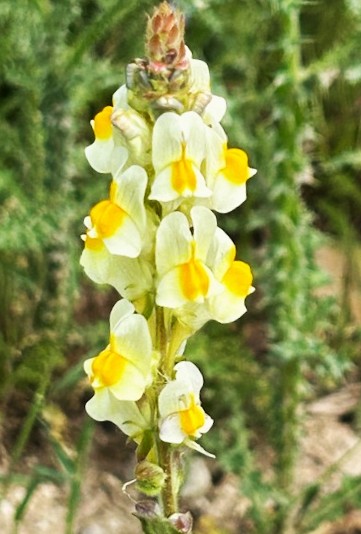
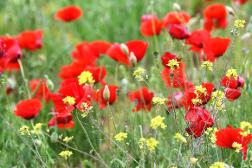
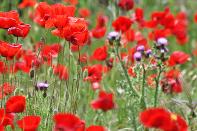
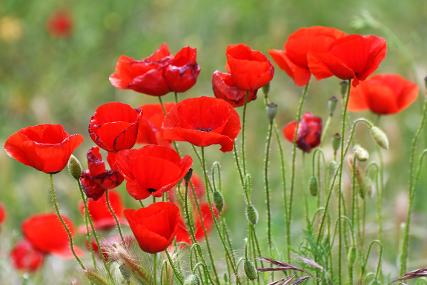
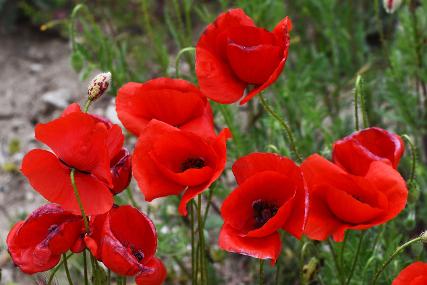
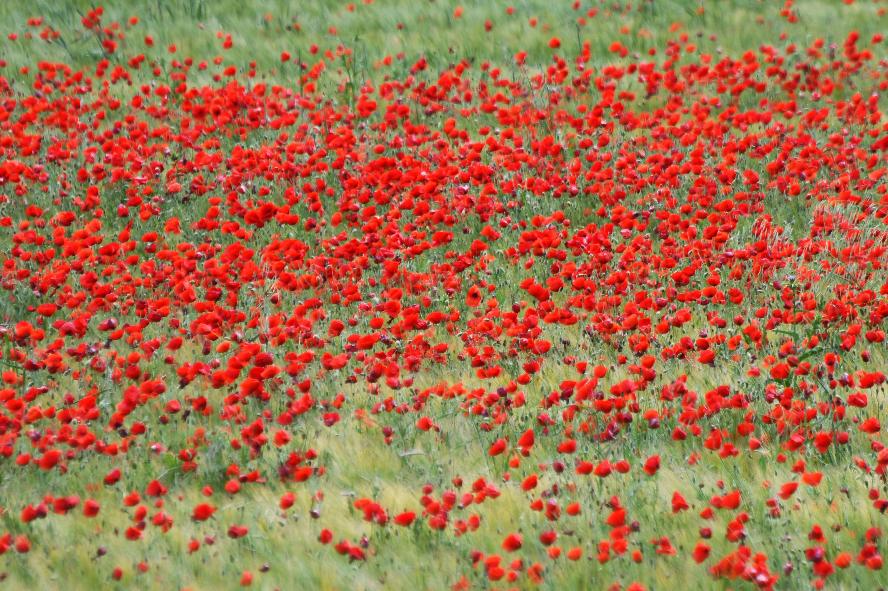
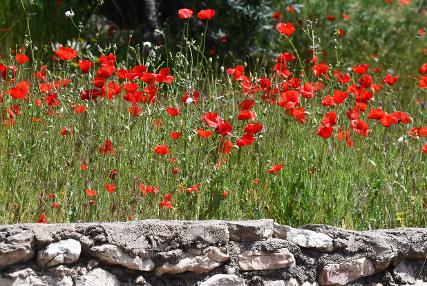
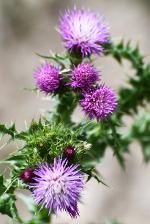
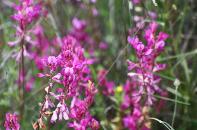
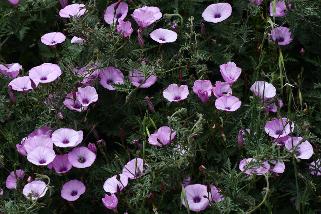
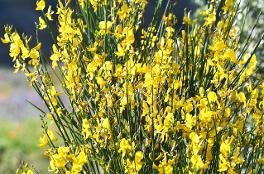
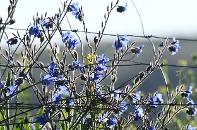
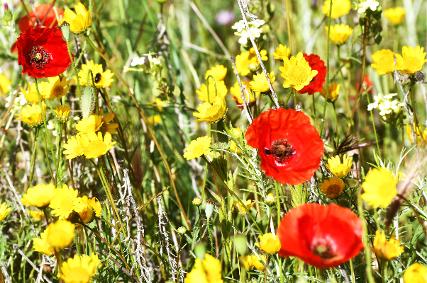
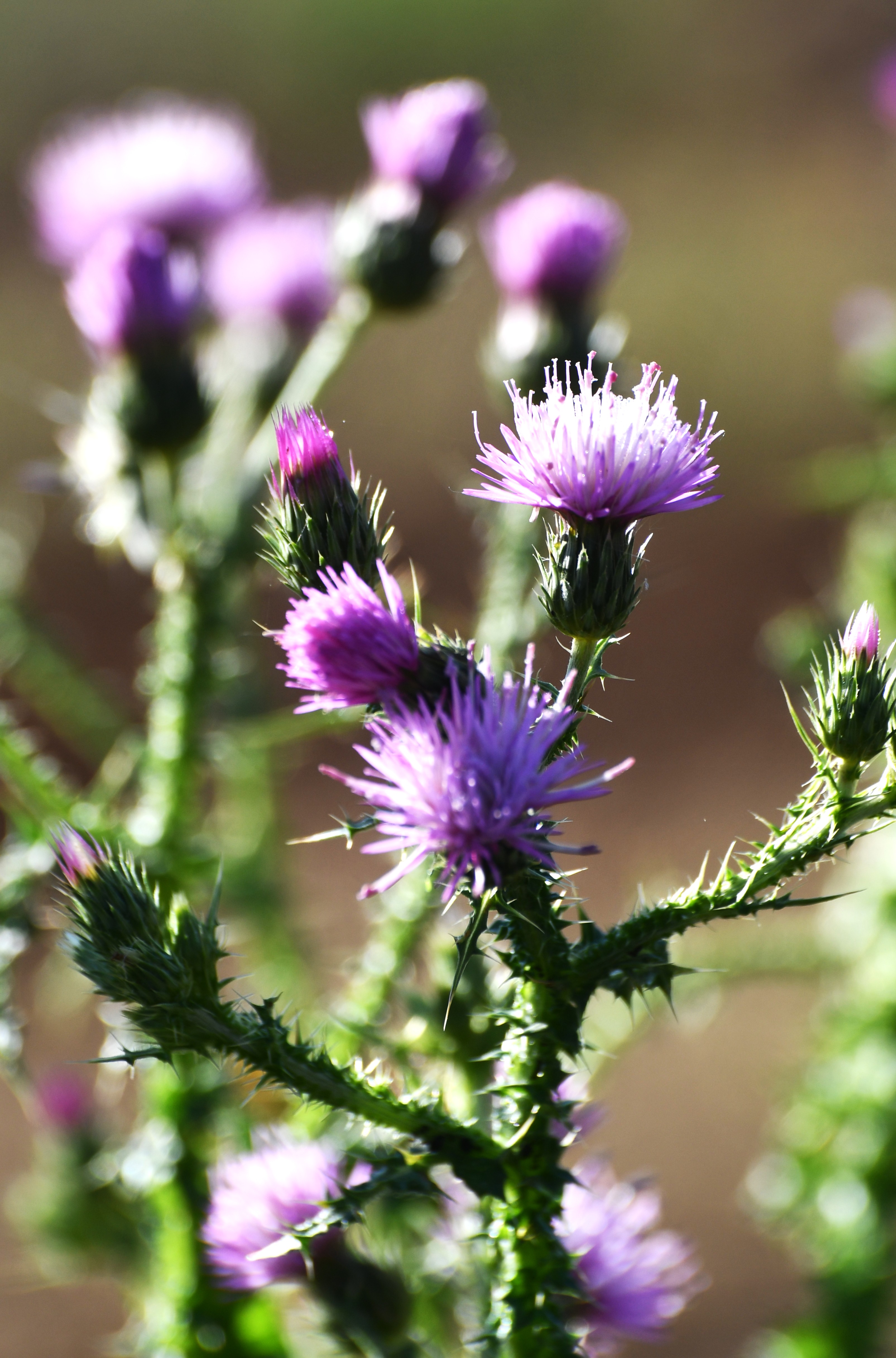
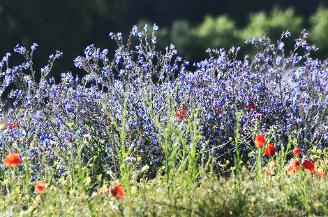
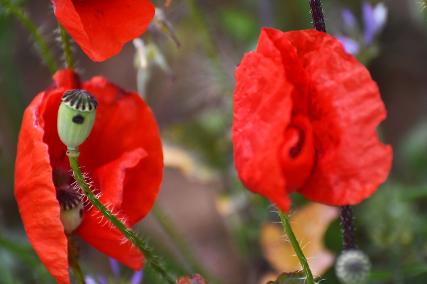
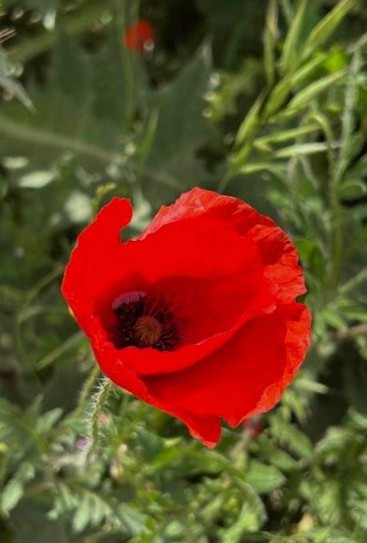
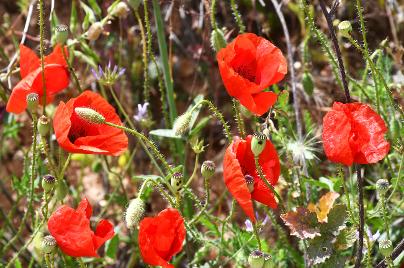
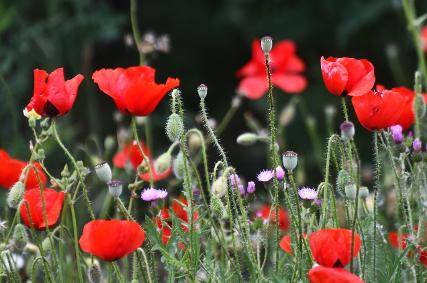
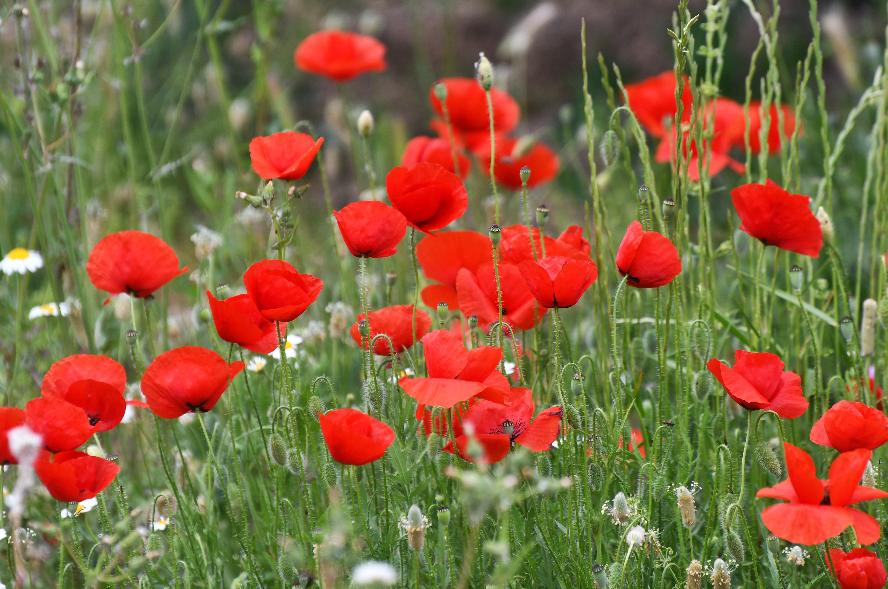
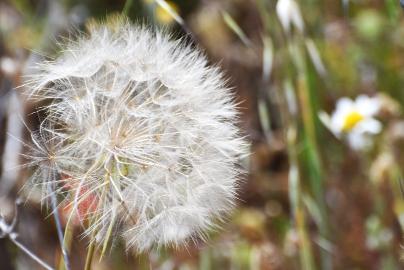
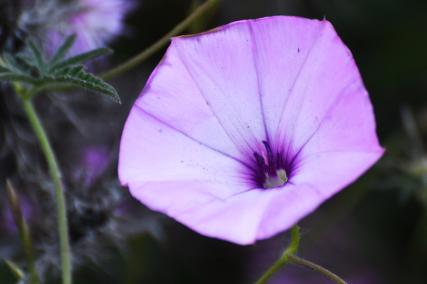
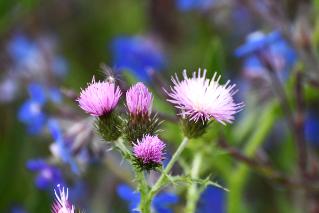
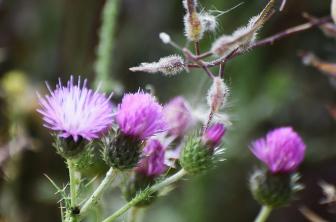
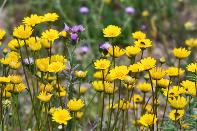
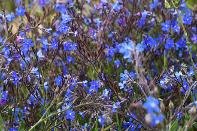
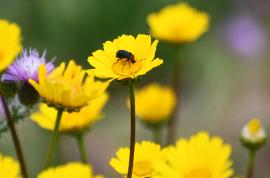
- the wildflowers
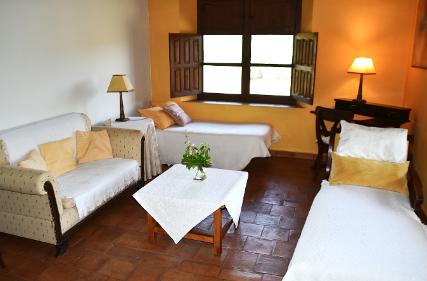
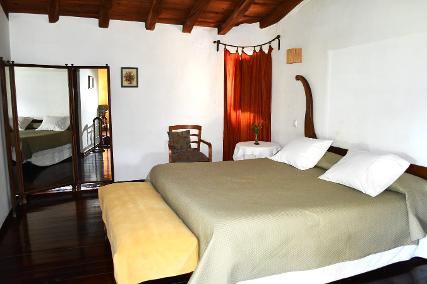
- all our choice of lodgings
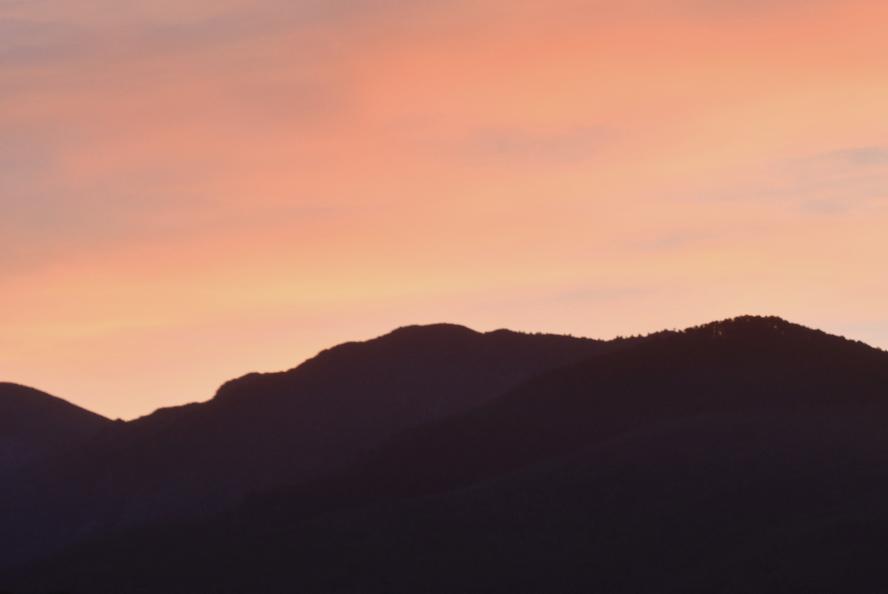
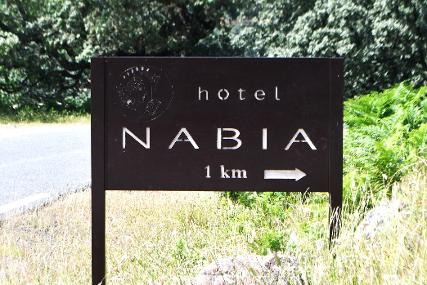
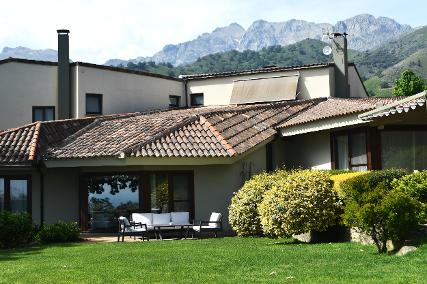
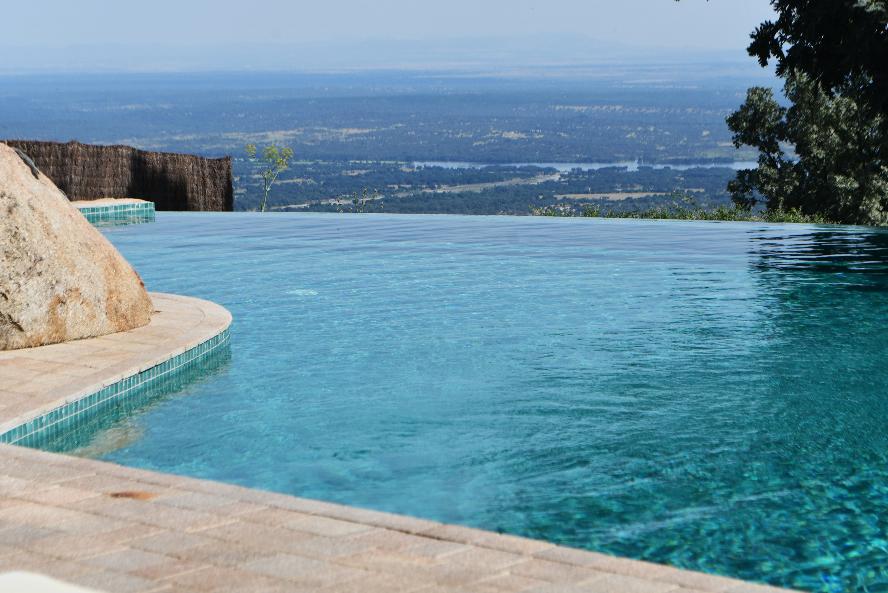
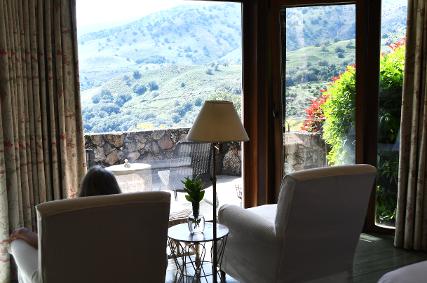
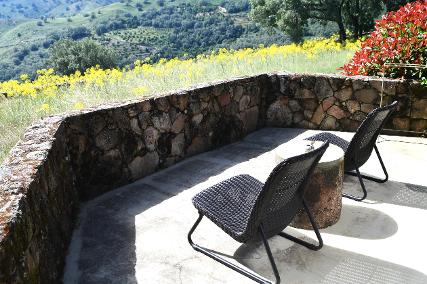
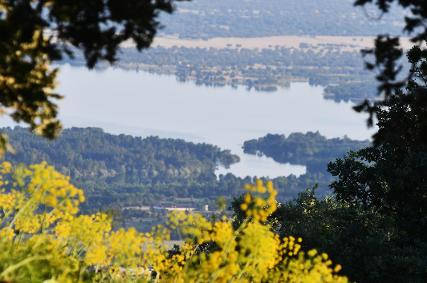
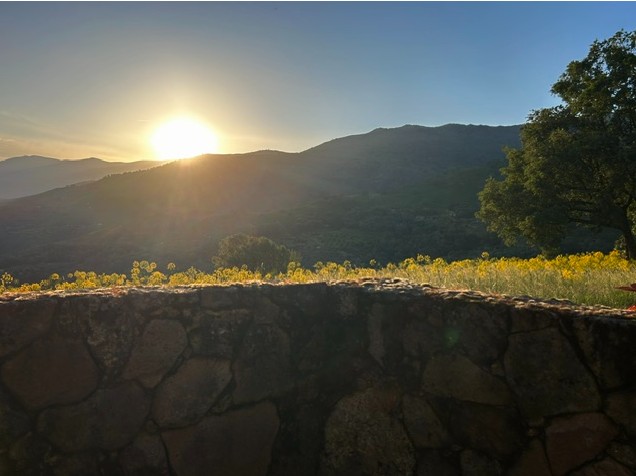
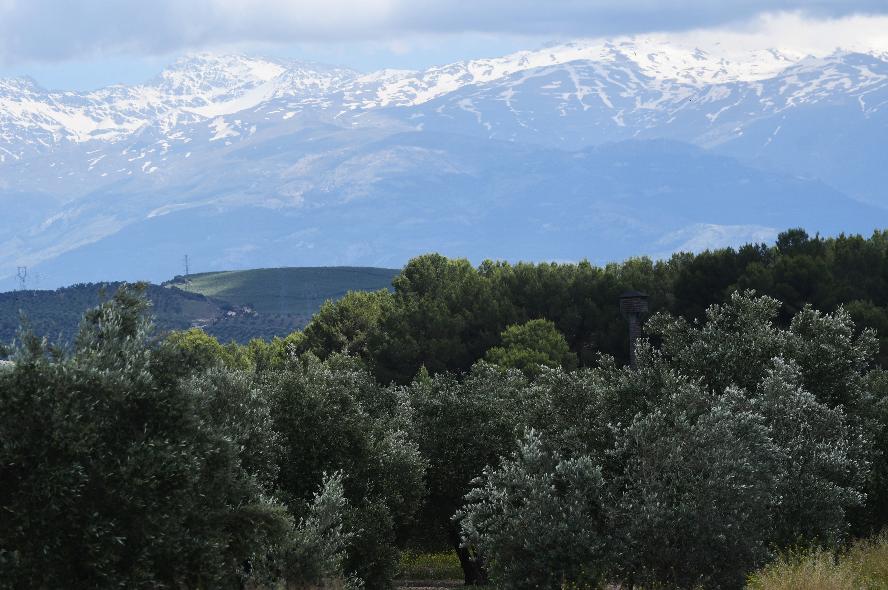
- the gorgeous views of the Sierra de Gredos from Hotel Nabia
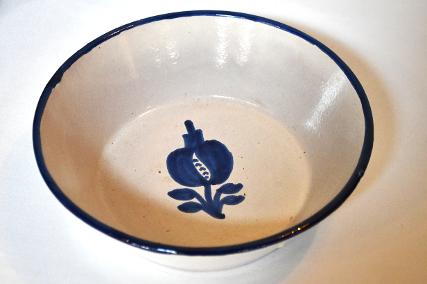
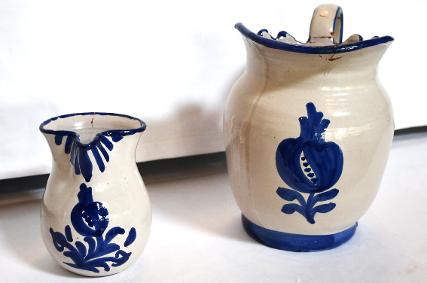
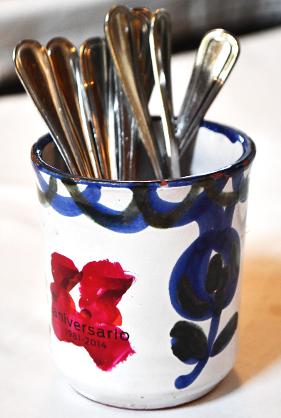
- the flamenco coffee mug at Hotel Nabia, since purchased
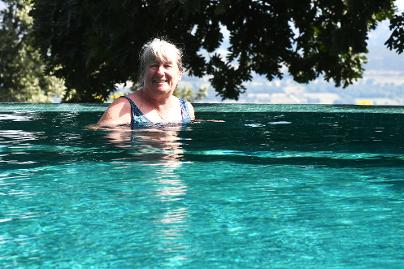
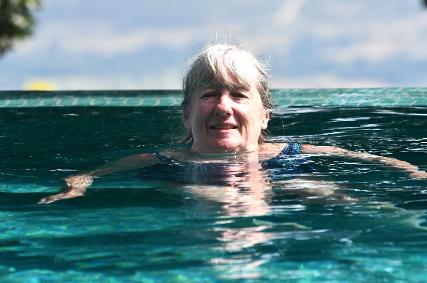
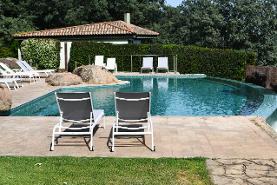
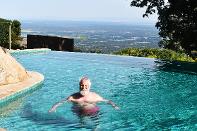
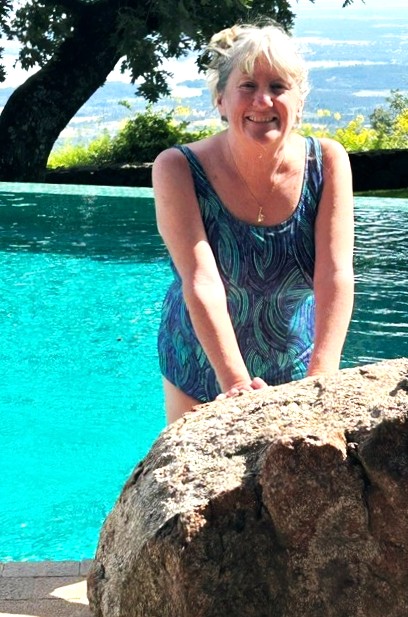
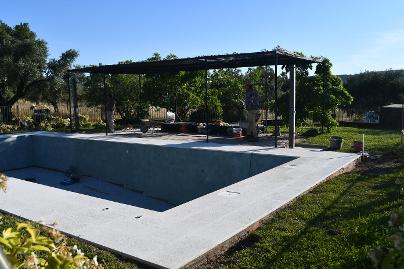
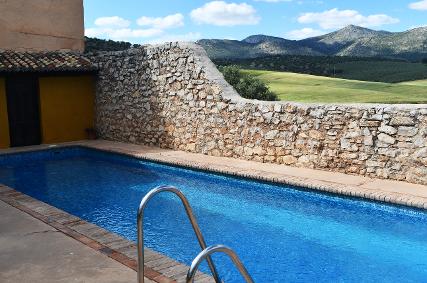
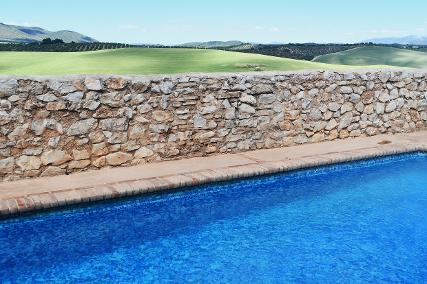
- using the beautiful infinity pool at Hotel Nabia
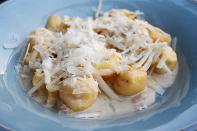
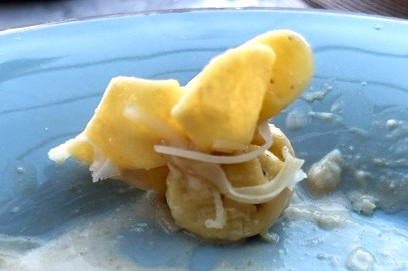
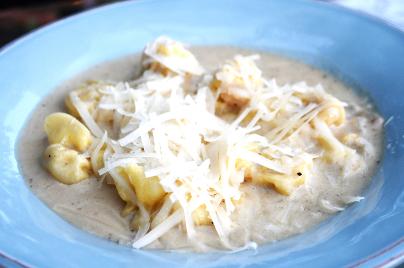
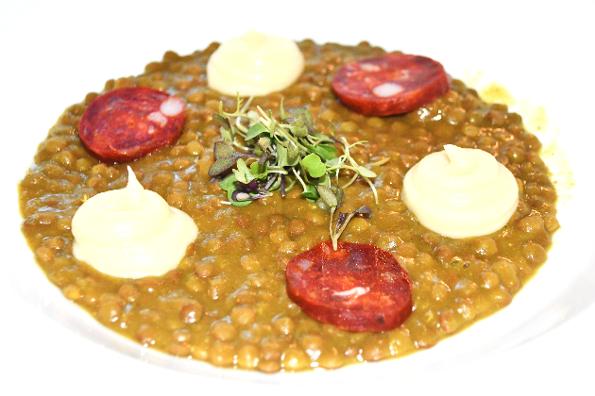
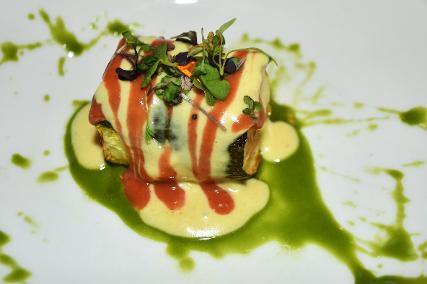
- the pasta 'purses' filled with Taleggio cheese and pear for dinner at Hotel Nabia; worthy of a re-order
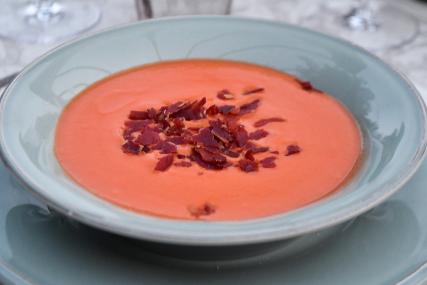
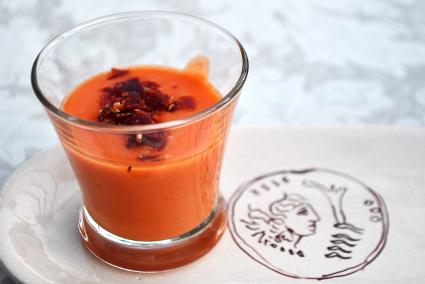
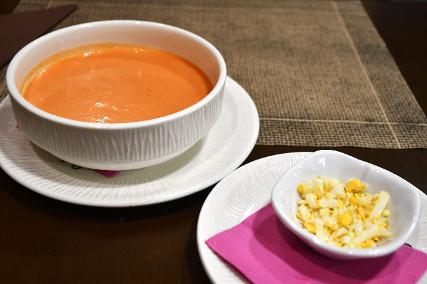
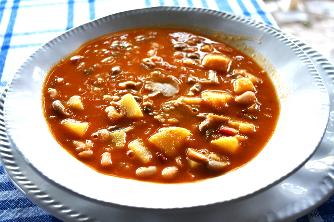
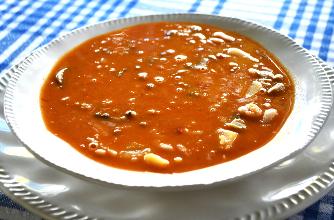
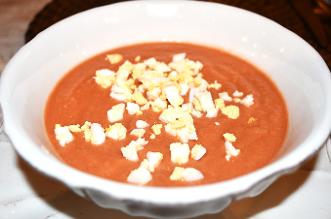
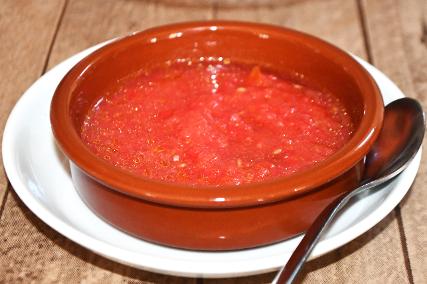
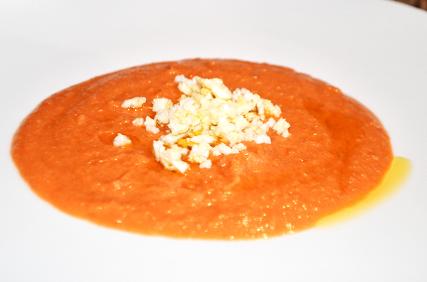
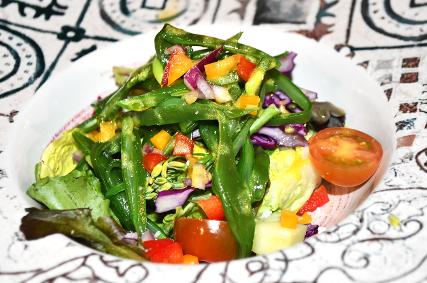
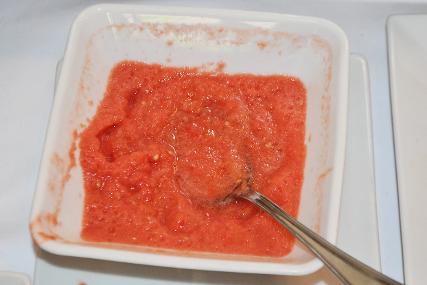
- Salmorejo soup, enjoyed on numerous occasions
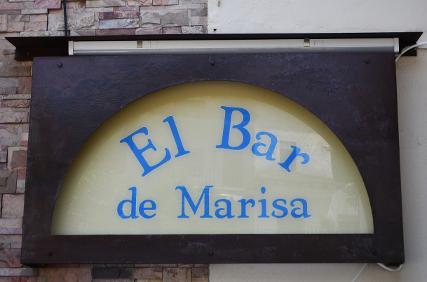
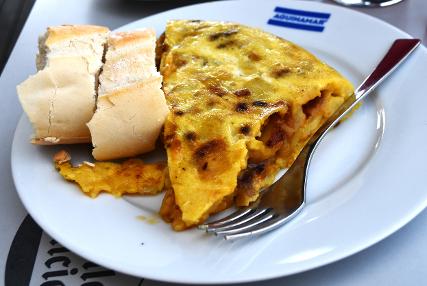
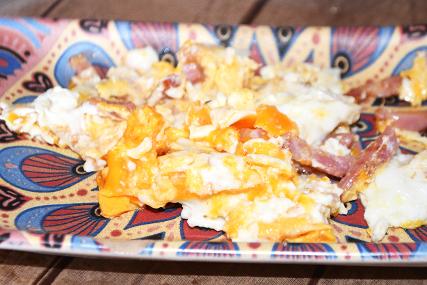
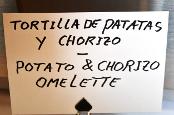
- the tasty Spanish tortilla at El Bar de Marisa
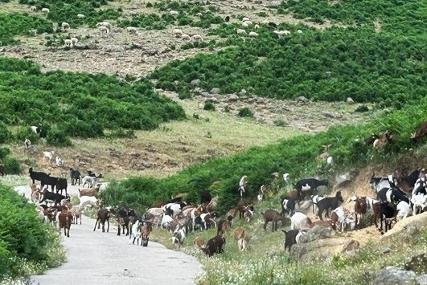
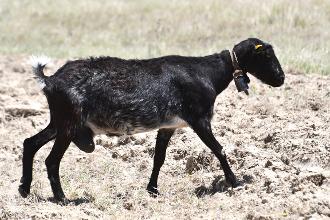
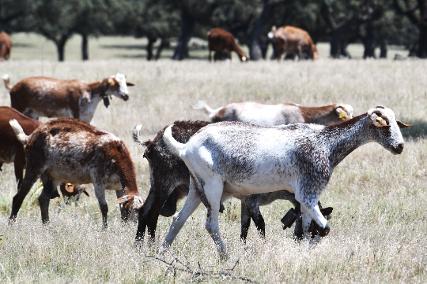
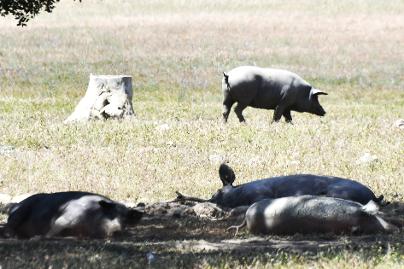
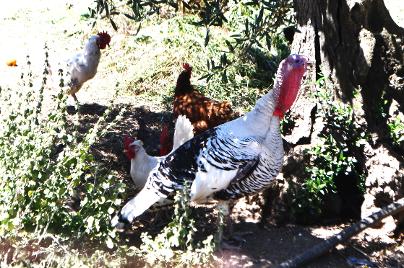
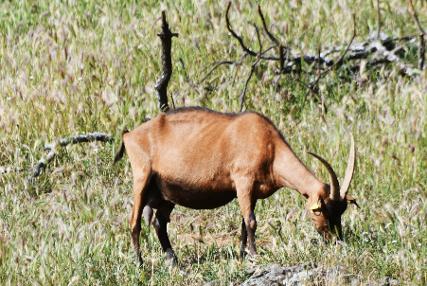
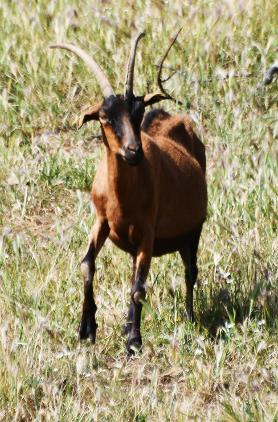
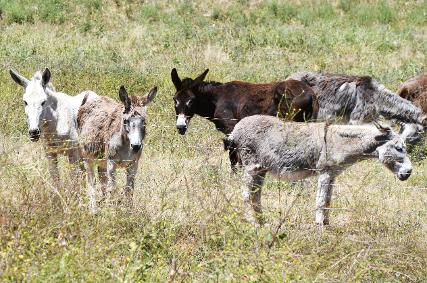
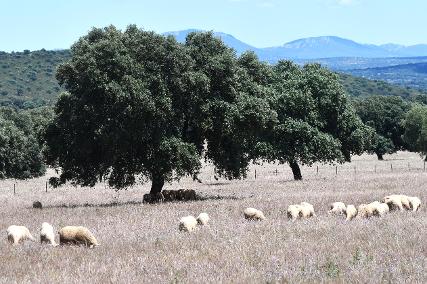
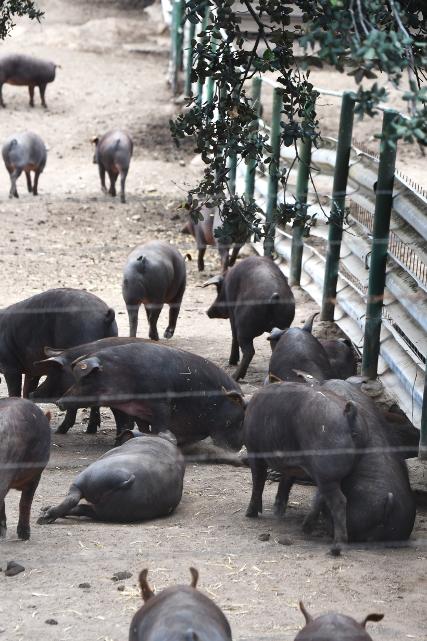
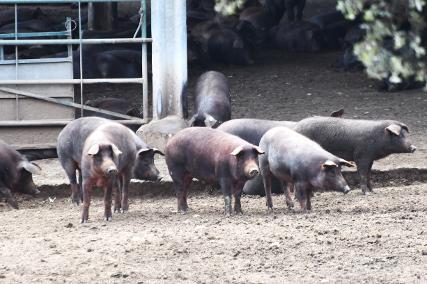
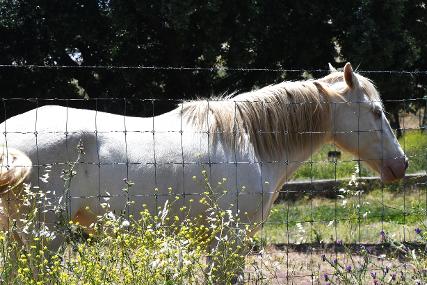
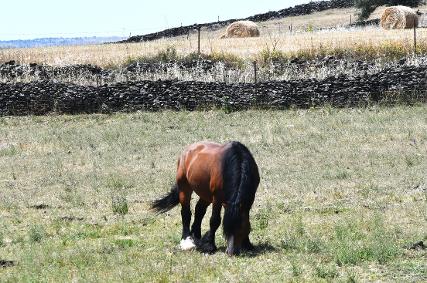
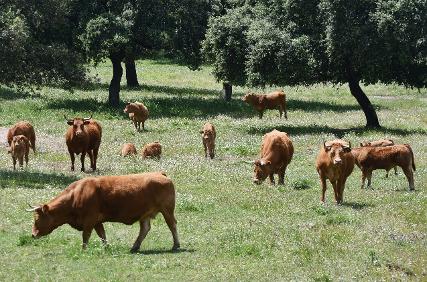
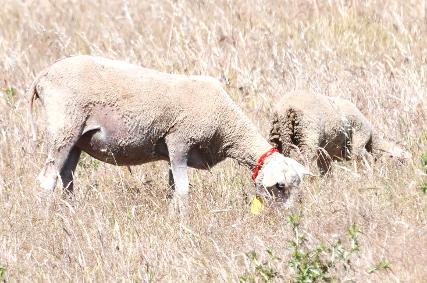
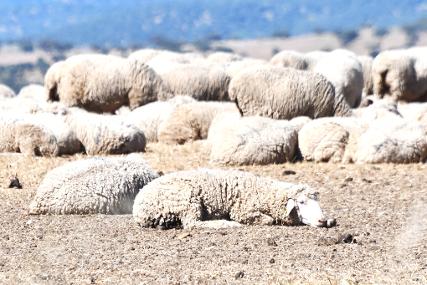
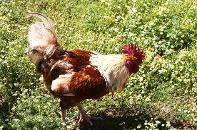
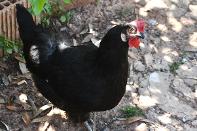
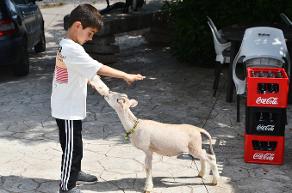
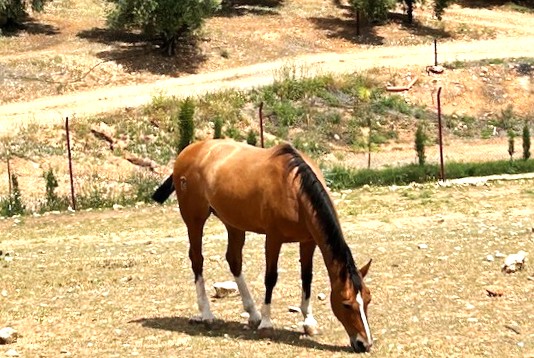
- all the adorable farm animals, including spring babies throughout the many dehesas we passed through
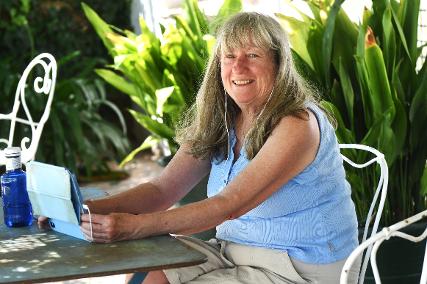
- chats with hosts, guests and other travelers

Expenses (based on average exchange rate 1 euro = $1.6121 Cdn):
Here are the costs of our 21 day trip:
$ 2,595 airfare to / from Spain; seat selection plus airfare Madrid to Granada
$ 5,769 lodging ($288 Cdn $ per night)
$ 2,481 food ($124 Cdn $ per day for dinner etc. including wine; breakfasts are included in lodging)
$ 1,421 vehicle ($1,187 or $59 per day for the vehicle; fuel of $234; and parking of $0)
$ 166 souvenirs
$ 86 miscellaneous, primarily tips
$12,518 for 20 days
The total cost excluding airfare and souvenirs (i.e. lodging, food, entrances, vehicle and miscellaneous) was $10,021 or $501 per day, driven by nicer / more expensive lodgings.
Following are the average costs of this and our six previous trips to Spain.
Total Lodging Food Vehicle
2017 $ 408 160 euros / $ 250 63 euros / $ 93 $ 28
2018 $ 380 146 euros / $ 229 60 euros / $ 93 $ 26
2019 $ 375 146 euros / $ 227 68 euros / $104 $ 22
2023 $ 420 178 euros / $ 263 79 euros / $115 $ 39
2024 $ 528 204 euros / $ 300 77 euros / $113 $ 89
2025 $ 411 148 euros / $ 232 64 euros / $101 $ 55
2026 $ 501 180 euros / $ 288 78 euros / $124 $ 71
Costs this trip were somewhat more than last year but still less (except for vehicle rental than 2024). All of our lodgings were again very wonderful with five of the six providing dinner. Our food costs - essentially dinner with wine - continue to be in the same ballpark as previous yers. Otherwise costs have been consistent over the years, increasing more or less with inflation. Vehicle costs have continued to increase although the spike in 2024 included our taxi from Toledo to Madrid.
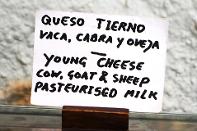
Our lodging ranged from a low of 145 euros to a high of 205 euros (although generally both less and more expensive rooms were avialable) . All included very good breakfasts.
Here is where we stayed, the amount we paid (in euros) and links to their websites.
200 euros Cortijo del Marques Albolote www.cortijodelmarques.com
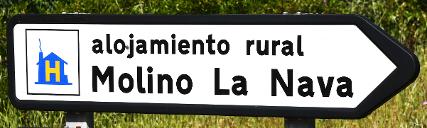
163 euros Molino La Navaul Montoro www.molinonava.com
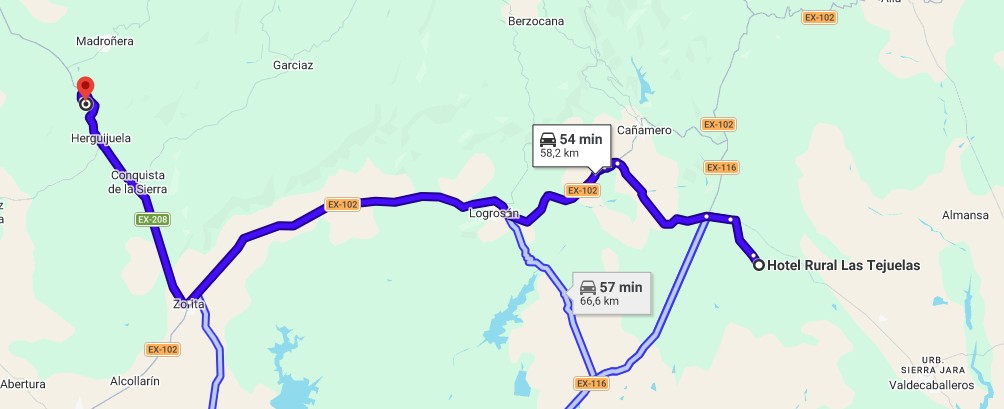
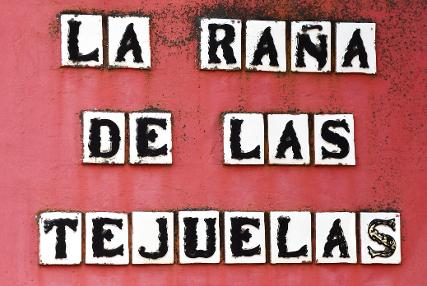
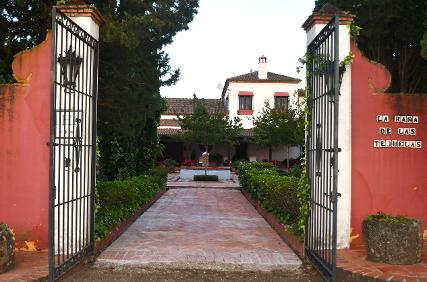
162 euros Hotel Rural Las Tejuelas Valdecaballeros www.lastuejlas.com
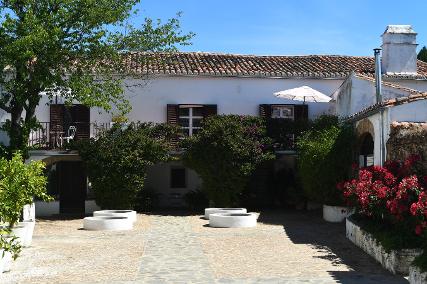
180 euros Finca del Ajahar Trujillo www.fincalelazahar.com
145 euros Finca El Cabezo San Martin de Trevejo www.fincaelcabezo.com
205 euros Hotel Nabia Candeleda www.hotelnabia.com
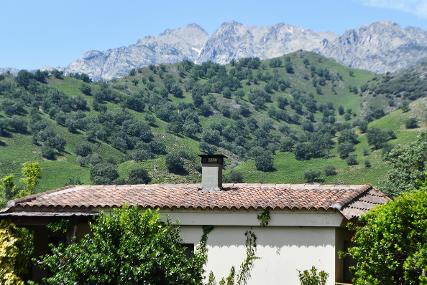
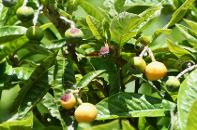
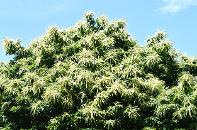
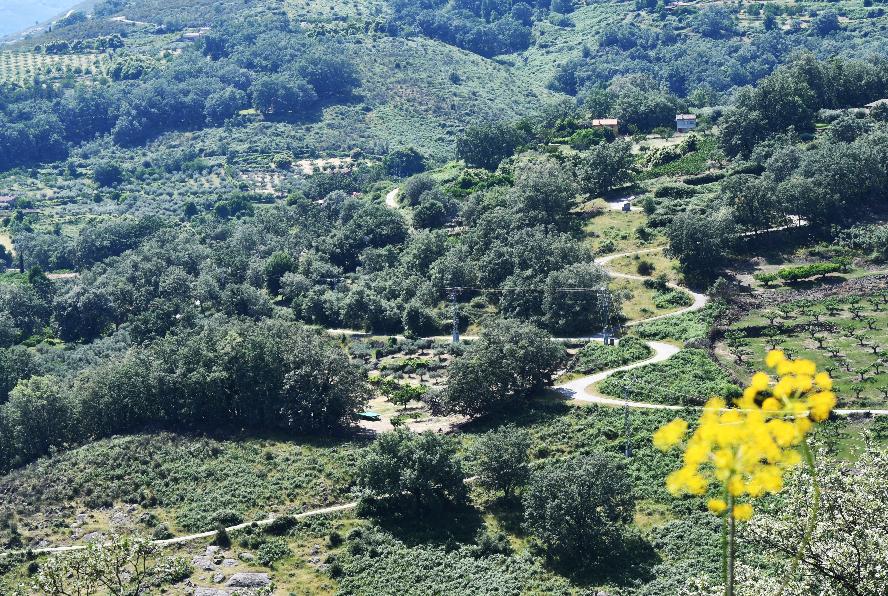
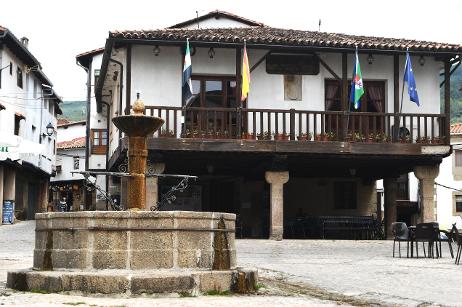
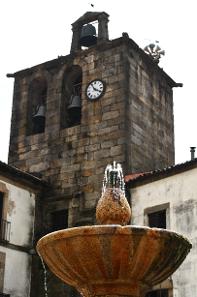
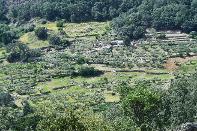
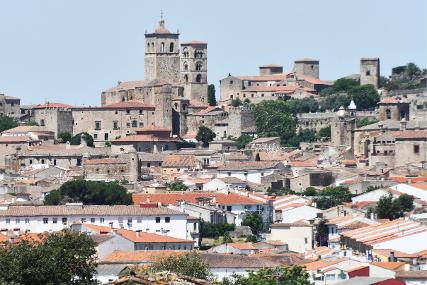
Despite the small size of its territory, the hamlet prospered, its population grew, and in 1658 it obtained its own town charter from Philip IV. The town is nestled between the hillside, covered with pine and oak forests, and the pastureland of the valley, all dotted with vineyards, olive groves, and orchards.

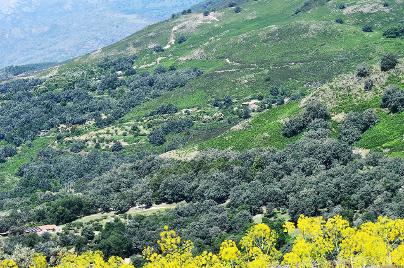
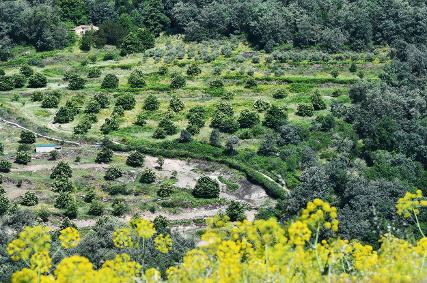
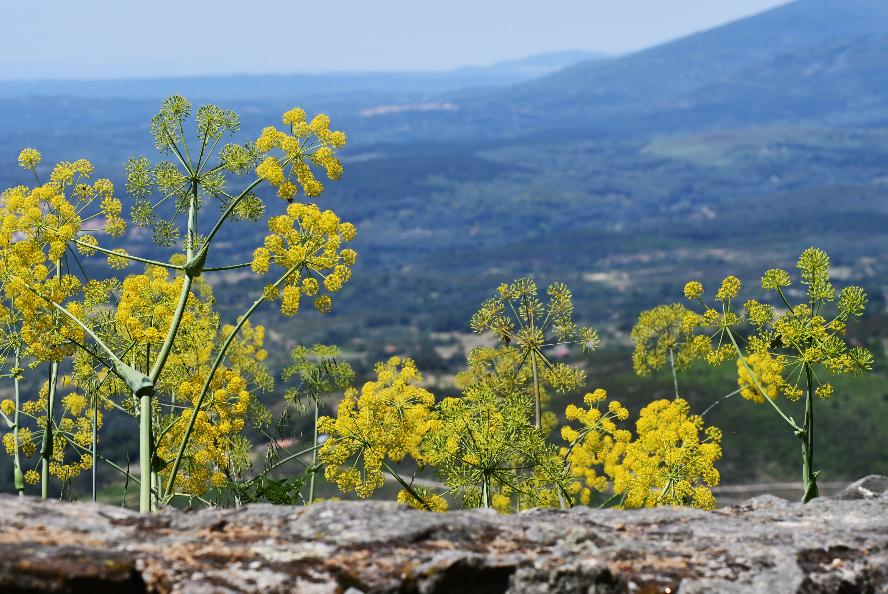
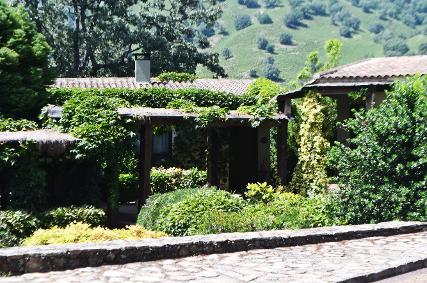
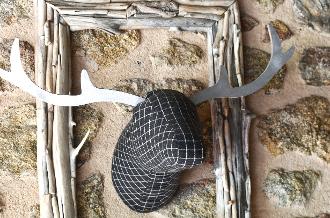
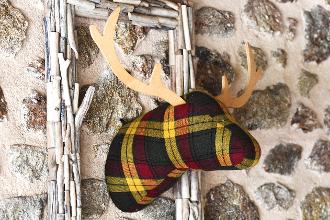
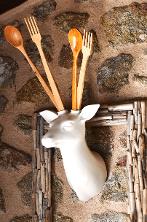
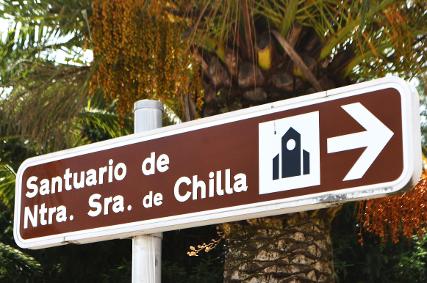
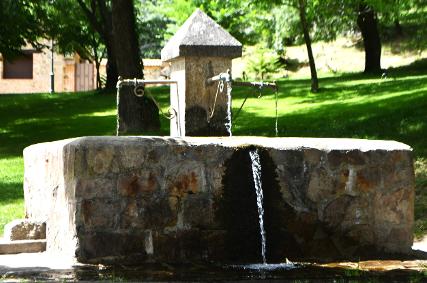

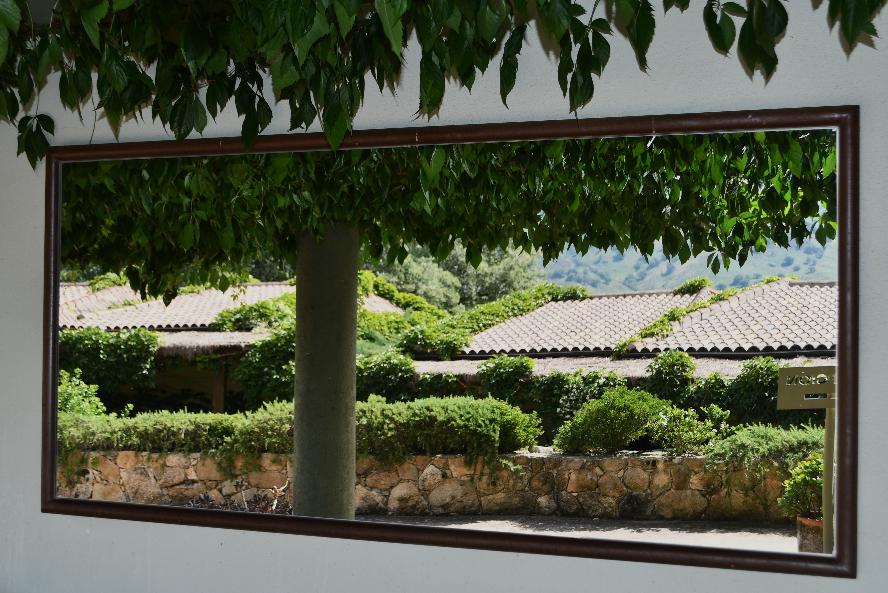
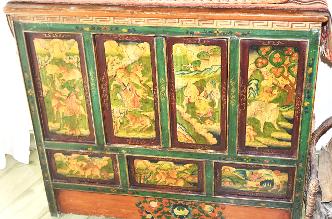




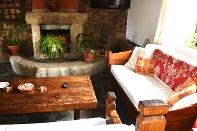
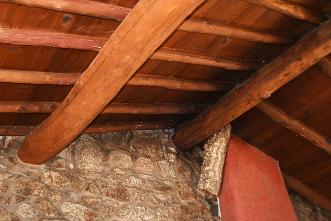
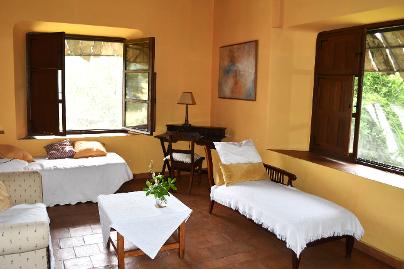
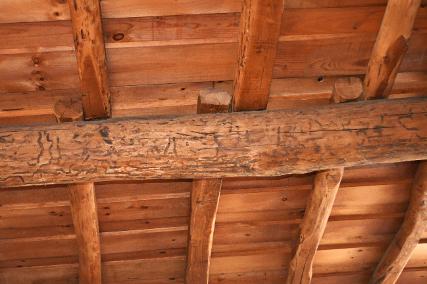
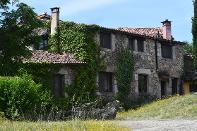
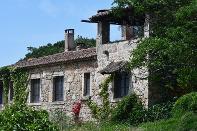
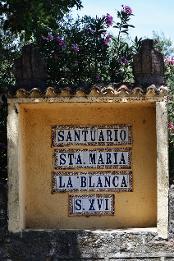
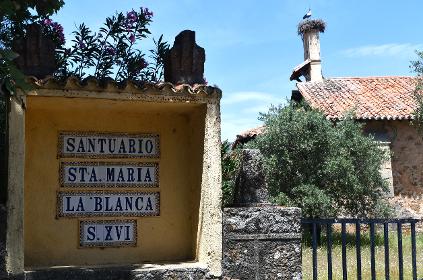
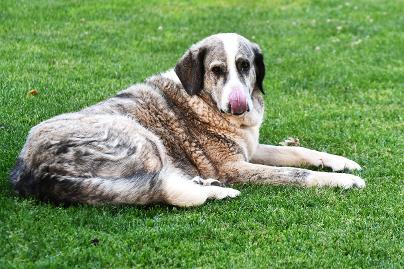
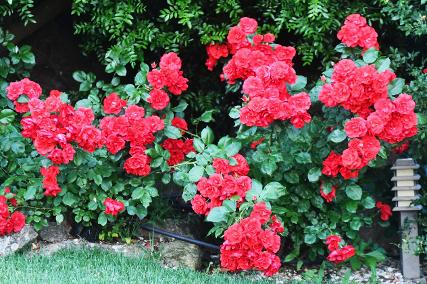
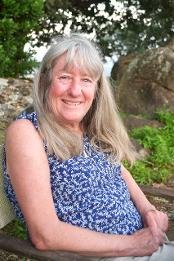
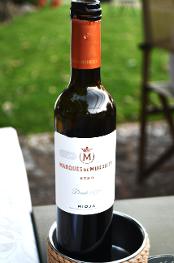

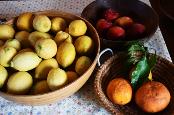
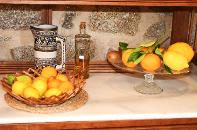
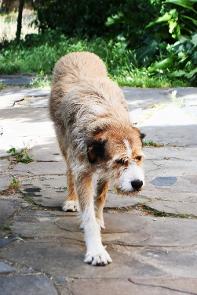
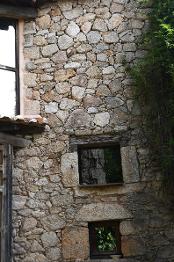
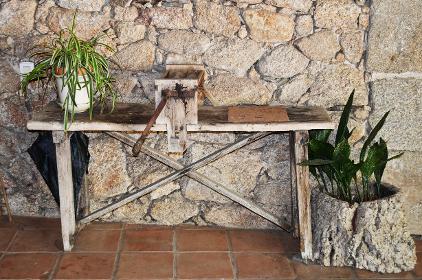
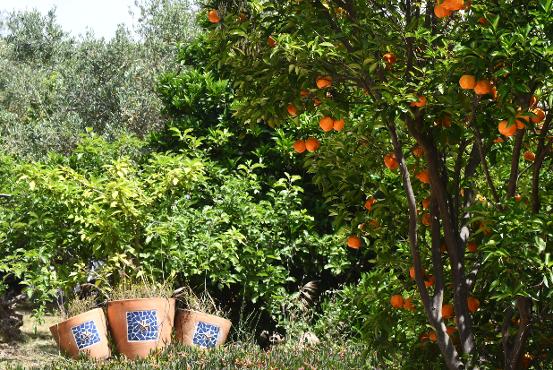
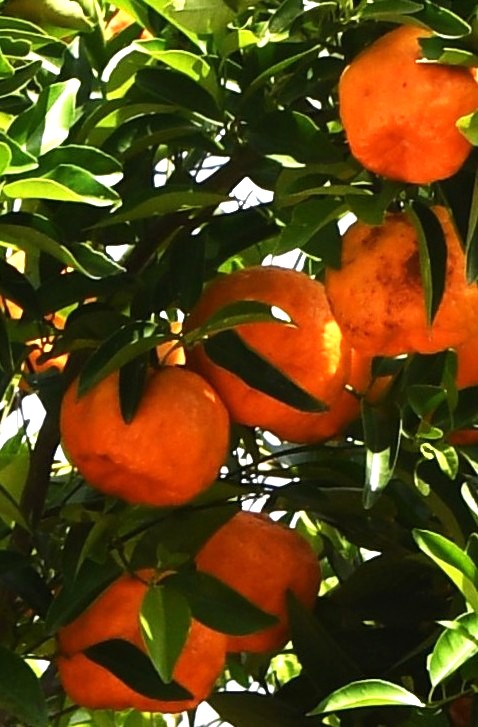
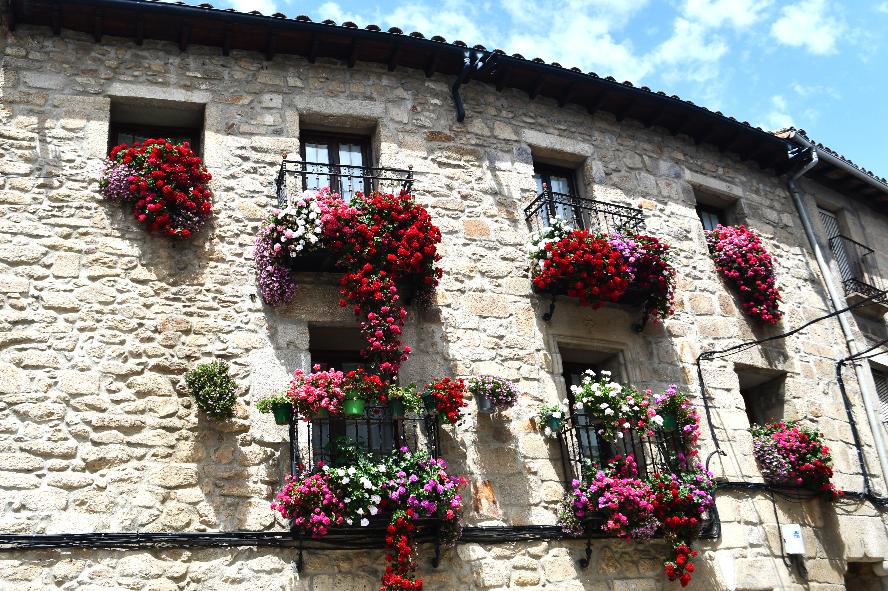
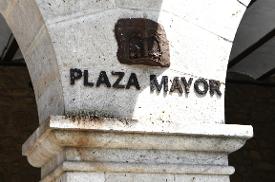
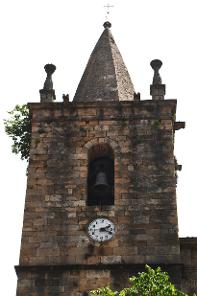
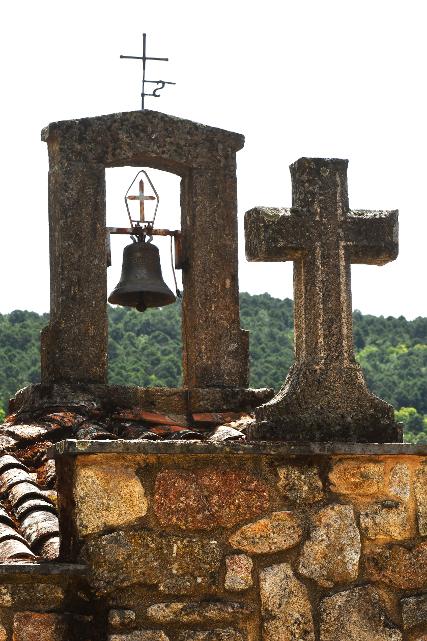
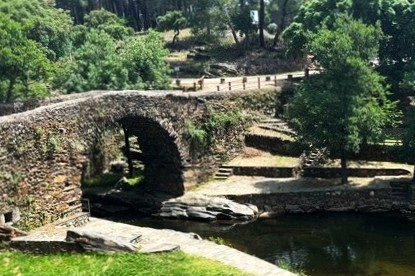

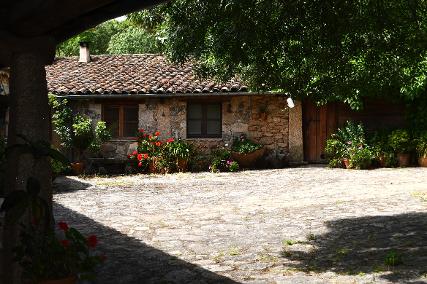
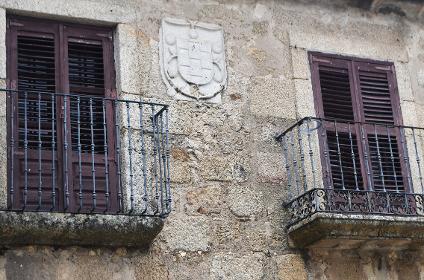
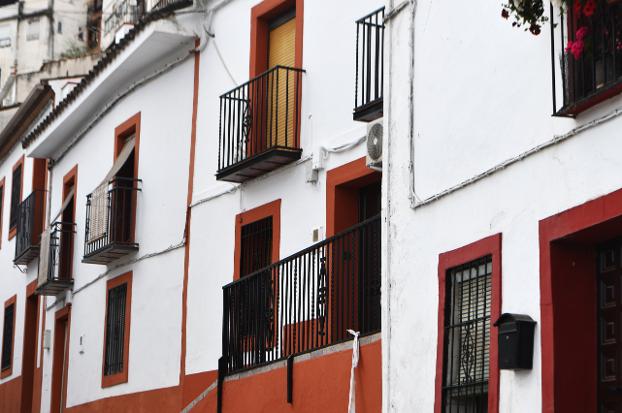
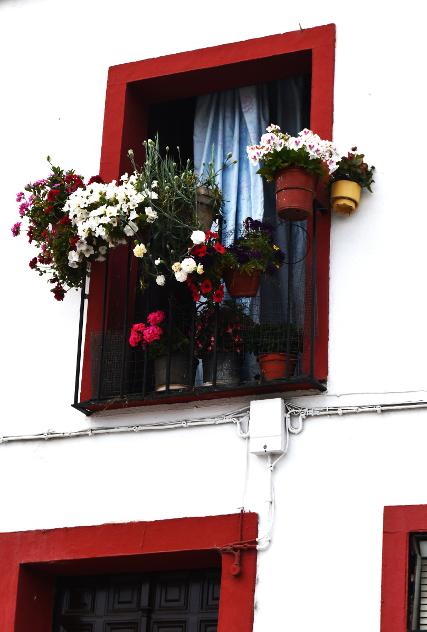
The town has many charming streets, with their cobblestones, plants lining the doorways, and facades characteristic of this type of building, projecting out onto the street on sturdy wooden beams. Some of these beams, known as 'tozones,' feature carved figures.
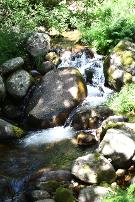
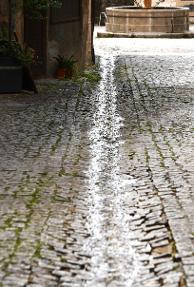
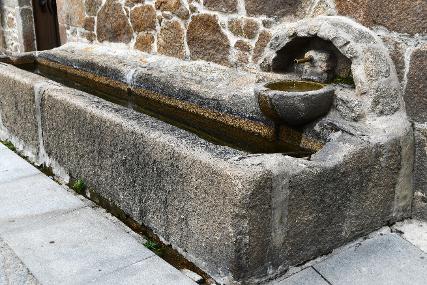
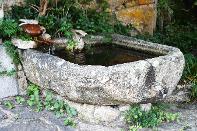
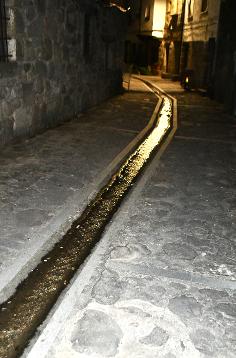
However, what most attracts the attention of many visitors are the streams that run through its streets, a unique feature of San Martín de Trevejo. These streams, known as arroyos or arroyus, are purpose-built channels that run through numerous streets of the town to carry water flowing down from the mountains. The purpose of this unique feature is to irrigate the vegetable gardens surrounding the village and the farmyards located behind many houses. Residents themselves can divert the flow of the streams so that the water reaches their own gardens.
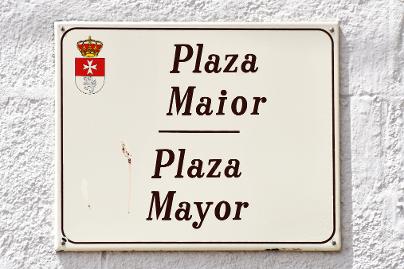
Street names can be in a language that is not Spanish. Nor is it Portuguese! It's Fala, a minority languarge spoken only in three villages in the Sierra de Gata mountains: Eljas, San Martín de Trevejo, and Valverde del Fresno. It's passed down from generation to generation. Furthermore, each of these three villages has its own dialectal variant, with the one in San Martín called Mañegu.
San Martin was recognized as one of Spain's most beautiful and unique towns by being inducted into the Los Pueblos Mas Bonitos de Espana (The Most Beautiful Towns in Spain) network in 2019.
_______________


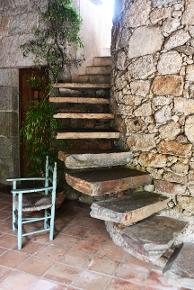
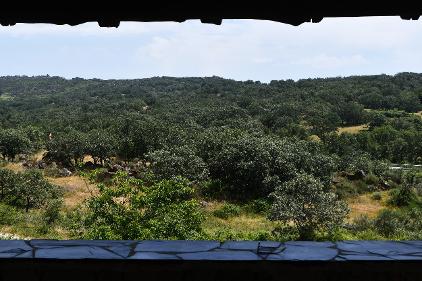
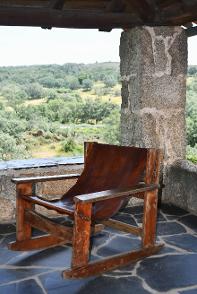
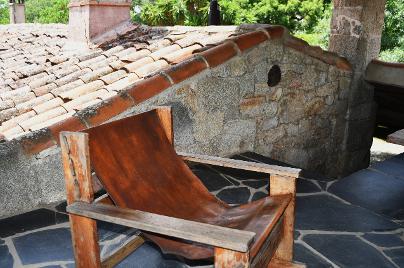

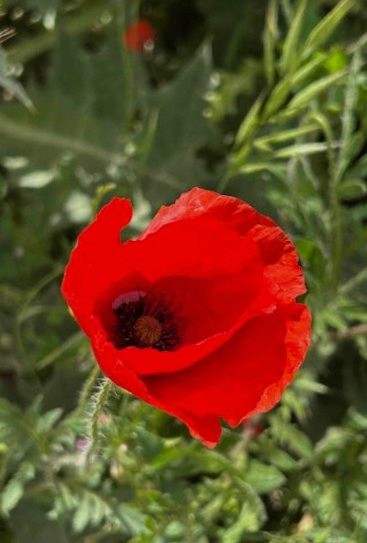
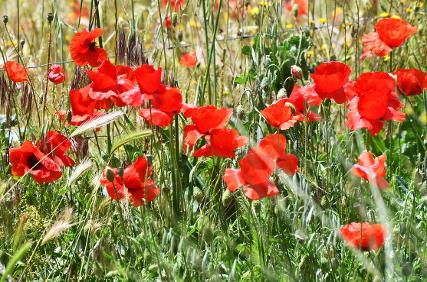
One last poppy on the roadside as we drove out.
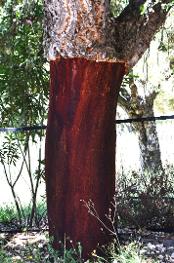
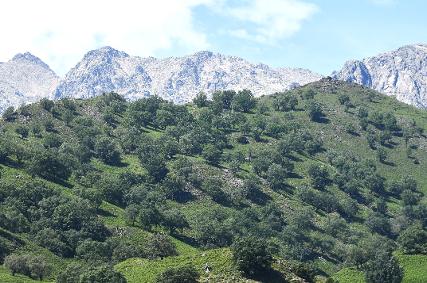
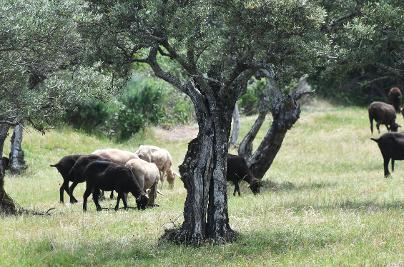
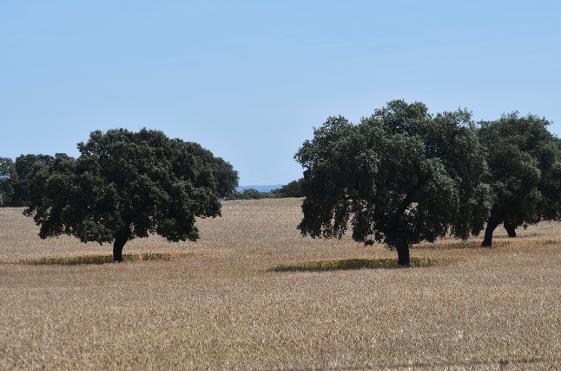
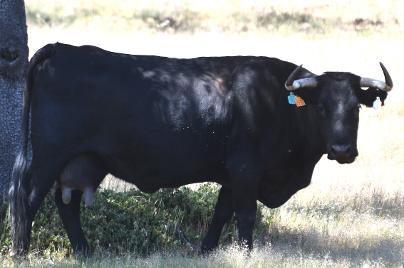
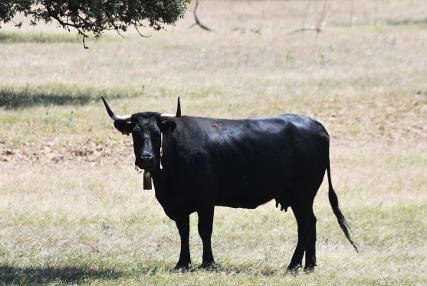
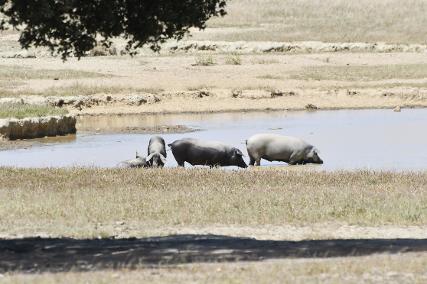
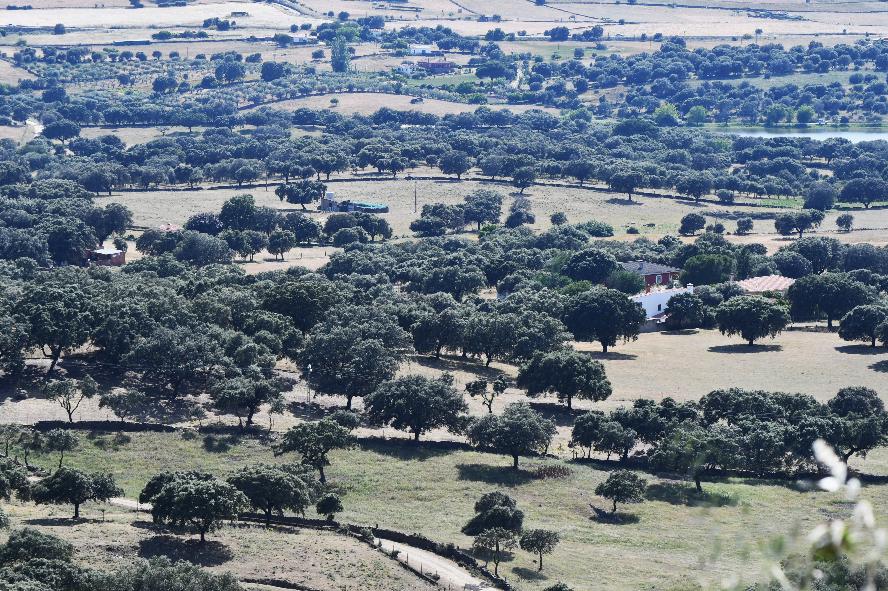
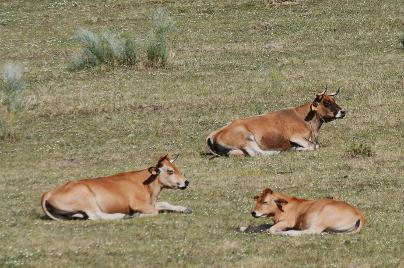
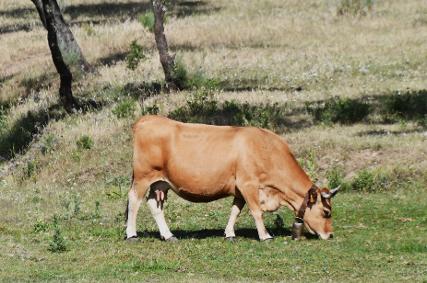
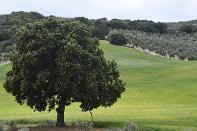
Much of our drive today was through a dehesa - a traditional agroforestry and grazing landscape that harmoniously blends sparse, carefully pruned evergreen oaks (like holm and cork oaks) with vast, grassy pastures.
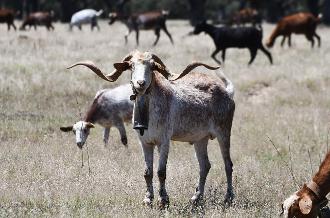
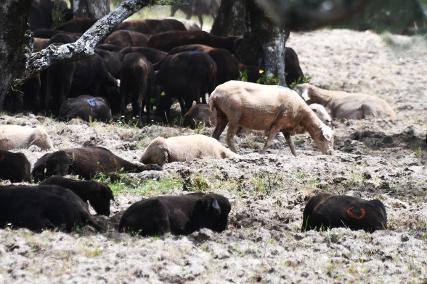
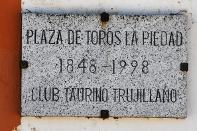
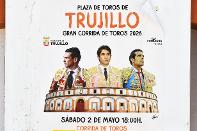
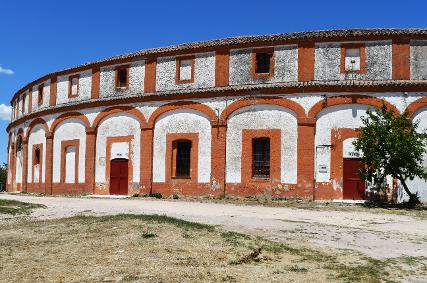
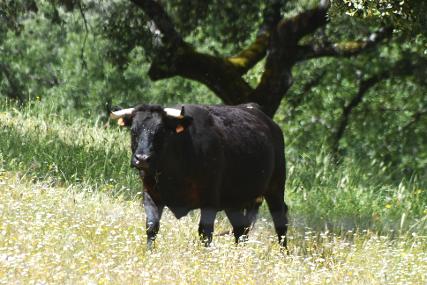
And Spanish bulls.
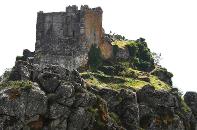
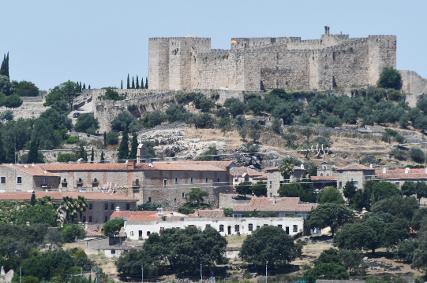
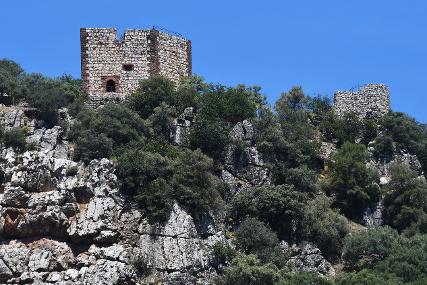
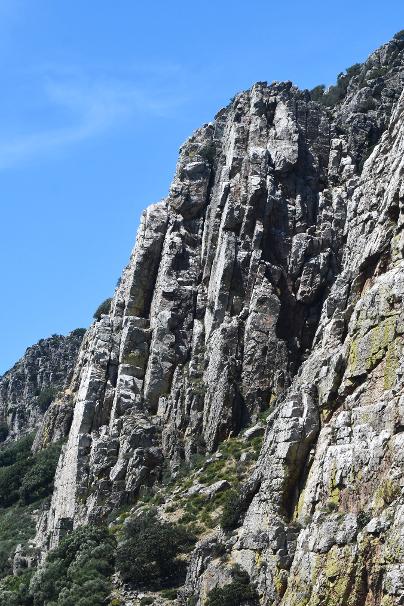
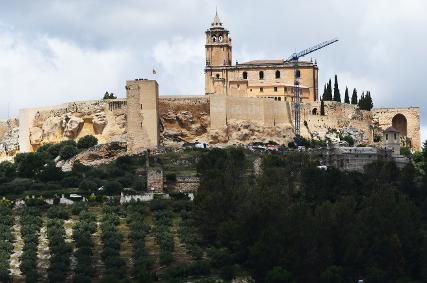
The ruins are perched on a quartzite ridge, with fortifications originally established by various ancient peoples and later developed through the Middle Ages.
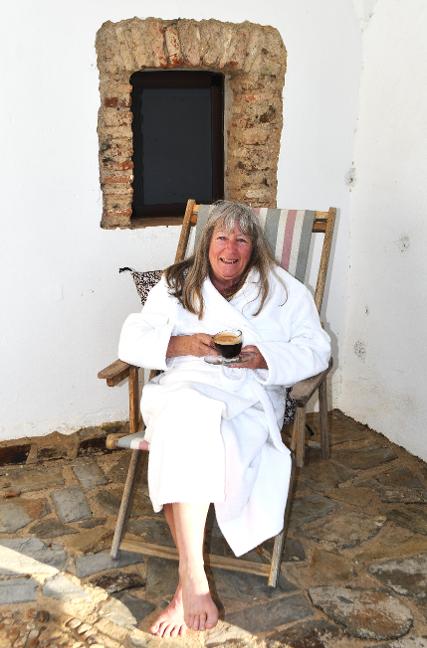
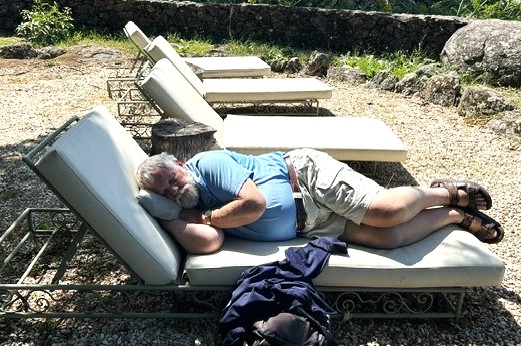
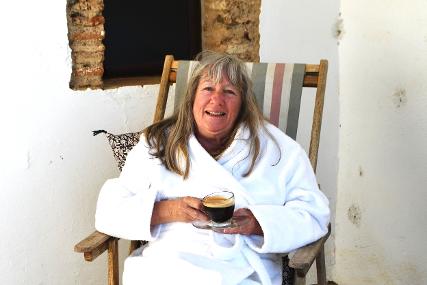
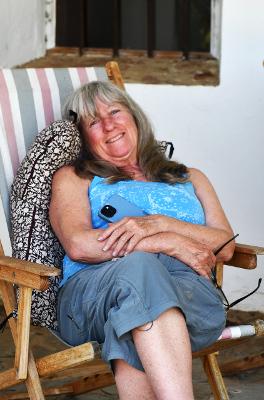
- sun
- warmth
- a comfy chair
- a soft housecoat, and
- coffee
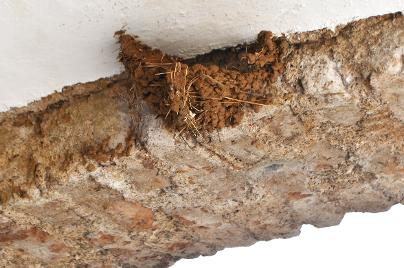
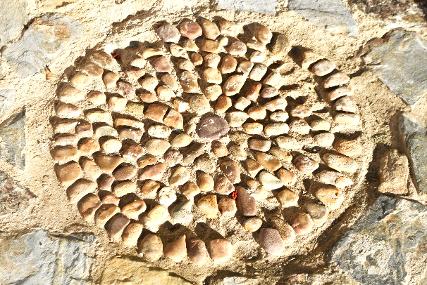
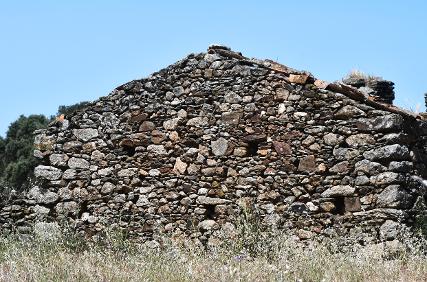
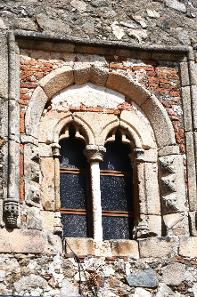
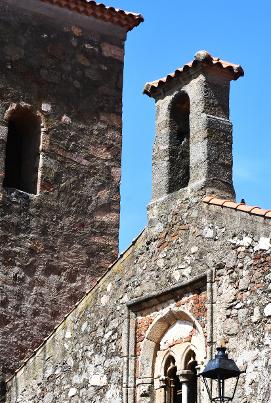
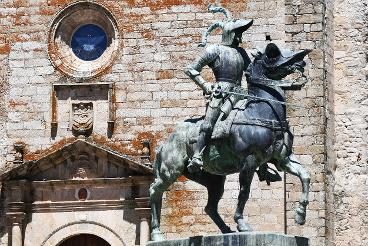
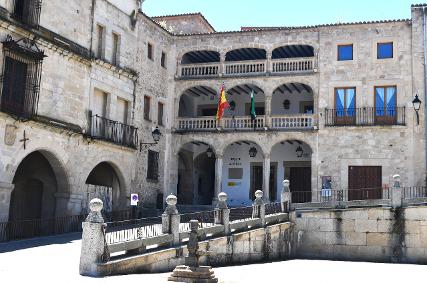
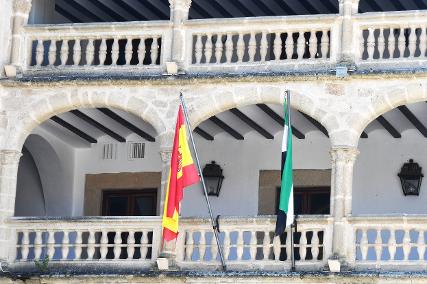
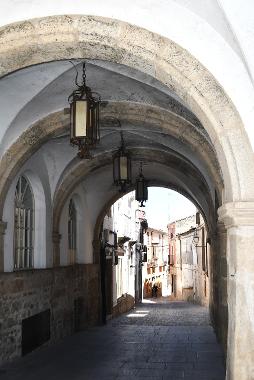
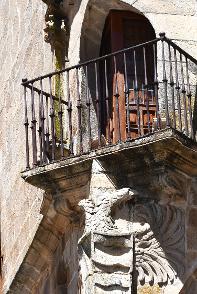
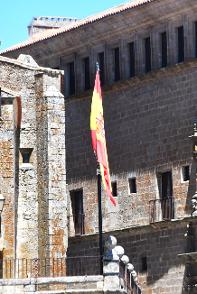
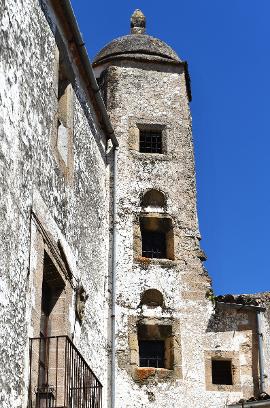
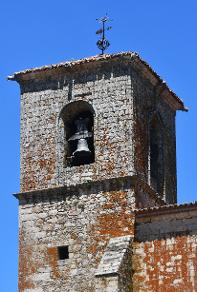
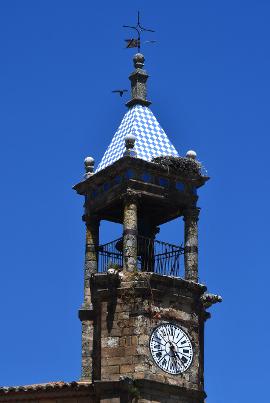
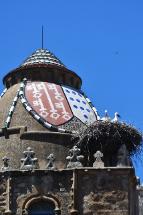
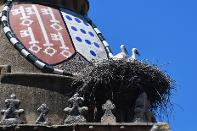
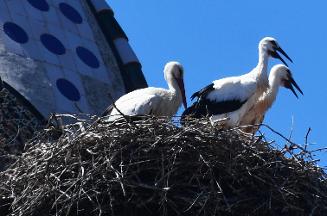





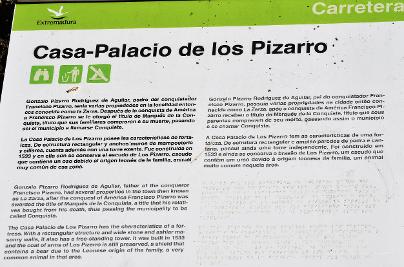
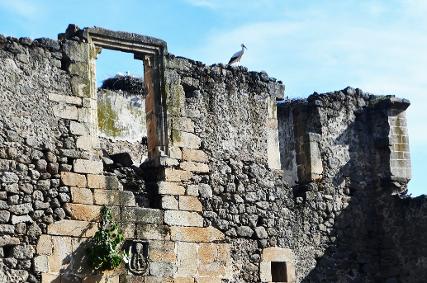
The Pizarro Castle or Pizarro fortified house is a fortress-palace in nearby Conquista de la Sierra. It was built in the 16th Century by the brother and daugher of the Extremaduran conquistador Fracncisco Pizzaro. The palace was ultimately burned by the French during th eWar of Independence (1808 - 1814).
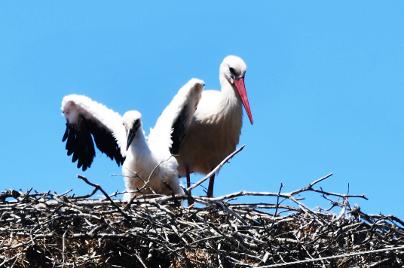
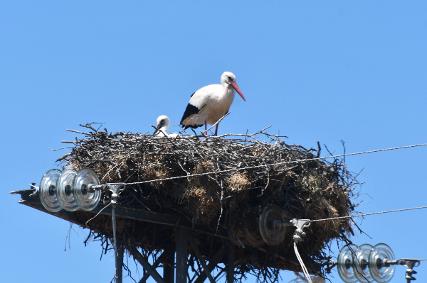
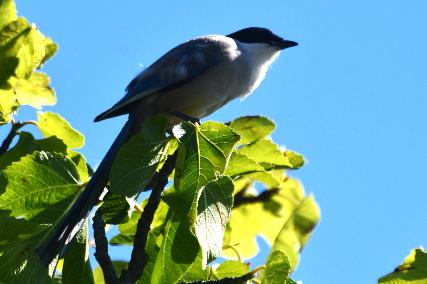
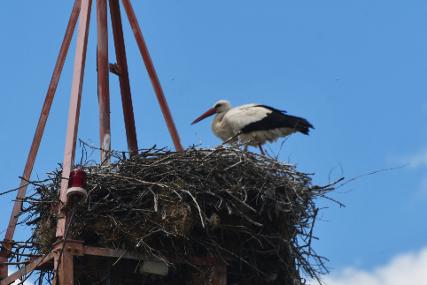
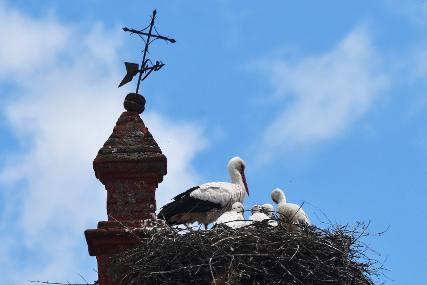
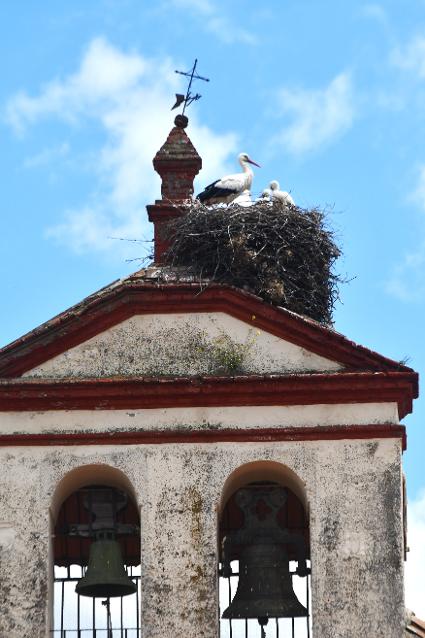
Today the remains are home to many storks.



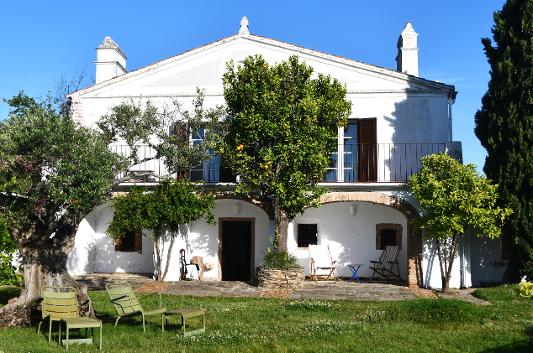
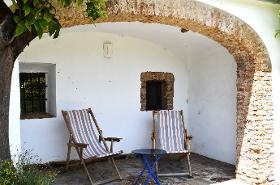
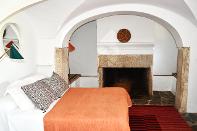
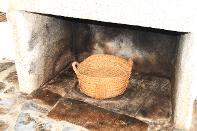
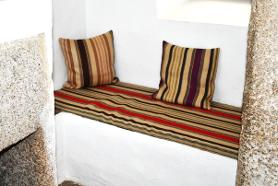
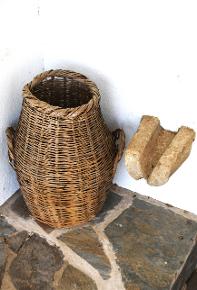
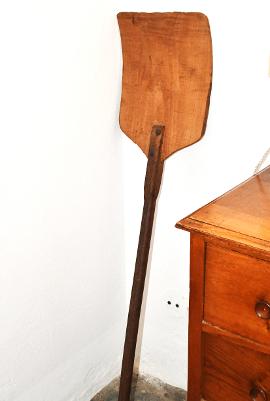
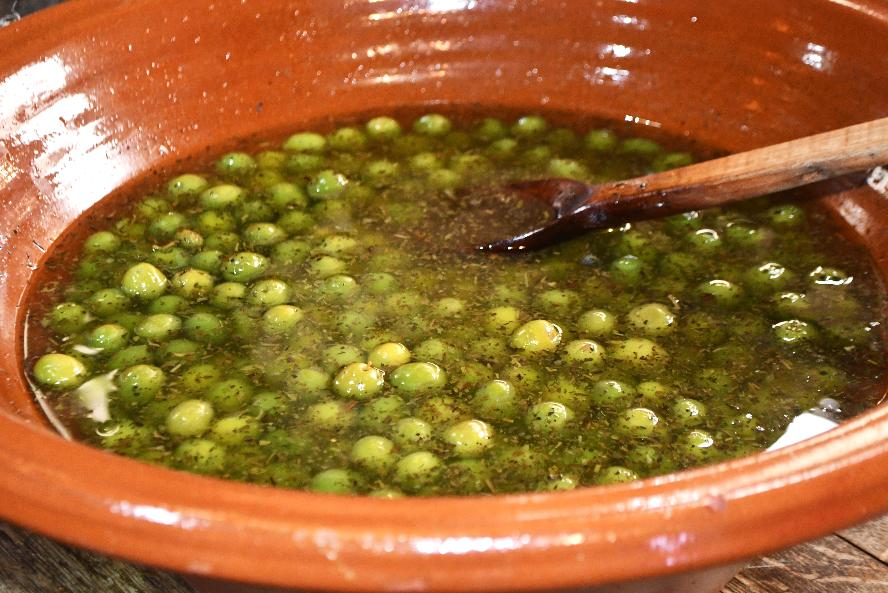
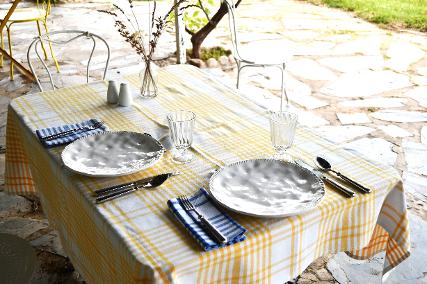
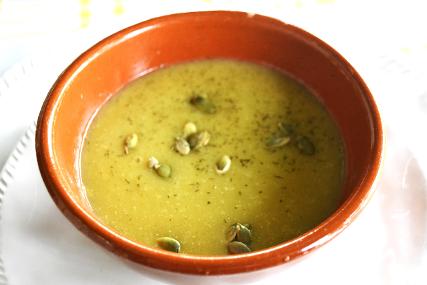
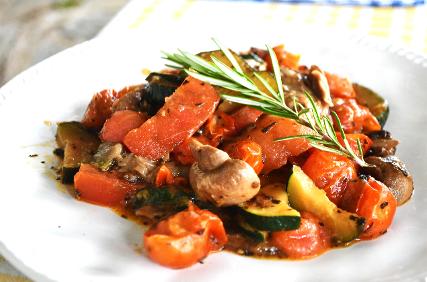
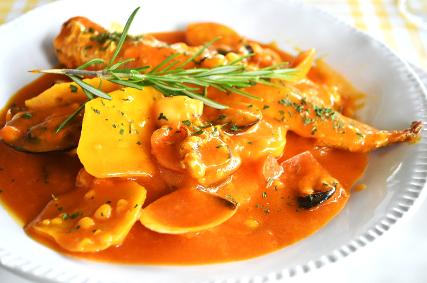
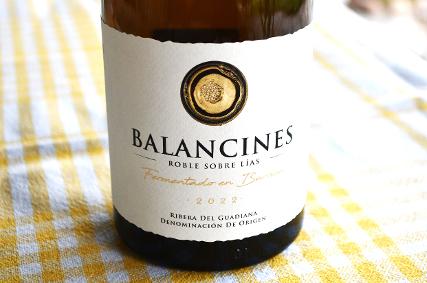

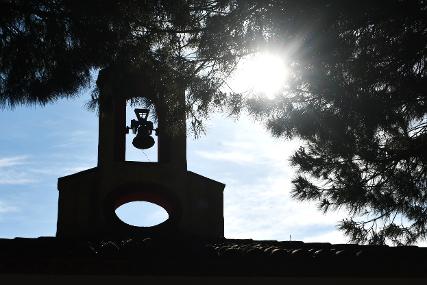
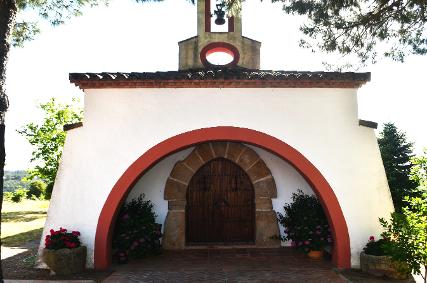
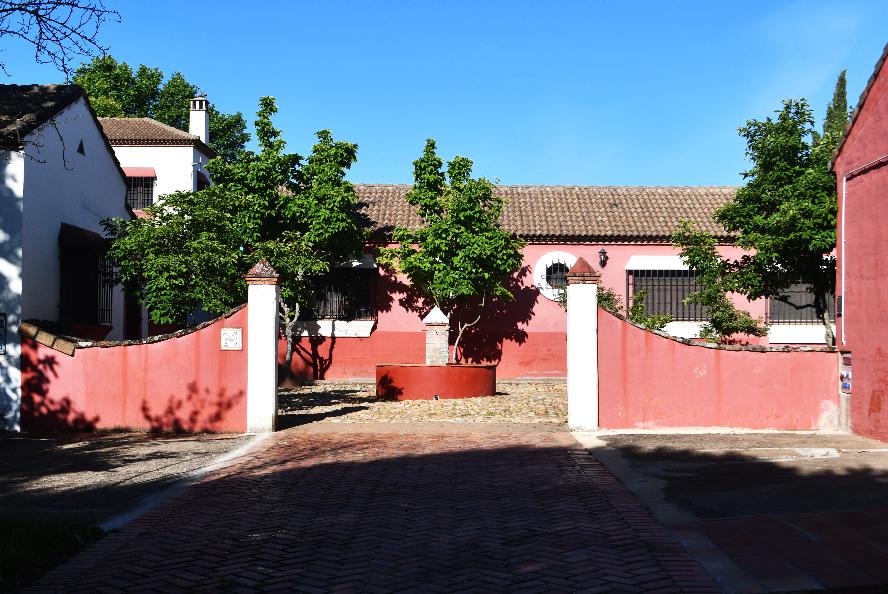
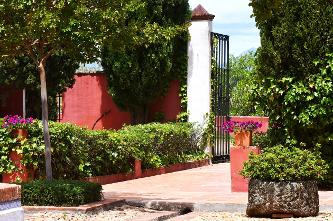
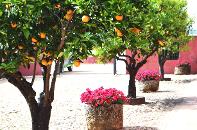
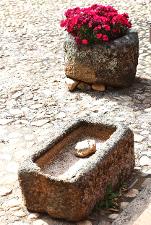
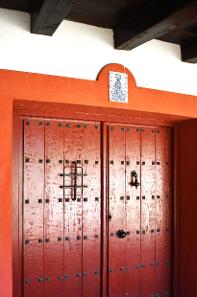
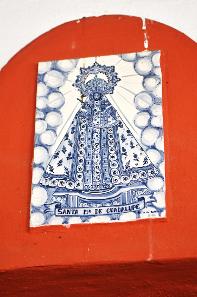
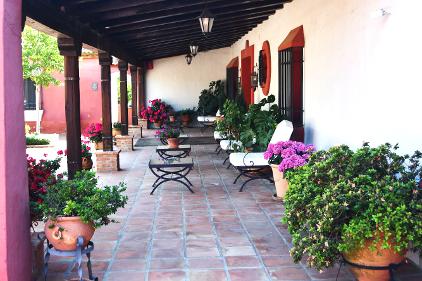
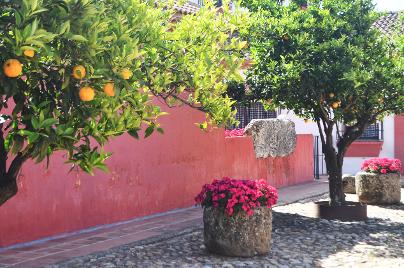
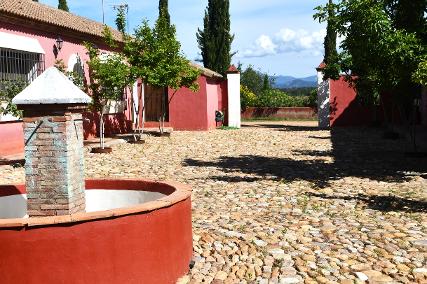
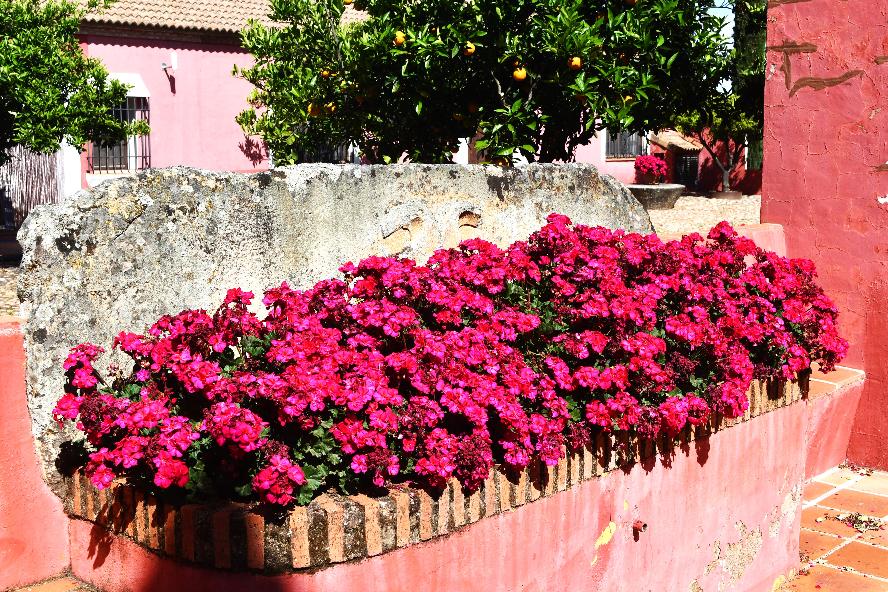
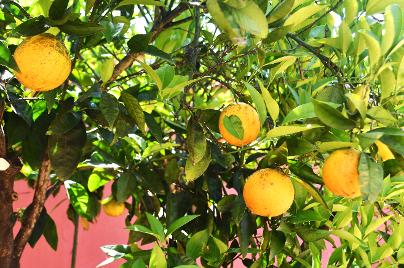
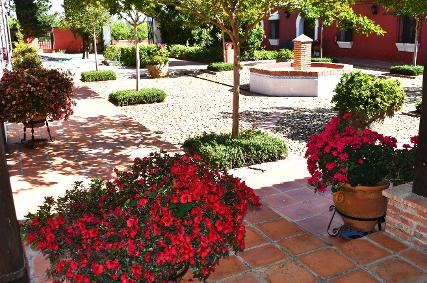
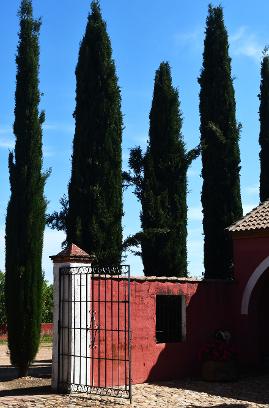
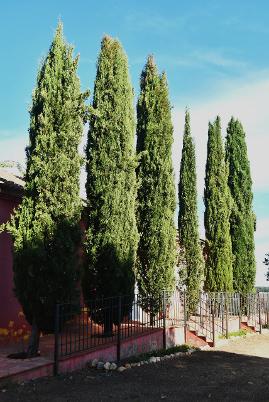
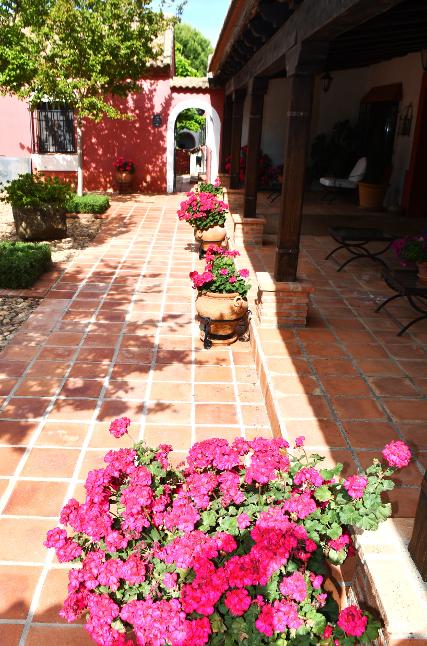
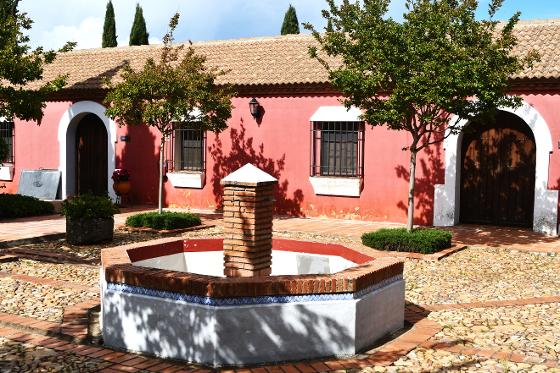

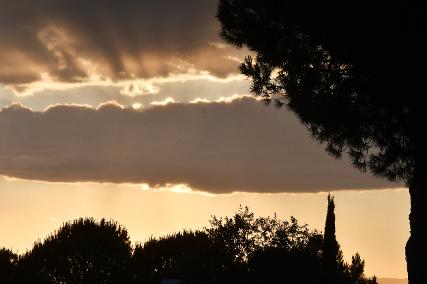
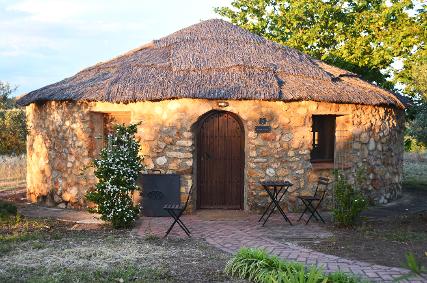
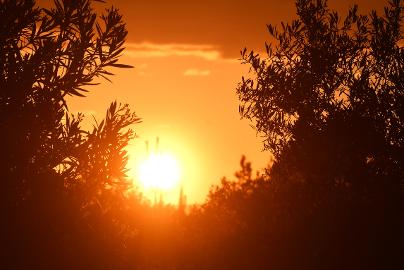
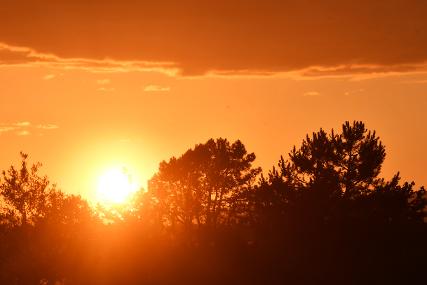
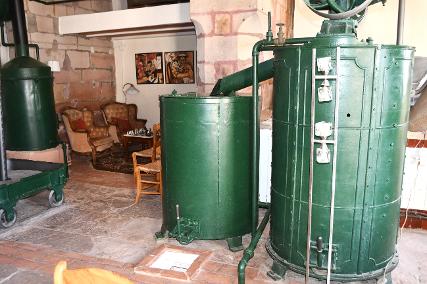
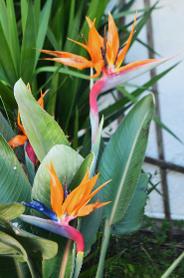
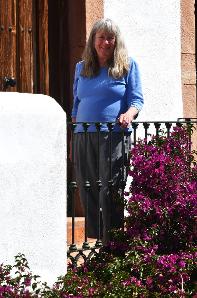
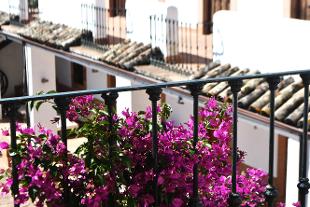
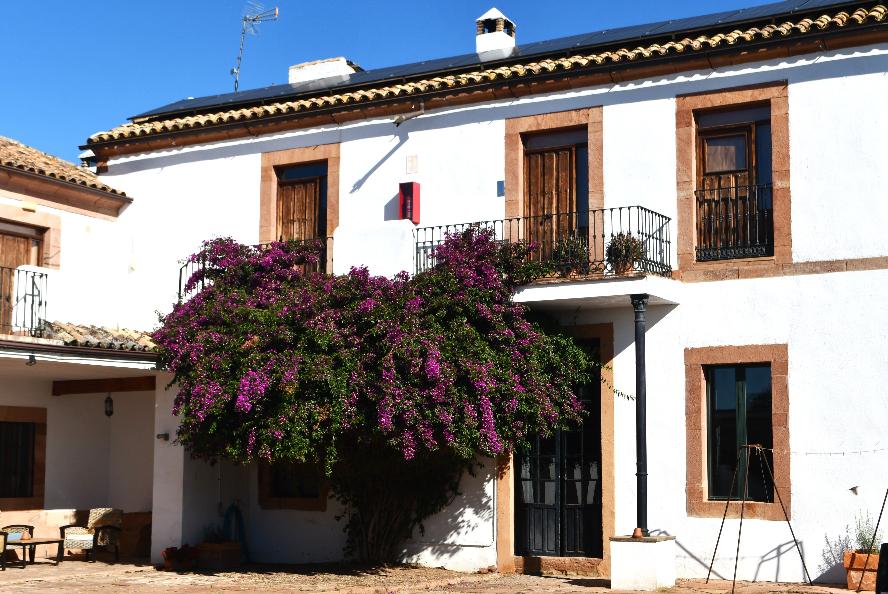
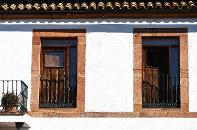
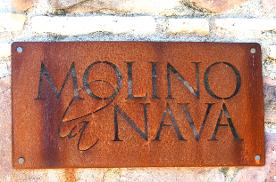
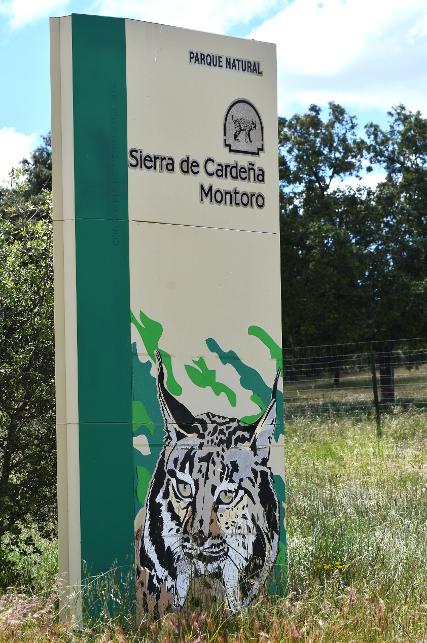
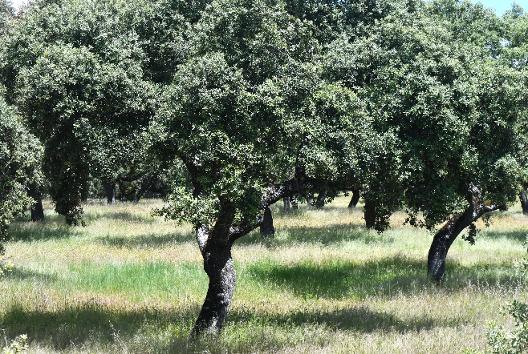
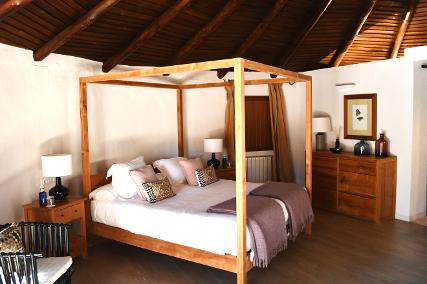
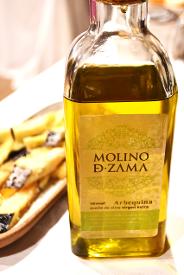
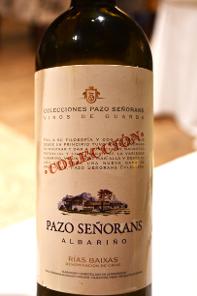
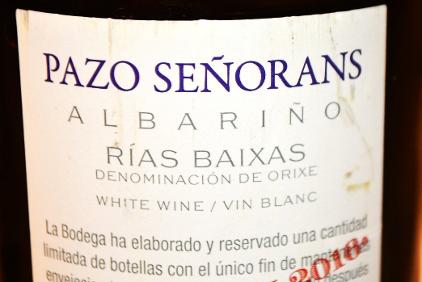
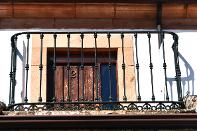
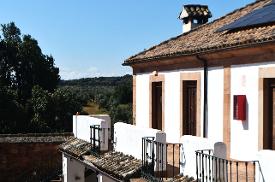
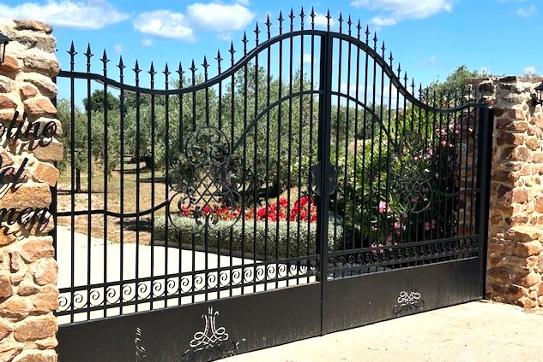
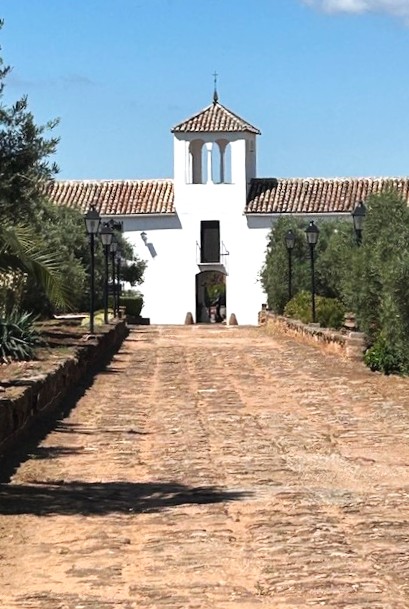
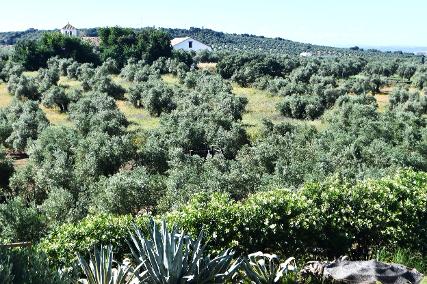
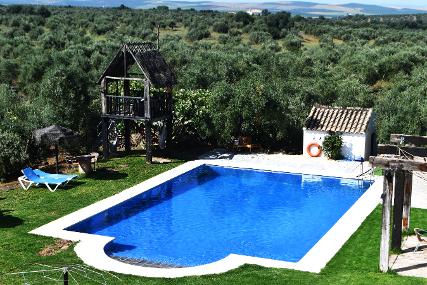
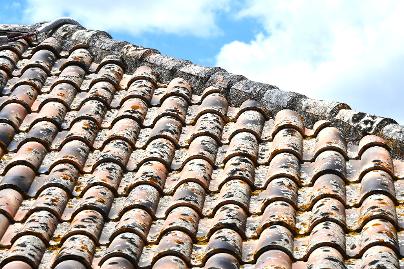
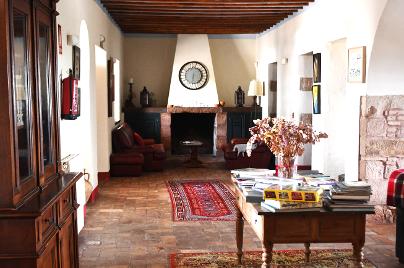
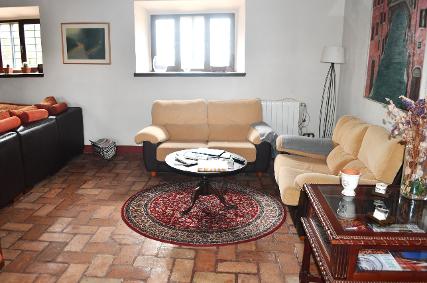
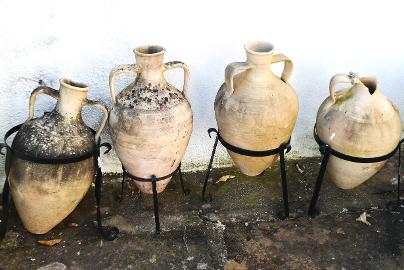
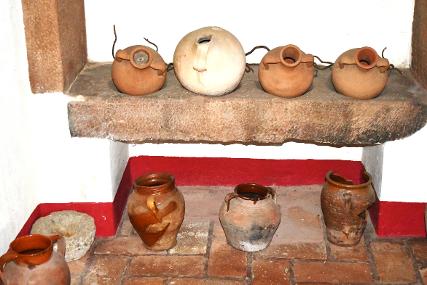

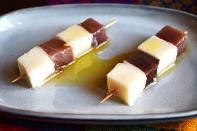
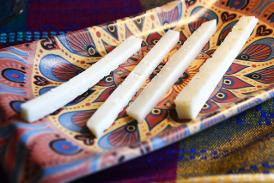
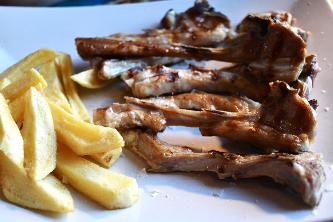
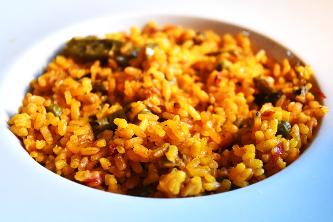
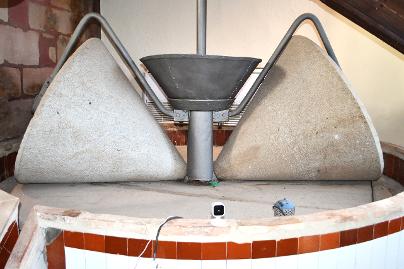
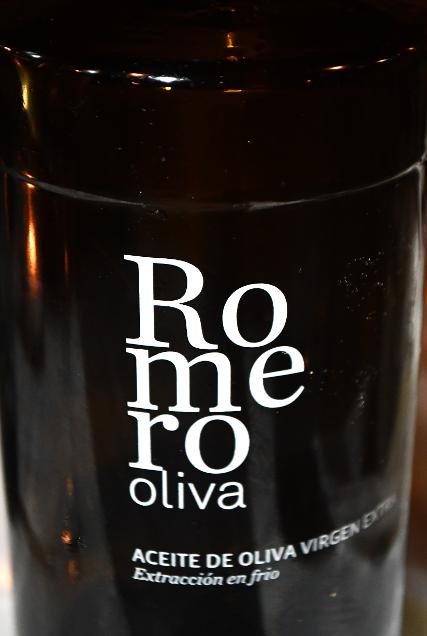
- 18th-Century Origins: Originally built in the 1700s, the mill was at the heart of the region's agricultural production, surrounded by vast, centuries-old olive groves.
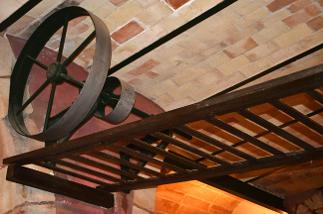
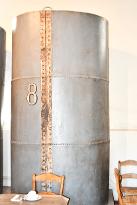
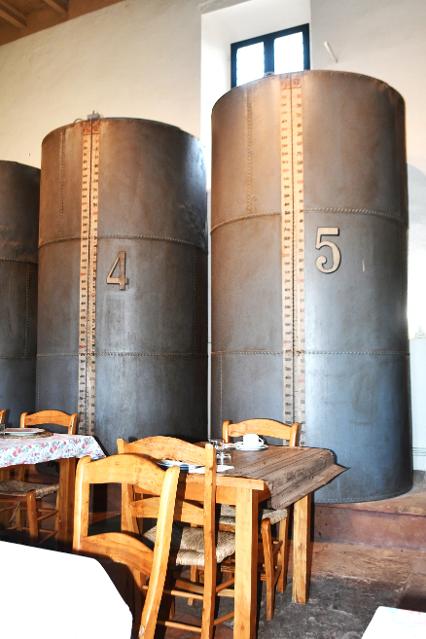
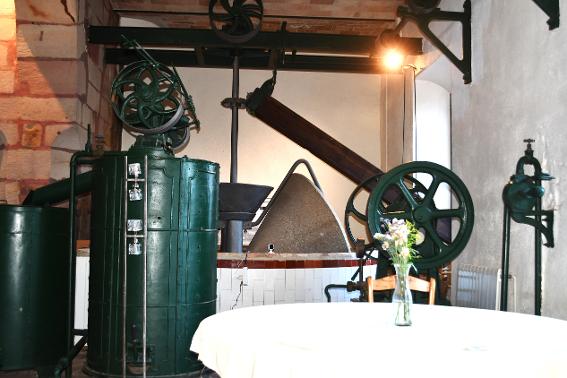
- Preserved Machinery: During its restoration into a hotel, original structural features and milling machinery were carefully preserved. Historic millstones, silos, and presses are still visible, serving as unique decor in the property's dining areas.
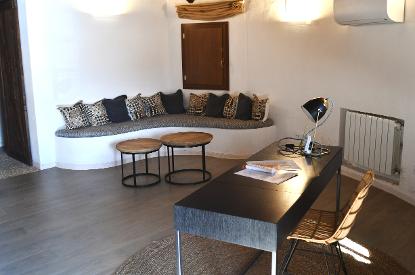
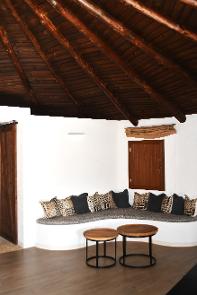
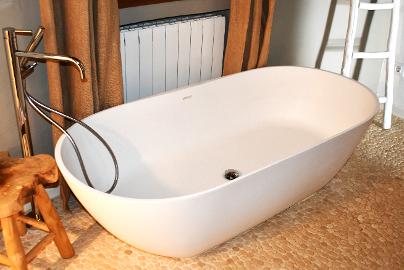
- Thematic Rooms: The accommodation features eight uniquely decorated rooms. Seven of these are named after specific varieties of olives native to the region, honouring the land's deep-rooted olive oil heritage. The eighth, where we stayed, is named Stargazer due ot the excellent opportunity to observe stars in the area.
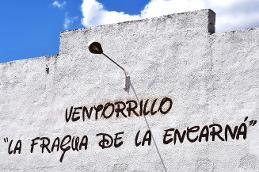
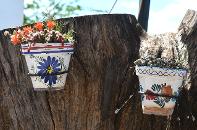
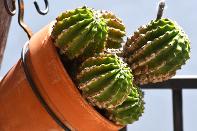
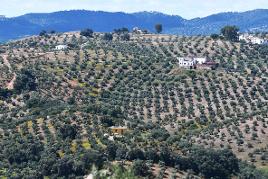

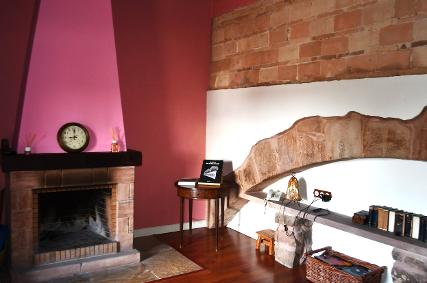
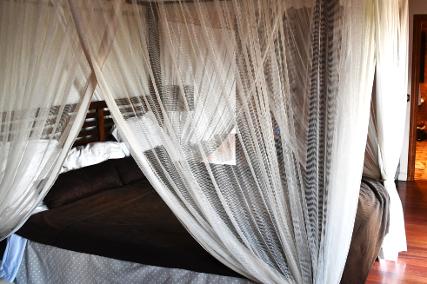
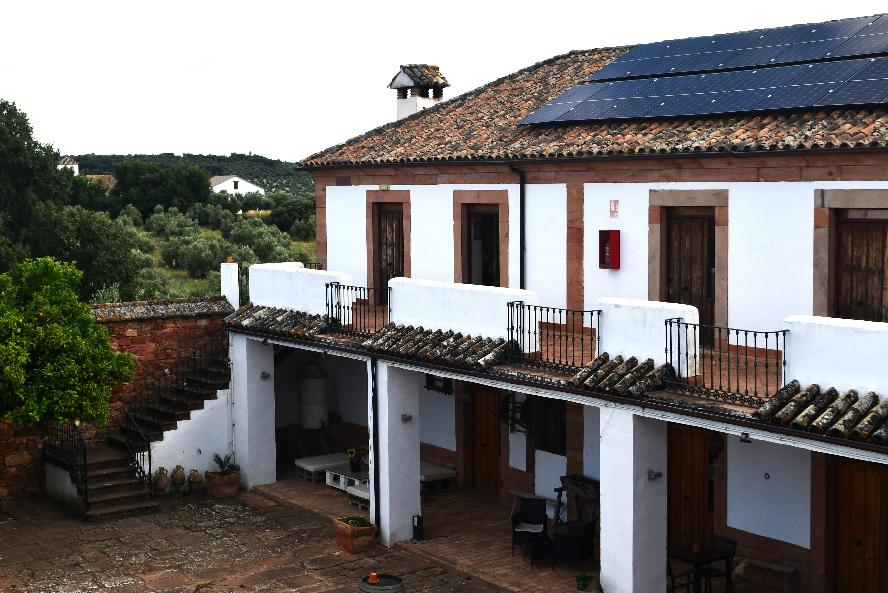
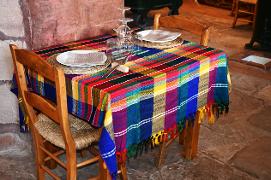
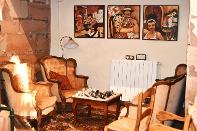
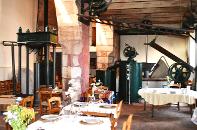
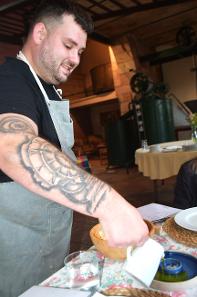
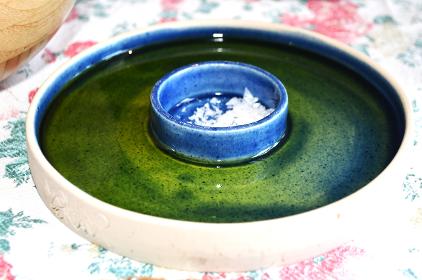
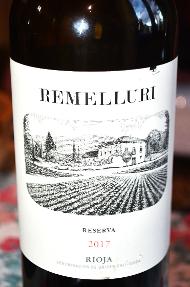
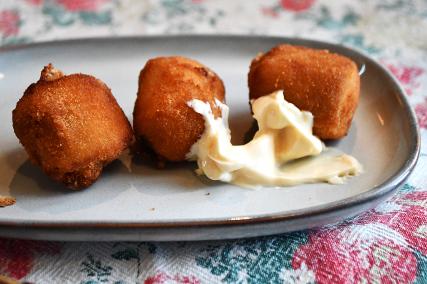
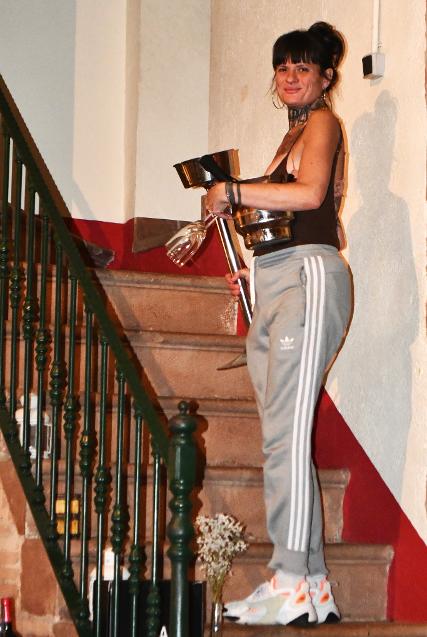

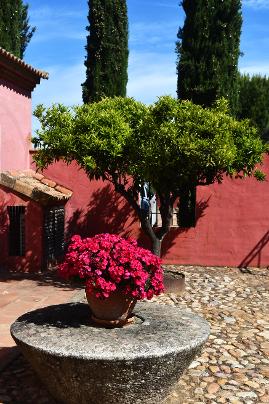
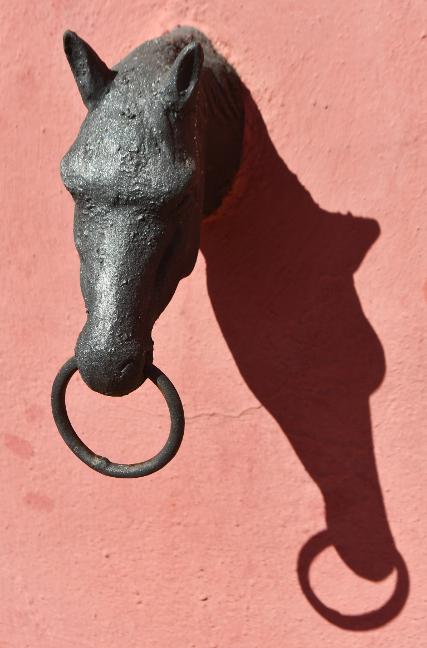
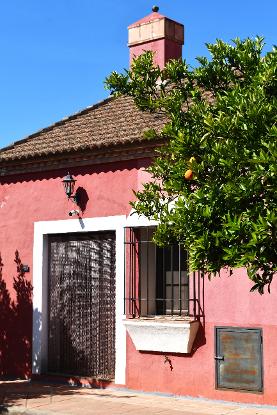
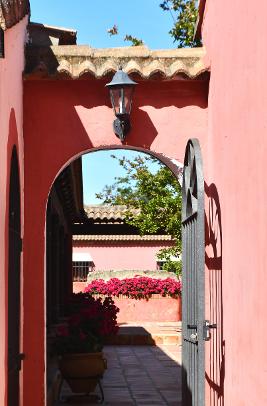
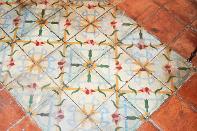
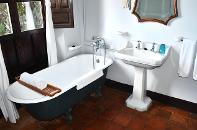
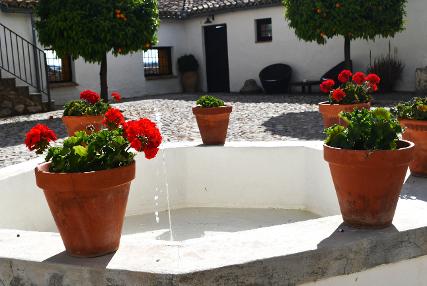
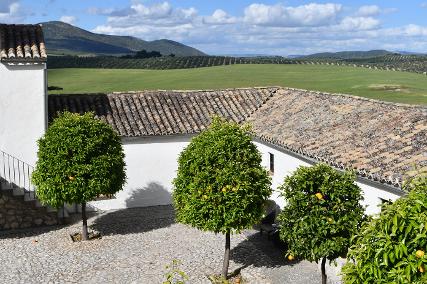
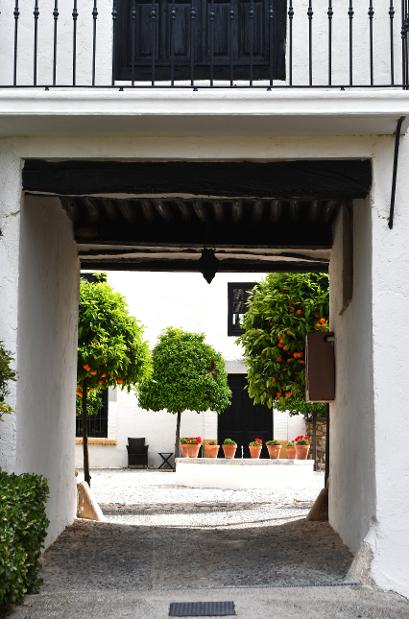
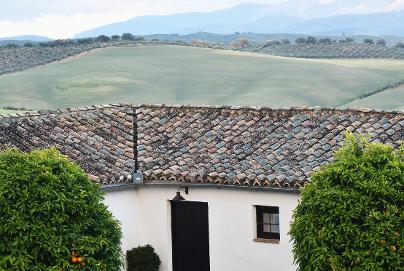
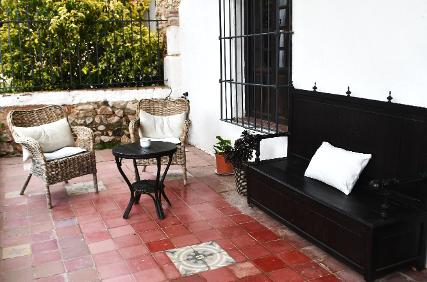
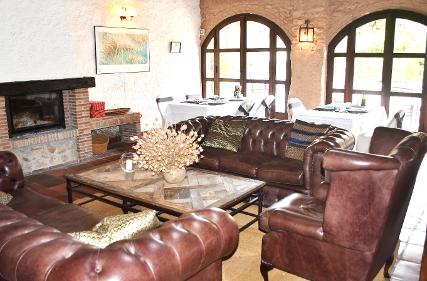
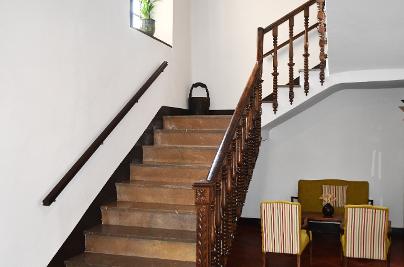
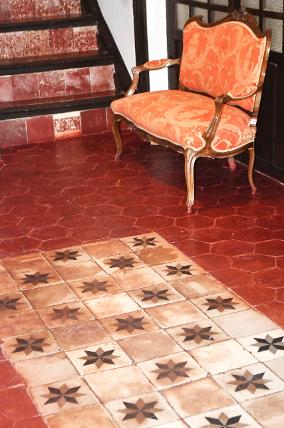
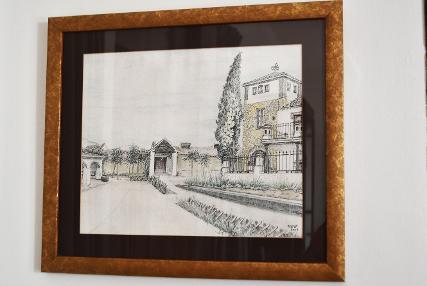
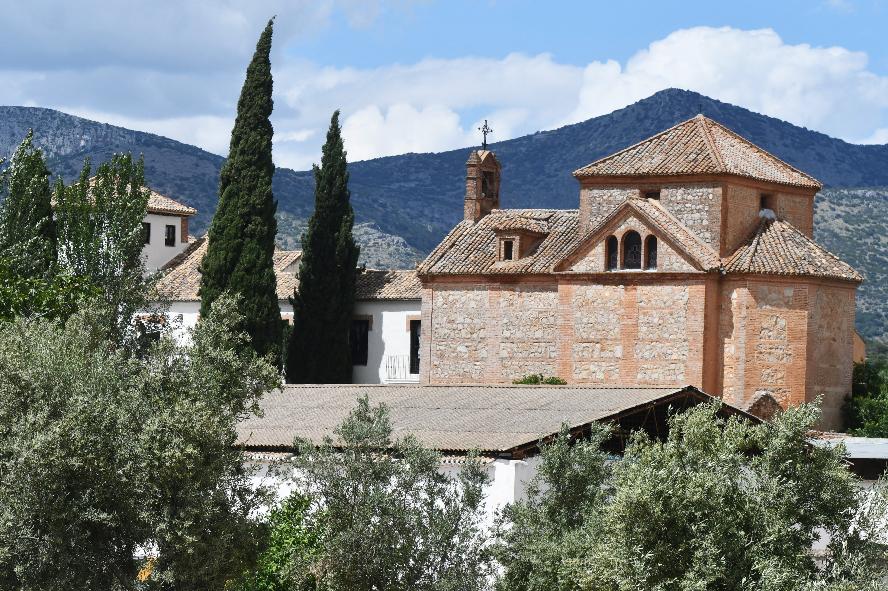
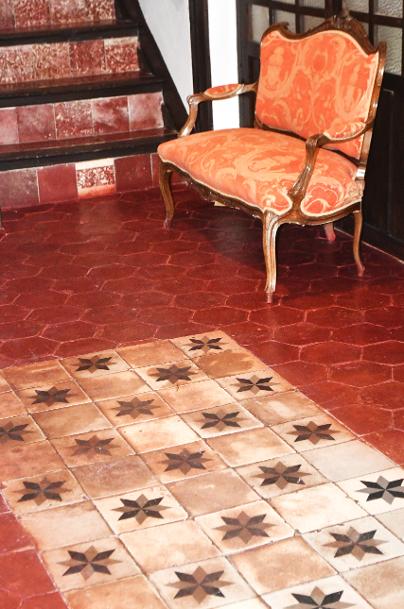
It’s been kept up to date, but not quite redesigned, and while its comforts have been modernized, its atmosphere hasn’t. You can see occasional signs of the work of a contemporary designer in the interiors, but it’s unobtrusive, and only serves to accentuate the luxury — bathrooms, in particular, are one area where modern hospitality unambiguously has the advantage.
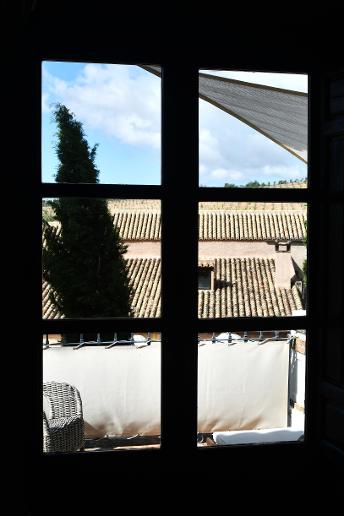
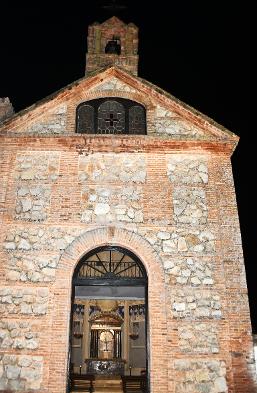
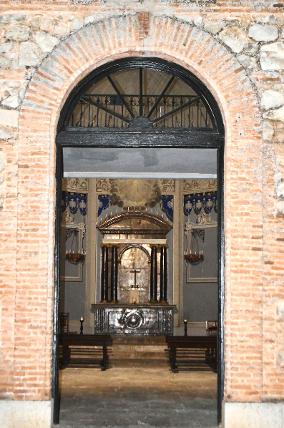
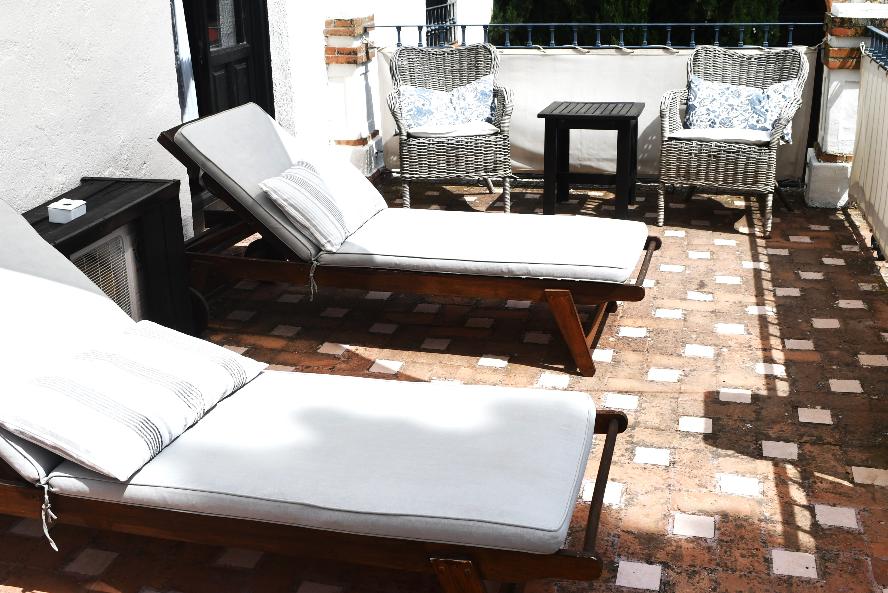
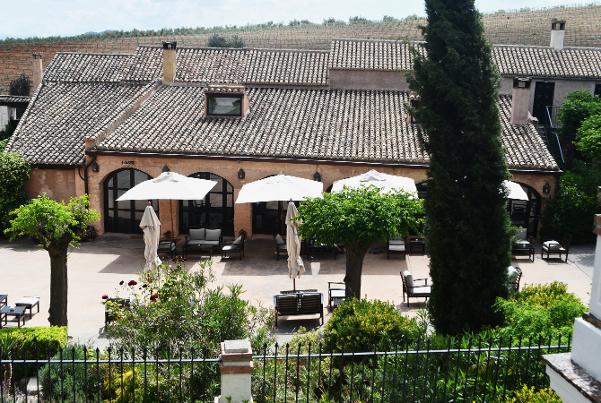
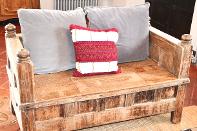
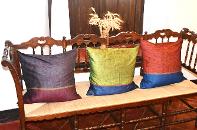
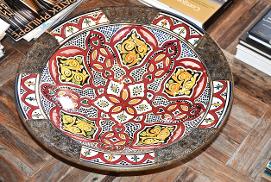
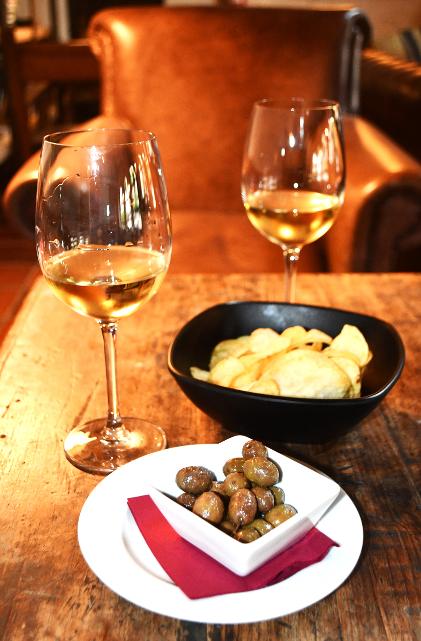
With just fifteen rooms it’s still small enough to feel like a private residence, each one different, some located in the old house, others the granary or stables. Its facilities are similarly modest, amounting to little more than an outdoor pool lined with loungers and a restaurant where a three-course dinner is created from locally sourced ingredients and produce. Cortijo del Marqués is a low-key, high-end escape, and one of southern Spain’s best-kept secrets."
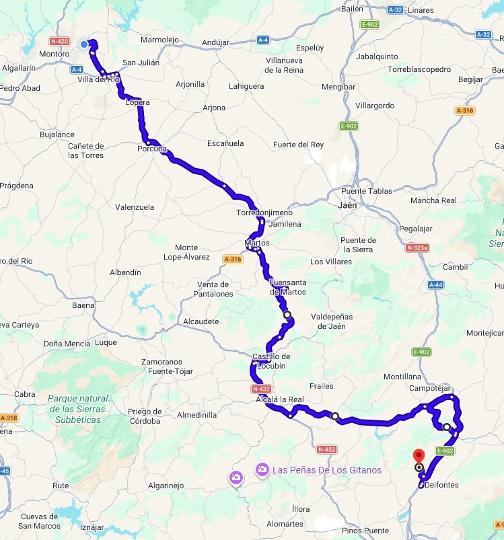
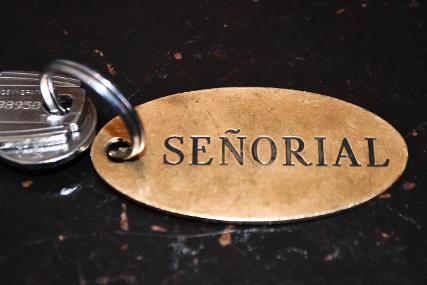
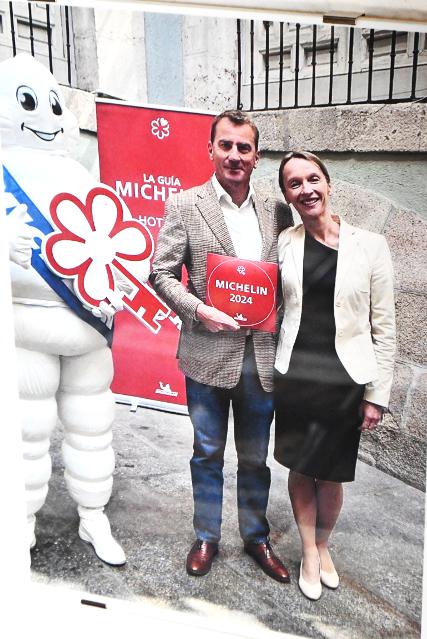

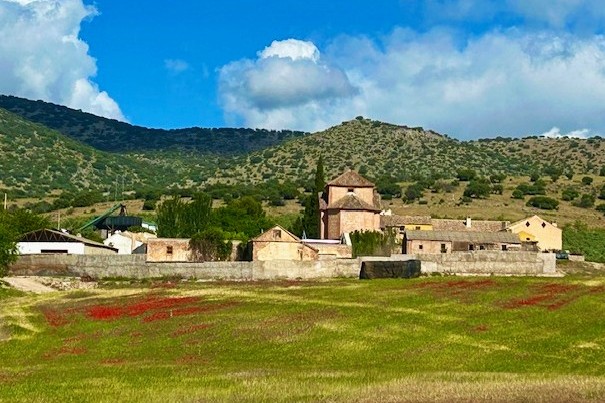



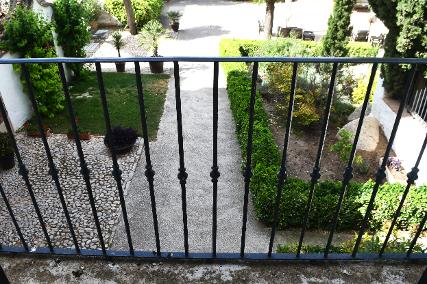
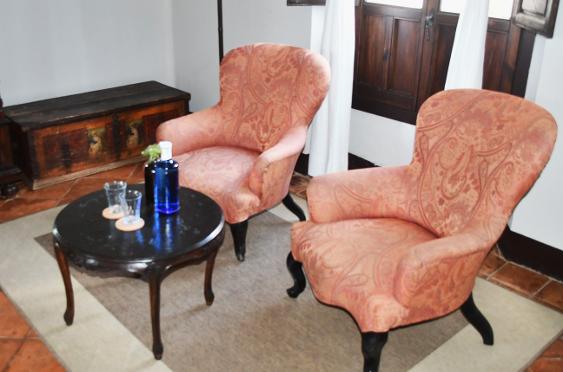
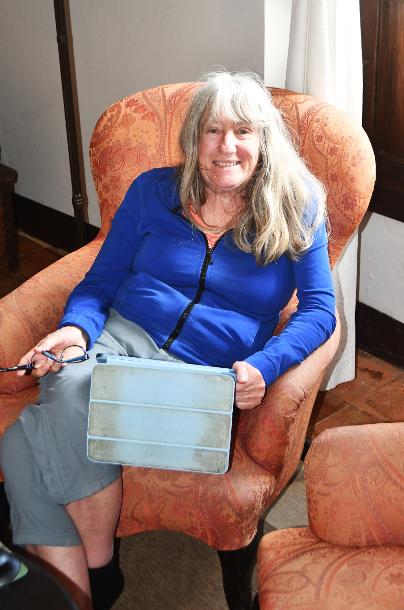
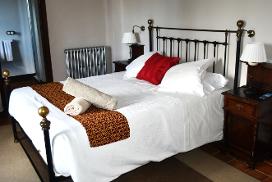
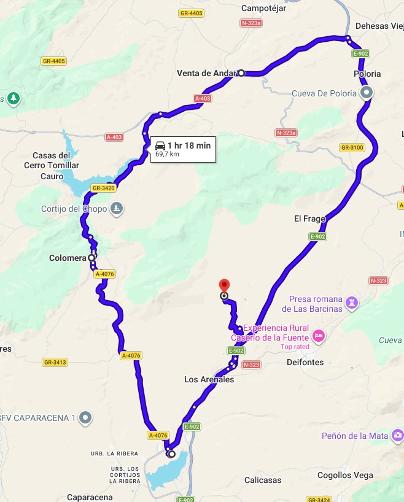

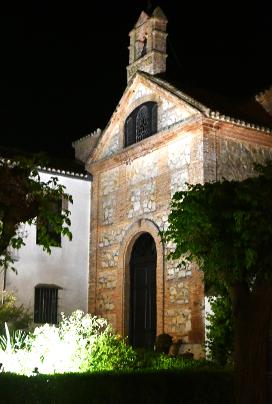
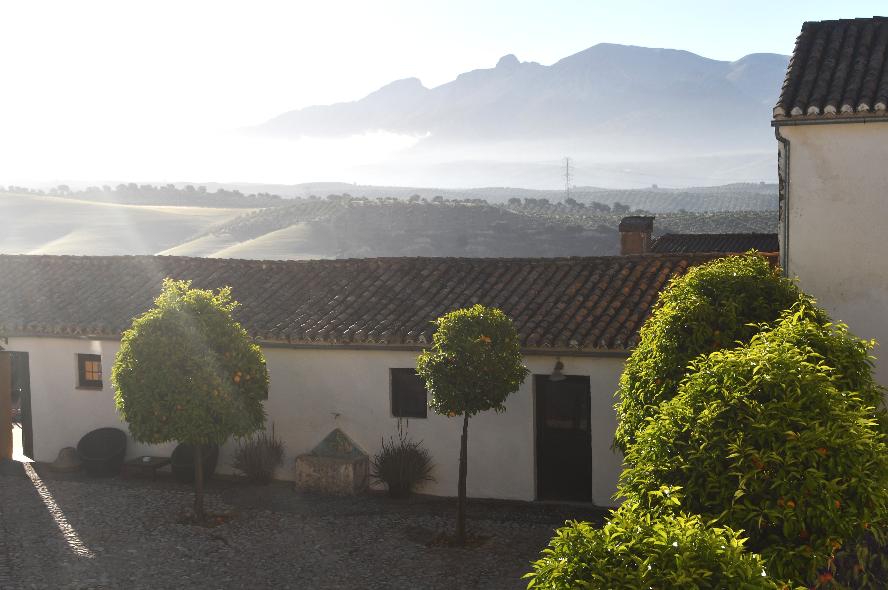
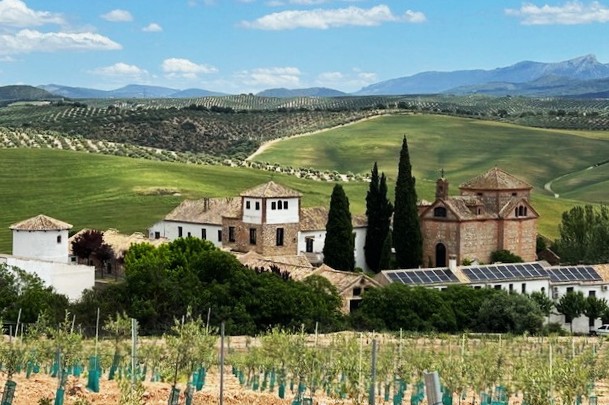
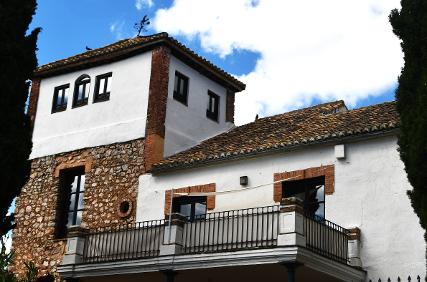
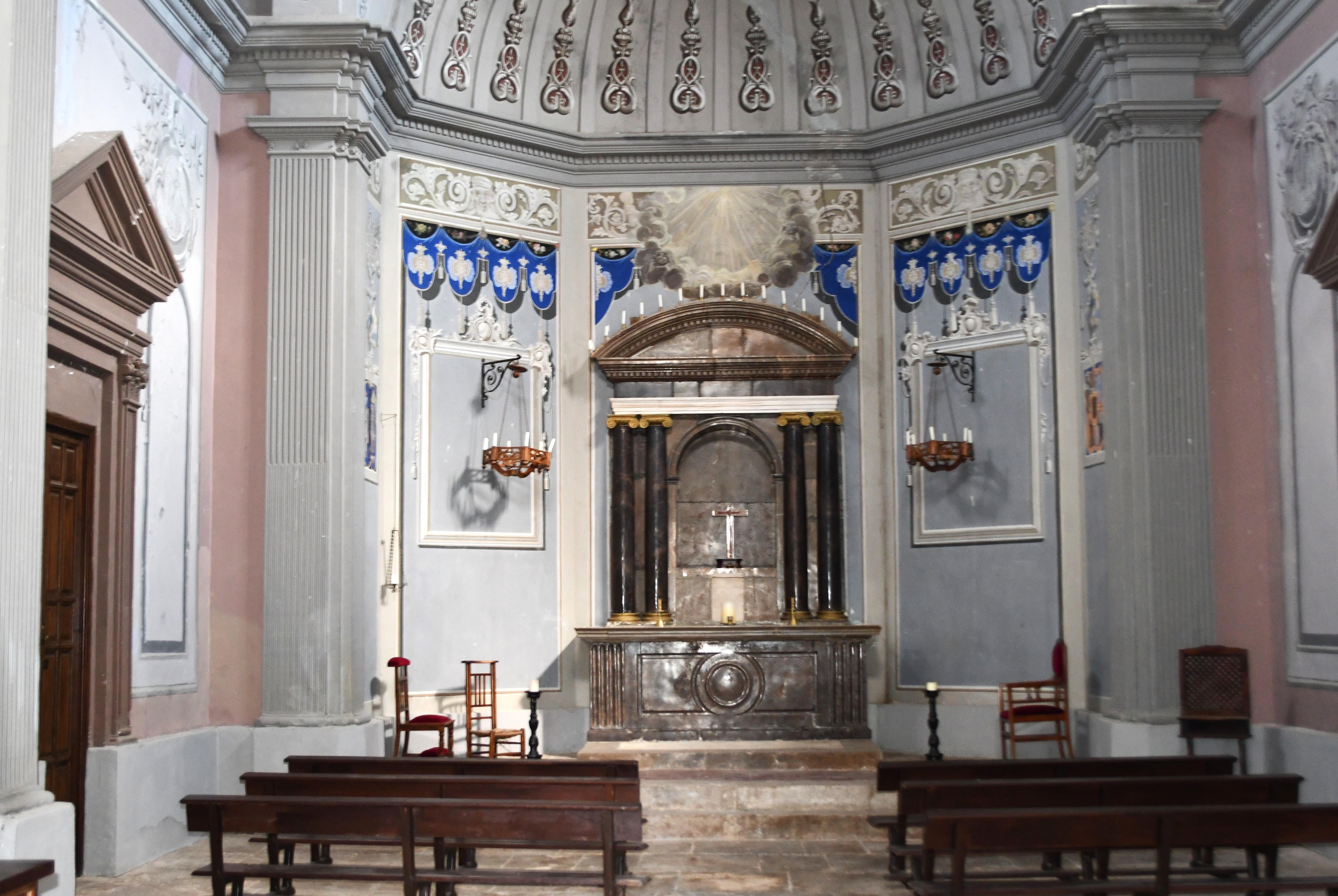
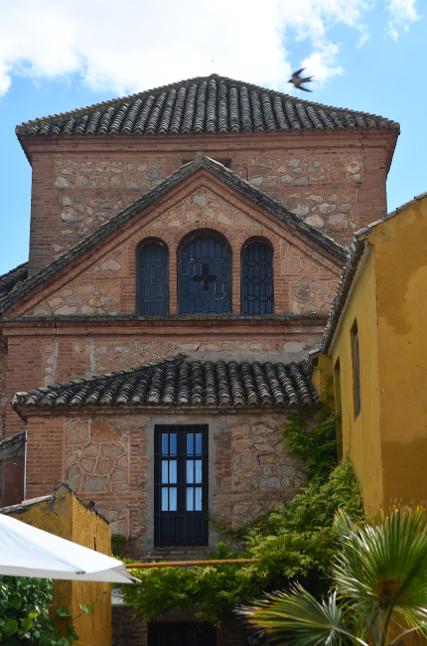
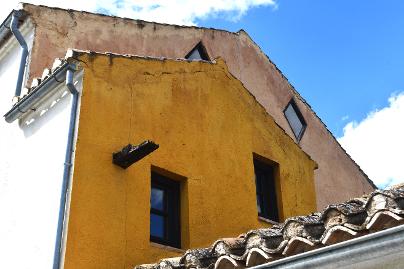
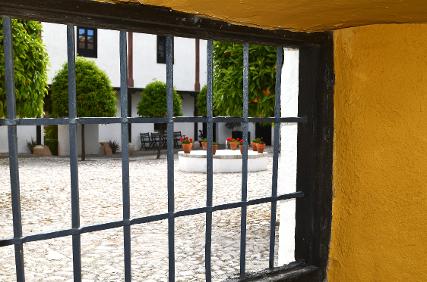


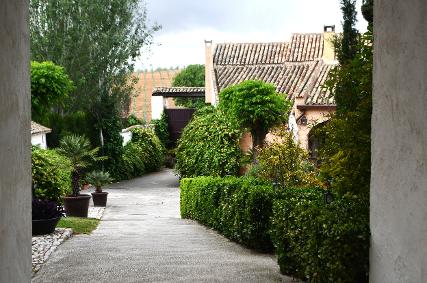
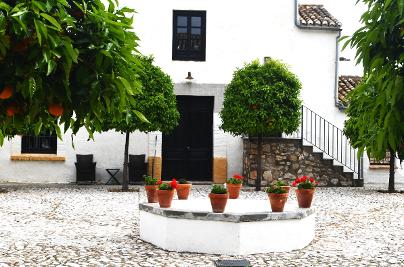
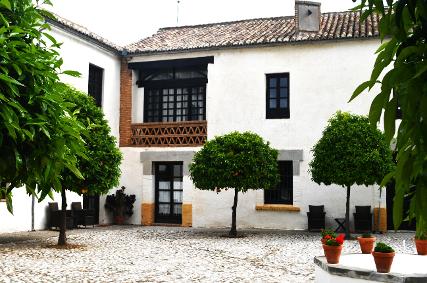
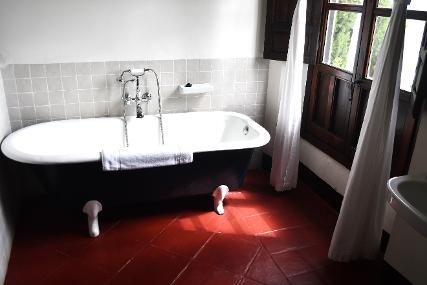
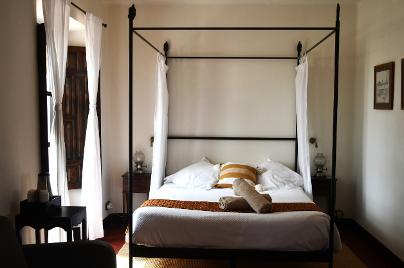
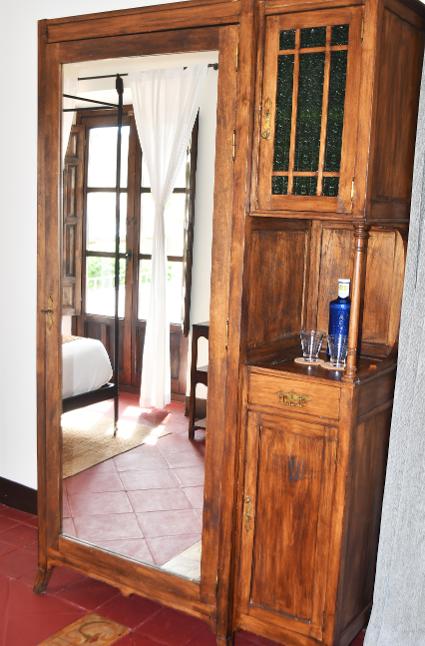
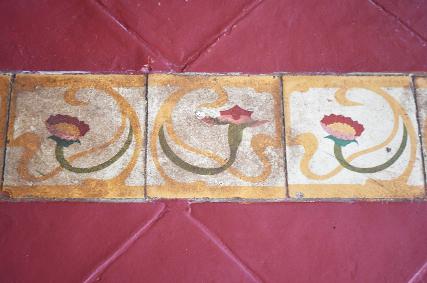
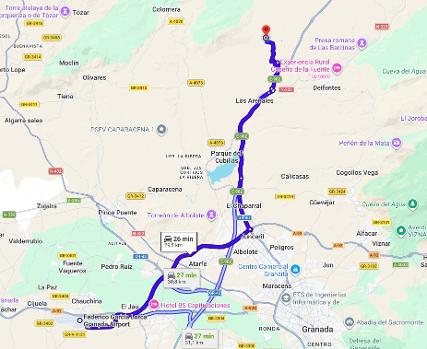






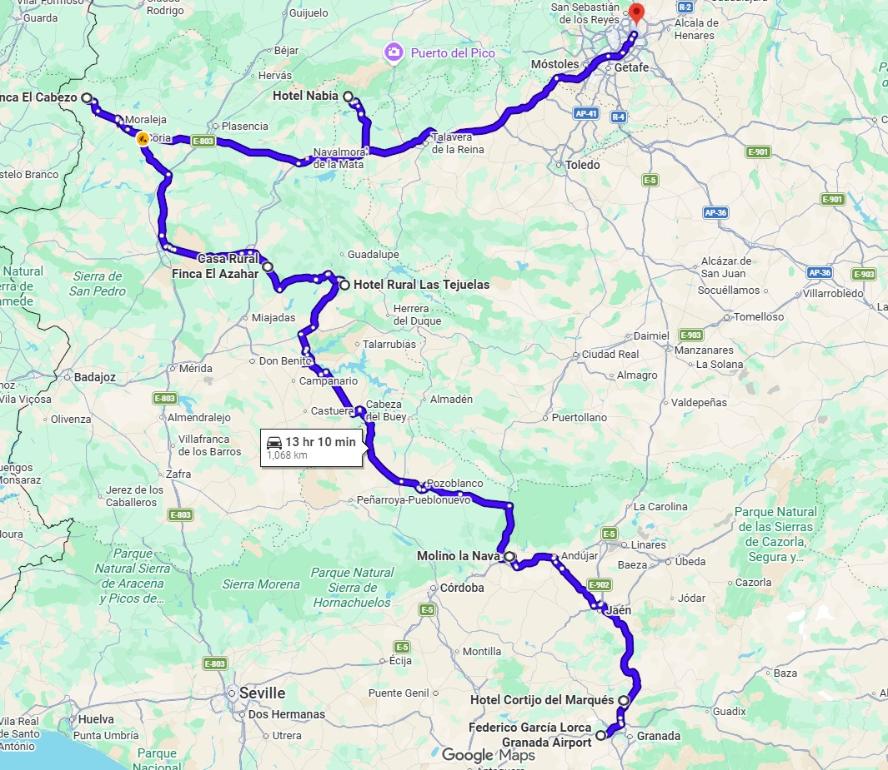
- 5 nights at Cortijo del Marques north of Granada, where we have stayed three times before, then
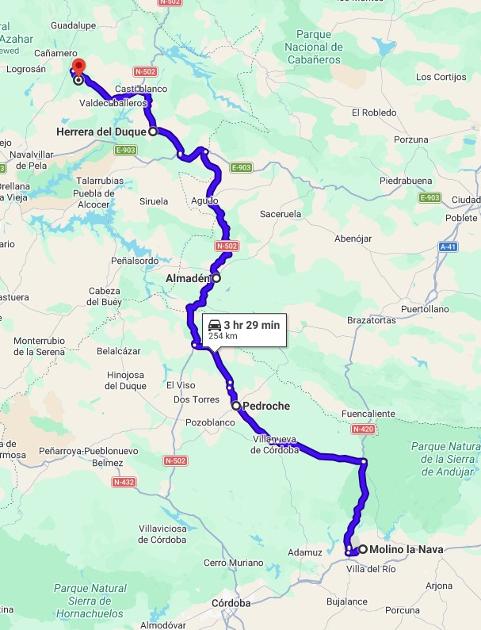
- 3 nights at Molina La Nava, near Montoro, after which
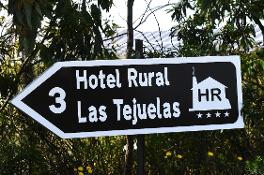
- 2 nights at Hotel Rural Las Tejuelas, between Valdecaballeros and Guadalupe in Extremadura, where we stayed in 2024, followed by
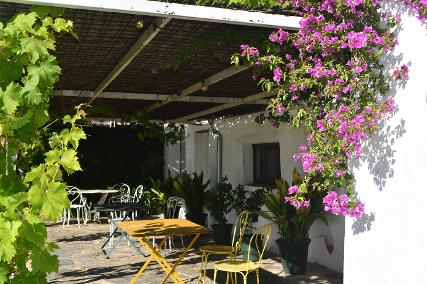
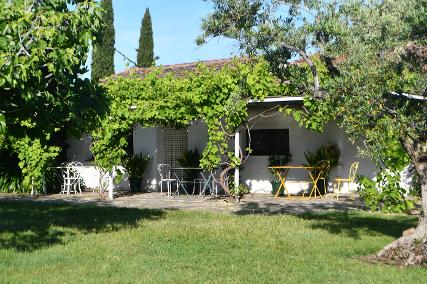
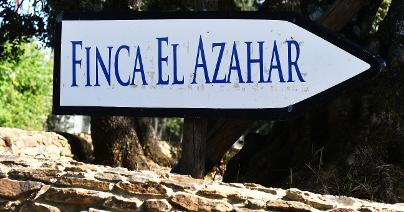
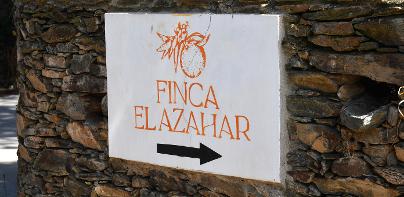
- 4 nights at Finca El Azahar, near Truillo, and then
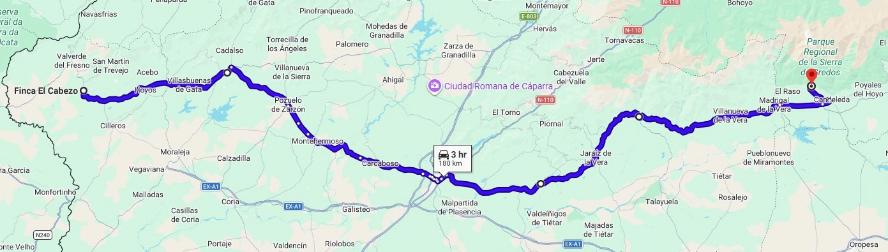
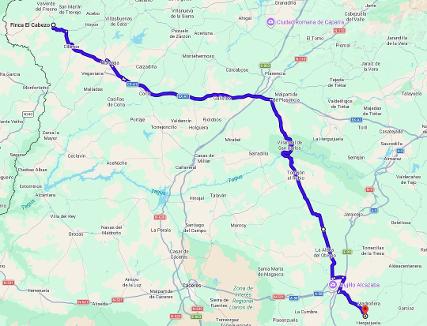
- 3 nights at Finca El Cabezo, near San Martin de Trevejo, and finally
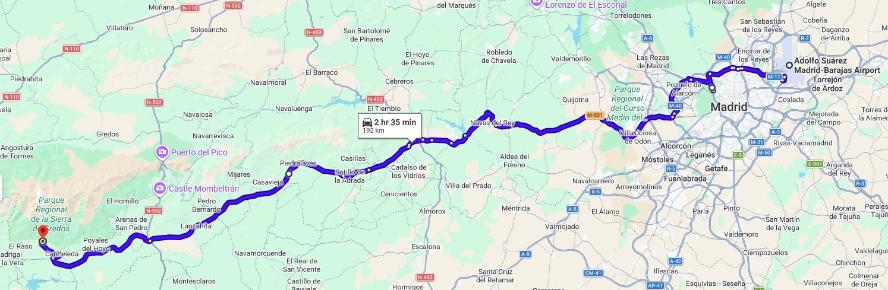
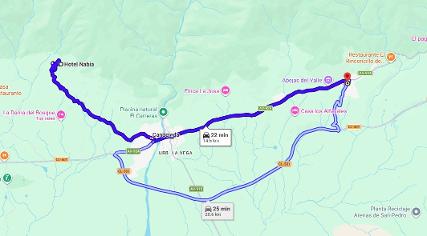
- 3 nights at Hotel El Nabia, near Candeleda in the province of Castilla y Leon a bit over two hours west of Madrid's airport