Our memories of Greece 2025:
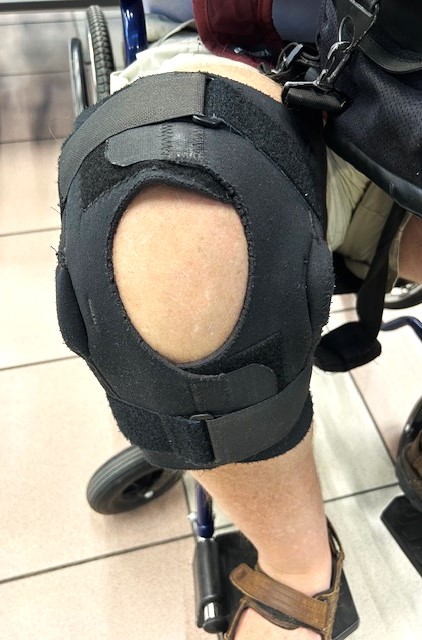
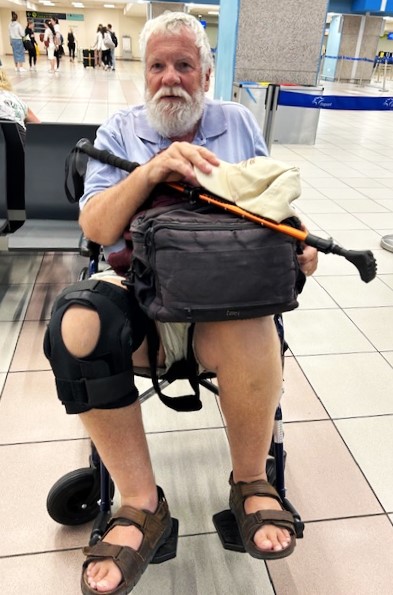
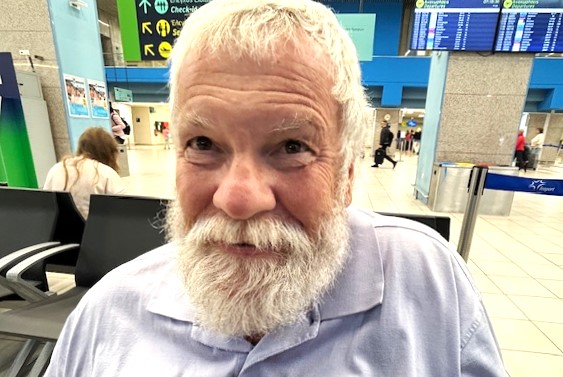
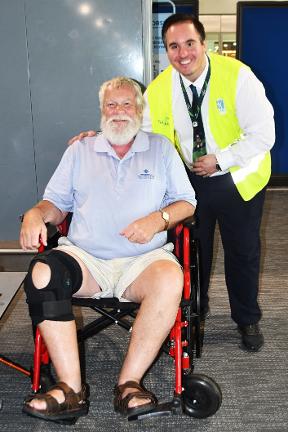
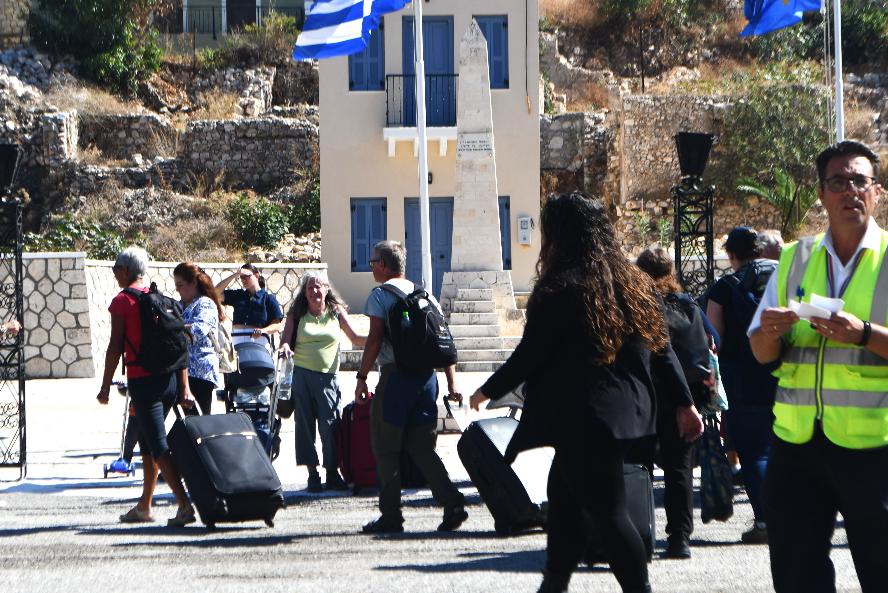
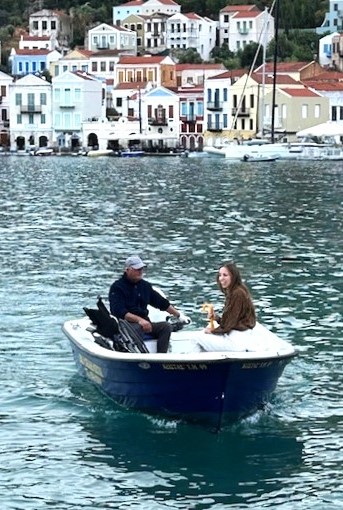
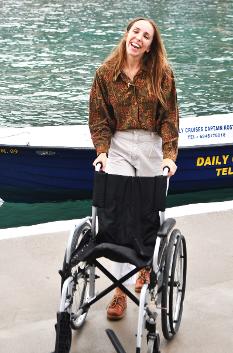
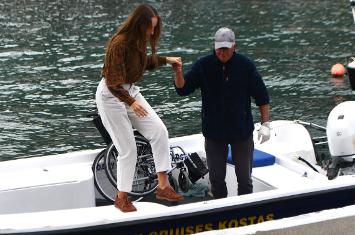
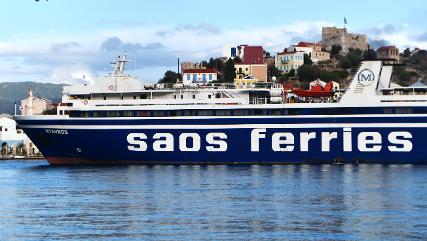
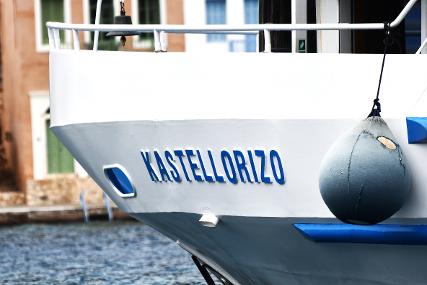
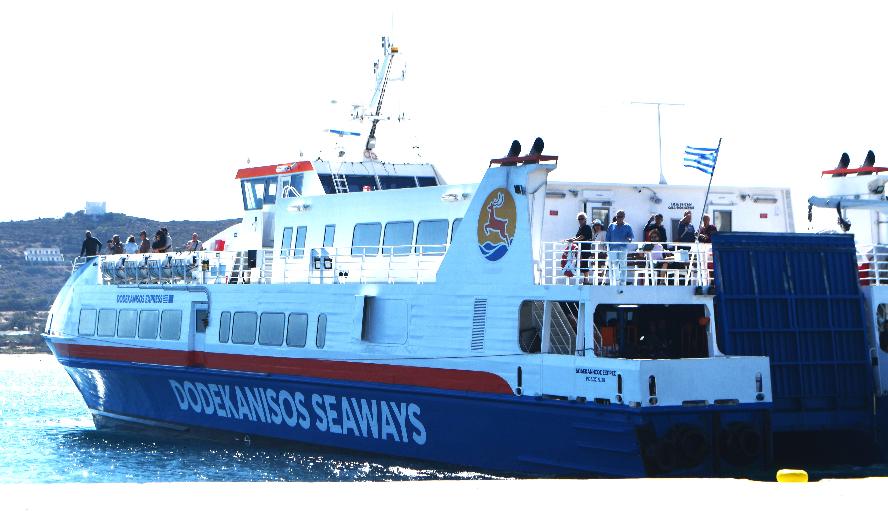
Yet another great trip - until it wasn't. We enjoyed nearly four weeks on the islands of Ikaria, Patmos, Lipsi, Leros, Rodos and Kastellorizo, bringing the total number of Greed islands we have visited to 40. Regrettably Norm had a bad fall disembarking the ferry in Kastellorizo necessitating curring our trip short and returning home early. Here are our most vivid memories:
- our most vivid memory is not a good one - Norm's fall disembarking the ferrry in Kastellorizo
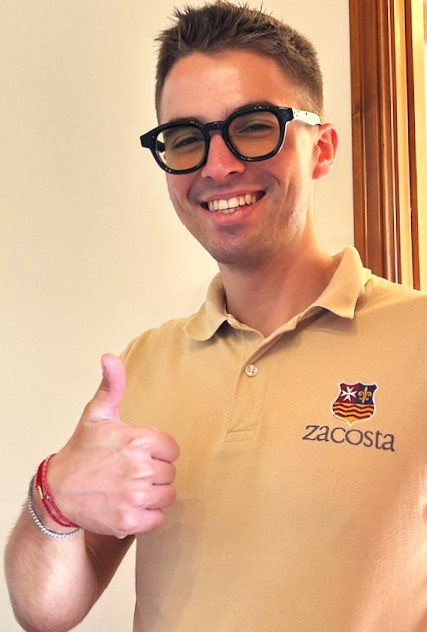
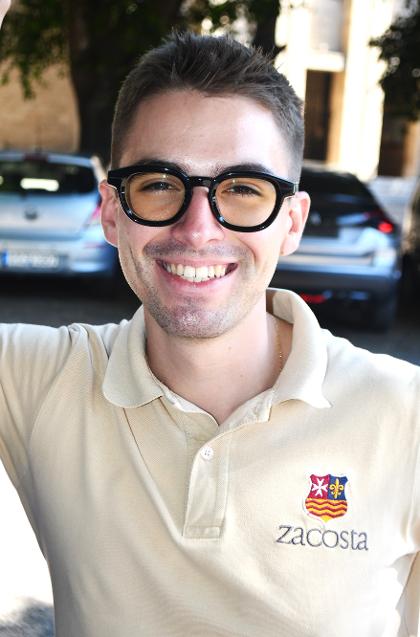
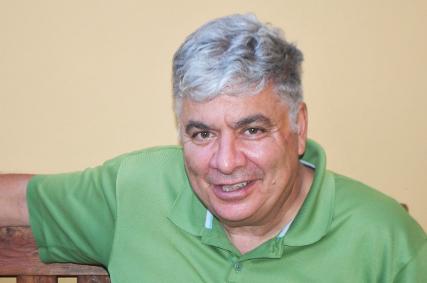
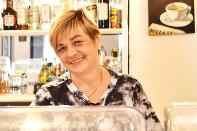
- George at Zacosta
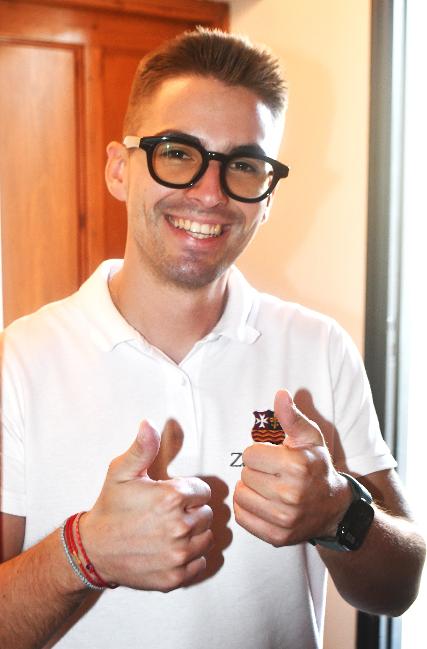
- the service and generosity of George and John at Zacosta
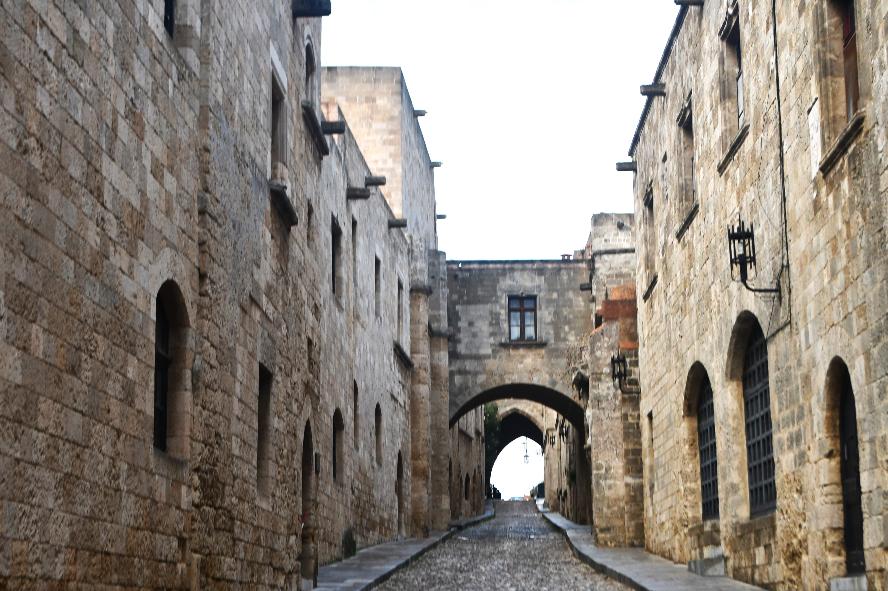
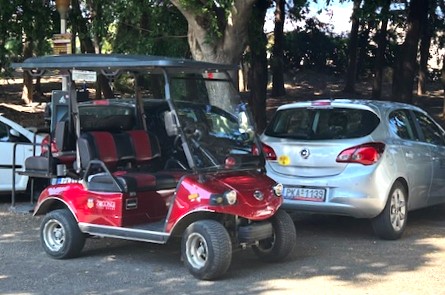
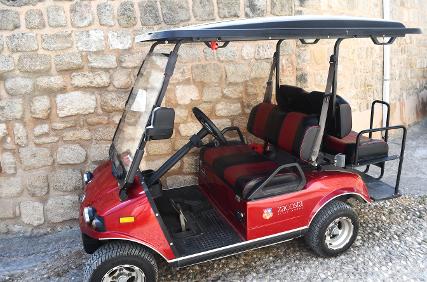
- feeling like royalty being driven over the cobblestones by George and John in Old Rhodes Town
- Elina / family and the care provided at Hotel Kastellorizo
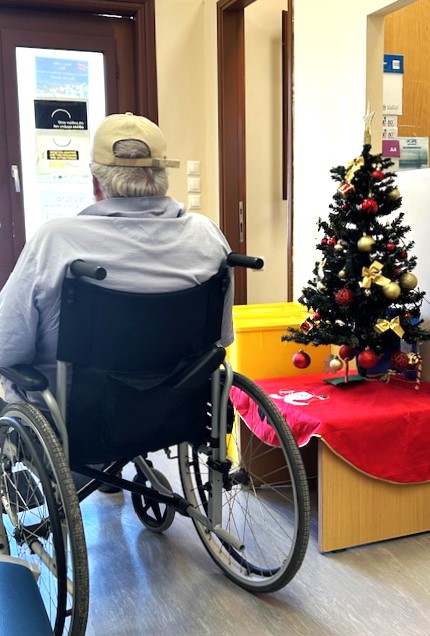
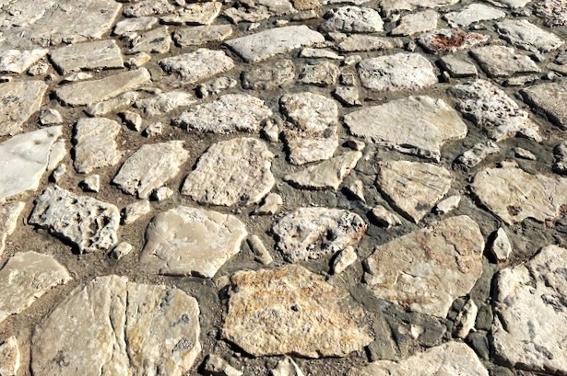
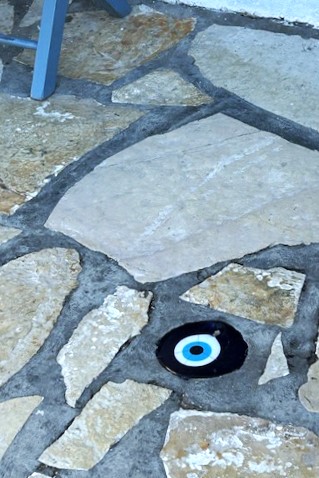
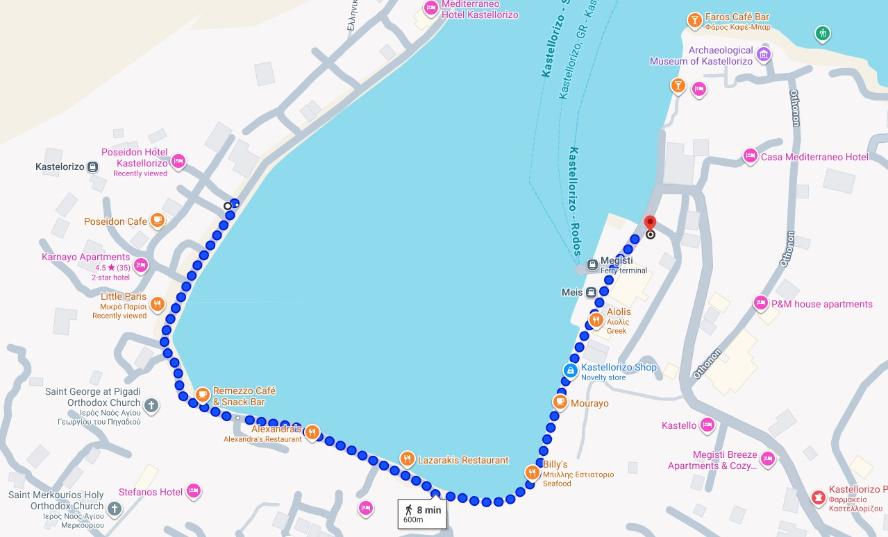
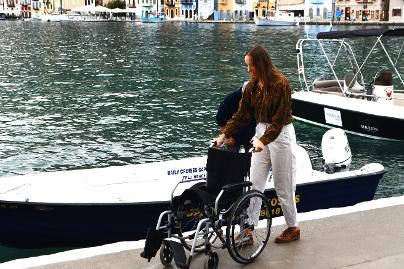
- Gayle pushing / pulling Norm around the harbour of Kastellorizo, especially over the flagstones
- Gayle developing a new appreciation of the importance of wheelchair accessibility
- the helpfulness of locals when Gayle was struggling over those flagstones
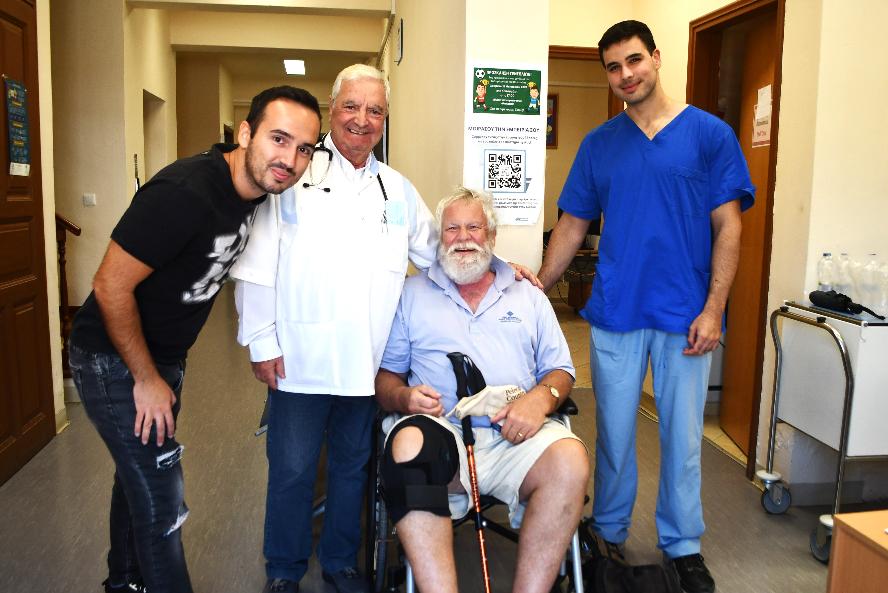
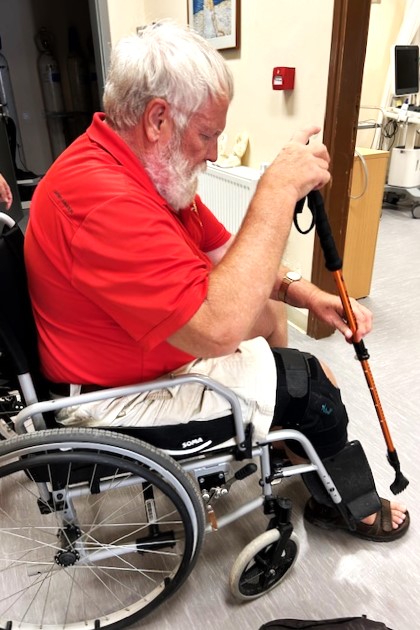
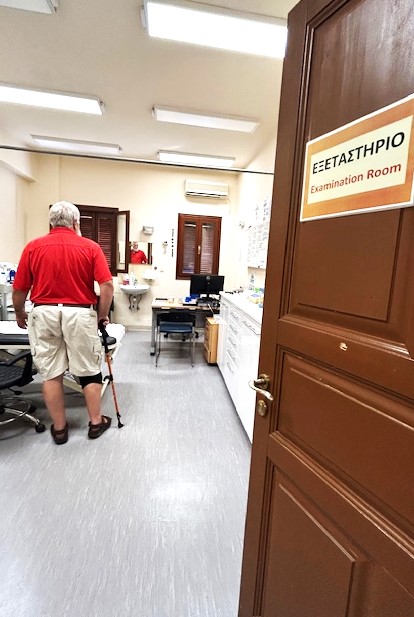
- how fortunate we were there was a medical clinic and a wheel chair to borrow in Kastellorizo
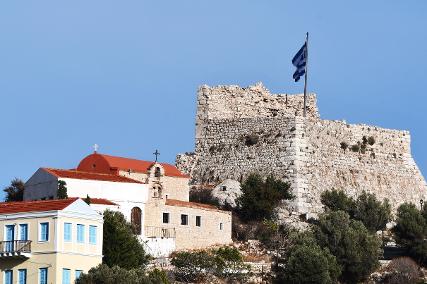
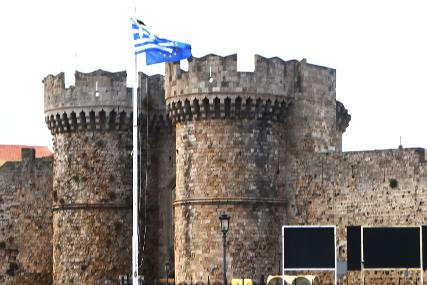
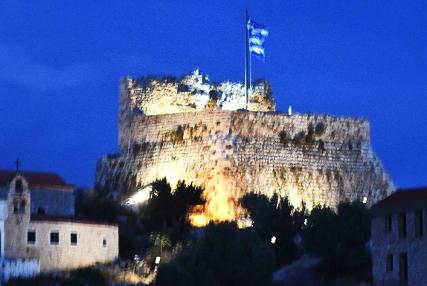
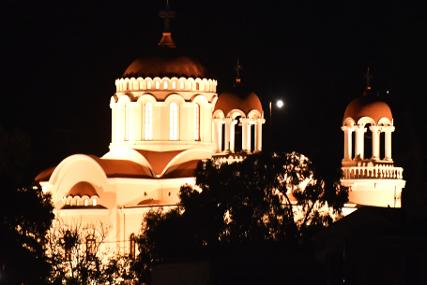
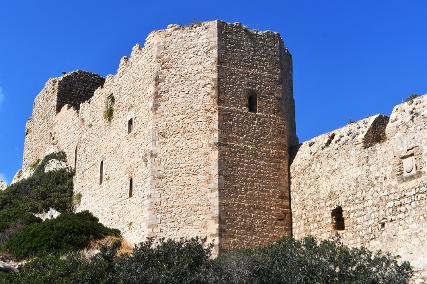
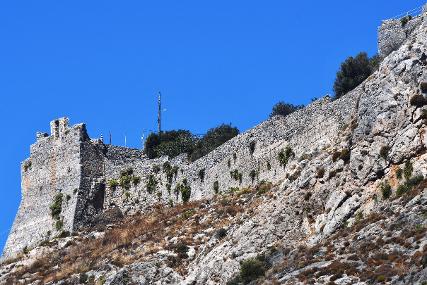
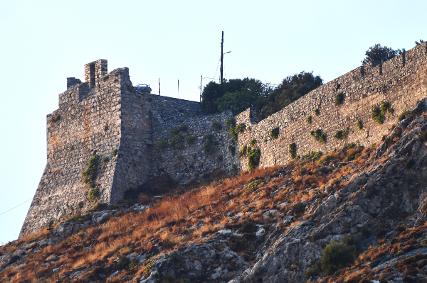
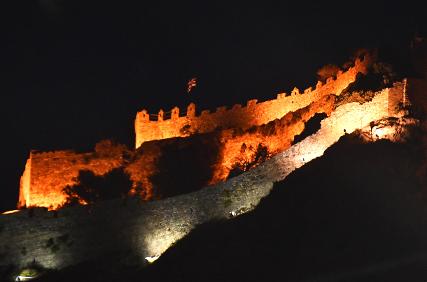
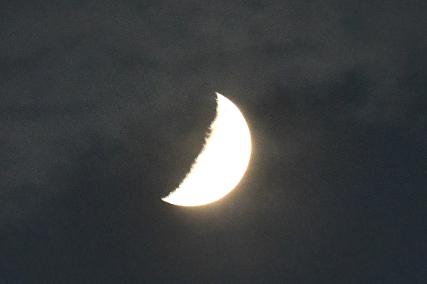
- the full moons spotlighting the castle in Kastellorizo
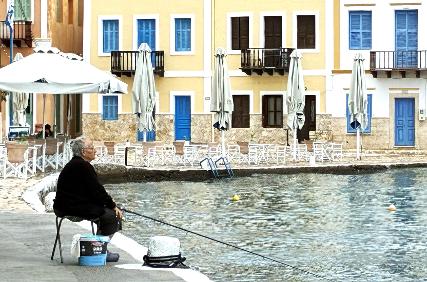
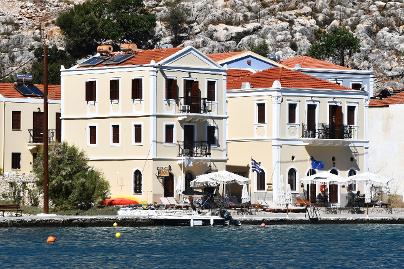
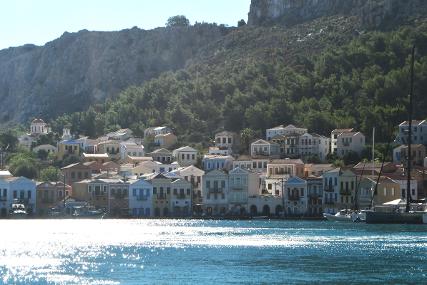
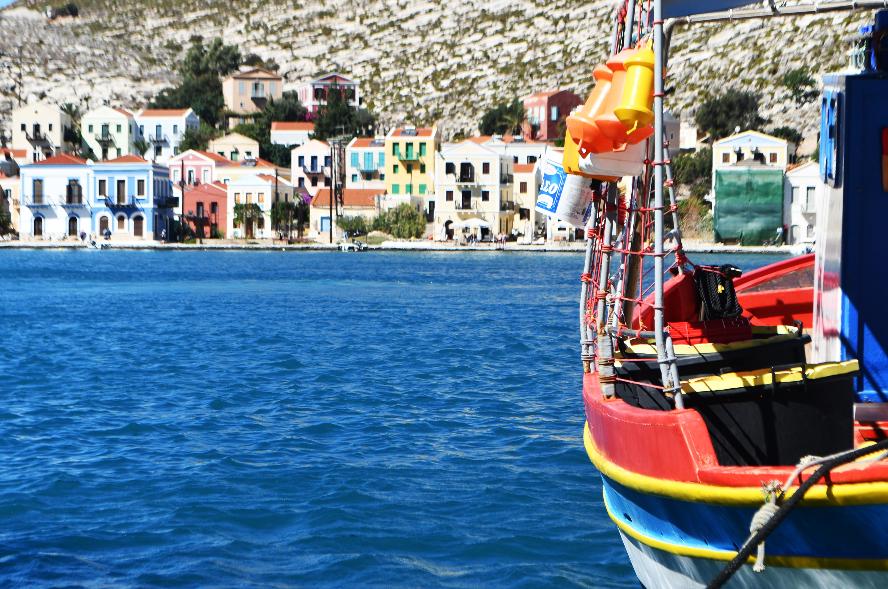
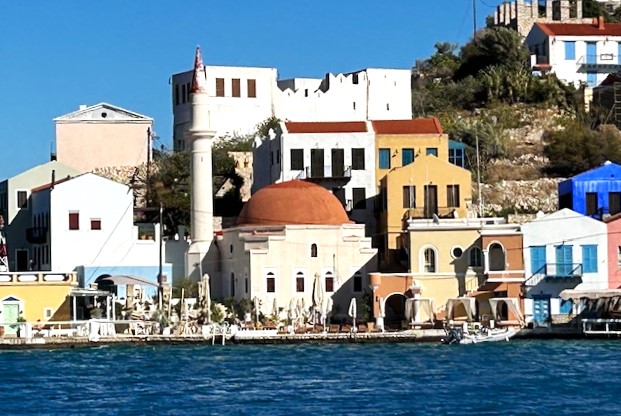
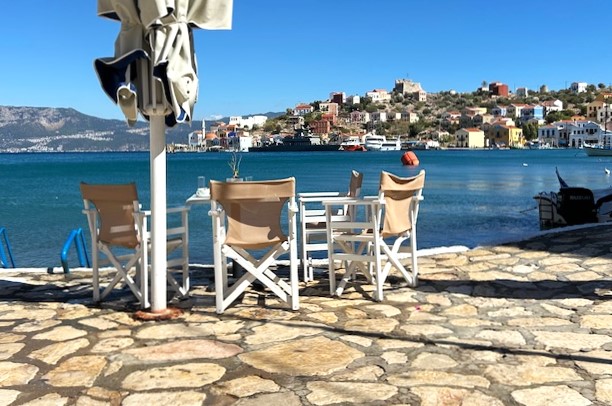
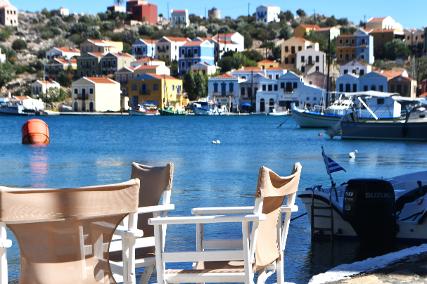
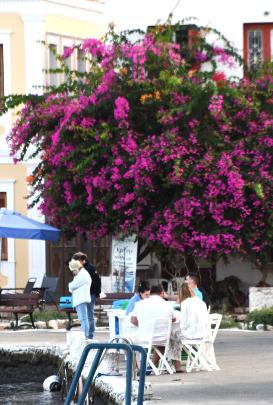
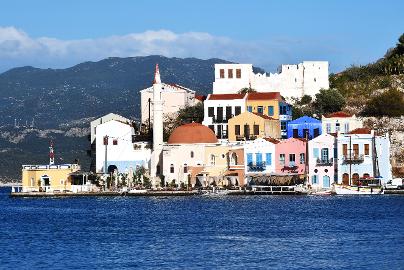
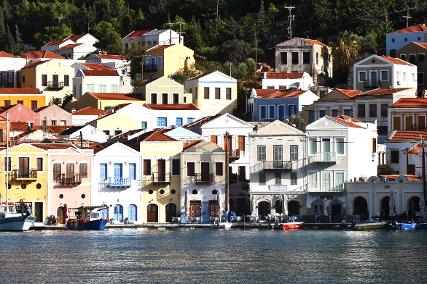
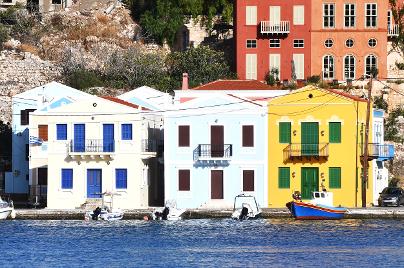
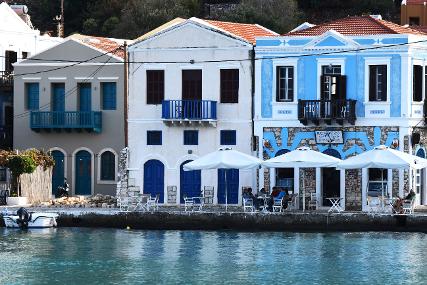
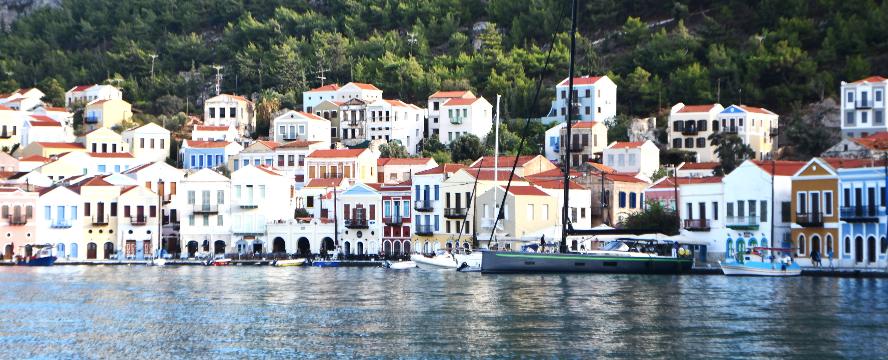
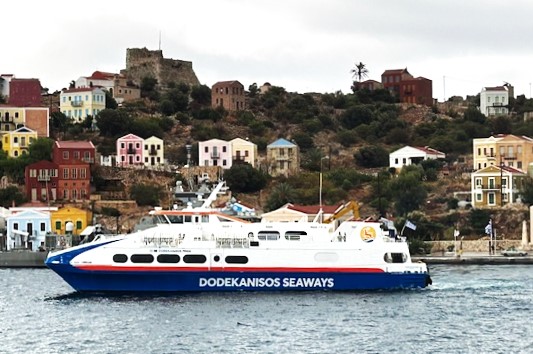
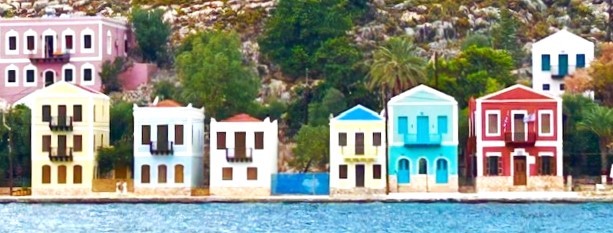
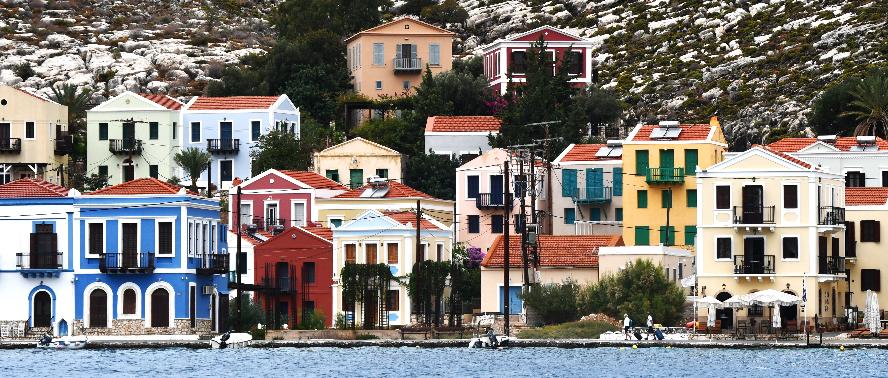
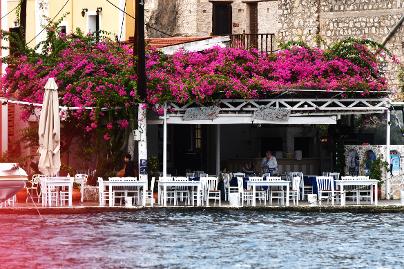
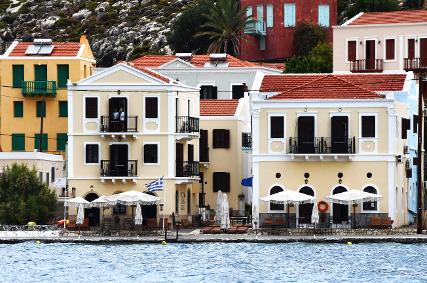
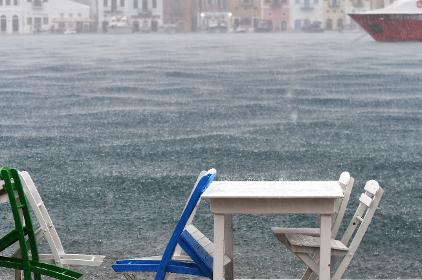
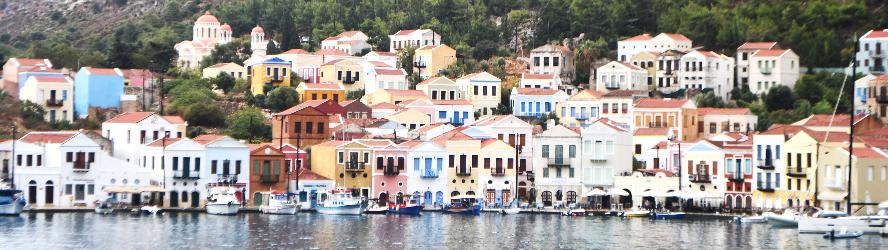
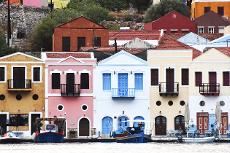
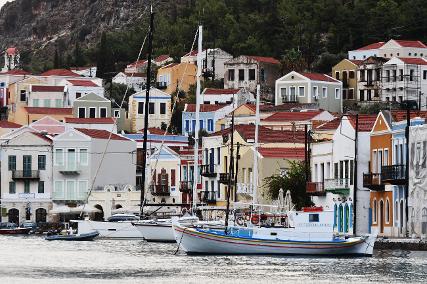
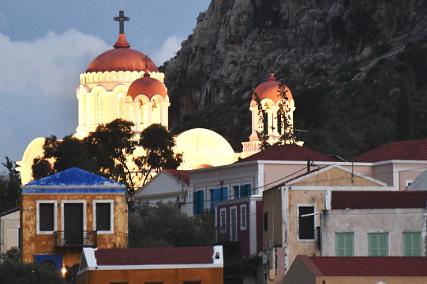
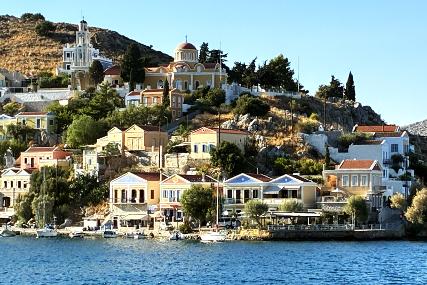
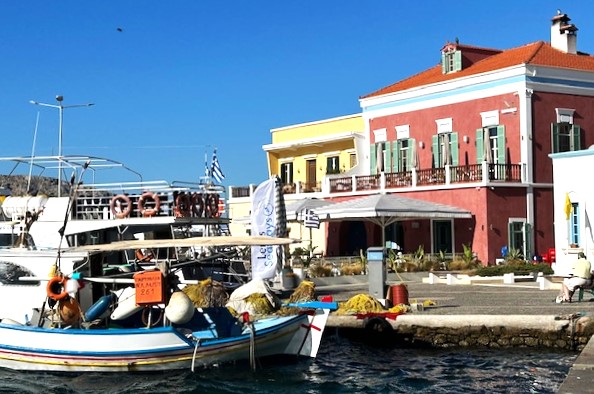
- the very pretty harbour of Kastellorizo, especially when the blue skies and sun came out
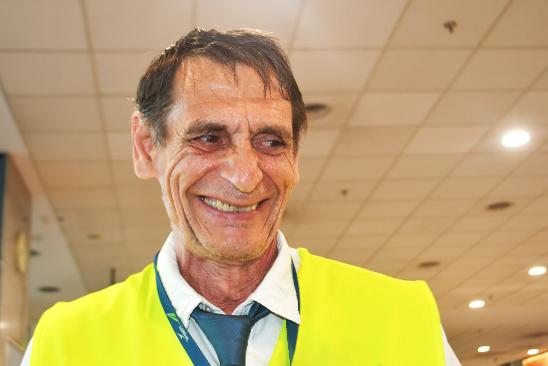
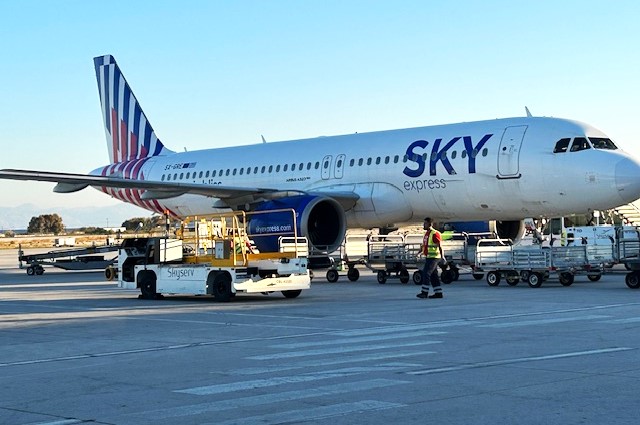
- 'Disability Class' with the airlines - the airport staff were particularly talkative and friendly
- the very rough ferry from Rodos to Kastellorizo
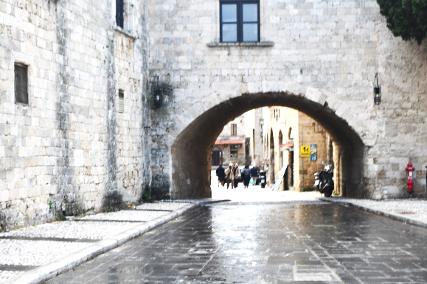
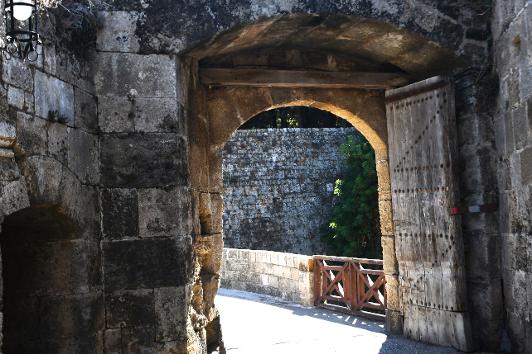
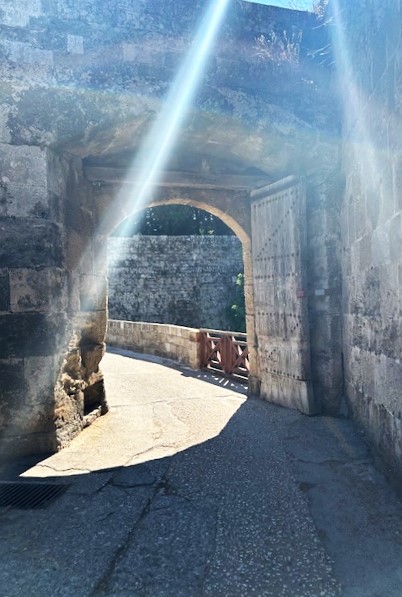
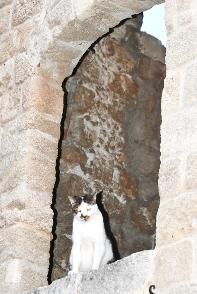
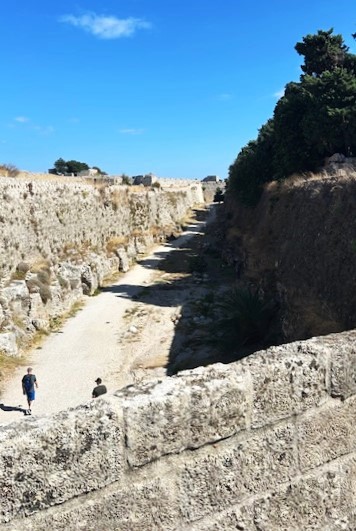
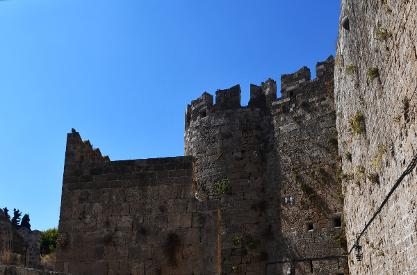
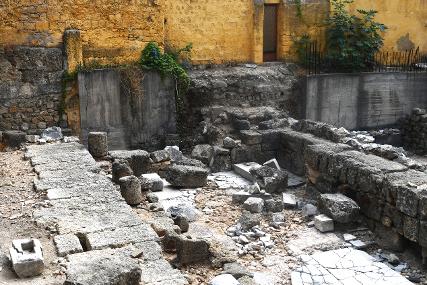
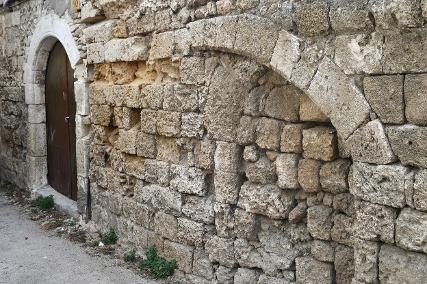
- the beauty and history of Old Rhodes Town
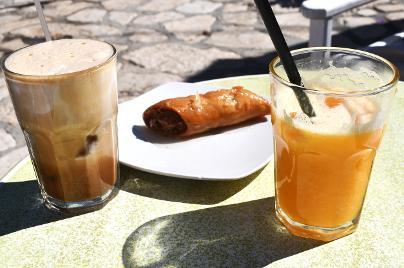
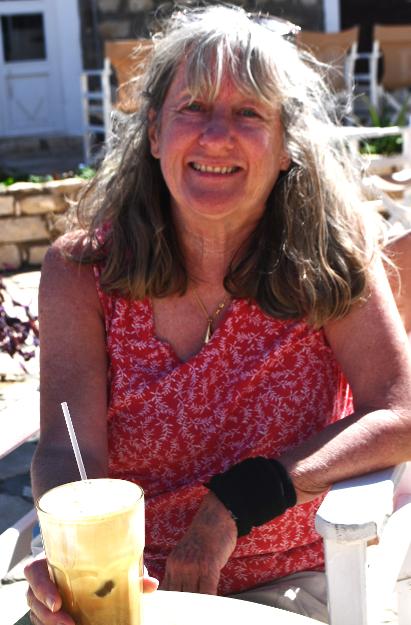
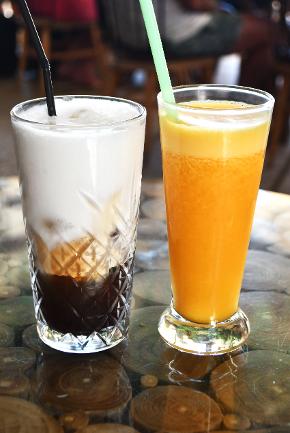
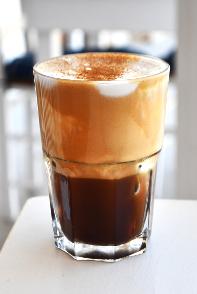
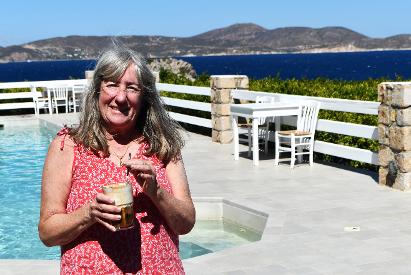
- Gayle enjoying a cafe freddo
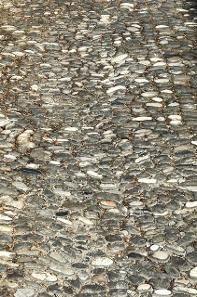
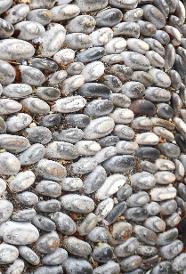
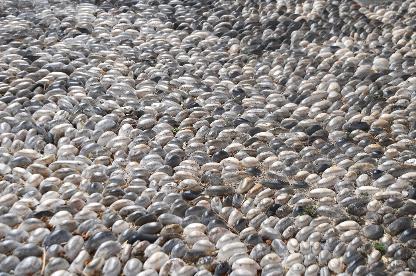
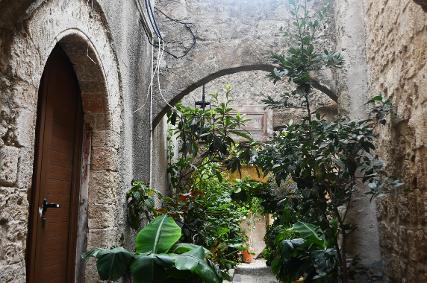
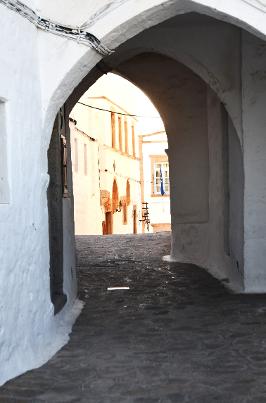
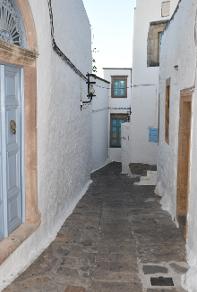
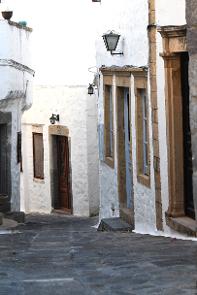
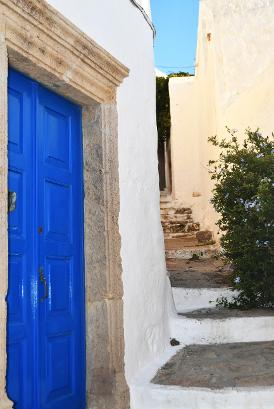
- the beautiful cobblestone pathways, especially in Old Rhodes Town
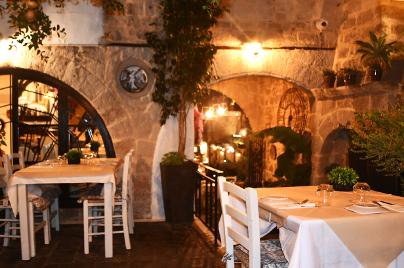
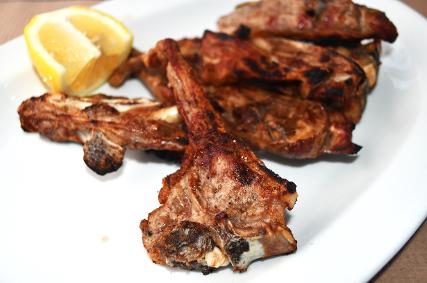
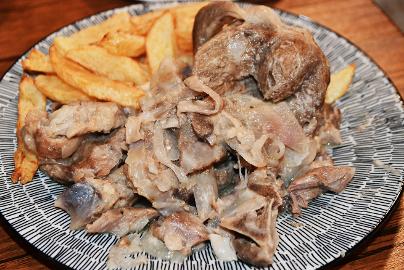
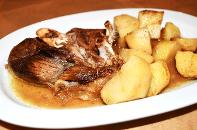
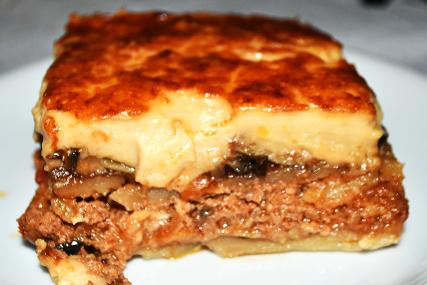
- our delicious meal at To Rodi, in Old Rhodes Town, especially the vegetarian moussaka and lamb kleftiko
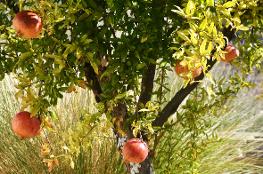
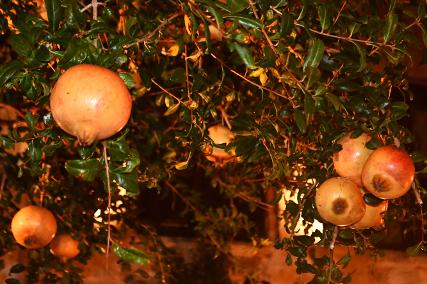
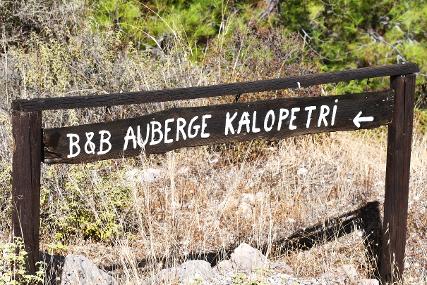
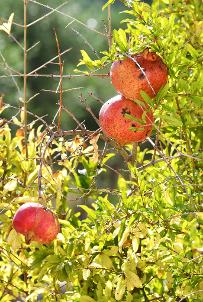
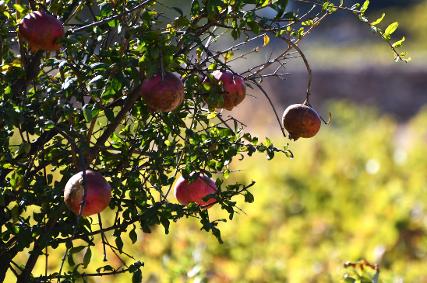
- pomegranate trees in To Rodi restaurant and around Auberge Kalopetri
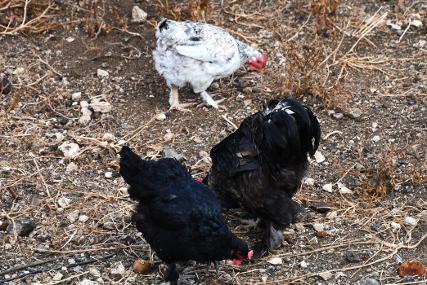
- waking up to the rooster in Leros and Auberge Kalopetri
- the friendliness and service of Ulrike and all staff at Auberge Kalopetri
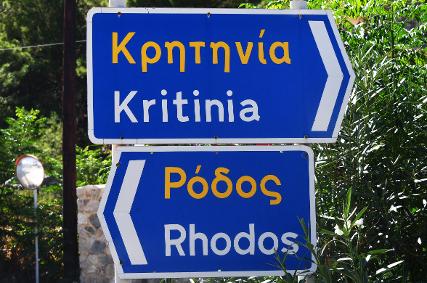
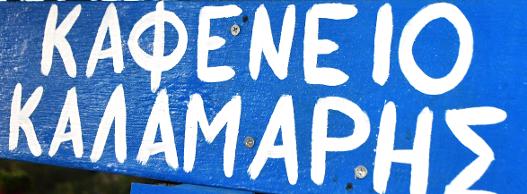
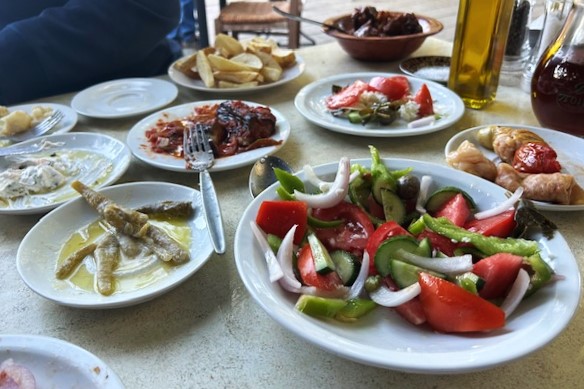
- dinner of whatever Adonis cooked that day at Taverna Kalamaris, Kritinia
- getting lost searching for Taverna Kalamaris
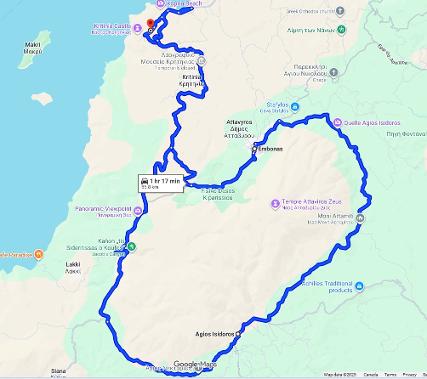
- our day drive through Embonas and Ag. Isodora and the surrounding countryside
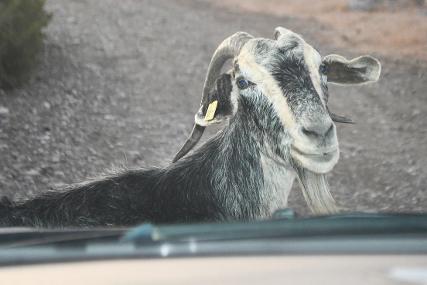
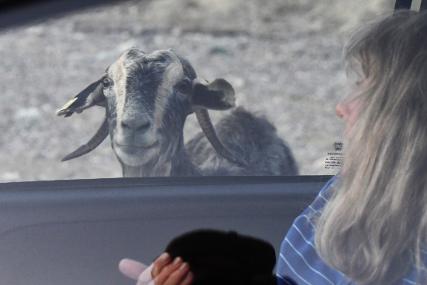
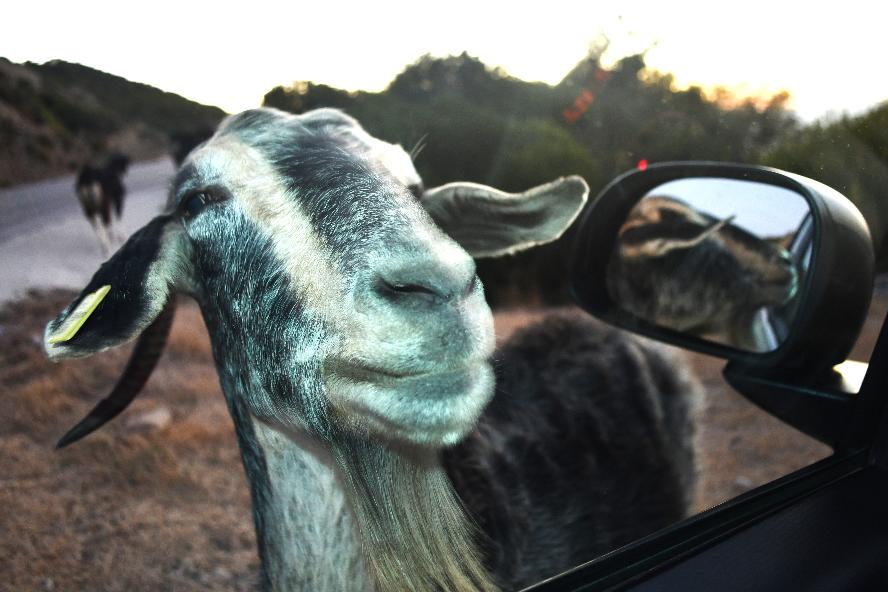
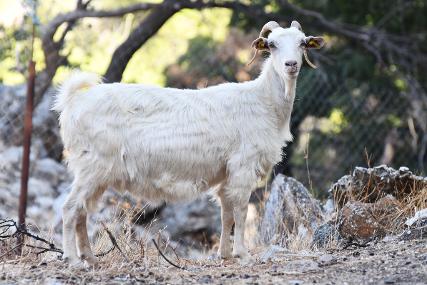
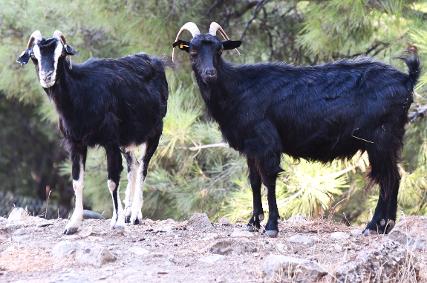
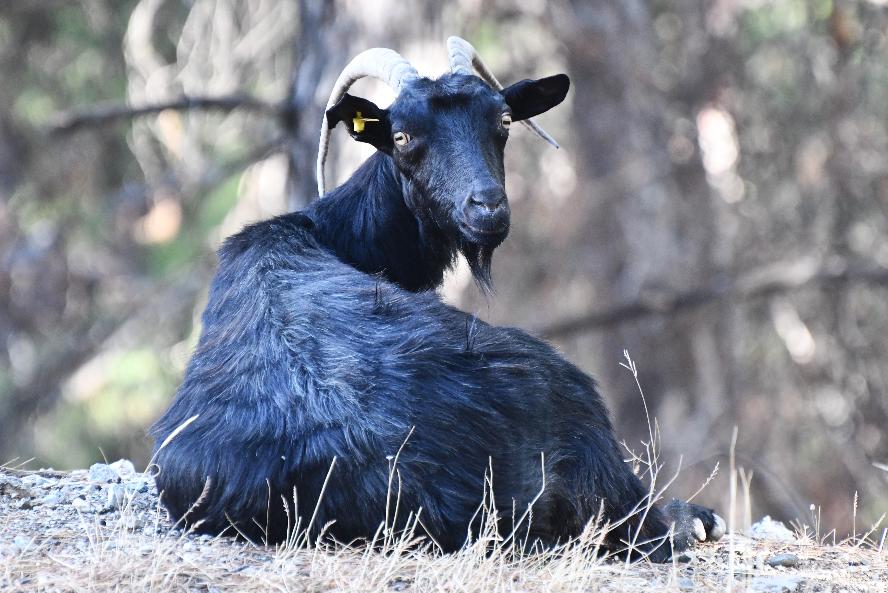
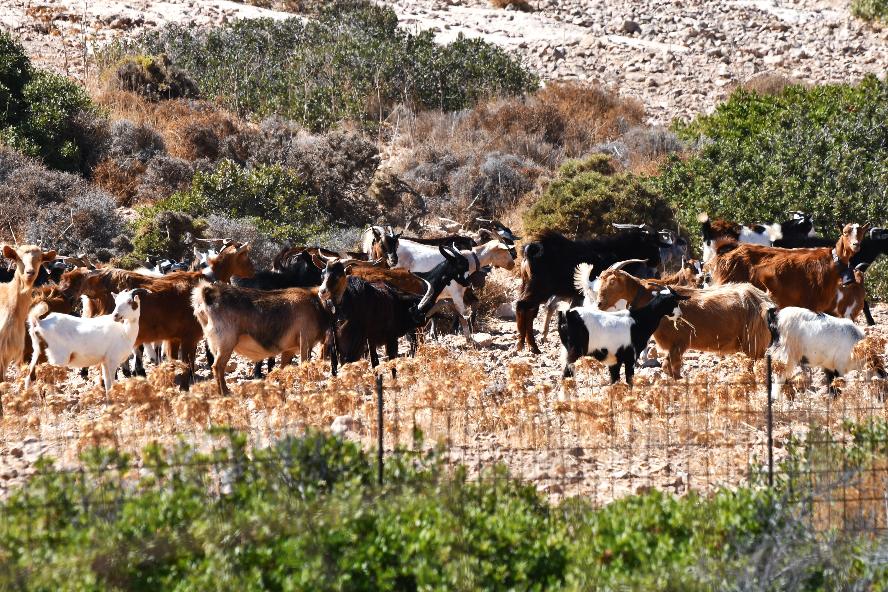
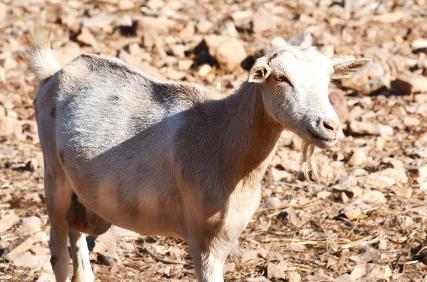
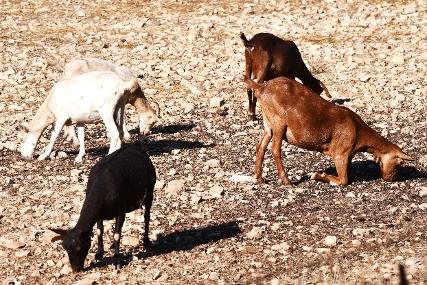
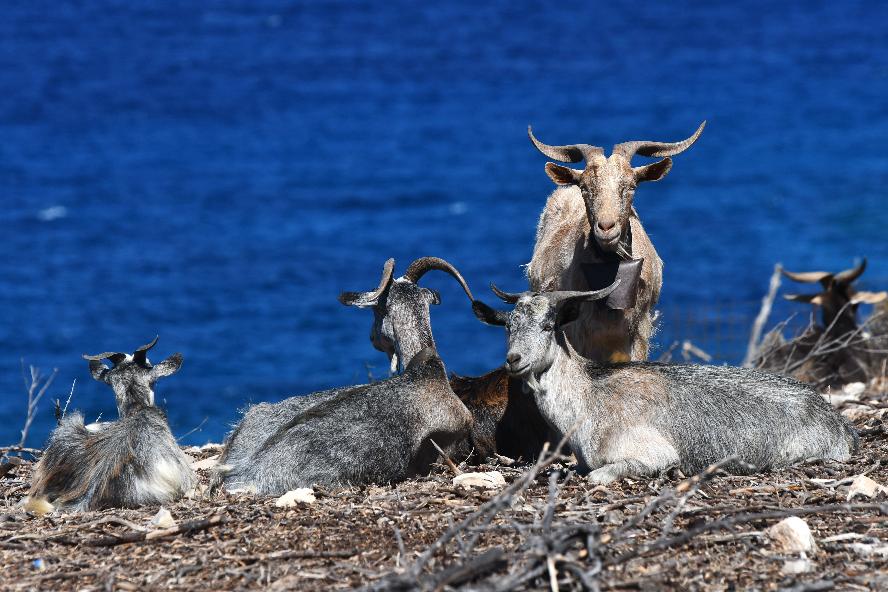
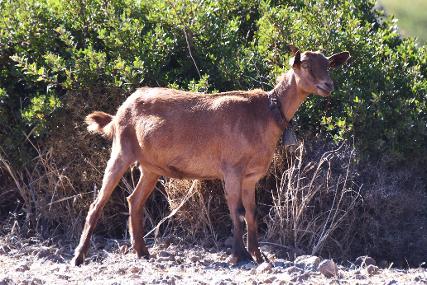
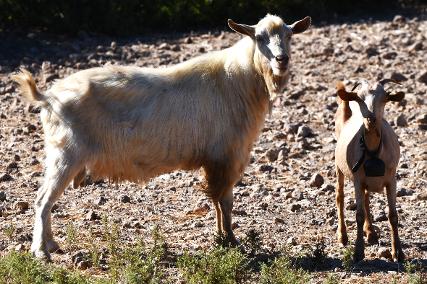
- goats - lots and lots of goats
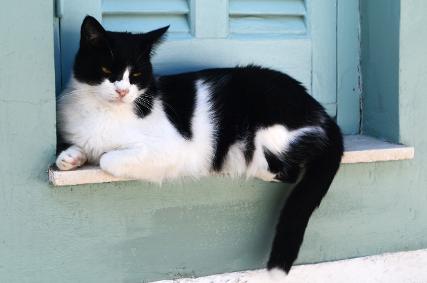
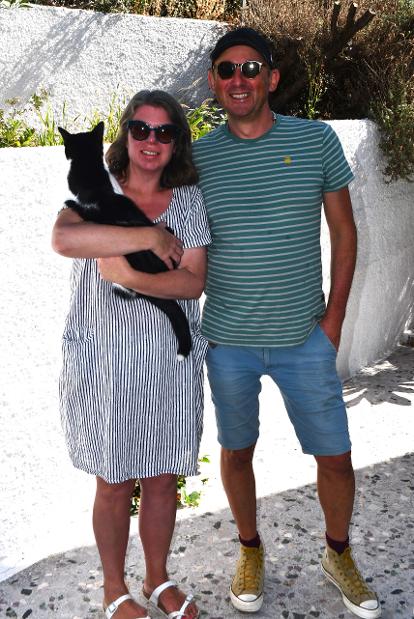
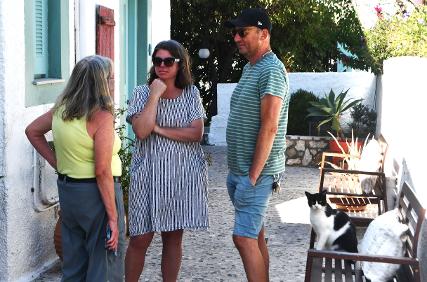
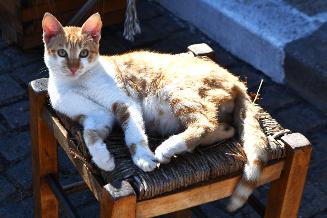
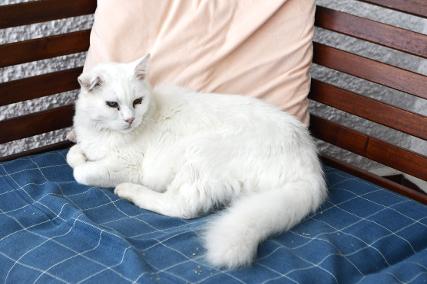
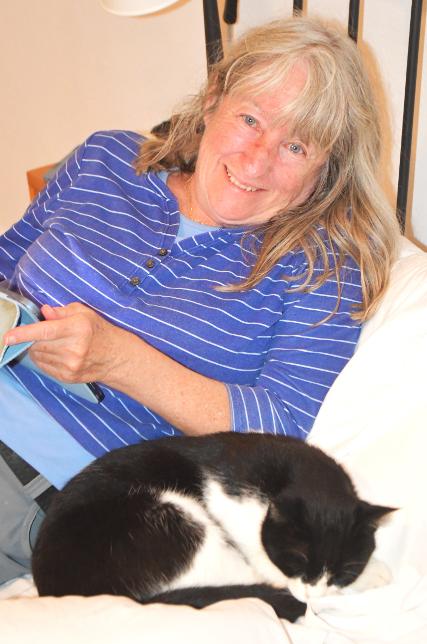
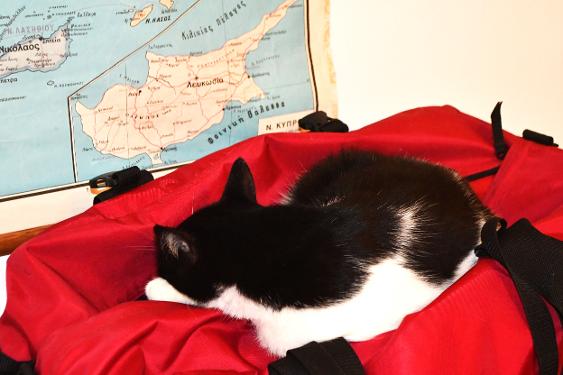
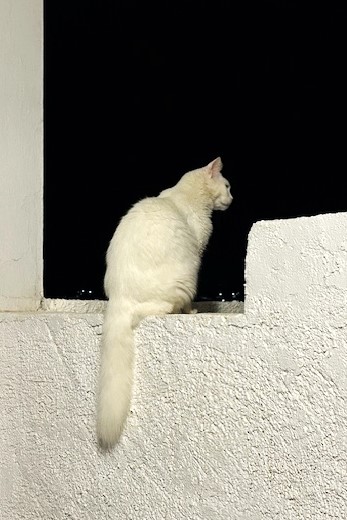
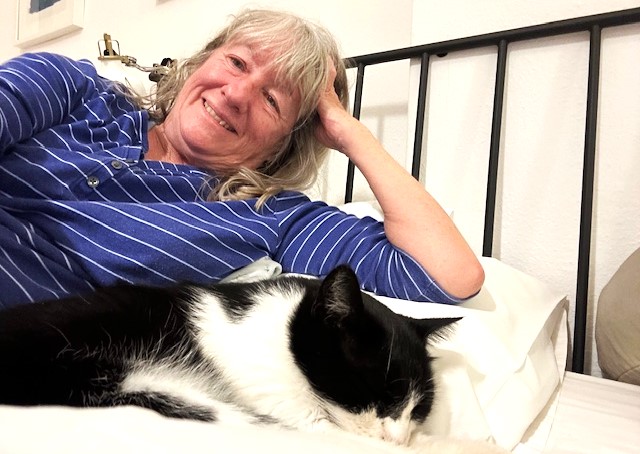
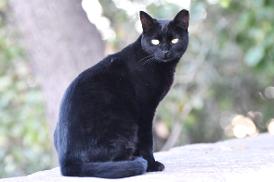
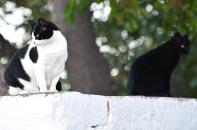
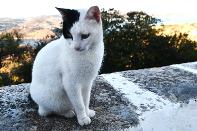
- Hercules and White Angel, our house cats in Leros
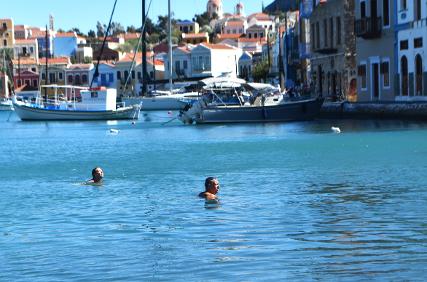
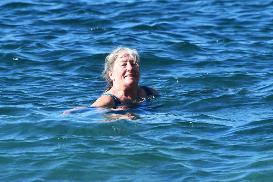
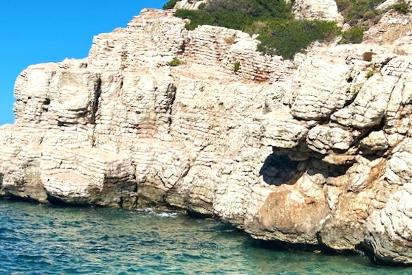
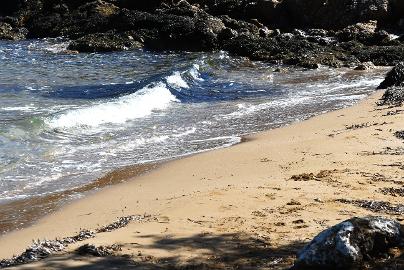
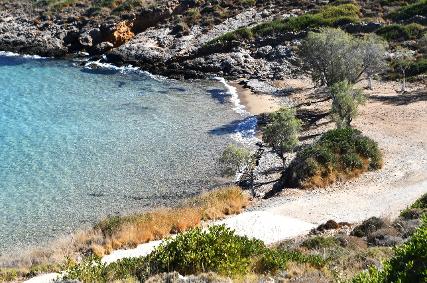
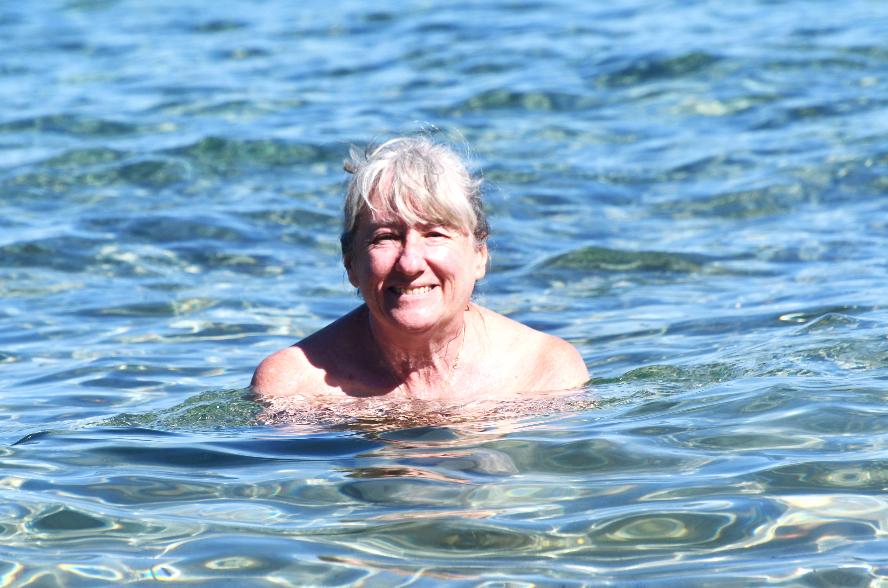
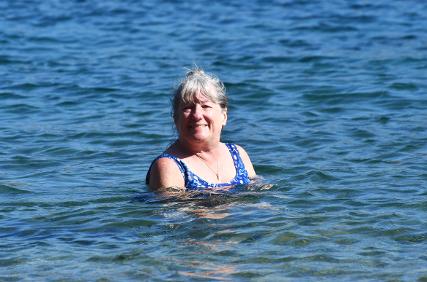
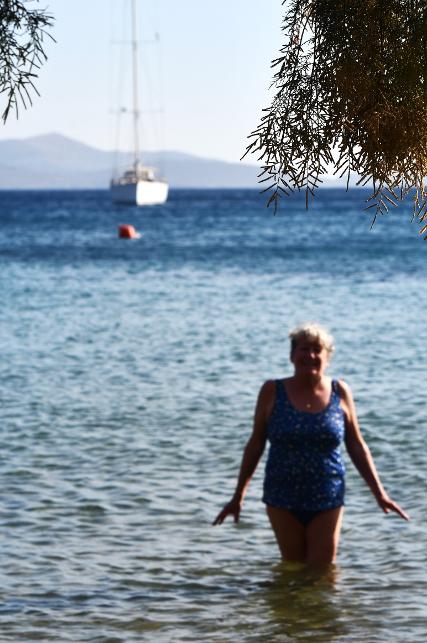
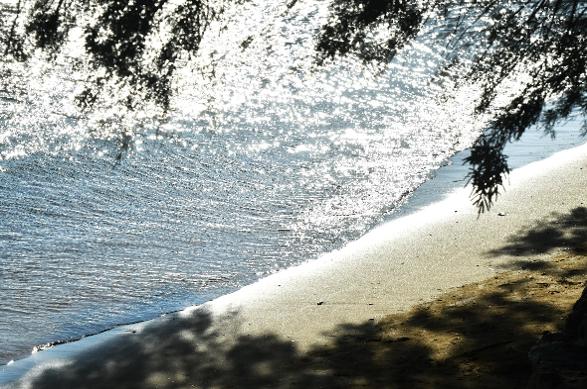
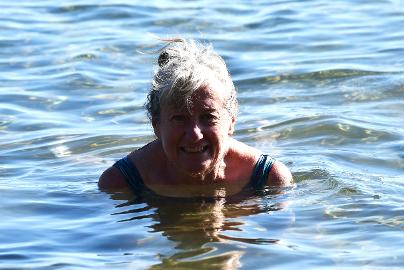
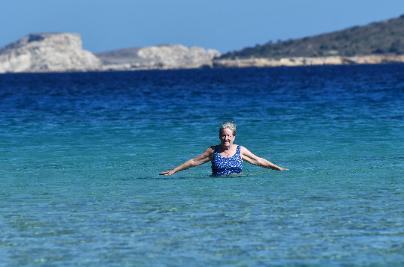
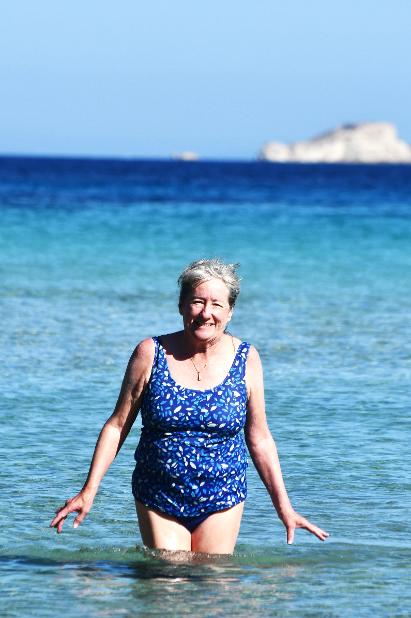
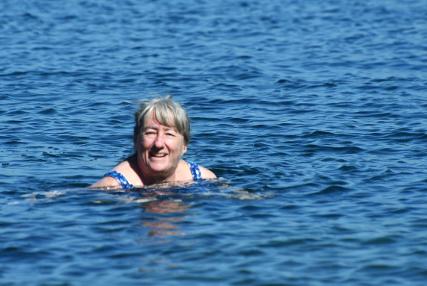
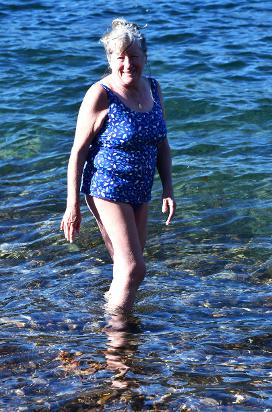
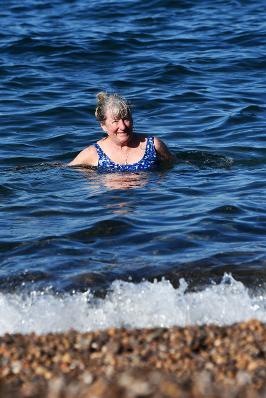
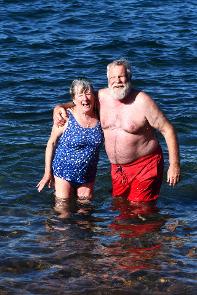
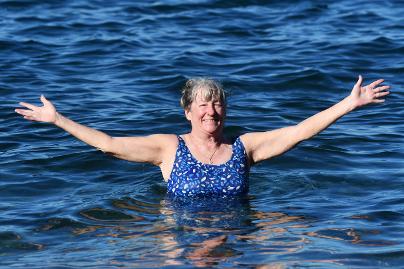
- a couple of enjoyable swims in Lipsi and Leros
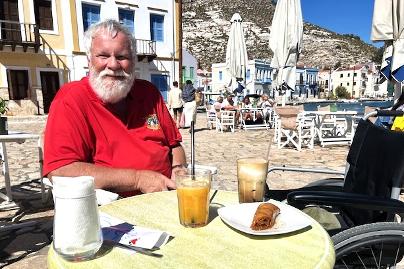
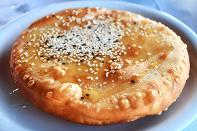
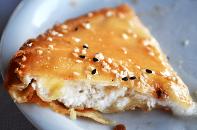
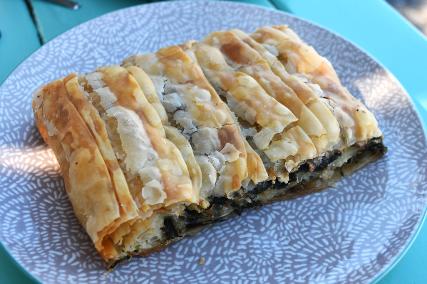
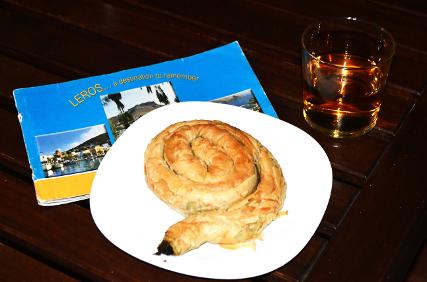
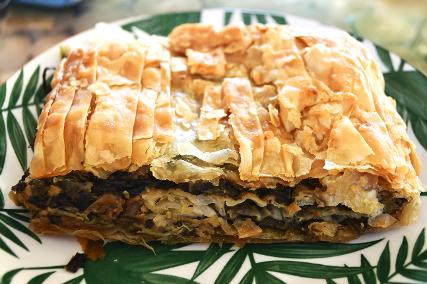
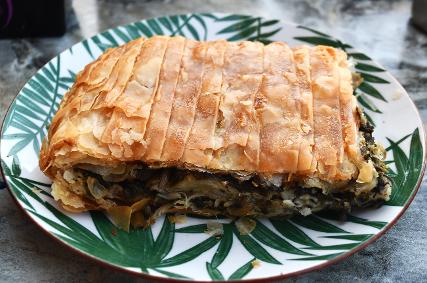
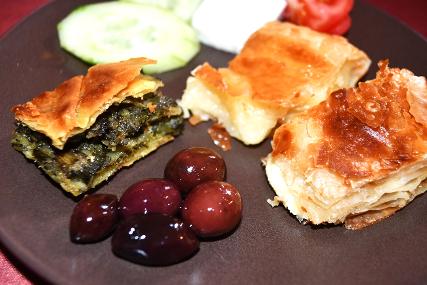
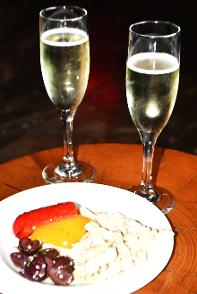
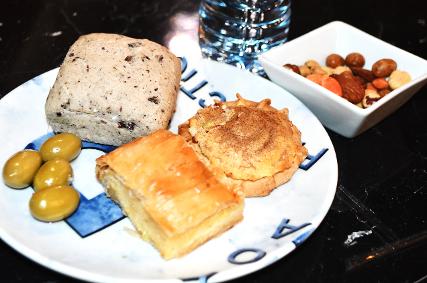
- enjoying drinks, a spinach pie and cookies on a cafe's waterfront waiting for the ferry in Leros
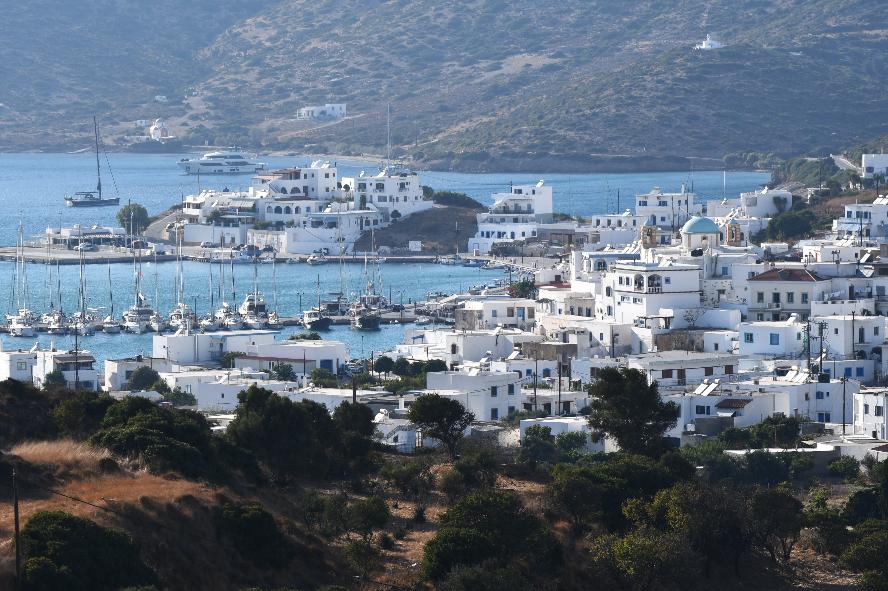
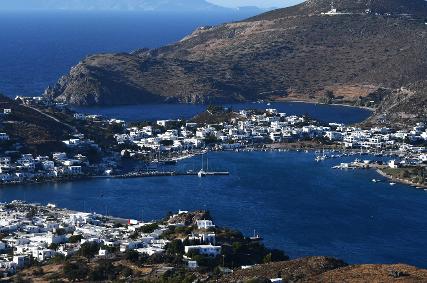
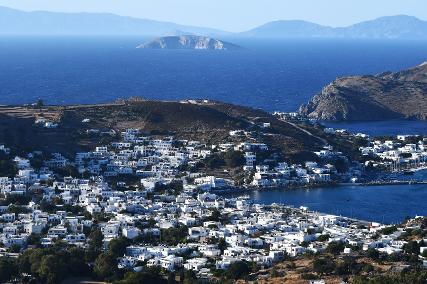
- the views from just about everywhere in Lipsi
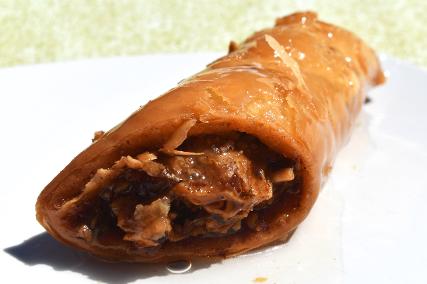
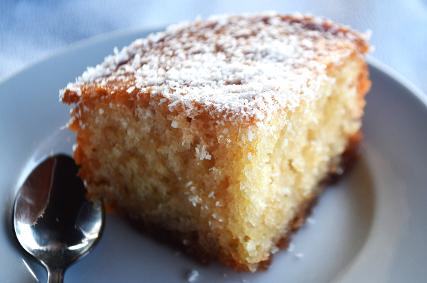
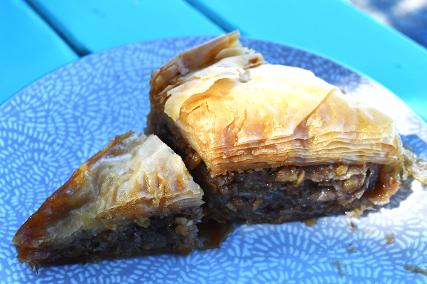
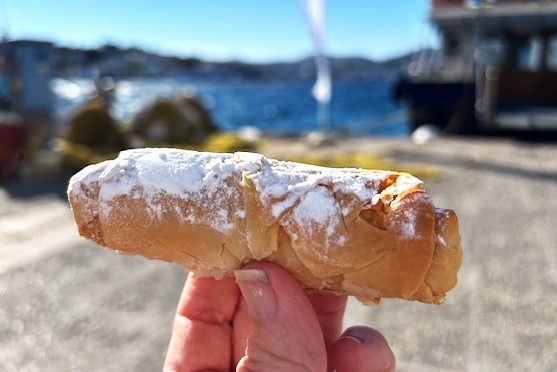
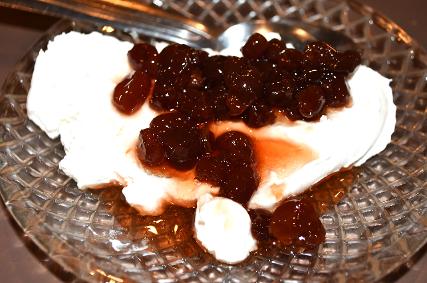
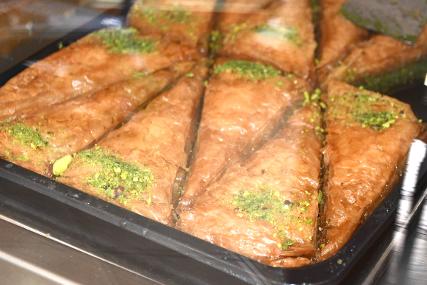
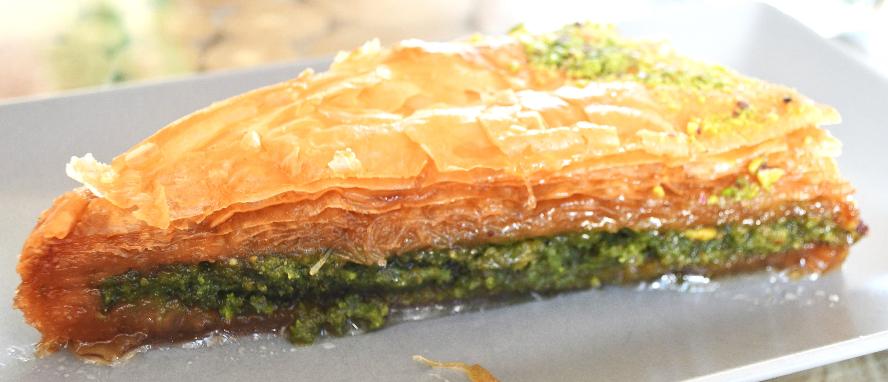
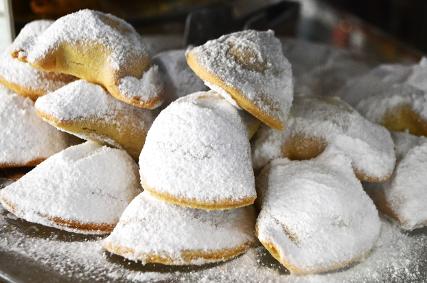
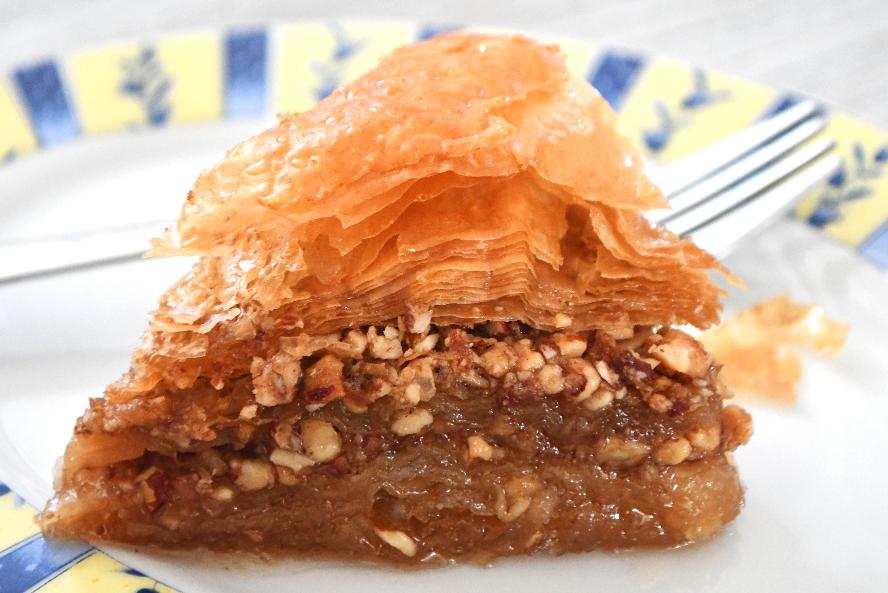
- pistachio baklava (Lipsi)
- the abundance of excellent restaurants in Lipsi
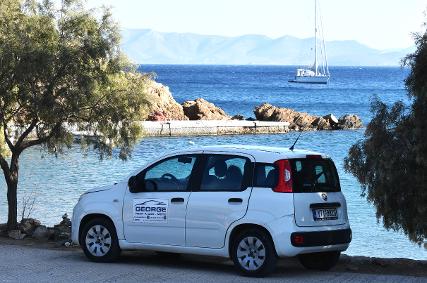
- George car rental - the informality
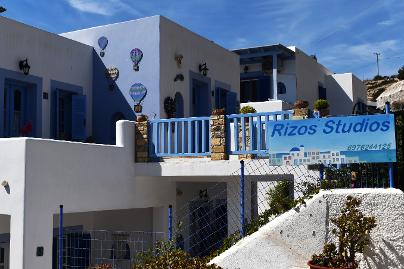
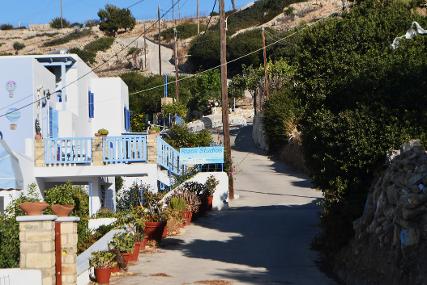
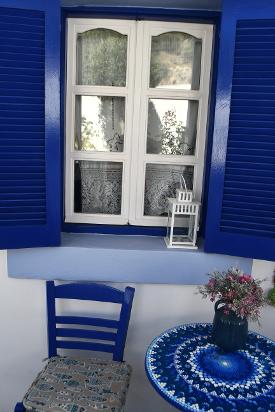
- the very cute and comfortable Rizos Studios
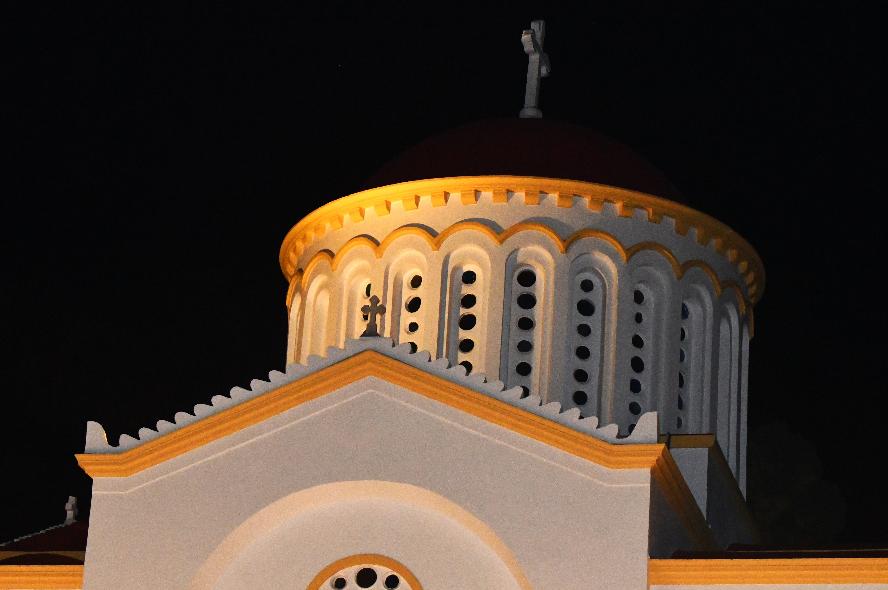
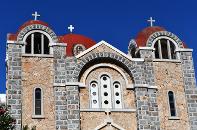
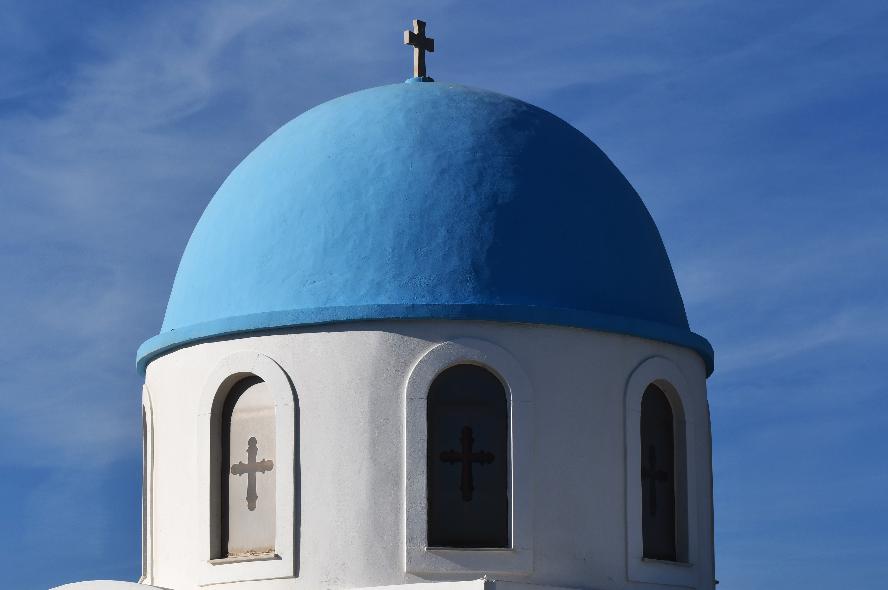
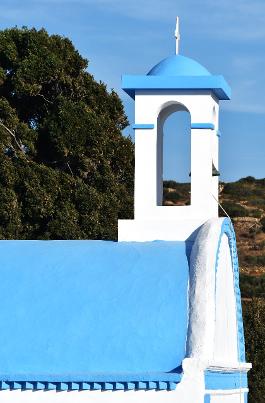
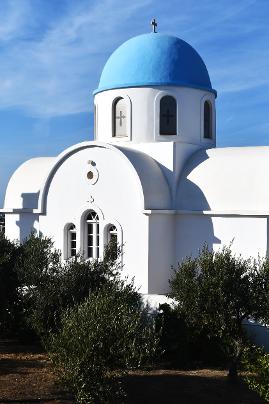
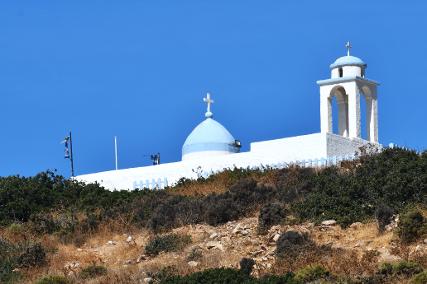
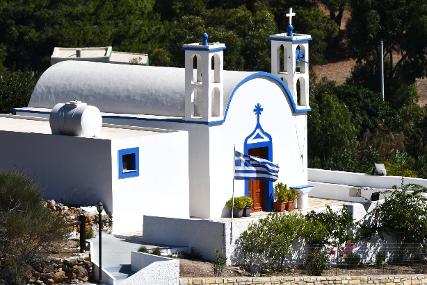
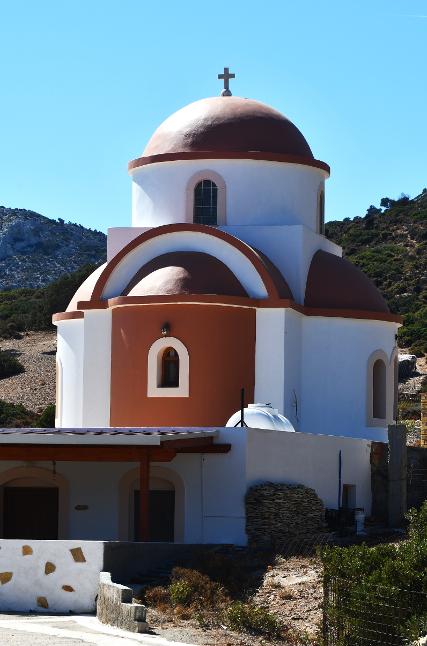
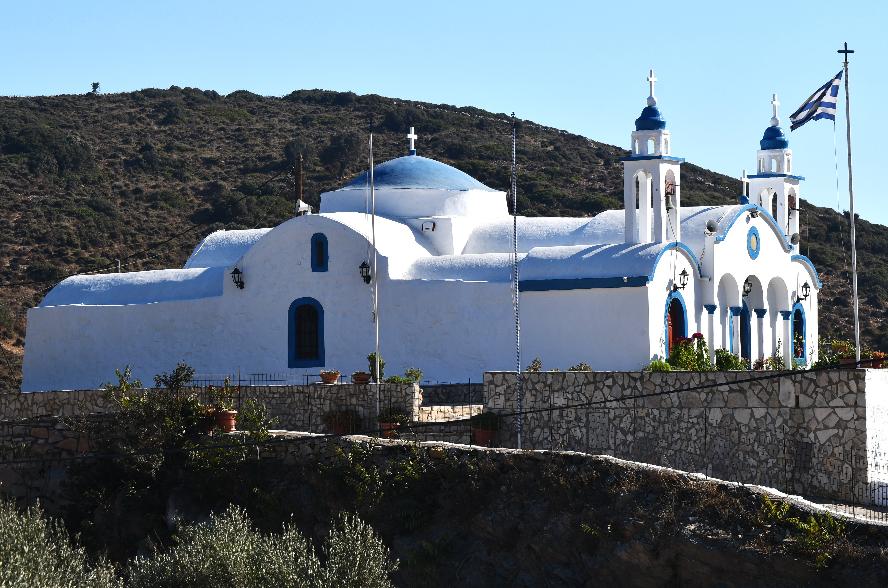
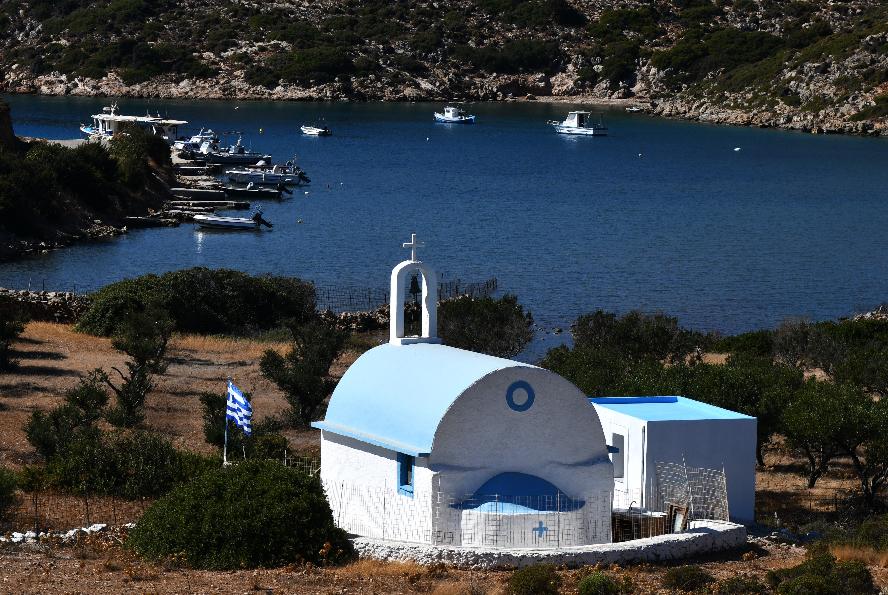
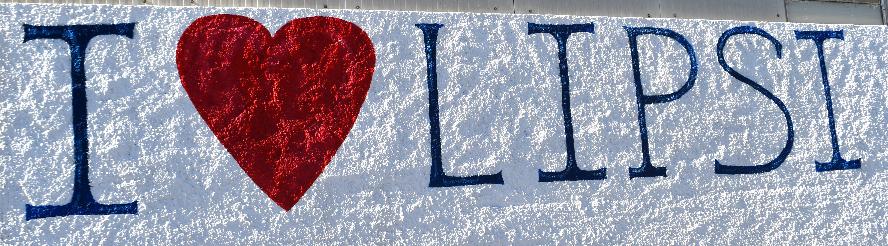
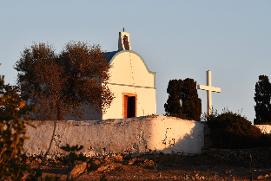
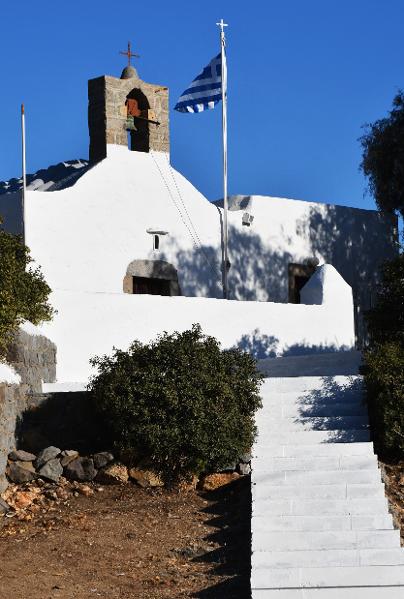
- the overall charm of Lipsi - churches, beaches, the laid-back vibe
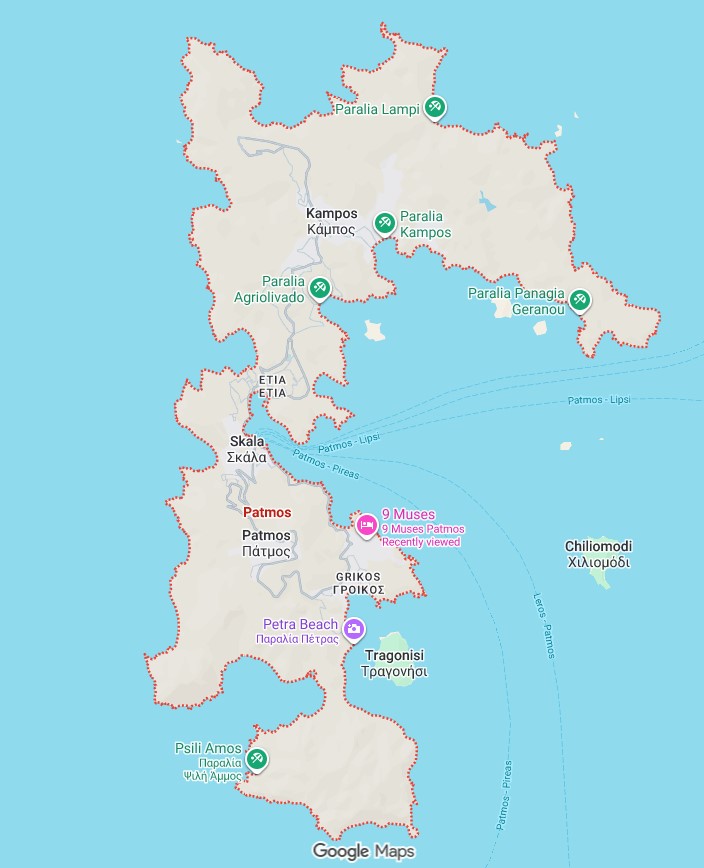
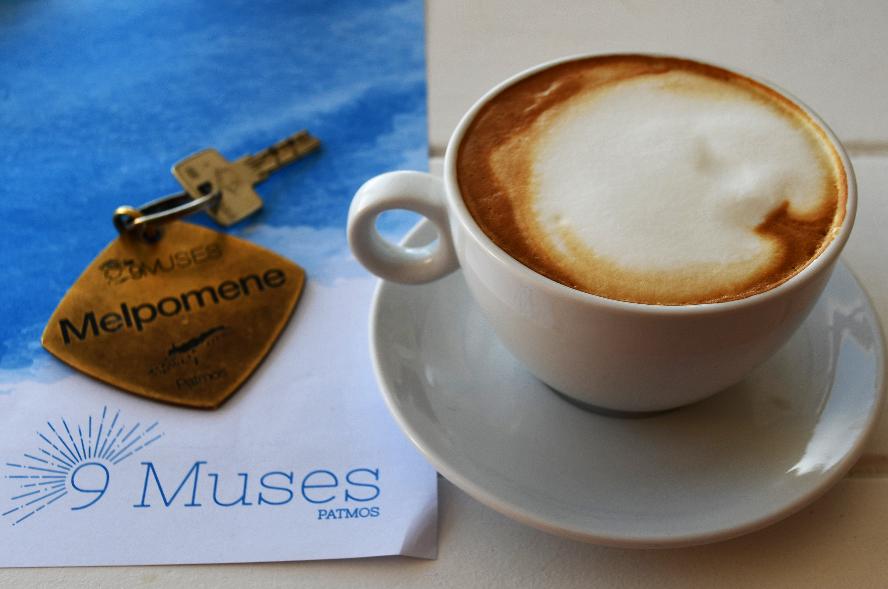
- Vasilis and Gerta at 9 Muses
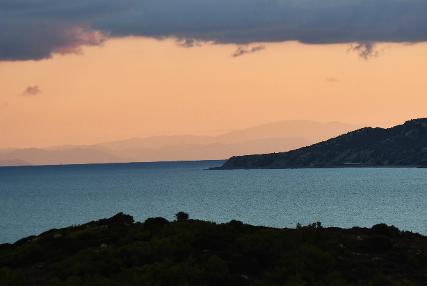
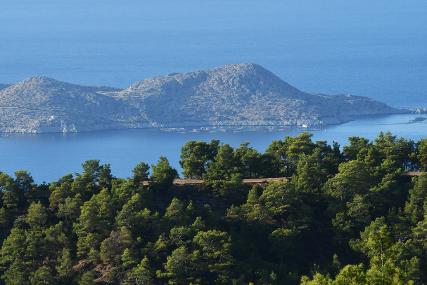
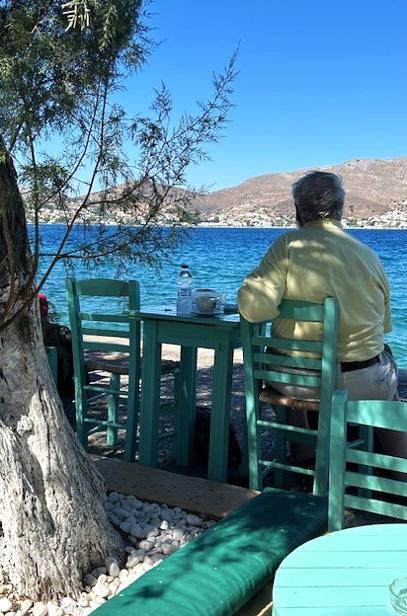
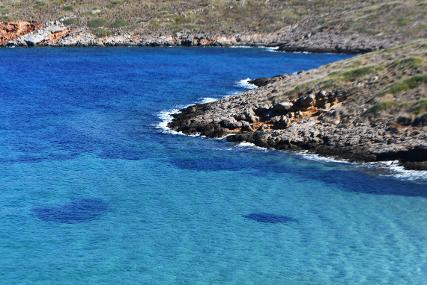
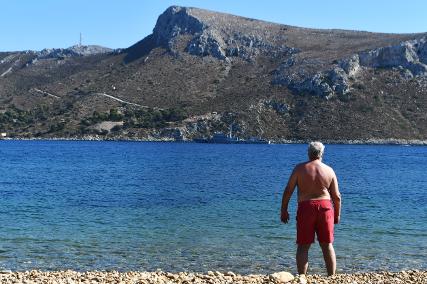
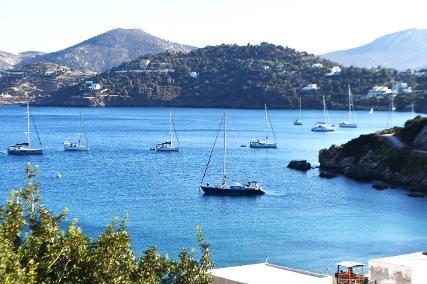
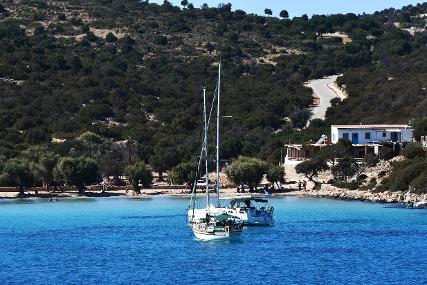
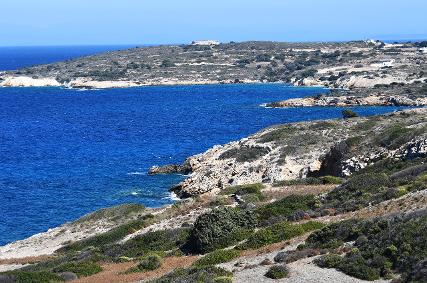
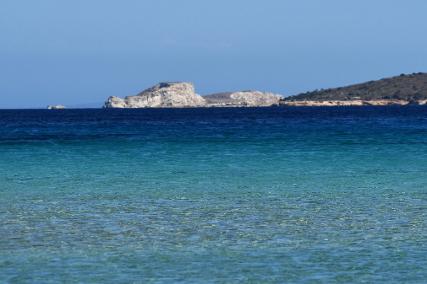
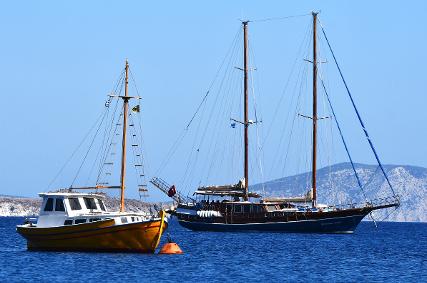
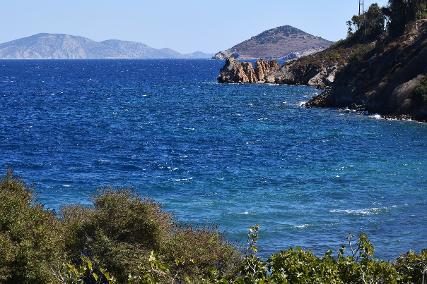
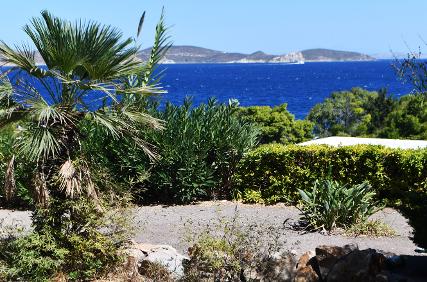
- the endless blue of the sea - sometimes dark blue; sometimes turquoise and all shades in between
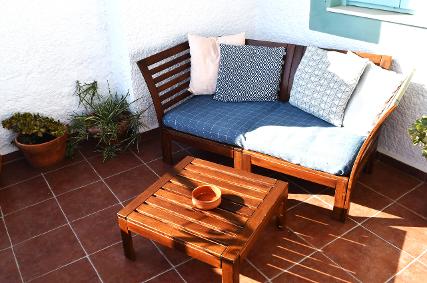
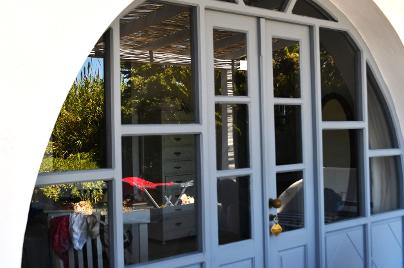
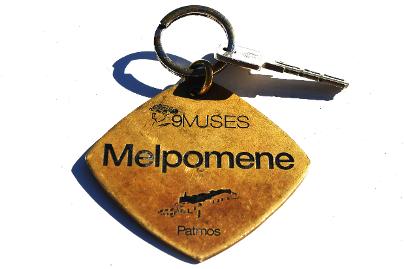
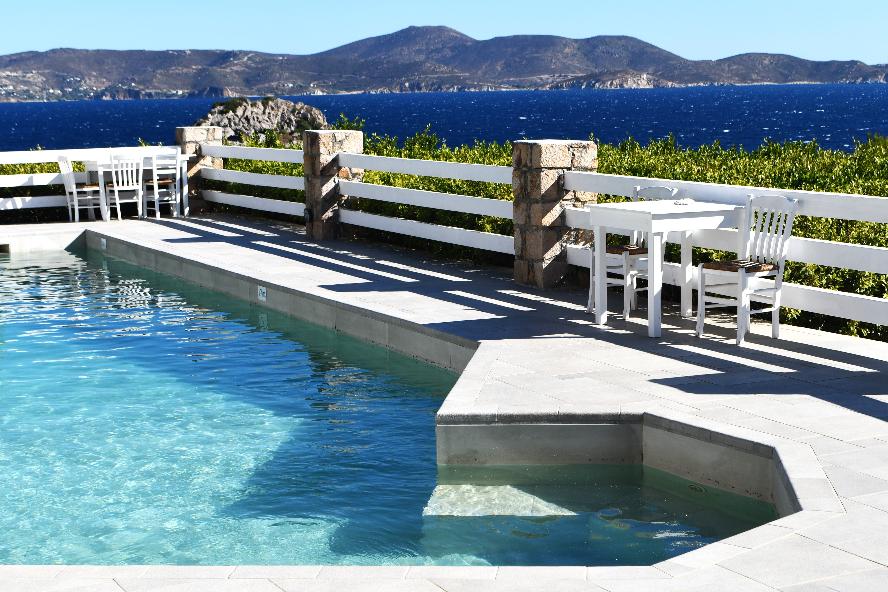
- our beautiful (upgraded) unit with its large terrace and great views to the sea at 9 Muses
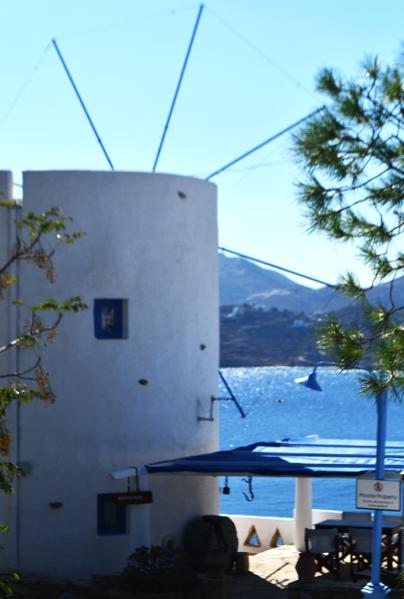
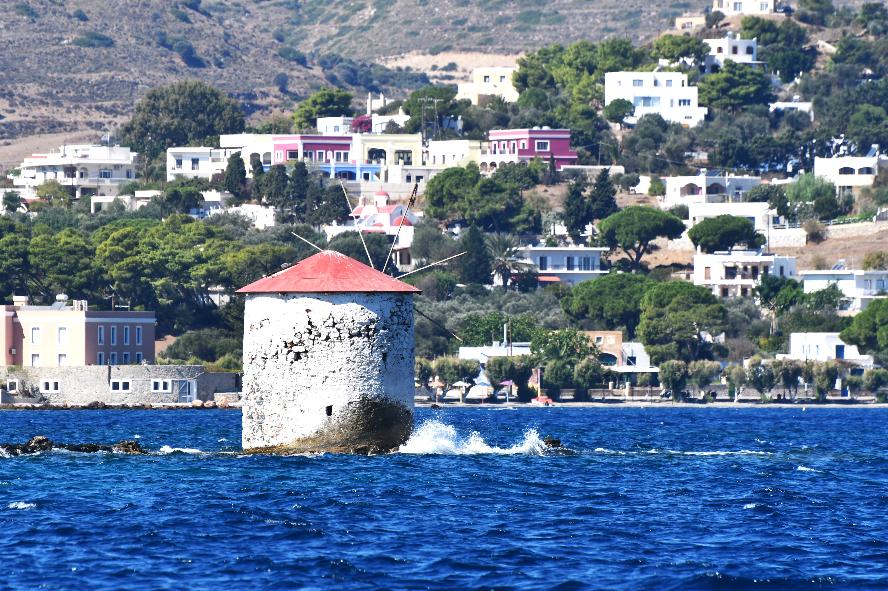
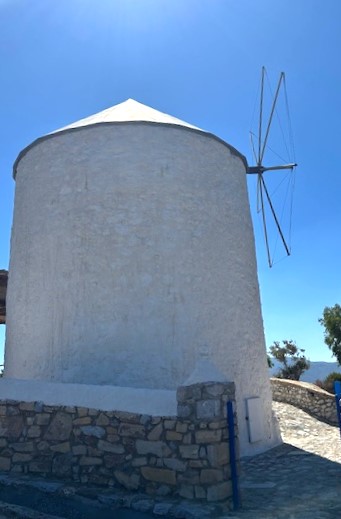
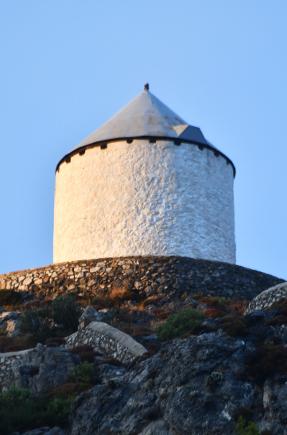
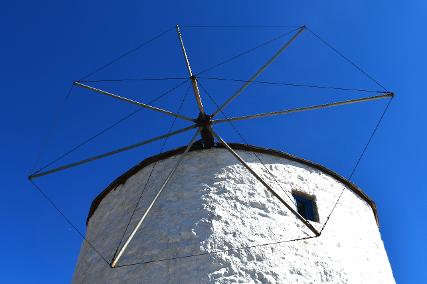
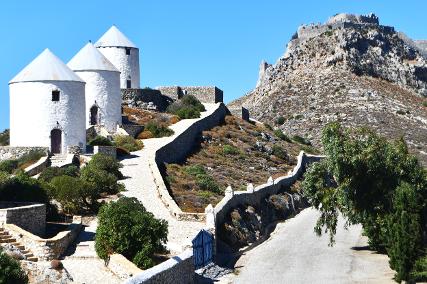
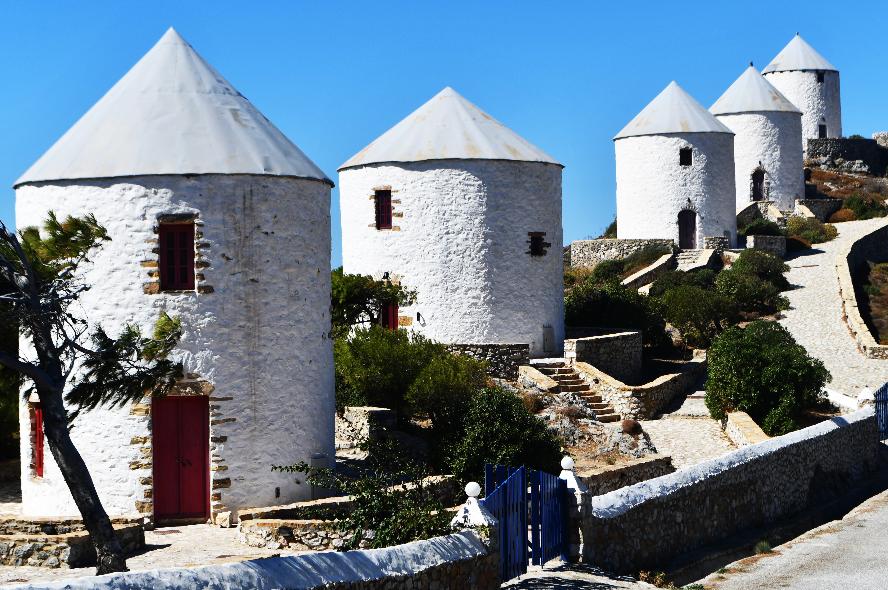
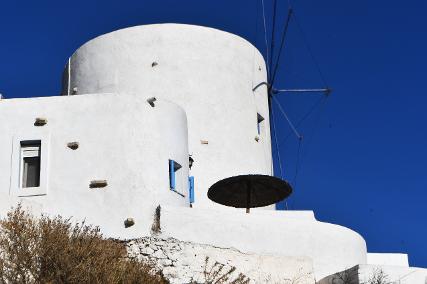
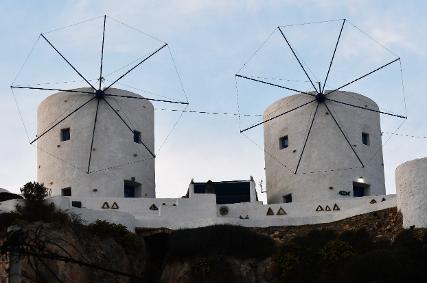
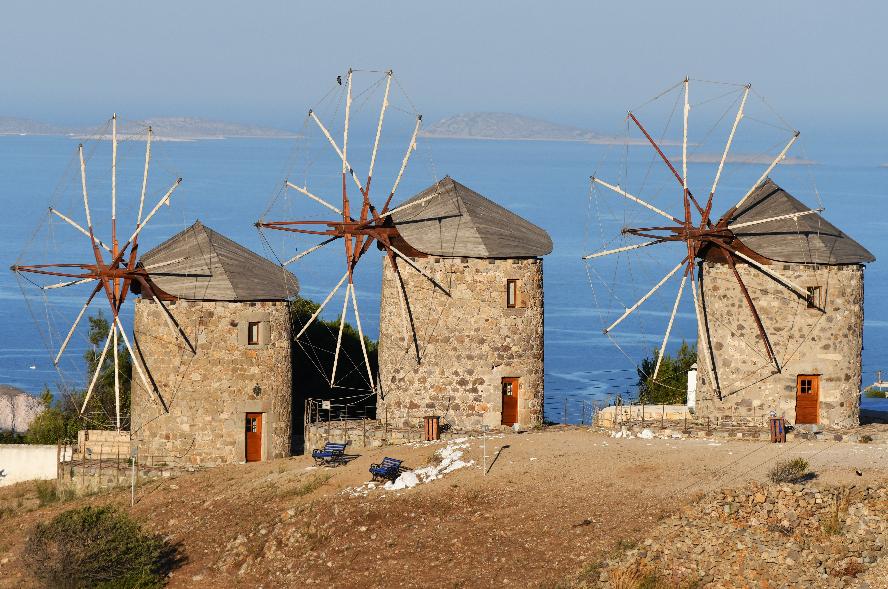
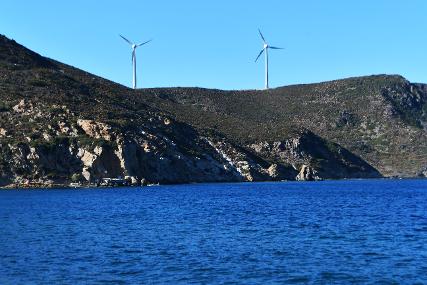
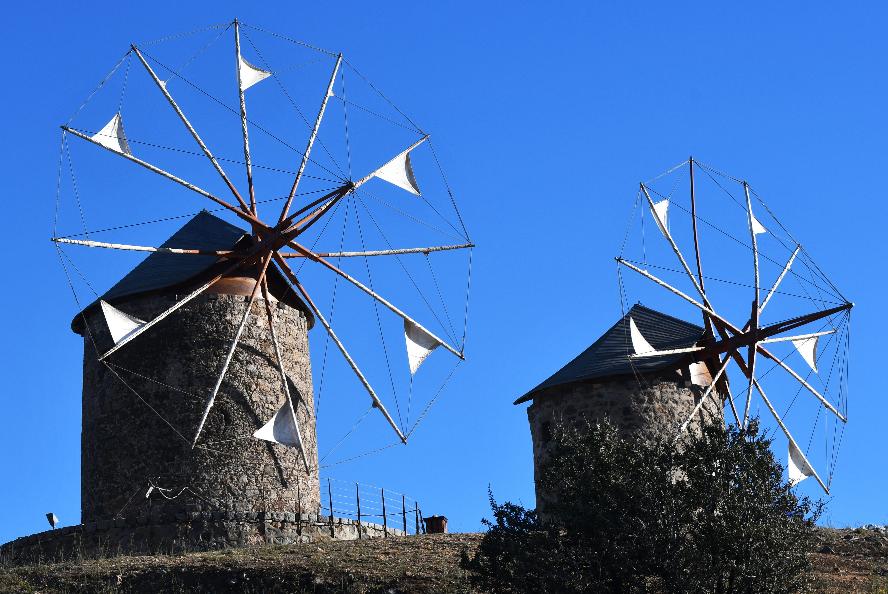
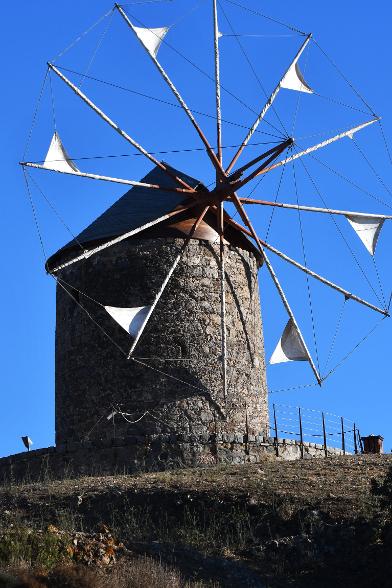
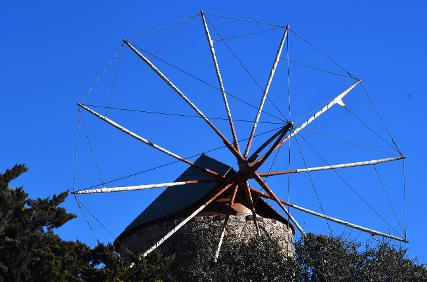
- the windmills of Patmos and Leros
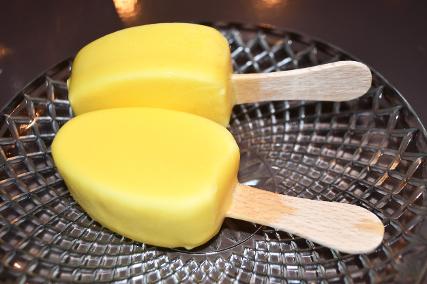
- limoncello ice cream bars (Leros)
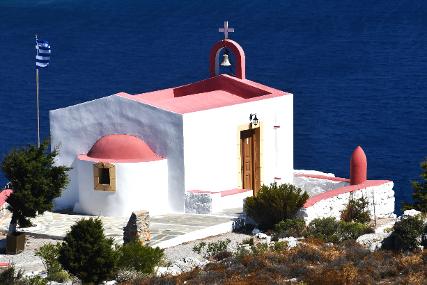
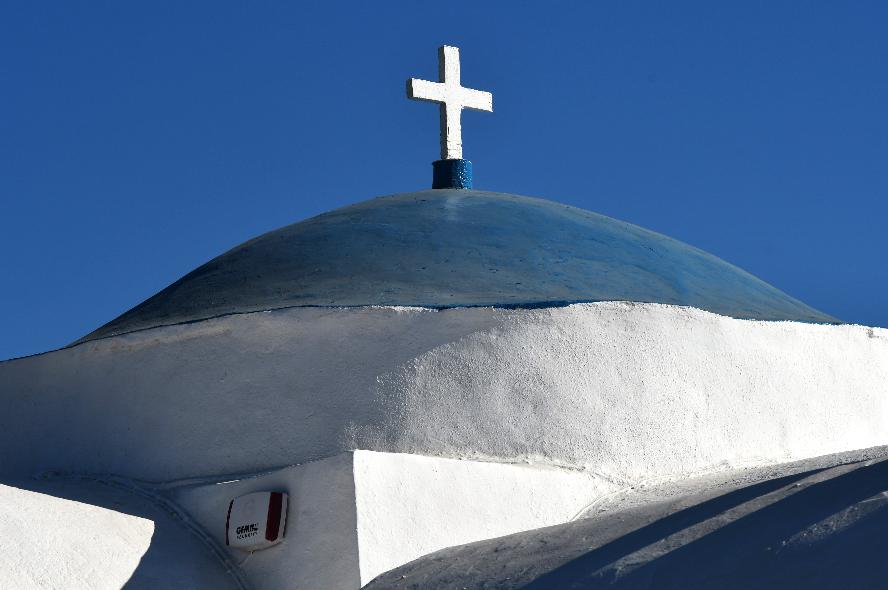
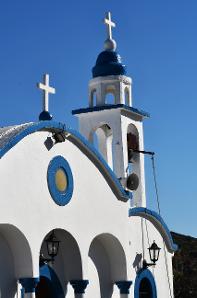
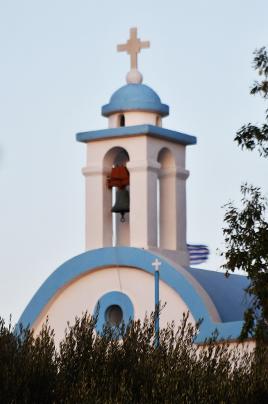
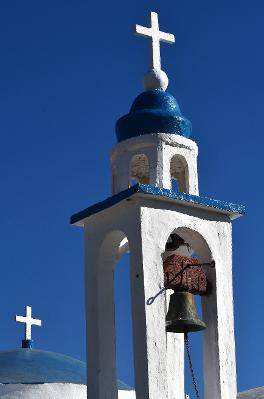
- the many beautifully maintained / freshly painted churches of Lipsi
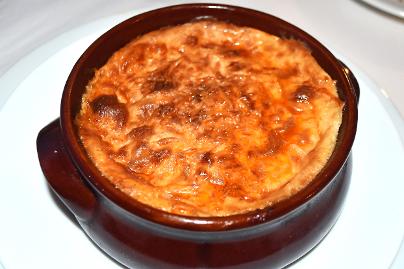
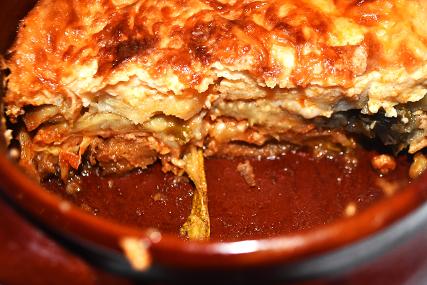
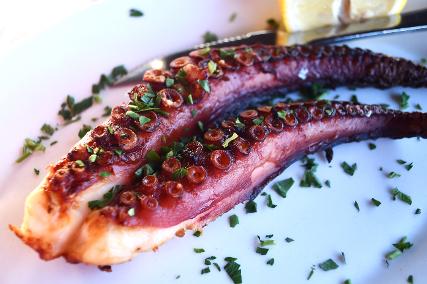
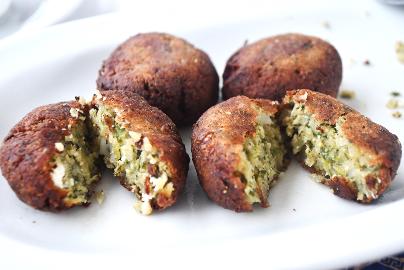
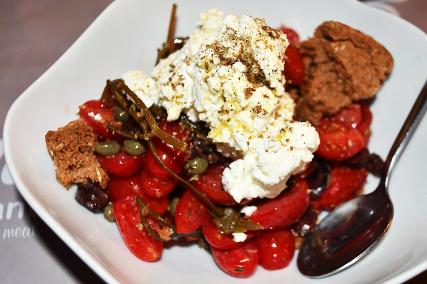
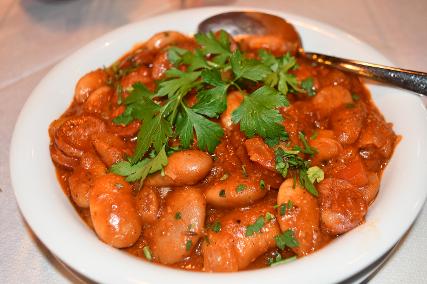
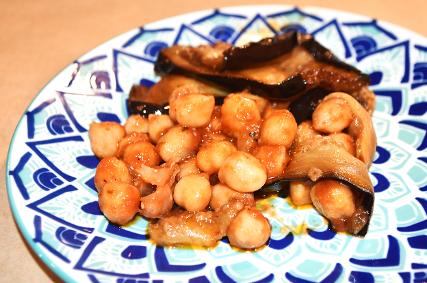
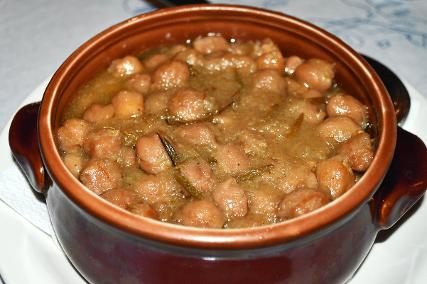
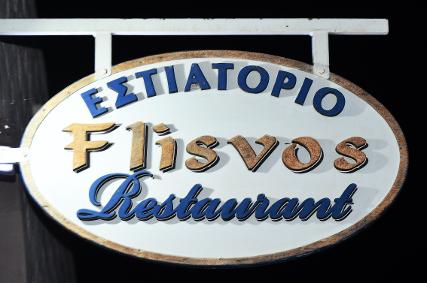
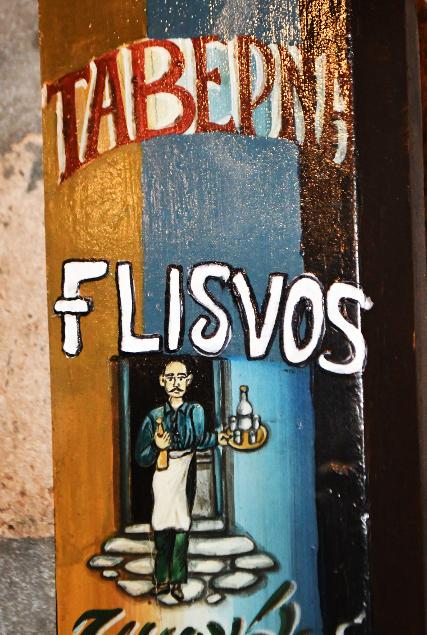
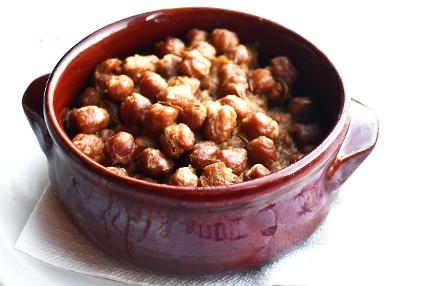
- family run Flisvos restaurant, Patmos, especially chick peas in the oven
- our ferry from Ikaria to Patmos being cancelled; adjusting our plans taking another ferry the night before
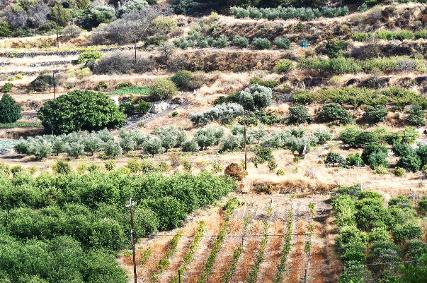
- our drive over the mountain and along the north-east coast of Ikaria
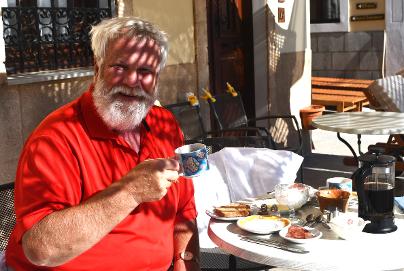
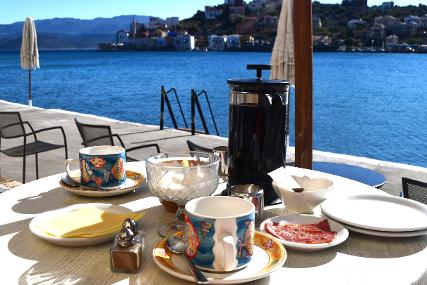
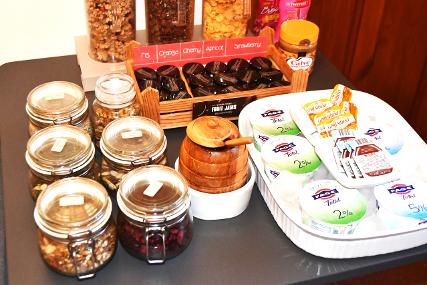
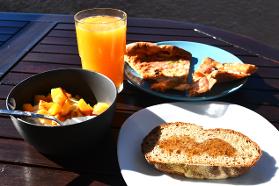
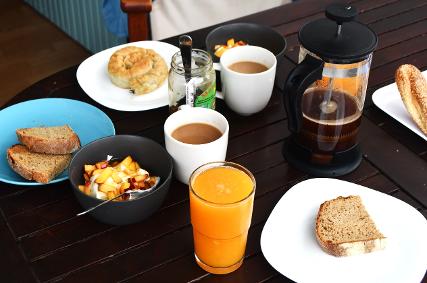
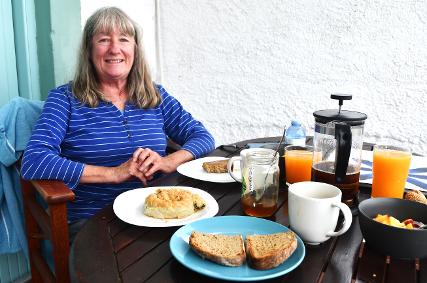
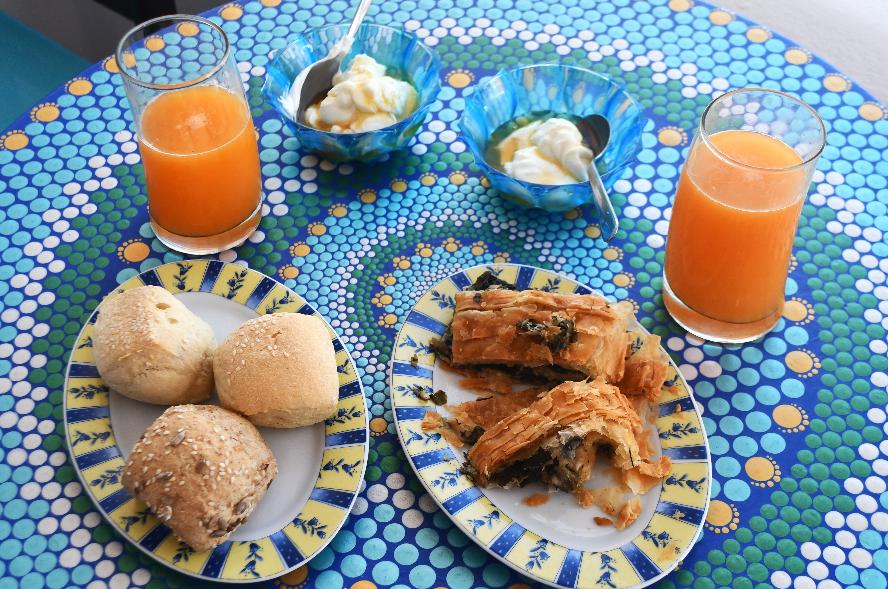
- breakfasts on our balconies at Pyrgos Traditional Villas; Rizos Studios and Asterias Apartments
- sending short stories of our travels to our grandchildren, even if they are too young to understand
- the many interesting travelers we met along the way
A bit about each island we visited (with some repetition of the above memories):
While difficult if we had to rank our favourite islands they would be
Norm Gayle
1 Lipsi Lipsi
2 Rodos Kastellorizo
3 Kastellorizo Rodos
4 Patmos Patmos
5 Leros Leros
6 Ikaria Ikaria
- very nice traditional stone Pyrgos cottage, complete with creaky floors
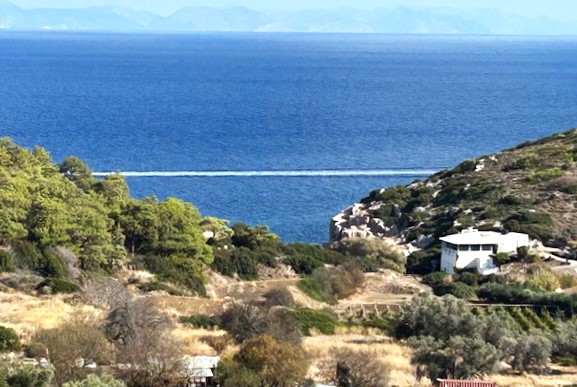
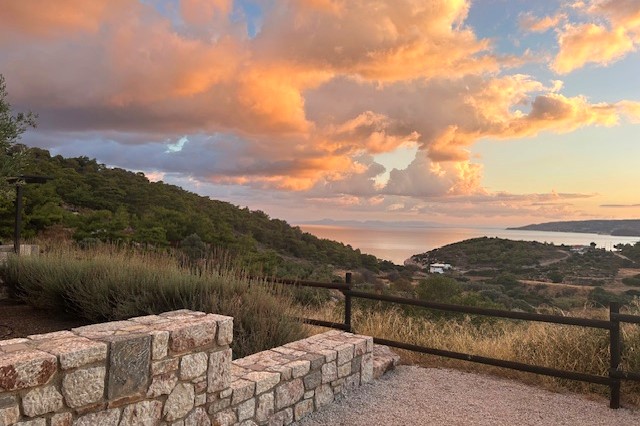
- great views from our balcony to the Aegean sea
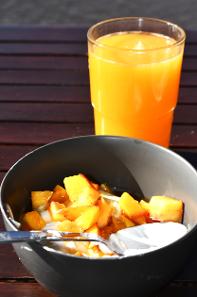
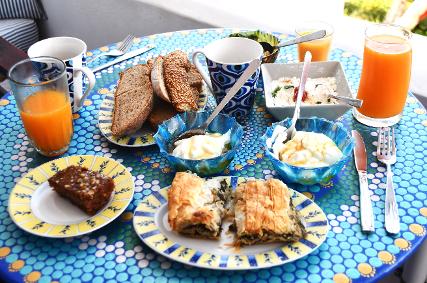
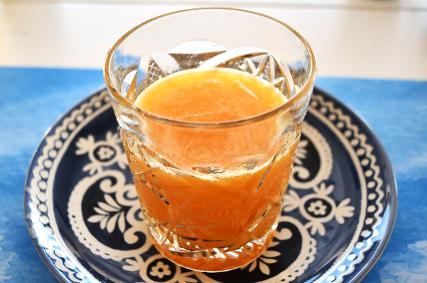
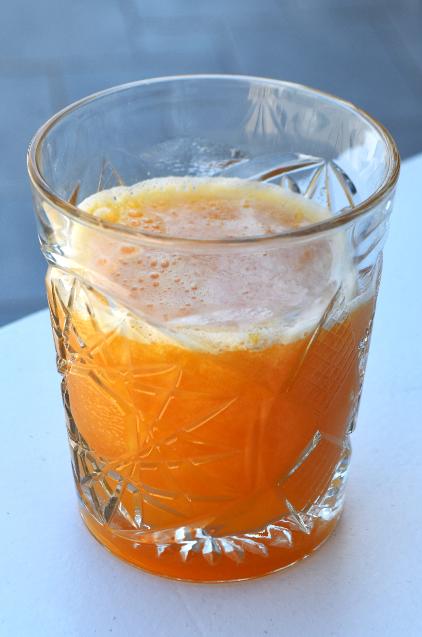
- our home-made breakfasts with fresh orange juice
- the drive across the mountains to the north side and on to Evdilos with its pretty harbour
- dinner at Taverna Arodou being served by Rosa
- Gerta and Visilis
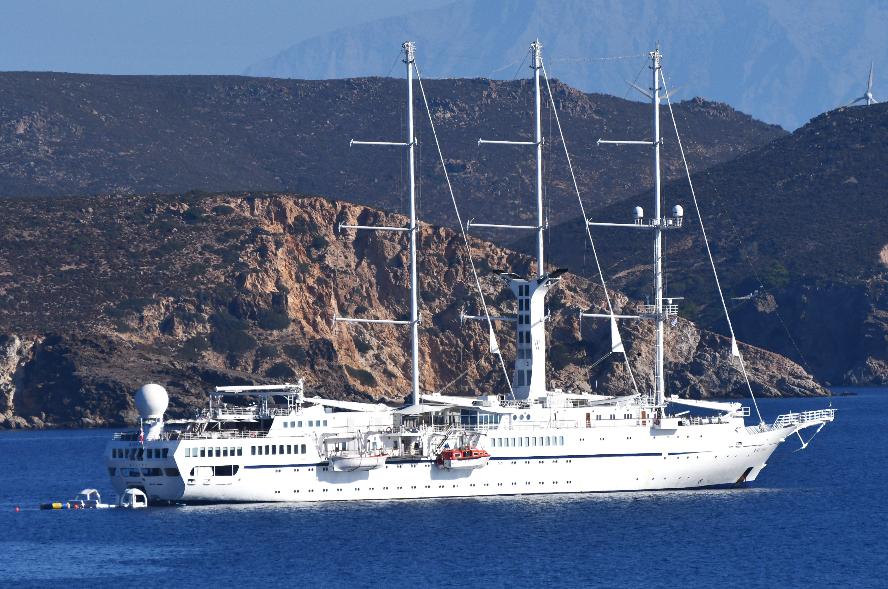
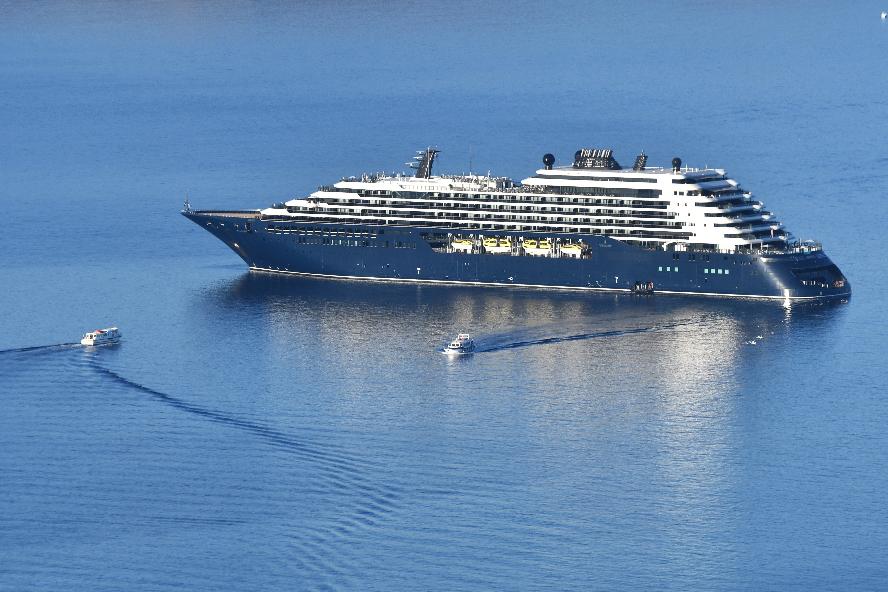
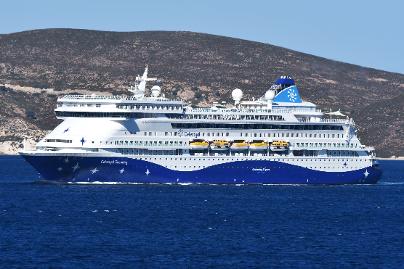
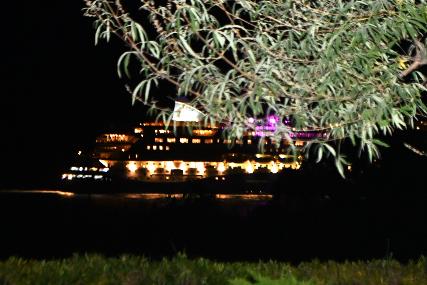
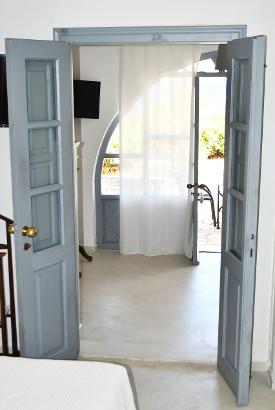
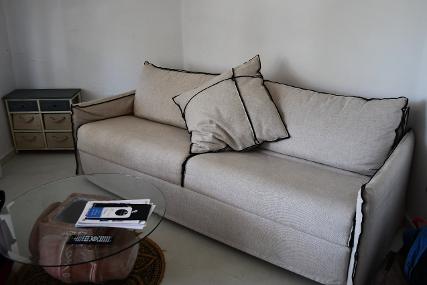
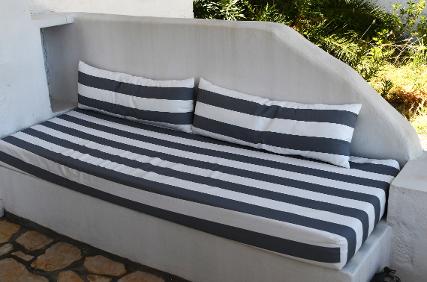
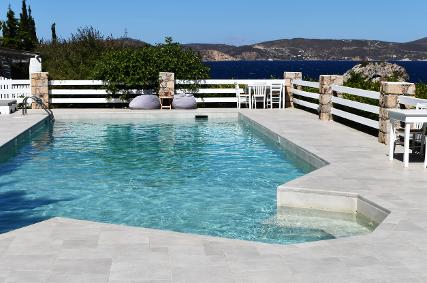
- our beautiful, large upgraded unit with huge terrace overlooking the sea with views of ferries and small cruise ships
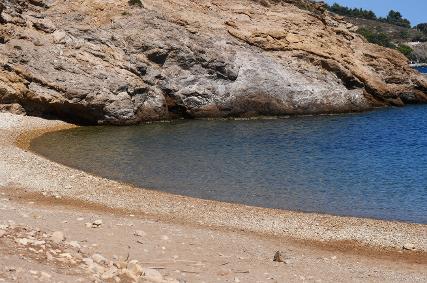
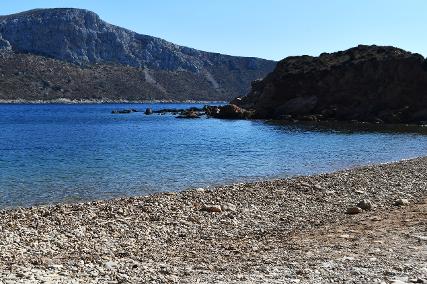
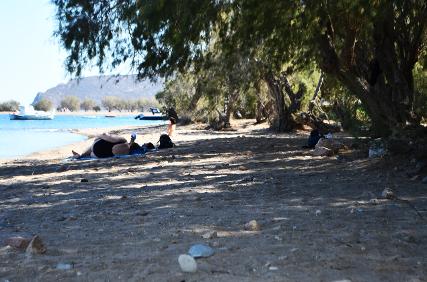
- a number of easily accessible beaches
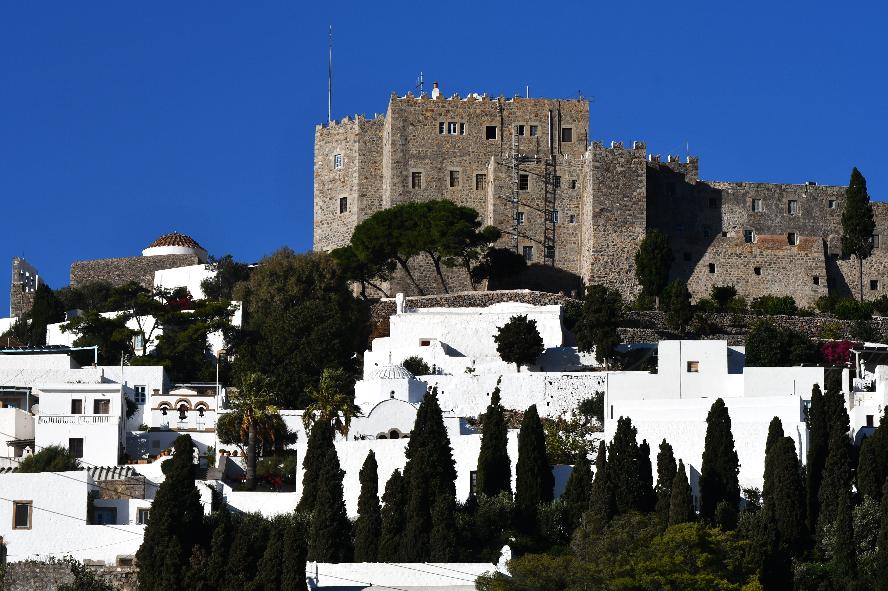
- while not going all the way up our walk through Chora
- the views, food (especially the chick peas) and friendly family at Flisvos (so much so we returned a second time)
- the very cute (and inexpensively priced) Rizos Studios
- everything George
- easy access to the entire island and its beaches
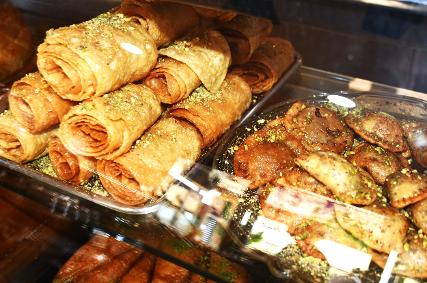
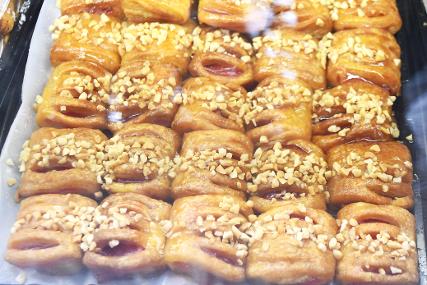
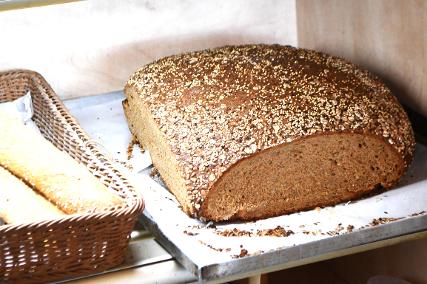
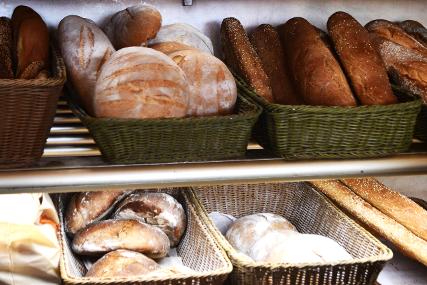
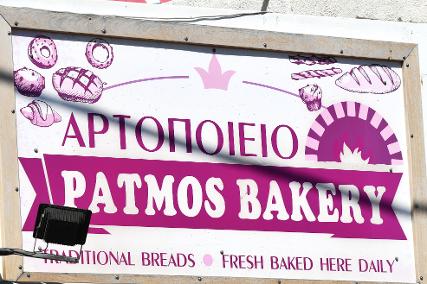
- a number of wonderful restaurants in the port; and the best bakery
- the many many beautifully maintained churches
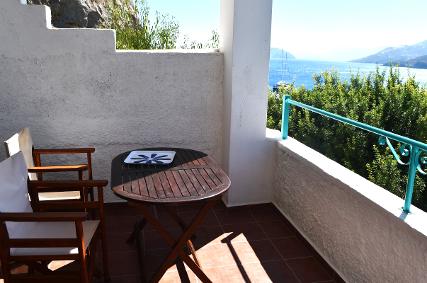
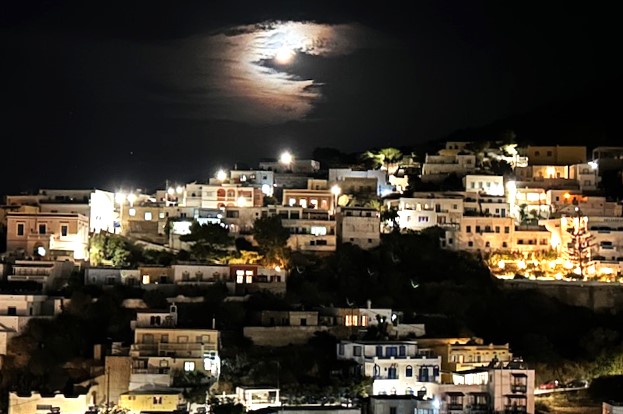
- sitting on our Asteria Apartments' balcony mesmerized by the view of the town below and the sea beyond, especially at night with the sparkling lights
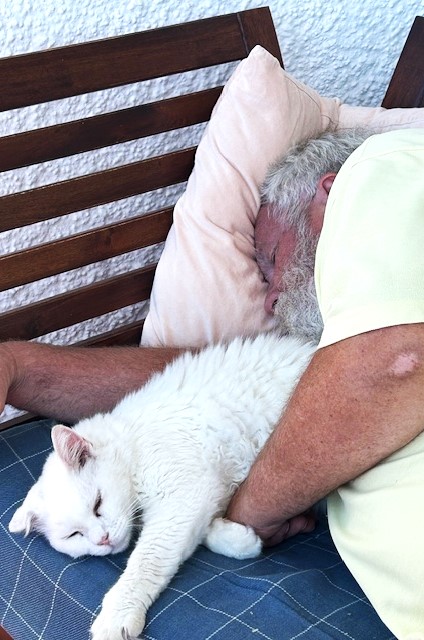
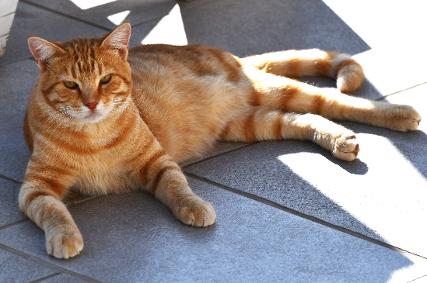
- Hercules and White Angel, our house cats
- sitting at a cafe with drinks, a spinach pie and cookies waiting for our ferry
- the history of World War Two battles on the island
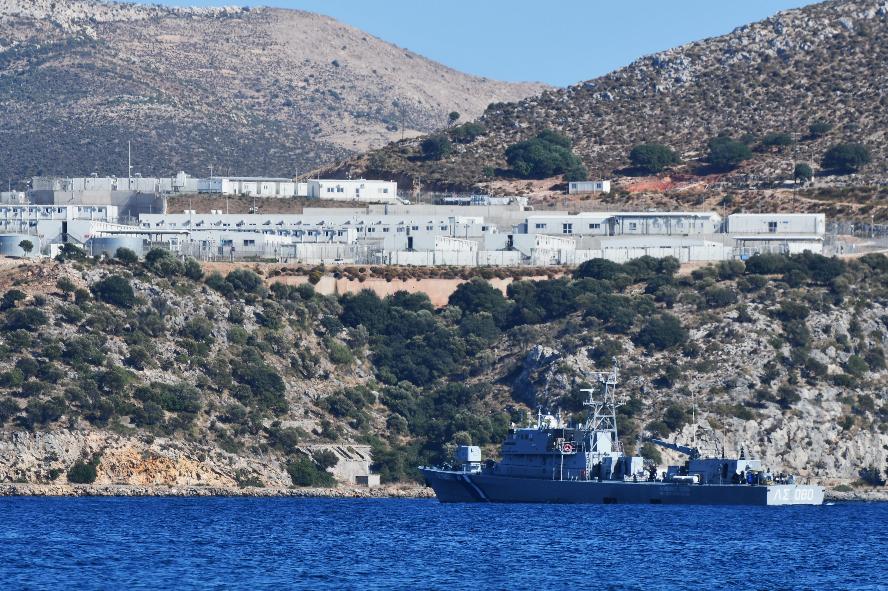
- the huge refugee centre
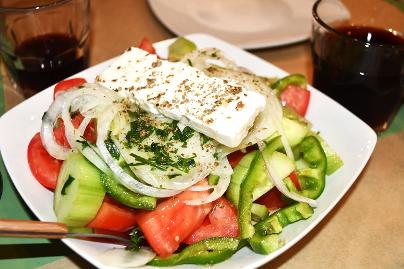
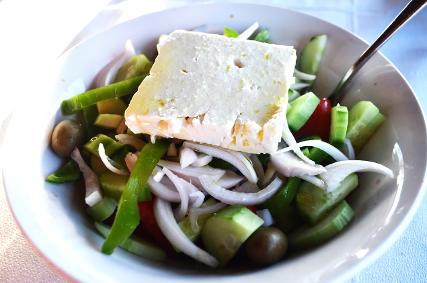
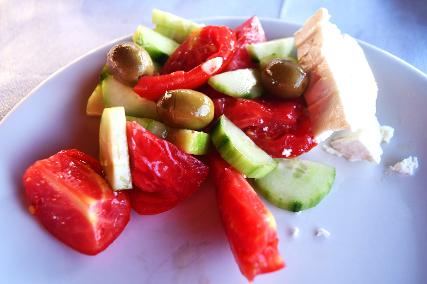
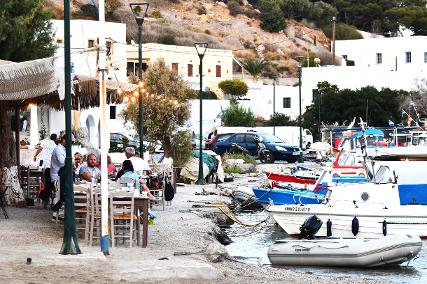
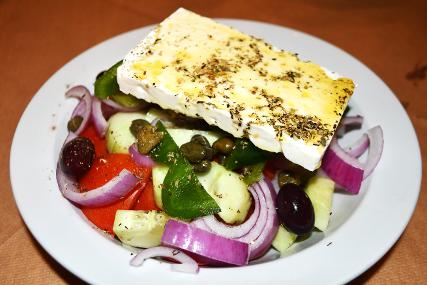
- nice meals (loved the Greek Island salad) sitting right on the waterfront at Restaurant Pirofani
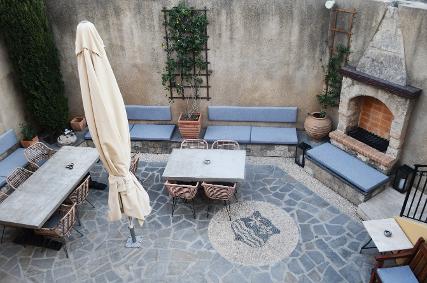
- the ever accommodating George at Zacosta! There is no need to say more
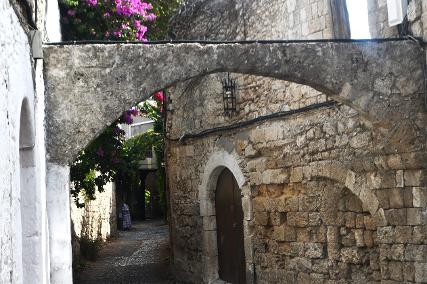
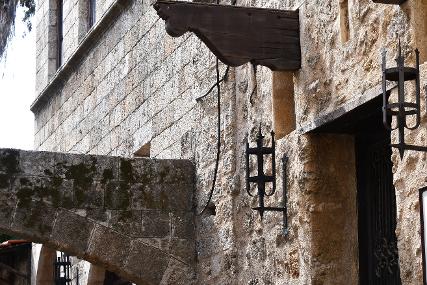
- the magic of Old Rhodes Town - narrow alleyways; cobblestones; oozing history
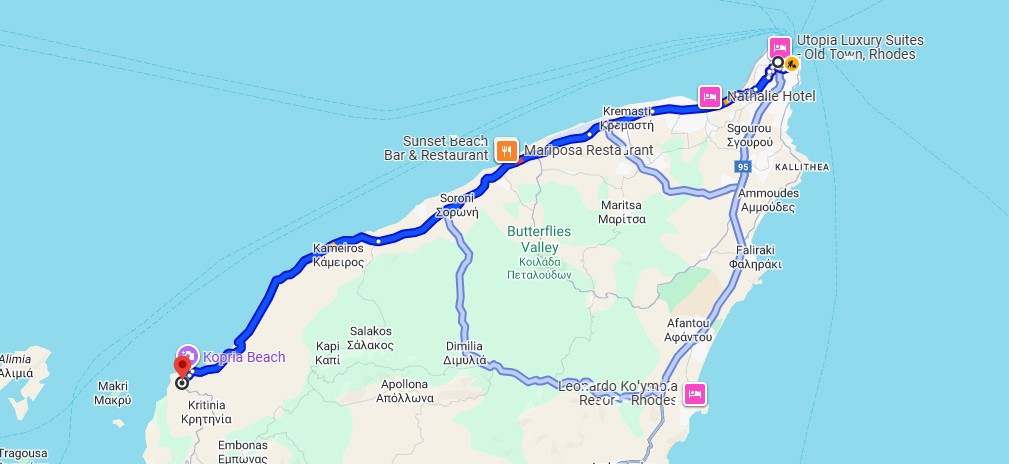
- Auberge Kalopetri - Ulrike, the breakfasts, the views, our lovely terrace
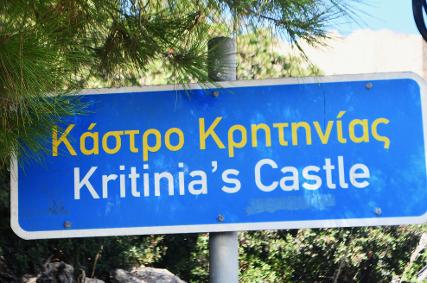
- Yiorgos and dinner at Kalamaris Taverna, and the unsuccessful search the previous day
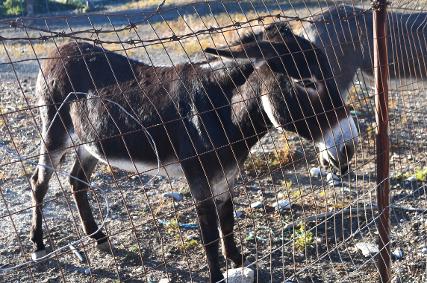
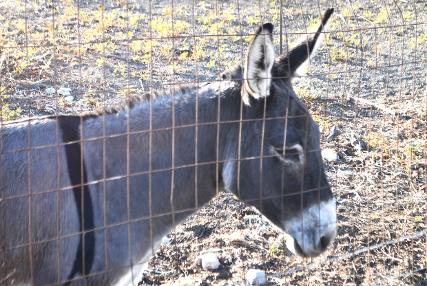
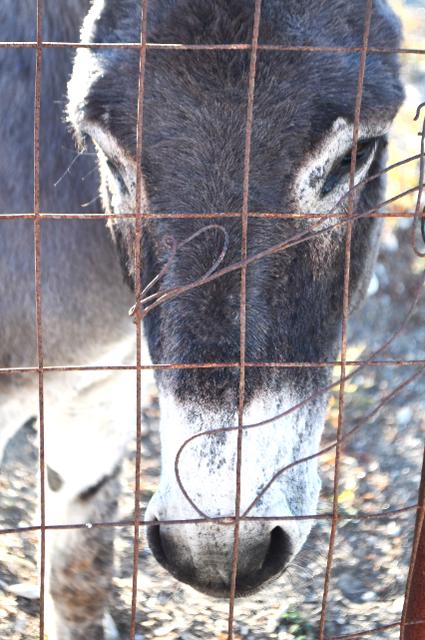
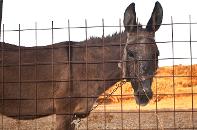
- the roosters, mules and goats
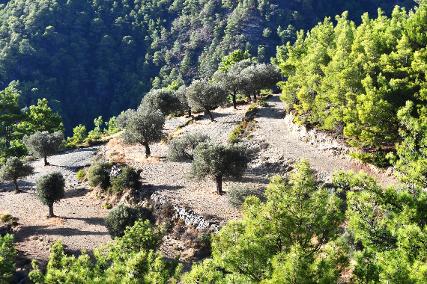
- the beautiful drive along the coast approaching Kritinia and then inland
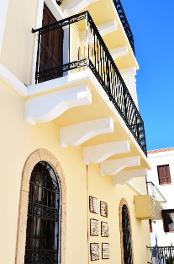
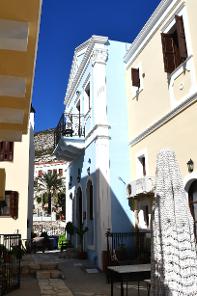
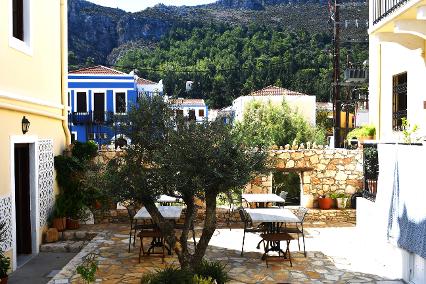
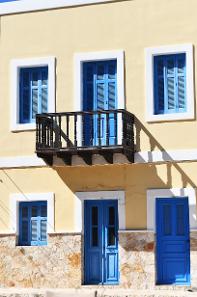
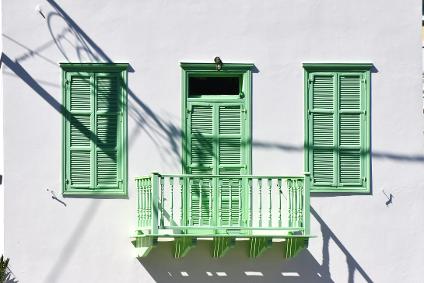
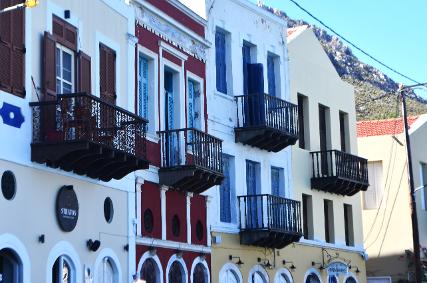
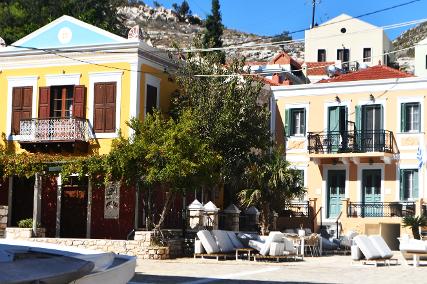
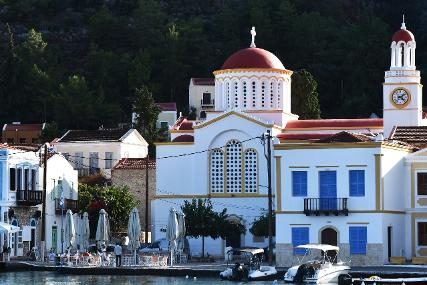
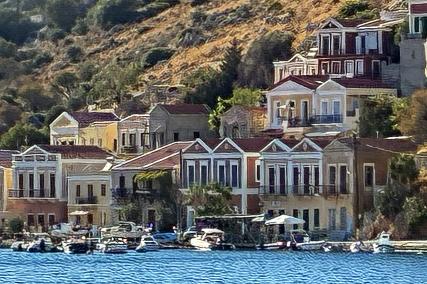
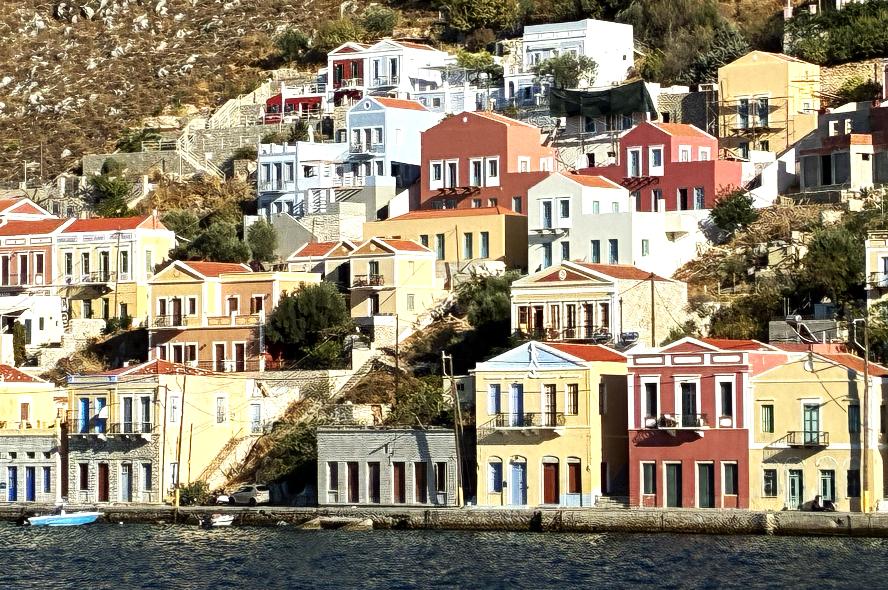
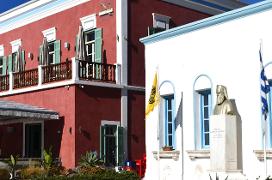
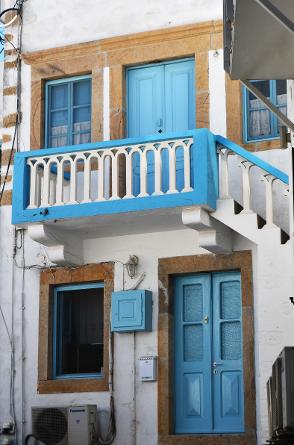
- the beyond pretty buildings surrounding the harbour, reminiscent of Symi
- Elini and the entire family at Hotel Kastellorizo
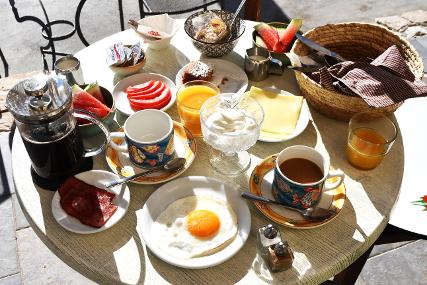
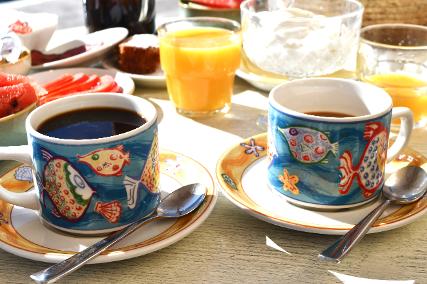
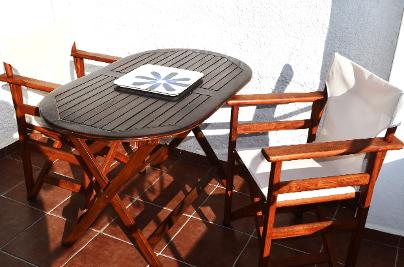
- enjoying breakfast on our waterfront terrace
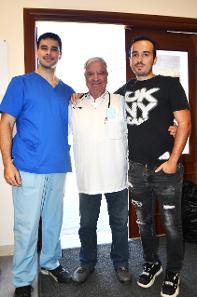
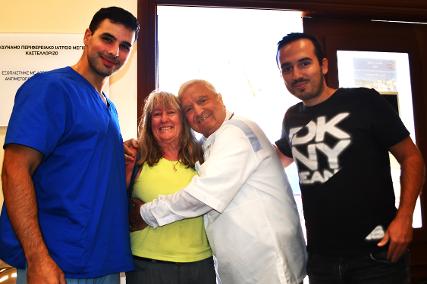
- getting to know the doctors at the medical clinic
- those darn flagstones making it a challenge for Gayle to push / pull me in the wheel chair
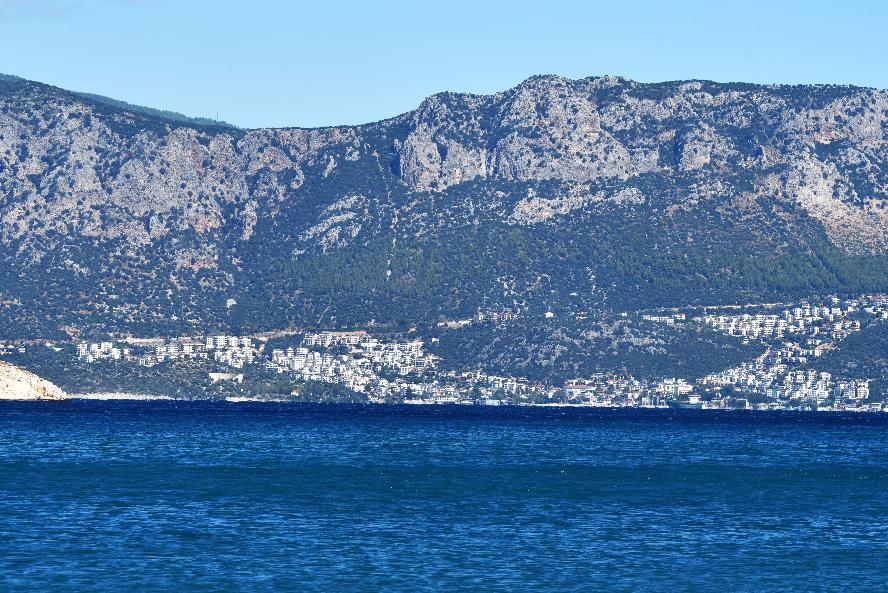
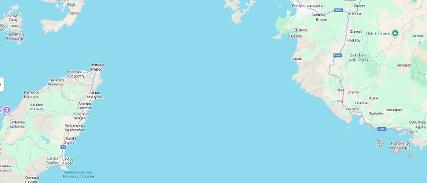
- being able to see Turkiye but having that part of the trip cancelled due to Norm's fall / knee
Expenses (based on average exchange rate 1 euro = $1.6146 Cdn):
Here are the costs of what turned out to be a our 27 day trip.
$ 576 airfare internal to Greece (Athens to Ikaria $288; Rodos to Athens $288
$ 5,887 lodging ($218* Cdn $ per night)
$ 1,879 food ($70* Cdn $ per day for dinner etc. including wine; breakfasts are included in lodging)
$ 492 ferries
$ 1,396 vehicle ($1,152 or $55 per day for the vehicles; fuel of $185; taxi $59)
$ 0 entrances
$ 264 miscellaneous - primarily tips
$10,494 for 27 days
$ 2,596 airfare (from / to Canada - Aeroplan), including seat selection
$13,090
$ 18 souvenirs
$13,108
* slightly different than below due to prepayment at lower exchange rates
The total cost excluding airfare from Canada and souvenirs (i.e. lodging, food, vehicle and tips) was $10,494 or $389 per day.
Following are the average costs of this and our six previous trips to Greece.
- $242 in 2015 (24 days)
- $341 in 2017 (26 days)
- $307 in 2018 (18 days)
- $285 in 2019 (30 days)
- $354 in 2022 (34 days)
- $419 in 2023 (34 days)
- $355 in 2024 (32 days)
- $389 in 2025 (27 days; cut short from a planned 39 days)
Lodging Food* Transportation**
Greece 2015 78 44 42
Greece 2017 97 46
Greece 2018 106 45
Greece 2019 95 42 47
Greece 2022 144 48 59
Greece 2023 170 49 64
Greece 2024 133 46 54
Greece 2025 143 43 44
* includes all food purchases (dinners, groceries, bakeries etc.) excluding breakfast that are in lodging
** includes car rental and ferries
The total cost excluding airfare and souvenirs (i.e. lodging, food, entrances, vehicle and miscellaneous) was $10,494 or $389 per day, just slightly more than 2024.
Following are the average costs of this and our three previous trips to Greece.
Exchange Total Lodging Food Transportation
2022 $1.40 $ 354 144 euros / $ 202 48 euros / $67 59 euros / $83
2023 $1.45 $ 419 170 euros / $ 246 49 euros / $71 64 euros / $93
2024 $1.50 $ 355 133 euros / $ 200 46 euros / $69 54 euros / $81
2025 $1.61 $ 389 143 euros / $ 231 43 euros / $69 44 euros / $71
Lodgings were marginally more expensive than in 2024, both in euros and converted to Cdn $ due to the higher exchange rate. Food costs - essentially dinner with wine - were a tad (but nothing material) less than our three previous trips, especially when one factors in inflation, but we would not have wanted to eat (or drink) any more. It was nice to see our transportation costs drop a bit.
_____________________________
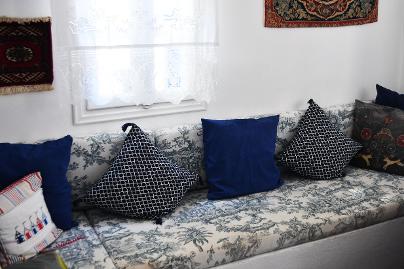
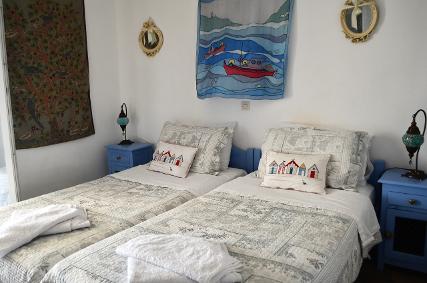
Our lodgings ranged from a low of 60 euros (Rizos Studios) to a high of 192 euros (9 Muses).
Here are the lodgings where we stayed, the amount we paid (in euros) and links to their websites.
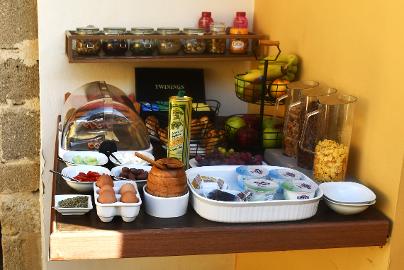
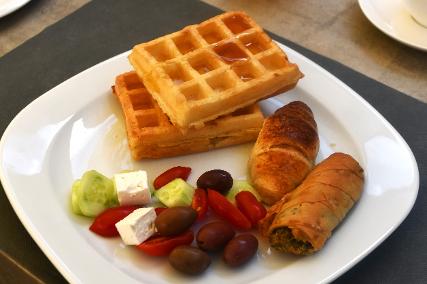
Once again we were very pleased with our choices of lodgings. More than usual did not include breakfast but we look after ourselves with fresh orange juice (we bring a squeezer with us), yoghurt with fruit, bread or spinach pies, cookies, and coffee. All of our hosts and staff were wonderful - friendly and helpful. At the low end at 60 euros was Rizos Studios, a very cute unit in Lipsi. At the high end was 9 Muses, a beautiful place at which we were upgraded (still not sure why) to a beautiful suite with a large terrace overlooking the Aegean.
https://9mussespatmos.gr/en/home/
138 euros Pyrgos Traditional Villas* Ikaria www.pyrgos-ikaria.com
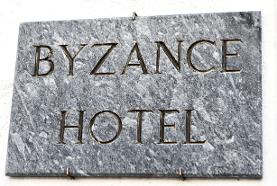
87 euros Byzance Skala, Patmos www.byzancehotel.com
192 euros** 9 Muses Patmos www.9mussespatmos.gr
60 euros Rizos Studios* Lipsi www.lipsi-rizosstudios.com
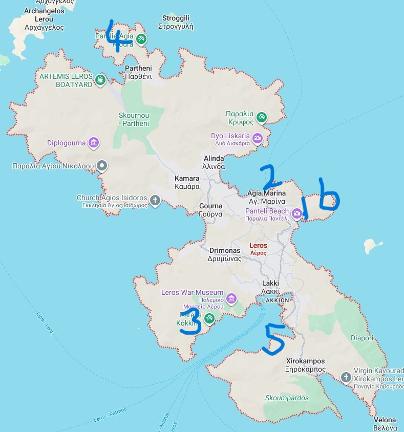
120 euros Asterias Apartments* Leros www.asteriasleros.com
135 euros Zacosta Boutique Hotel Old Rhodes Town www.zacosta.com
125 euros Auberge Kalopetri Kritinia www.aubergekalopetri.com
135 euros Zacosta Boutique Hotel Old Rhodes Town www.zacosta.com
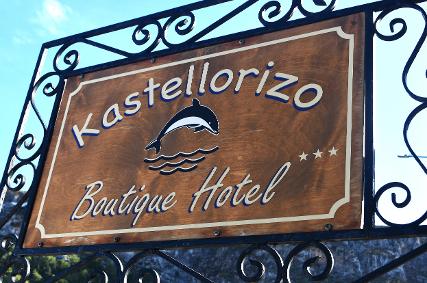
138 euros Hotel Kastellorizo Kastellorizo www.kastellorizohotel.gr
171 euros*** Zacosta Boutique Hotel Old Rhodes Town www.zacosta.com
* excluding breakfast ** although we were upgraded to a Suite *** only charged 100 euros due to last minute booking
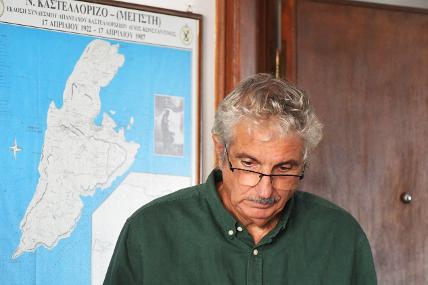
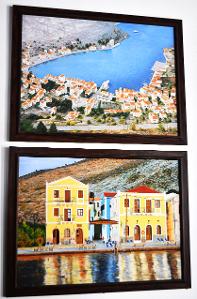
In terms of recent history the island was assigned to Italy from the French in March 1921. Subsequently the Treaty of Lausanne confirmed the Italian claim on Kastellorizo, and the island – under the Italian name 'Castelrosso'.
Because of the Italian occupation, the island was not affected directly by the population exchange between Greece and Turkey of 1923, but the forced emigration of the large Greek population living on the nearby Anatolian coast hit heavily the economy of the island.
The 1932 Convention between Italy and Turkey assigned all the islets of the small archipelago around Kastellorizo except Ro and Strongyli to Turkey. During the 1930s it was a stopover for French and British seaplanes. During the Second World War, on 25 February 1941, British Commandos occupied the island, but Italian forces from Rhodes recaptured it some days later. When Italy capitulated to the Allies (8 September 1943) the island was occupied again by Allied forces, remaining under their occupation for the rest of the war. In July 1944, a fuel dump caught fire, which spread to an adjacent ammunition dump, thereby destroying half of the homes on the island.
Kastellorizo was assigned to Greece in 1947, coming under Greek administration. The island formally joined the Greek State on 7 March 1948 together with the other Dodecanese islands.
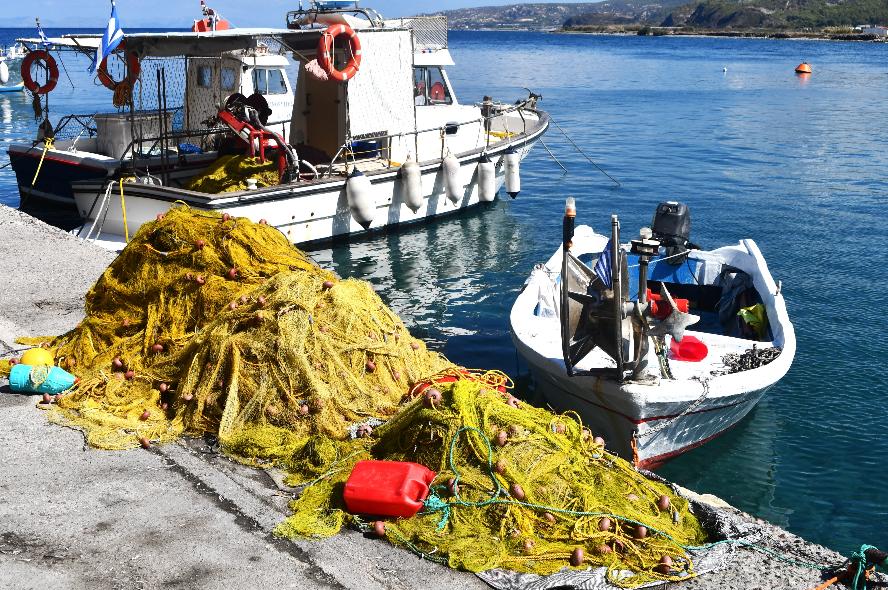
The population increased from 4,870 in the 1880s to its peak in 1908 with an estimated 9,000 residents. At that time, Kastellorizo was still the only safe harbor along the route between Makri (today's Fethiye) and Beirut. Its sailing ships traded products from Anatolia (coal, timber, pine bark) for Egyptian goods (rice, sugar, coffee, tissues and yarns). As well there was an important fishing industry — mainly sea sponges.
After 1908 the decay of the island's economy set in, accelerated by the decline of the Ottoman Empire. In the late 1920s the island's population dropped to 3,000, while about 8,000 inhabitants lived abroad, predominantly in Australia, Egypt, Greece and the U.S. At that time the town had 730 inhabited houses, while 675 were already empty, many ruined.
The population continued to drop to 584 according to the 1951 census, reaching a low point of 222 in the 1981 census, before slowly rising again to 594 at the 2021 census. The municipality also includes the islands of Ro and Strongyli, both without permanent inhabitants.
Many of its emigrants live in Australia (especially Perth and Sydney but also Darwin, Melbourne, Brisbane and Adelaide), where they are known as "Kazzies". It is estimaed over 80,000 Australians claim some familial lines or are descended from the island with early migration waves occuring after the Greco-Turkish War (1919-1922), during the Italian occupation of the island, and following the devastation of World War II.
_______________
Today was much like yesterday - breakfast on our terrace, a return visit to the medical centre for anohter pain/ muscle relaxant shot; cancelling hotel and car rental reservations, booking the ferry,booking our hotel (Zacosta) in Rodos, and purchasing airline tickets. A surprisingly busy day interrupted by the deafening sound of three military jets buzzing very low over the island.
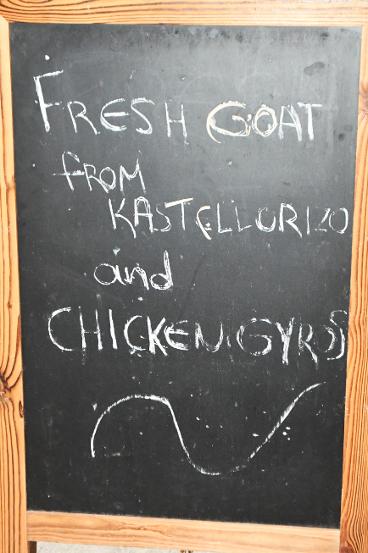
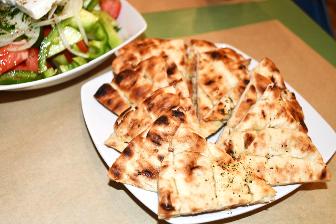
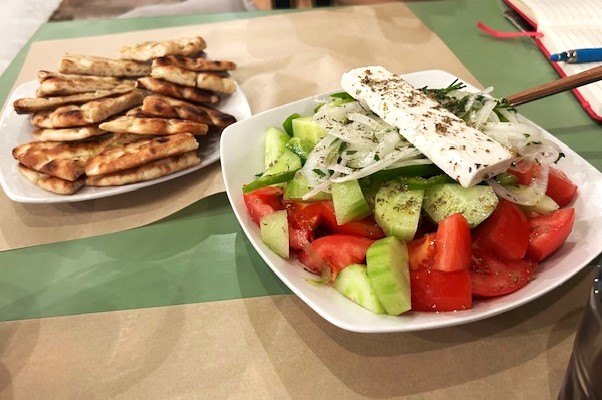
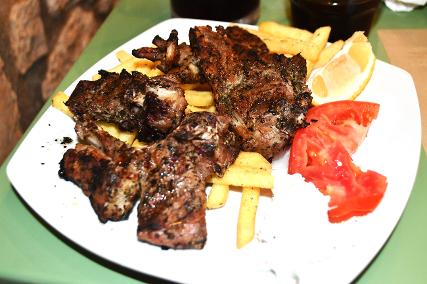
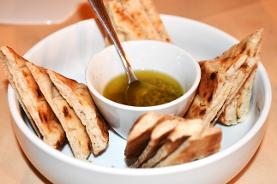
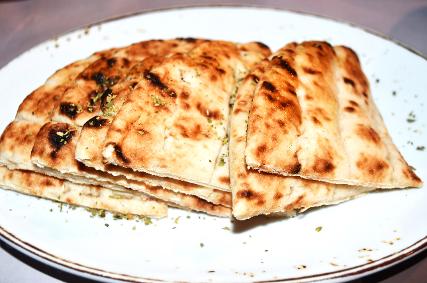
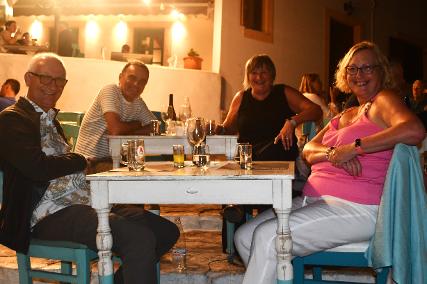
For dinner we chose a nice little taverna - Stenaki - tucked into an alley. During the meal we ended up chatting with an Italian couple from Florence while sipping our wine. We once again started with pita bread, which has been very common here in the Dodecanese. Gayle then had a Greek Salad while I a nice plate of lamb chops. As we just sat enjoying our last night here on Kastellorizo, Michalis, the owner, brought us our 'gift' - another 1/4 litre of wine. Perfect!
A push back over the toughest of the cobblestones brought an end to our day.
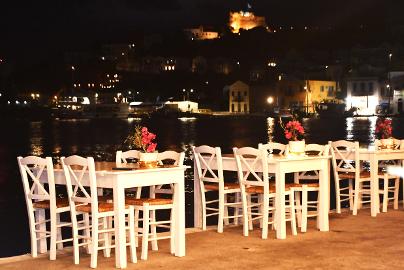
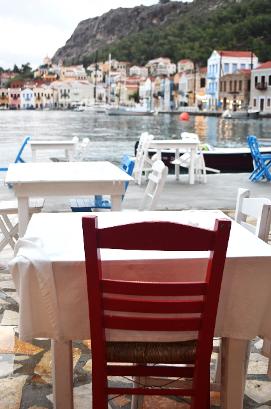
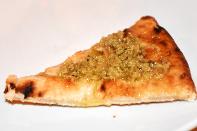
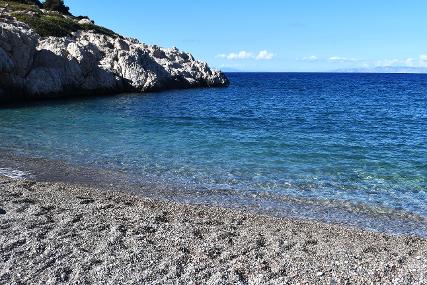
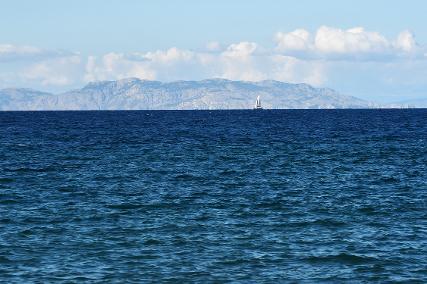
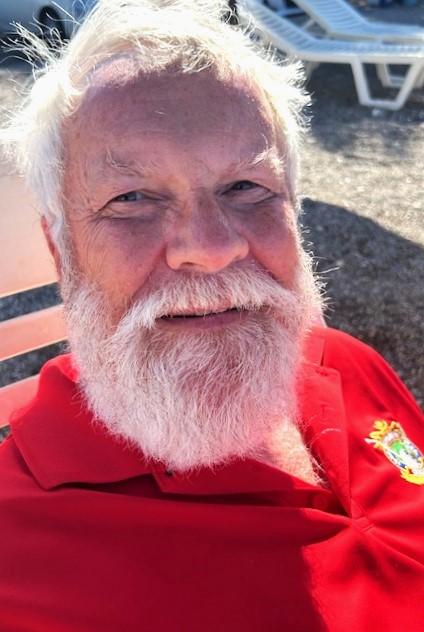
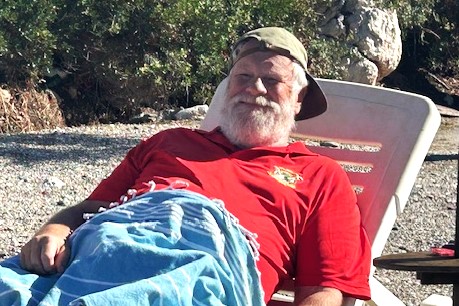
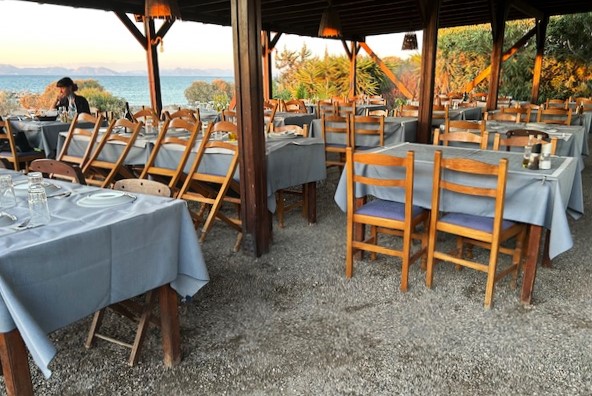
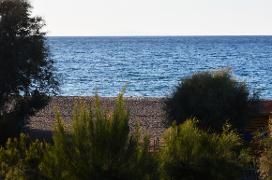
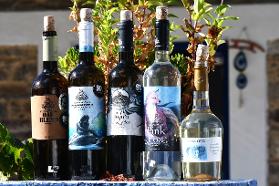
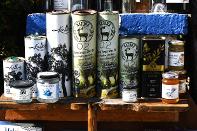
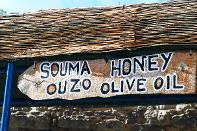
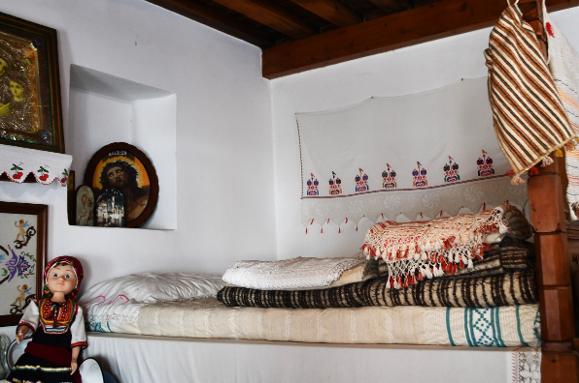
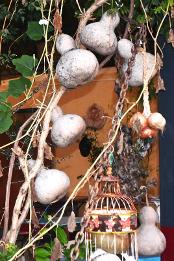
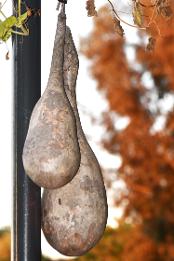
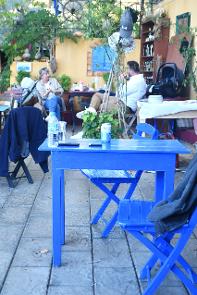
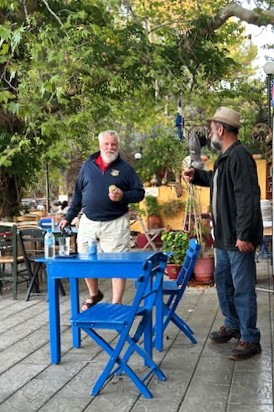
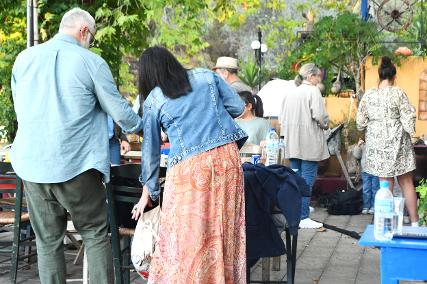
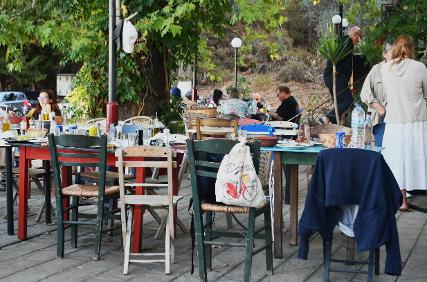
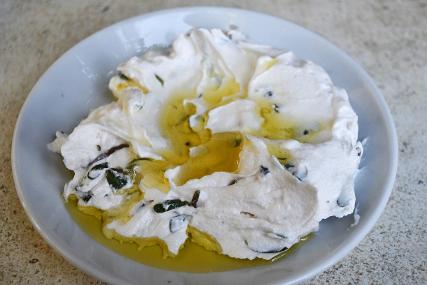
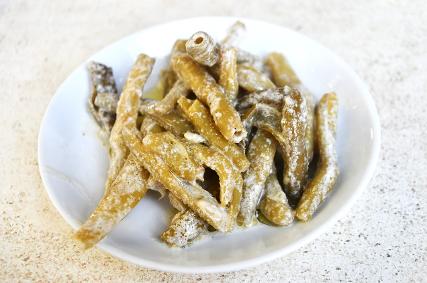
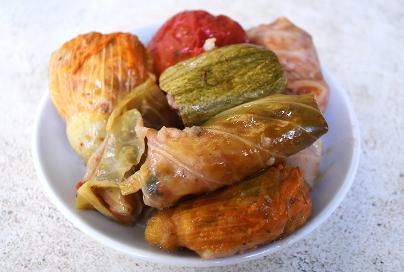
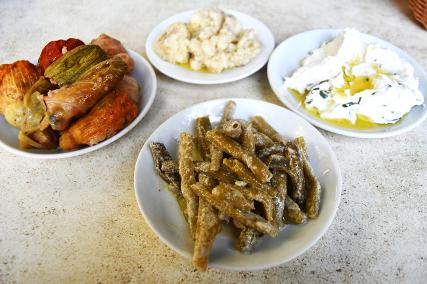
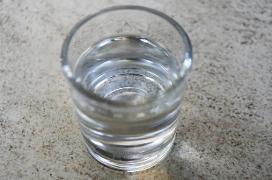
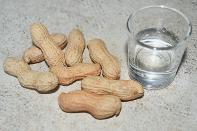
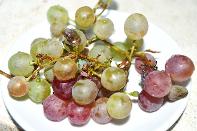
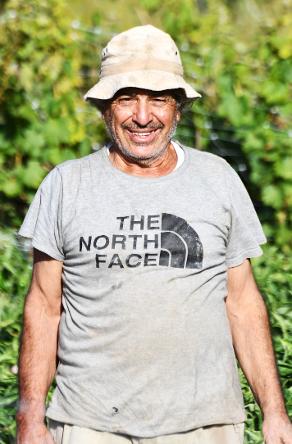
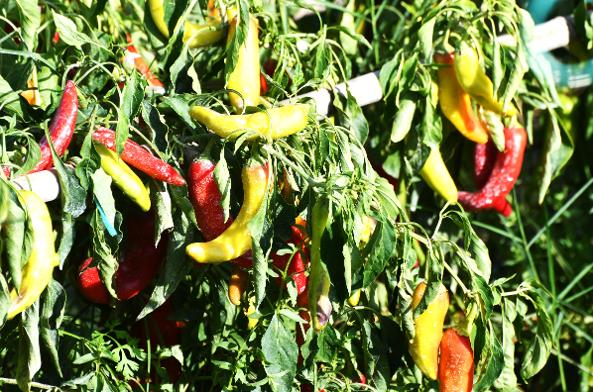
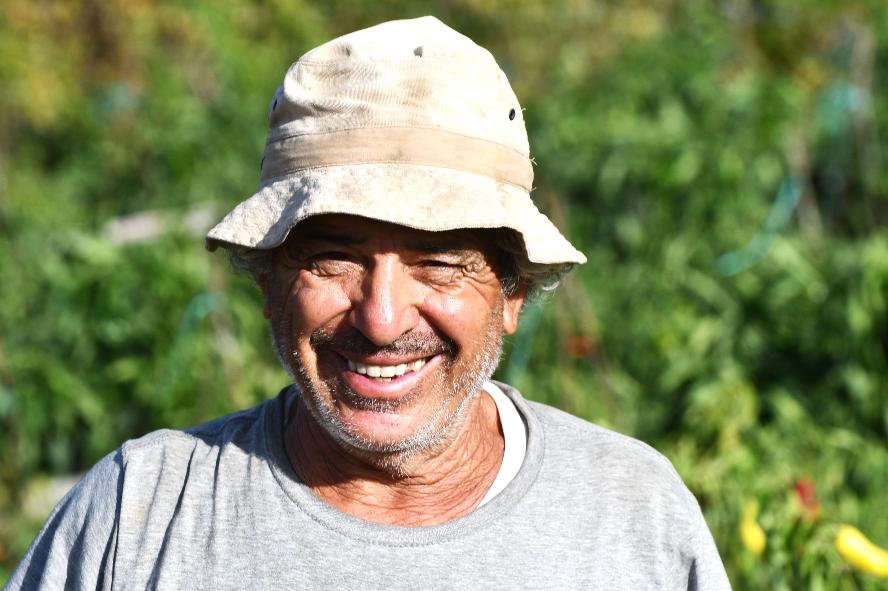
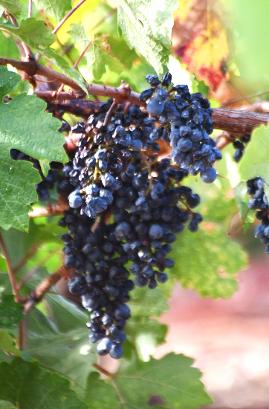

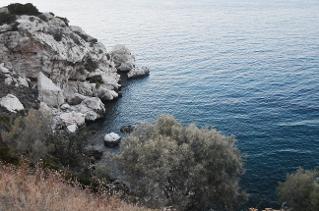
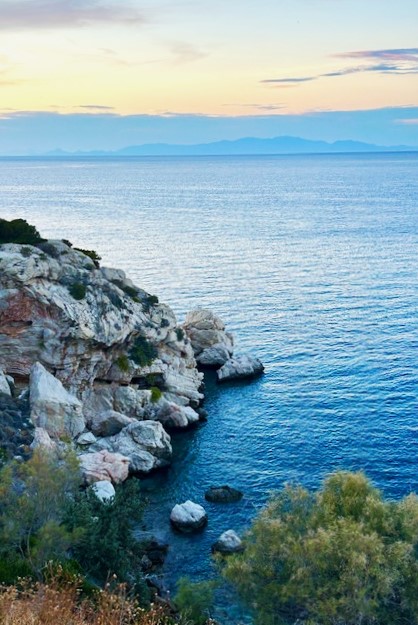
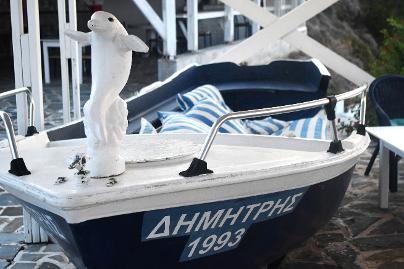
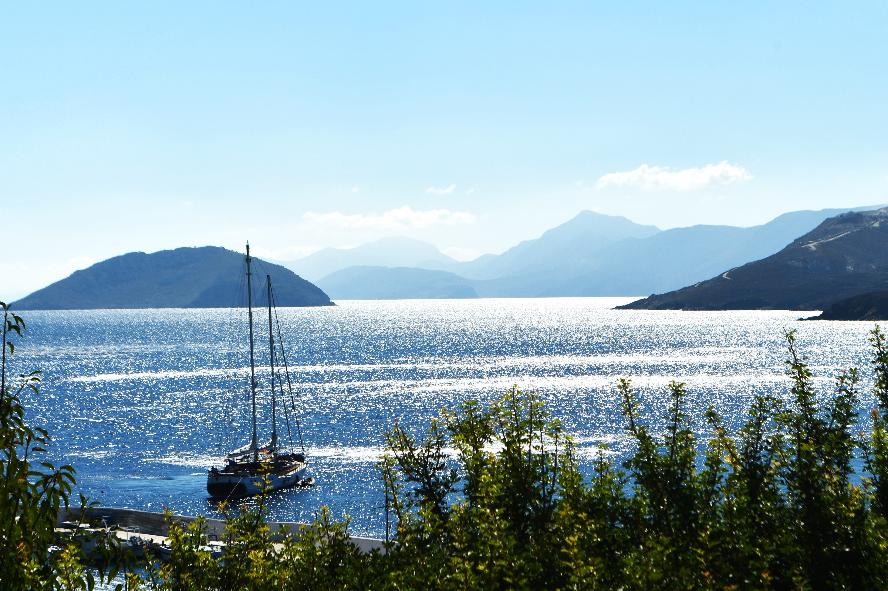
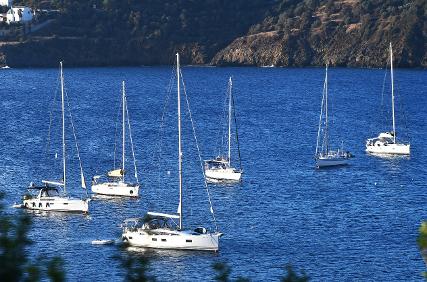
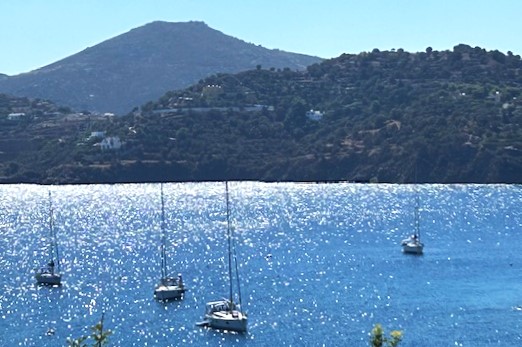
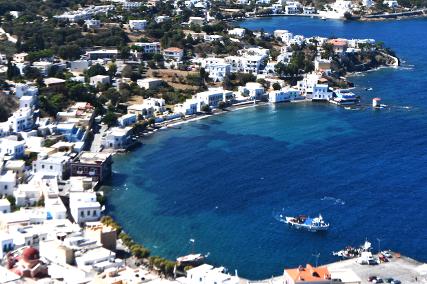
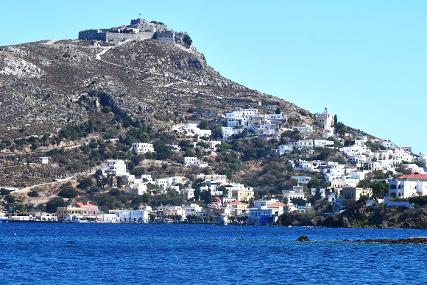
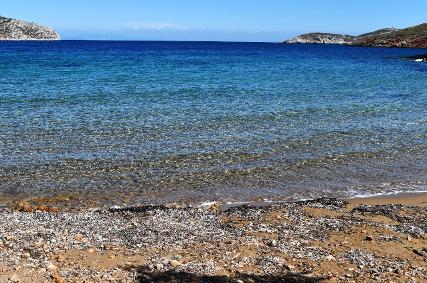
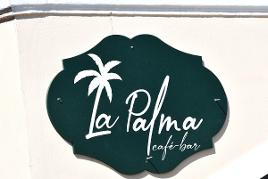
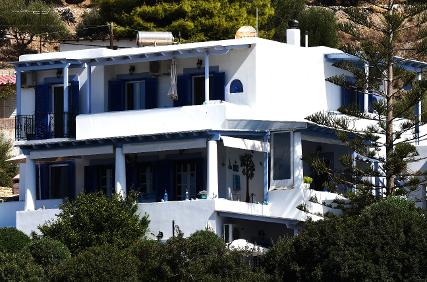
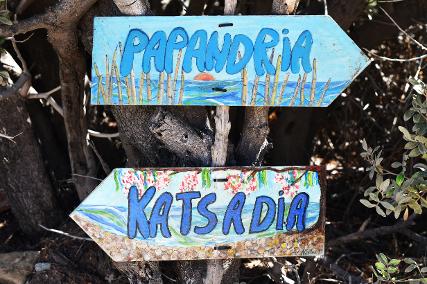
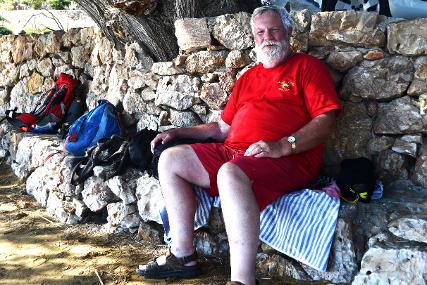
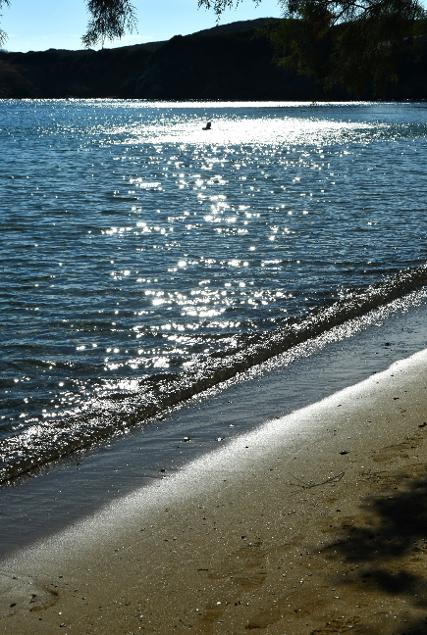
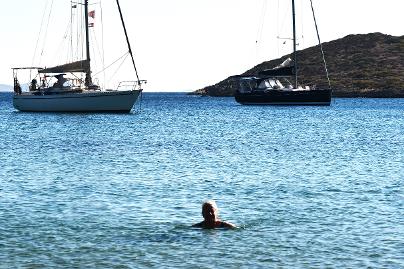
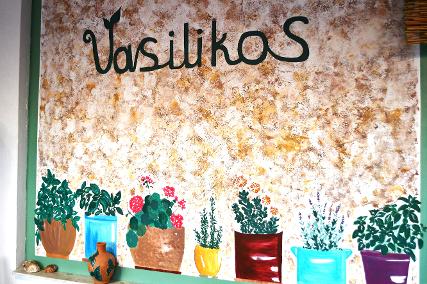
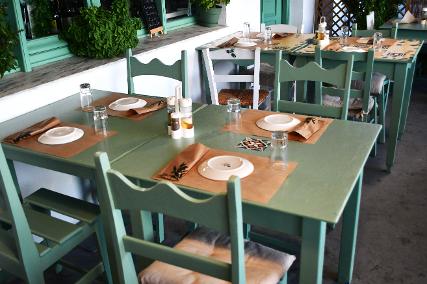
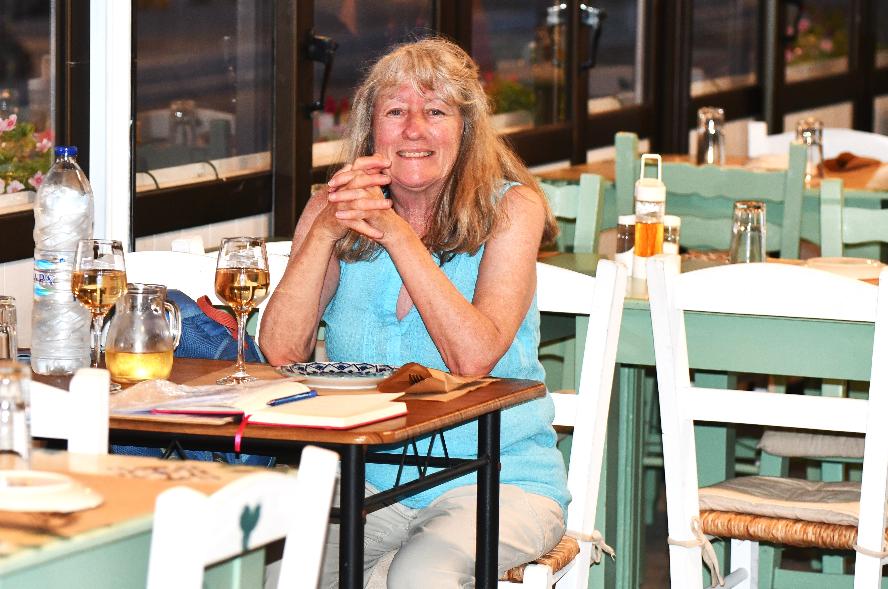
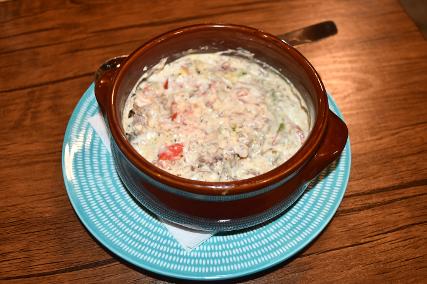
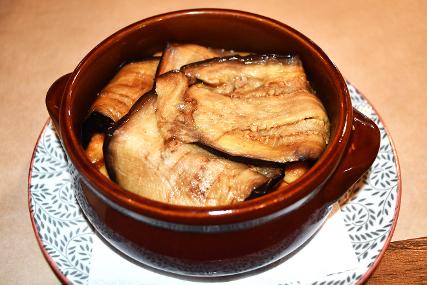
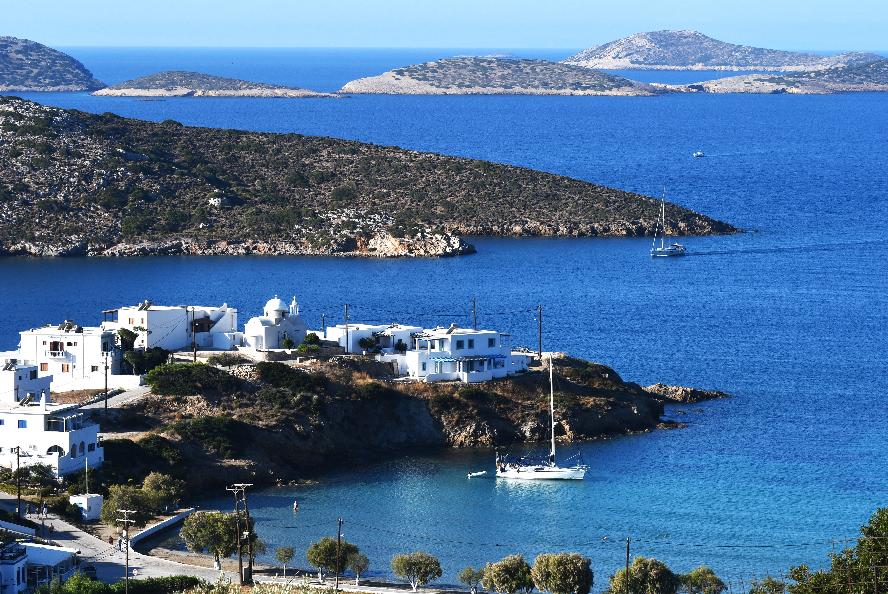
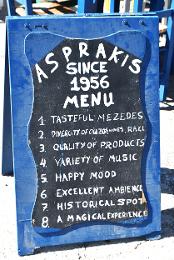
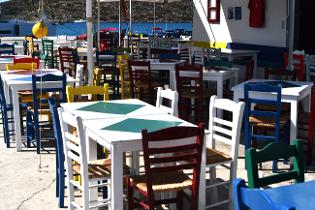
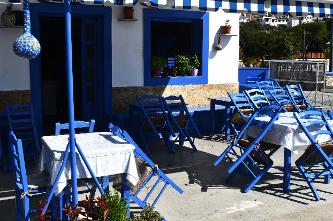
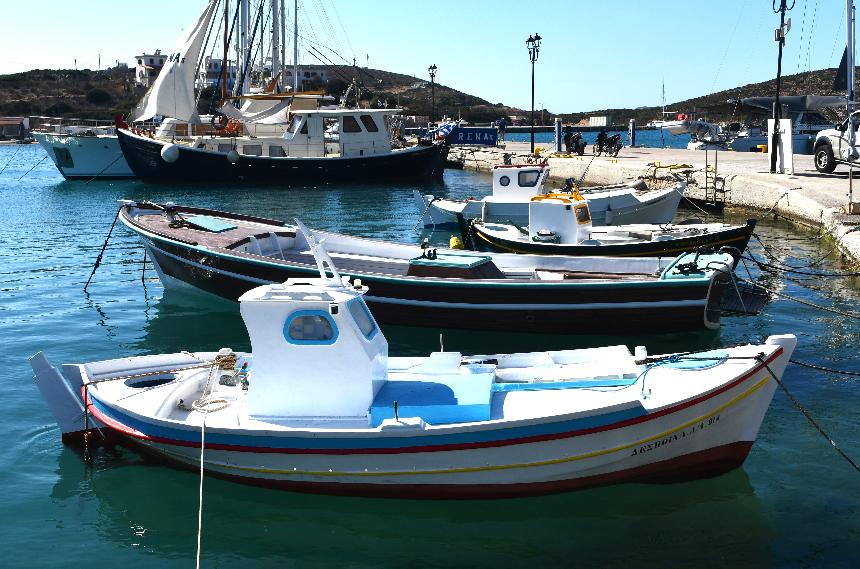

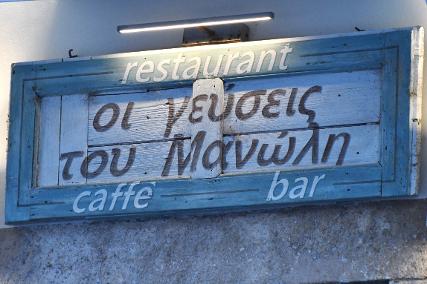
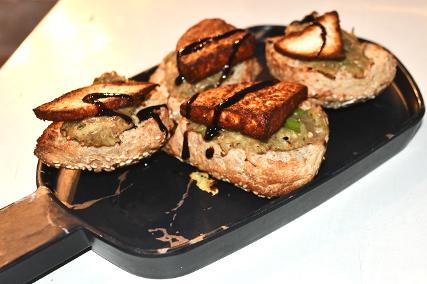
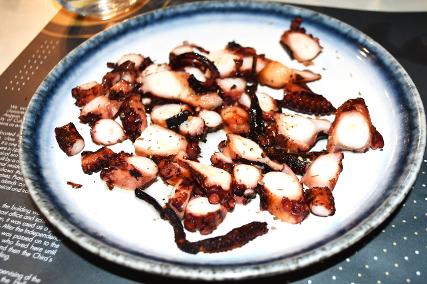
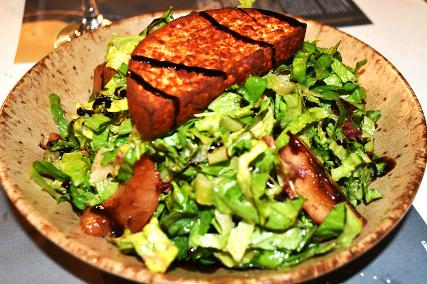
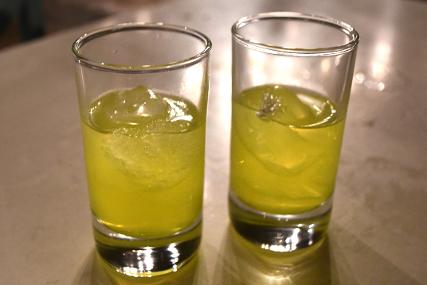
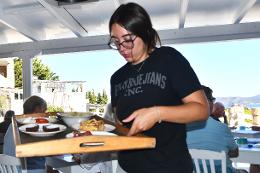
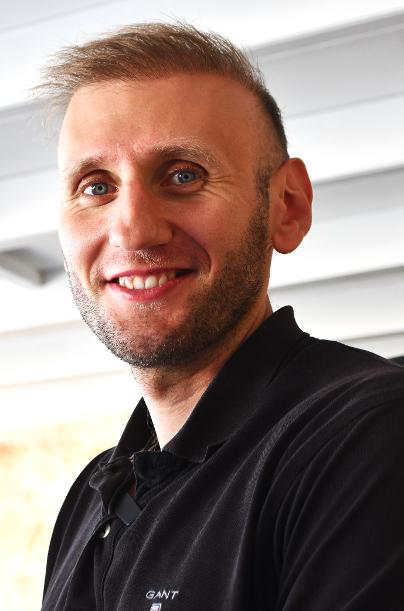
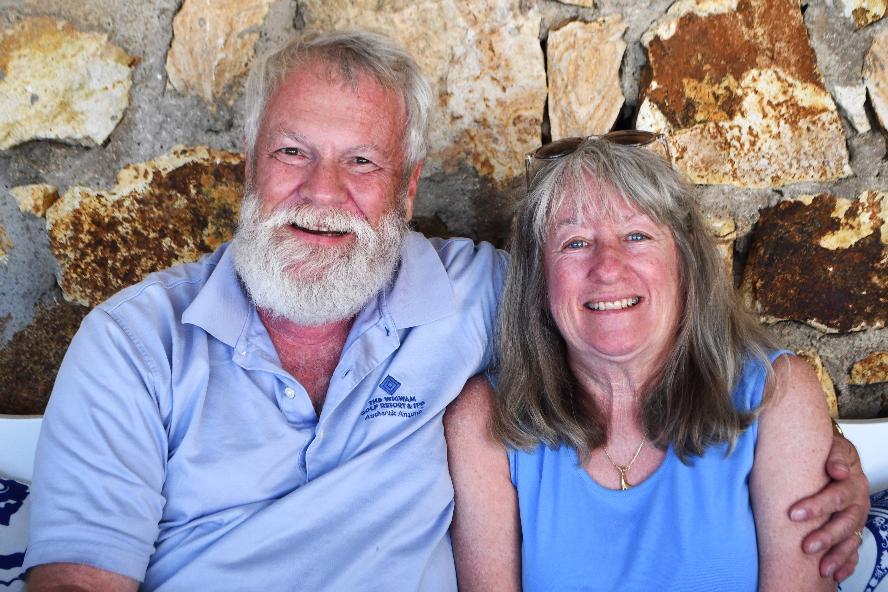
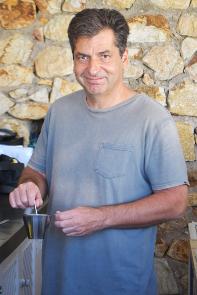
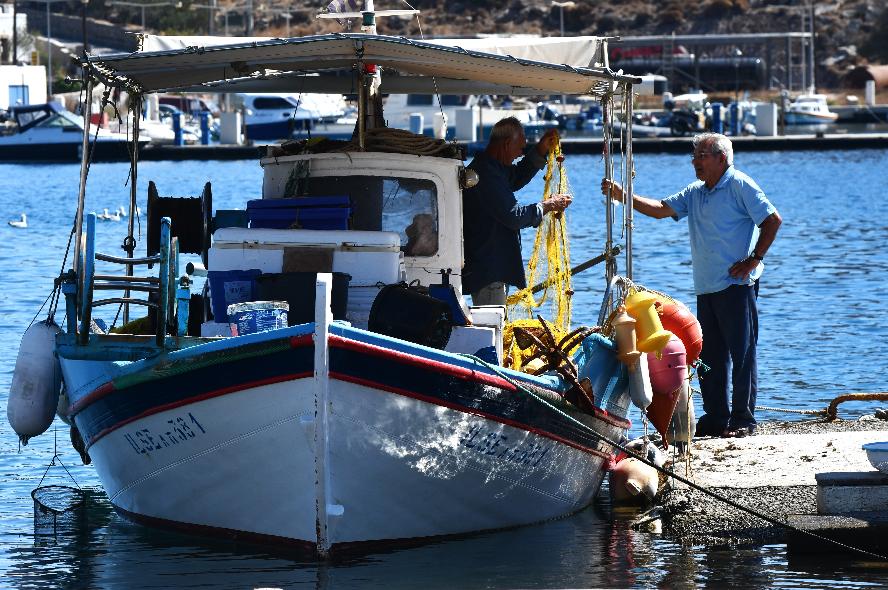
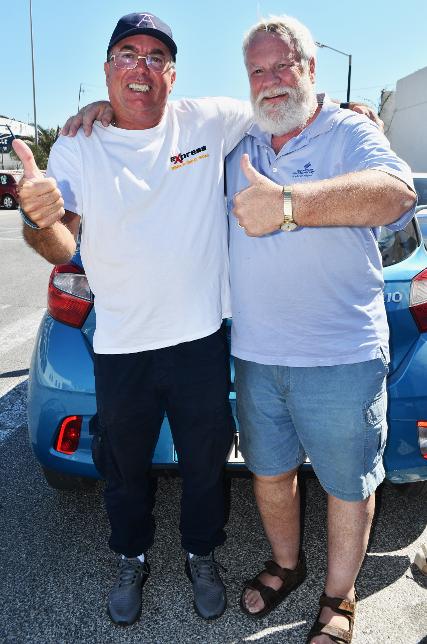
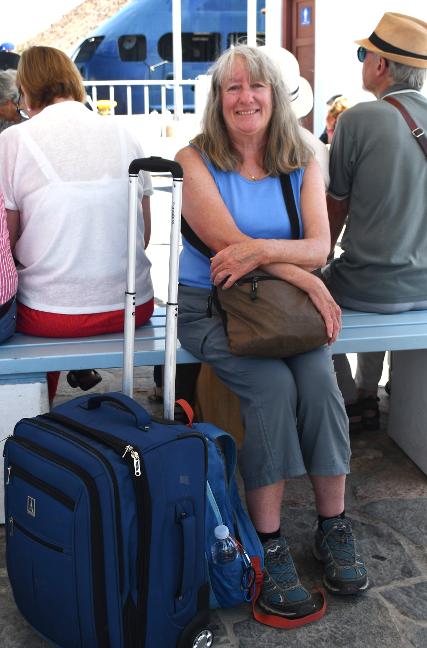
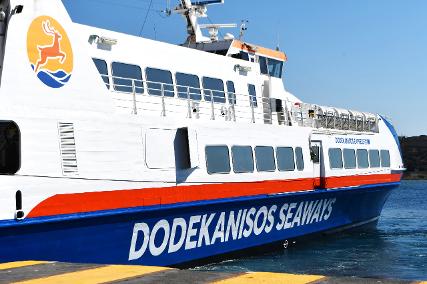
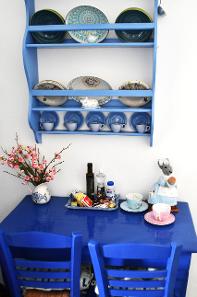
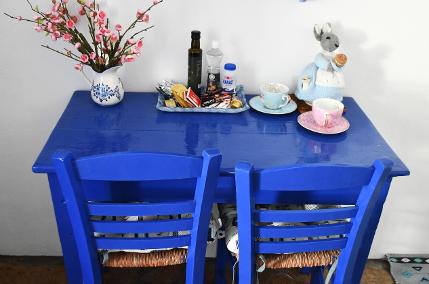
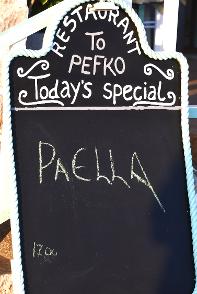
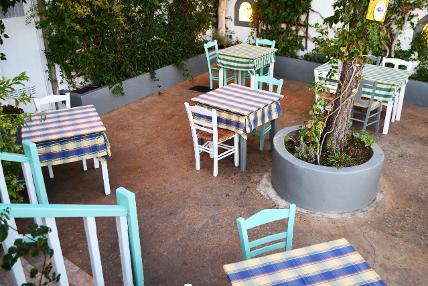
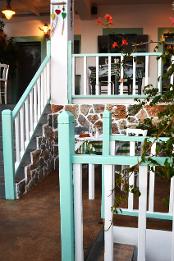
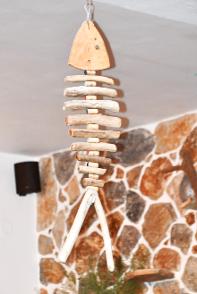
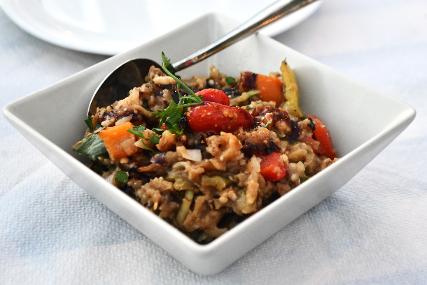
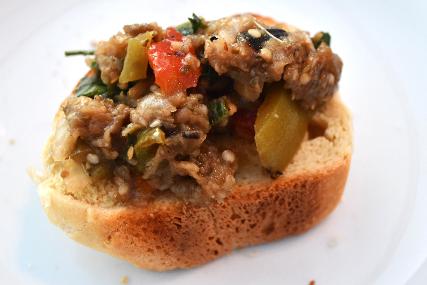
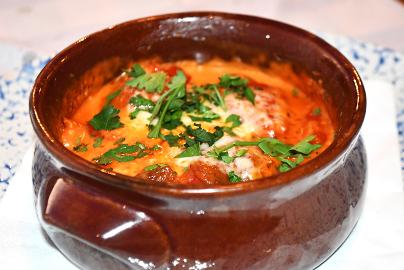
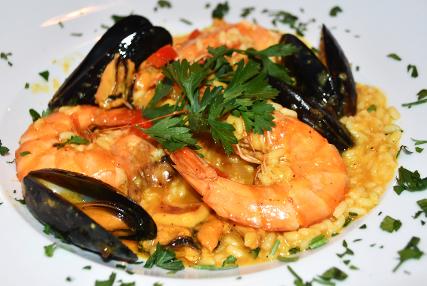
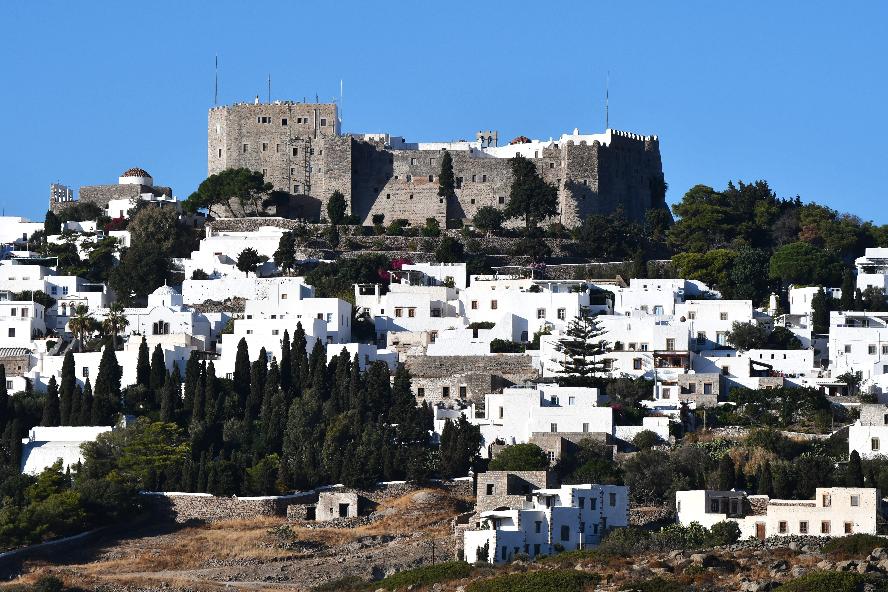
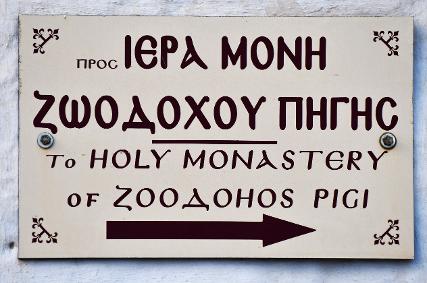
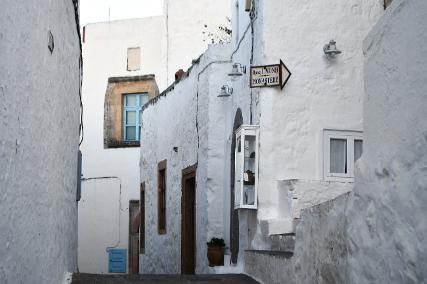
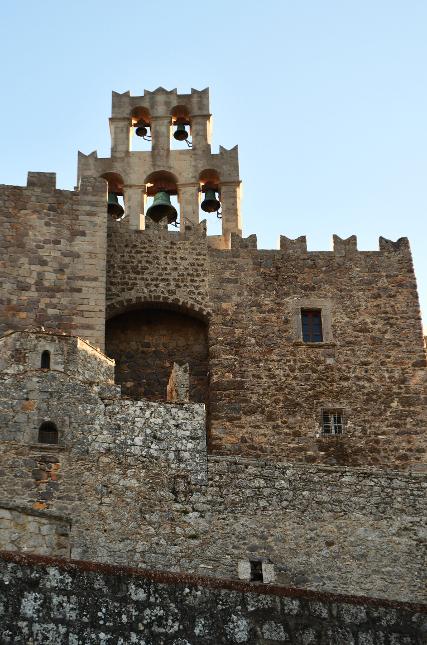
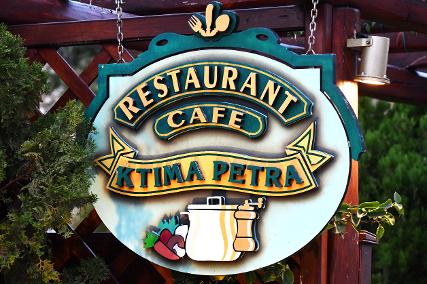
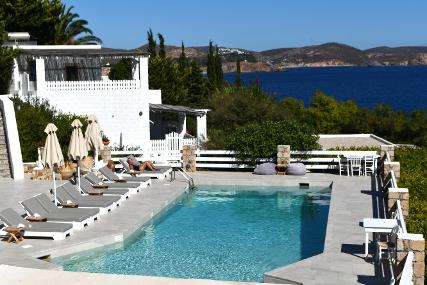
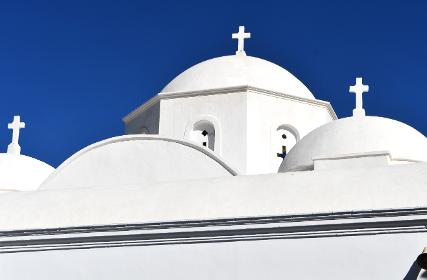
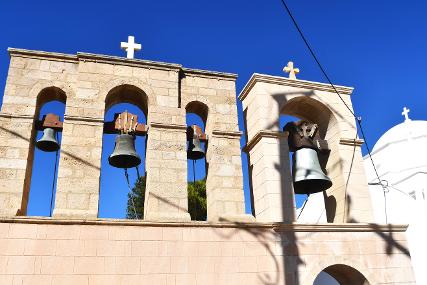
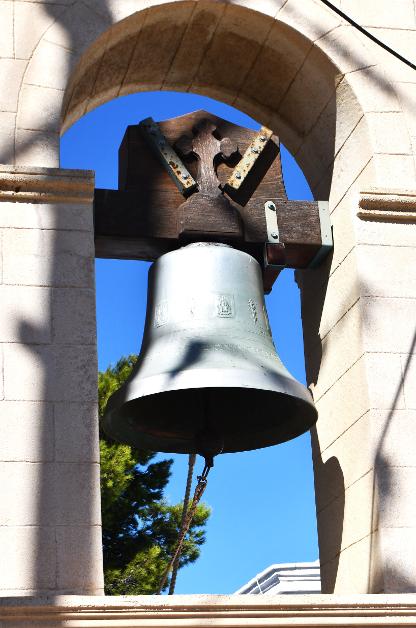
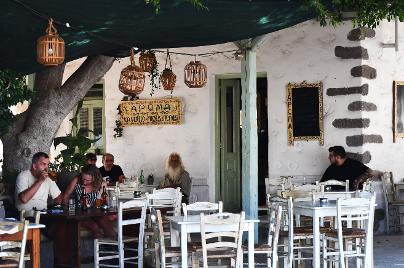
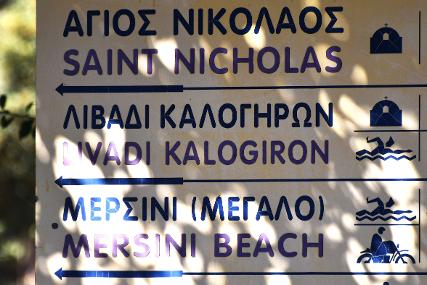
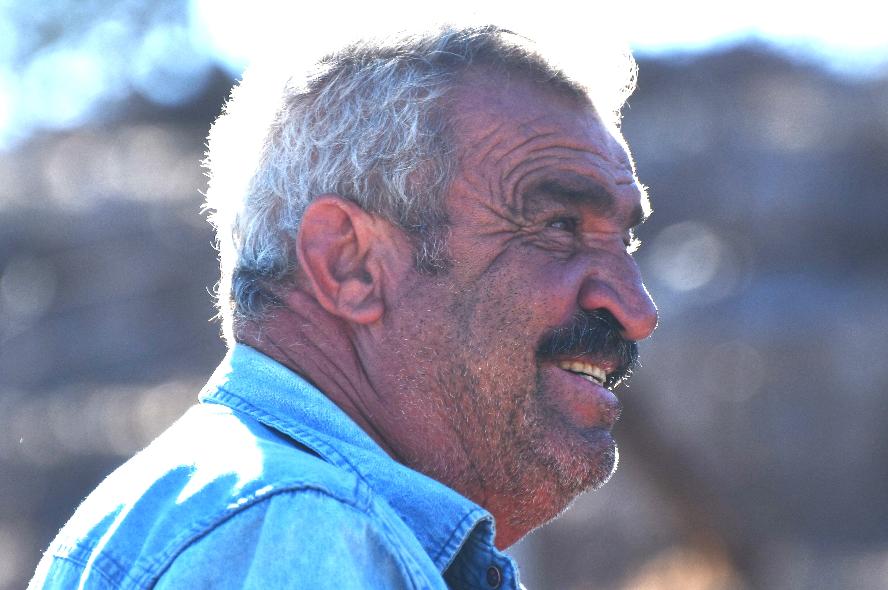
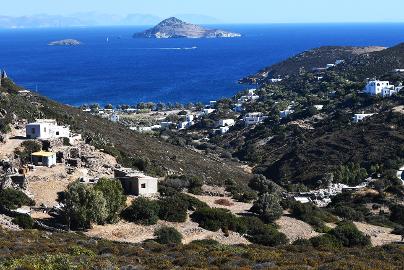
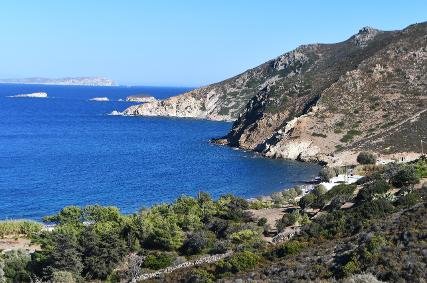
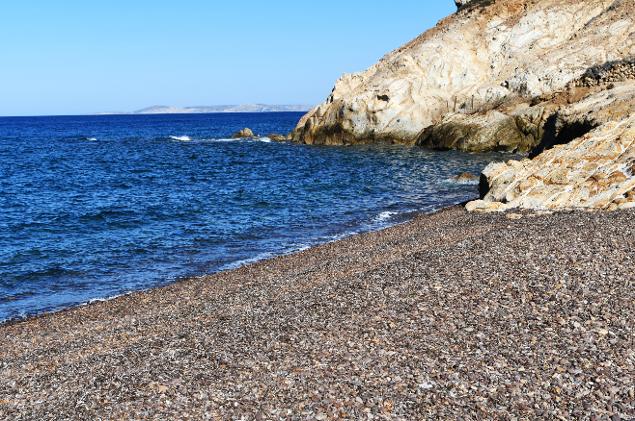
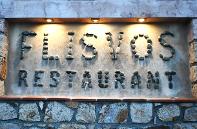
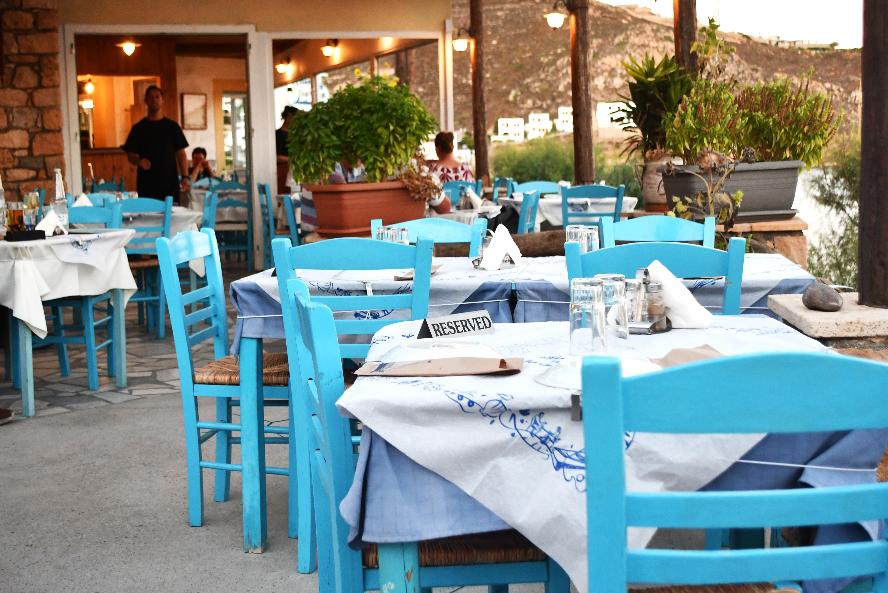
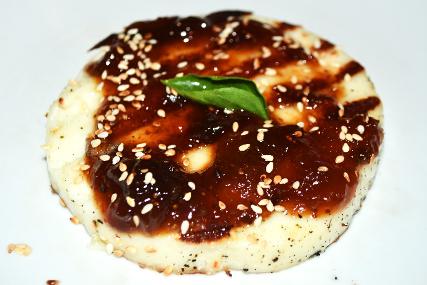
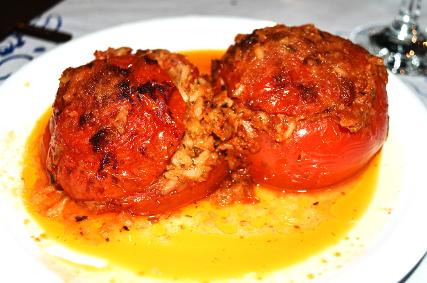
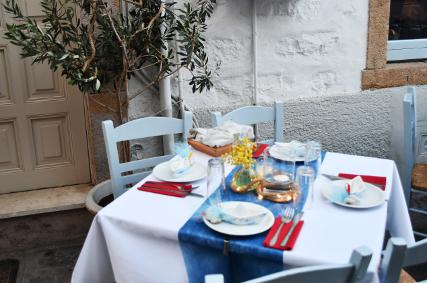
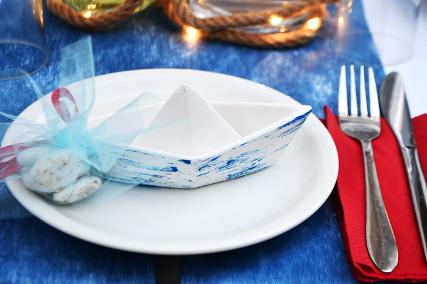
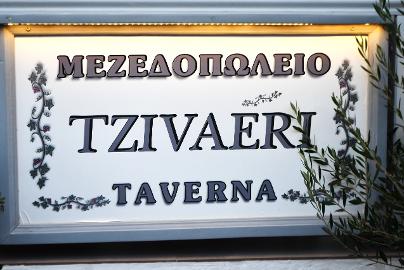
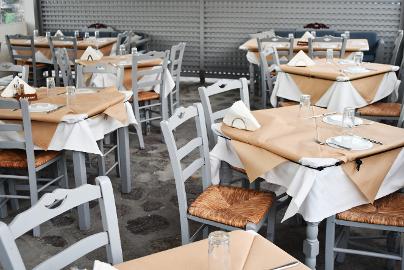
– Give me a name, he asked his friend, Dr. Gazis.
– Don’t you hear it?
– Hear what?
– Don’t you hear it? It’s calling you.
– What’s calling me?
– The flisvos of the sea.
– Huh?
– Call it Flisvos.
And just like that, through a simple conversation, a name was born – one that would carry through the decades.
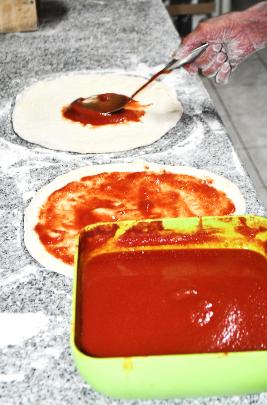
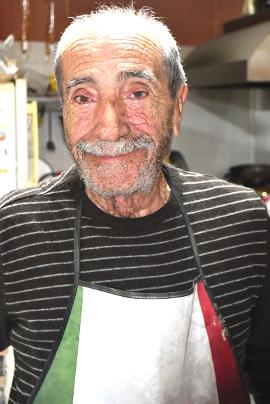
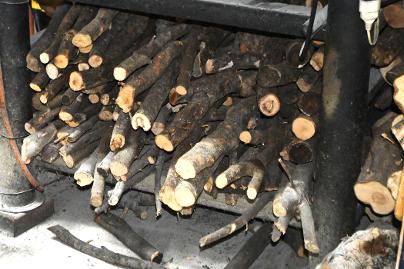
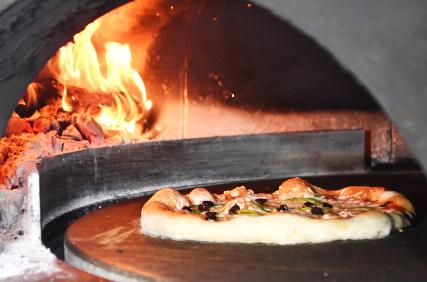
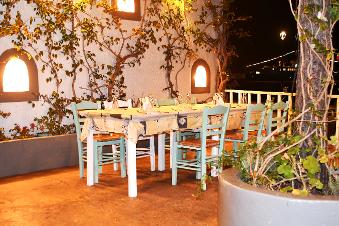
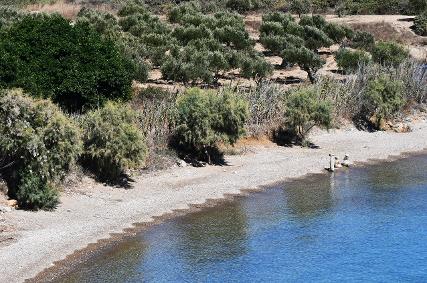
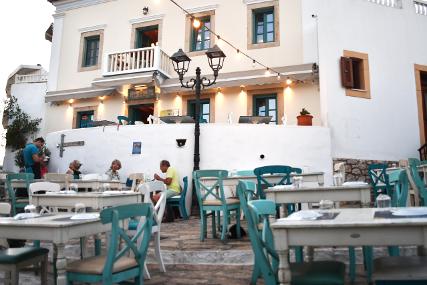
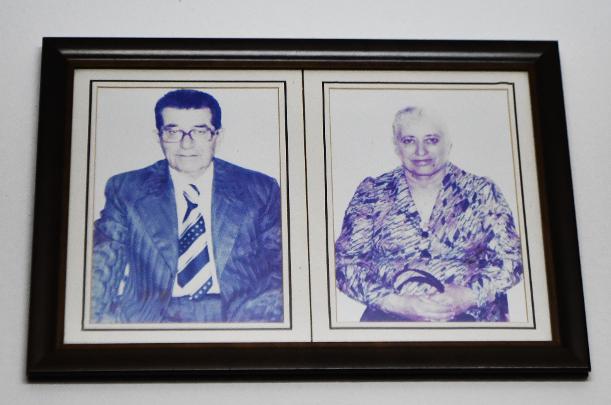
After three years of hard work, Kyriakos – along with about 30 workers – managed to complete the building of the restaurant, in a remote location where everything had to be brought in by boat. In 1959, Flisvos opened its doors for the very first time: the first restaurant in Grikos, and the second on the entire island of Patmos. With care, craftsmanship, and a wood-fired oven for all his cooking, he began to win over the hearts of the early visitors.
The real change came after 1970, when tourism slowly began to emerge on the island. Grandfather Kyriakos, faithful to quality and flavor, passed his passion and knowledge on to his sons, Floros and Pavlos. In 1980, he handed over the reins. One, with his natural gift for connecting with people, drew in more and more guests; the other, by creating a signature recipe, gave Flisvos its own gastronomic identity.
Together with their wives, they elevated and expanded the family business, keeping tradition alive in a modern world. For 35 years, they carried on with care and respect for their roots.
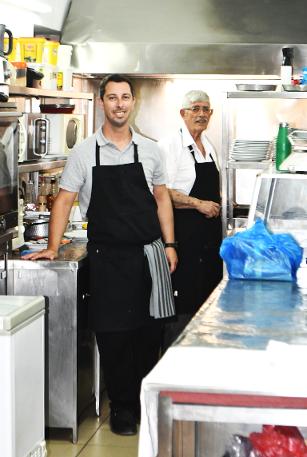
Today, 66 years later, the flame is kept burning by the grandchildren – Kyriakos and Kyriakos-Valantis – who continue the vision of their grandparents, walking the path of modern gastronomy with deep respect for the past. Flisvos remains a landmark in Grikos – not only for its flavors, but for the story it carries.
A story that began with a sound.
The sound of the sea. "
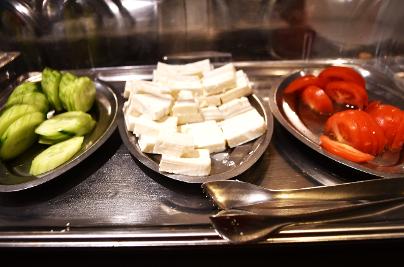
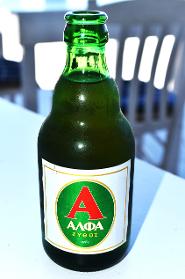
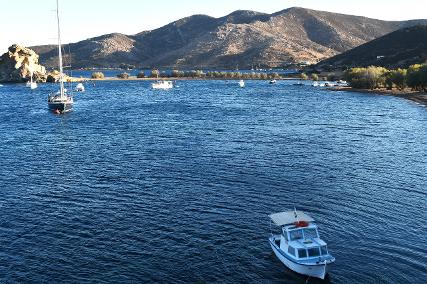
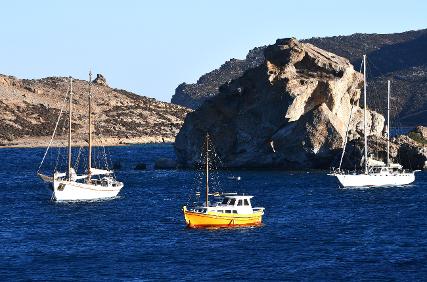
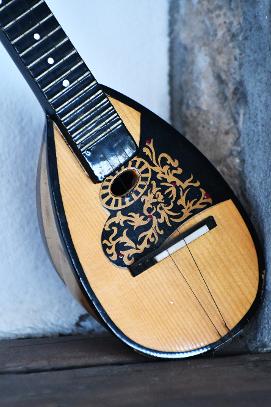
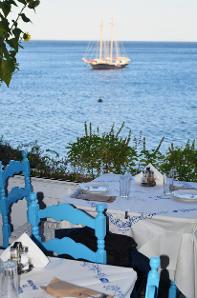
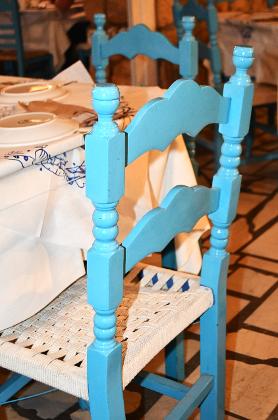
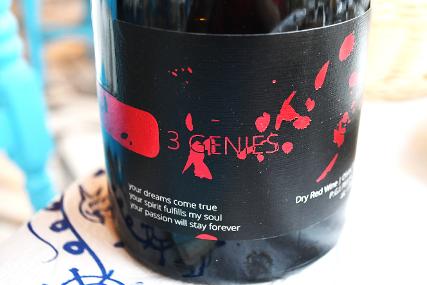
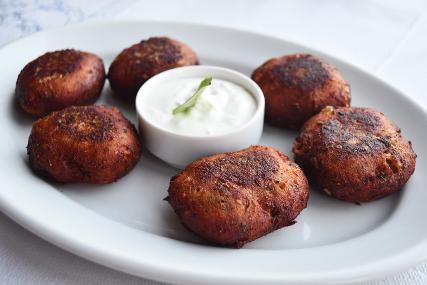
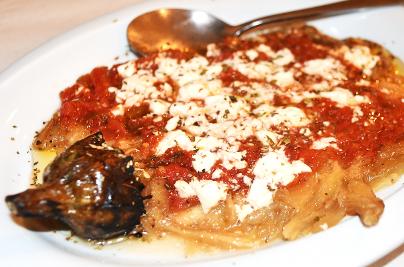
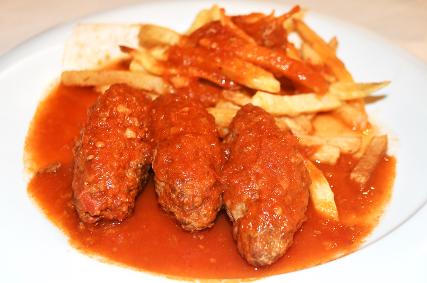
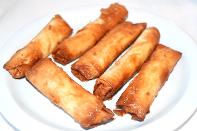
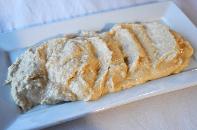
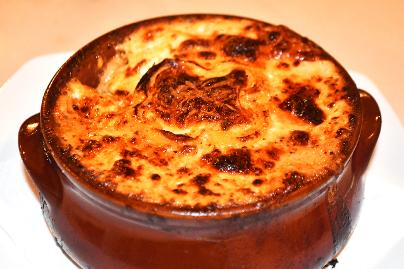
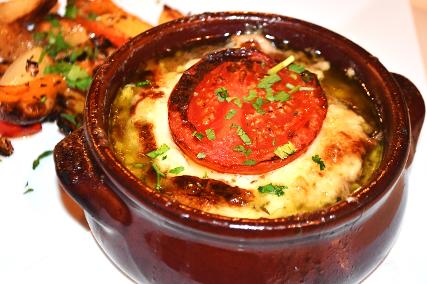
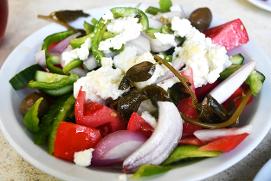
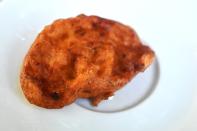
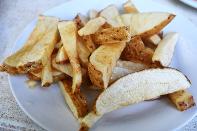
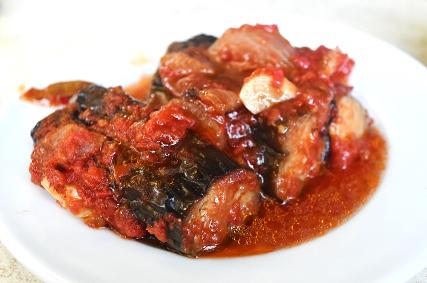
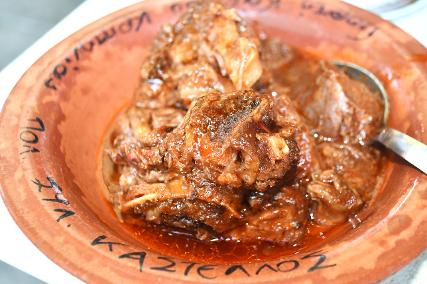
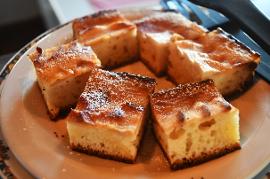
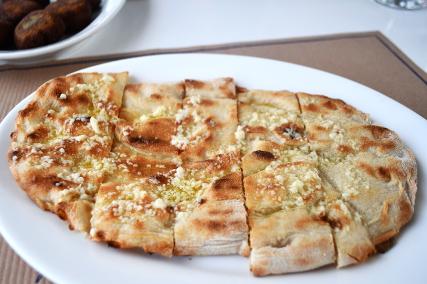
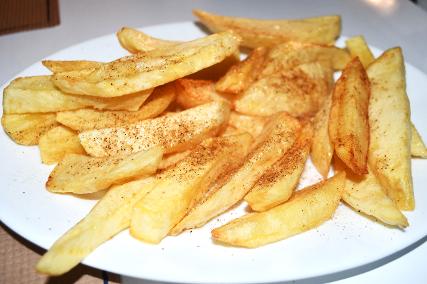
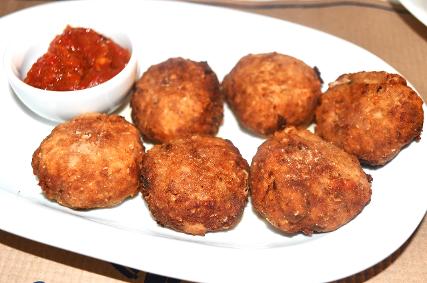
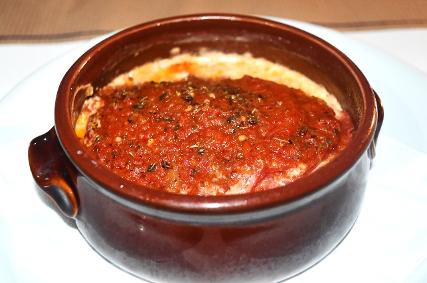
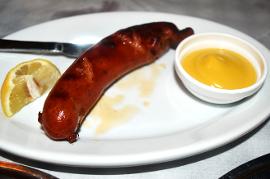
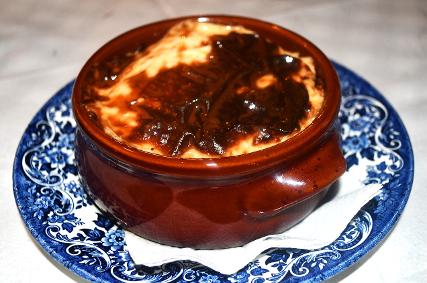
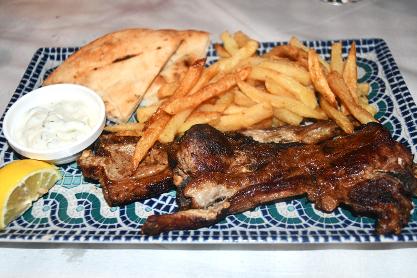
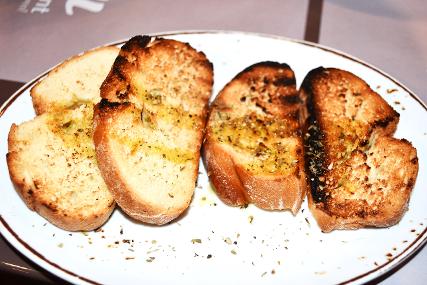
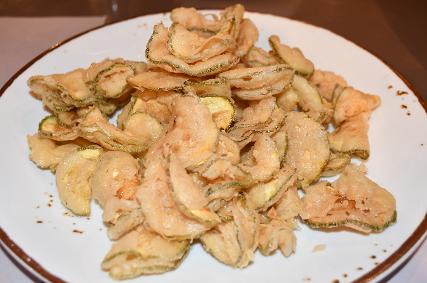
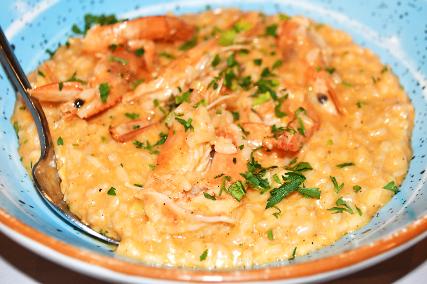
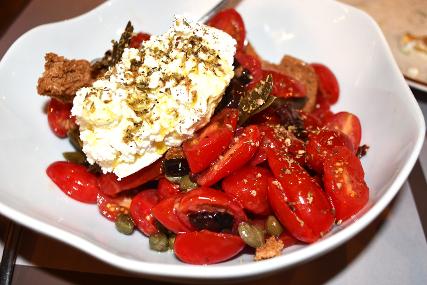
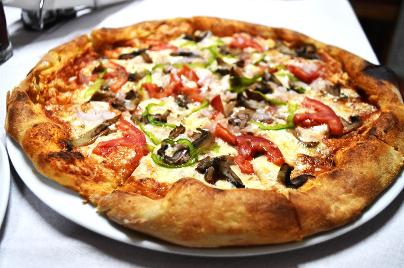
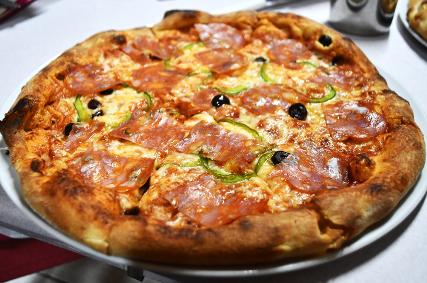
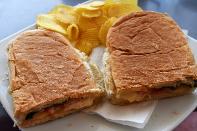
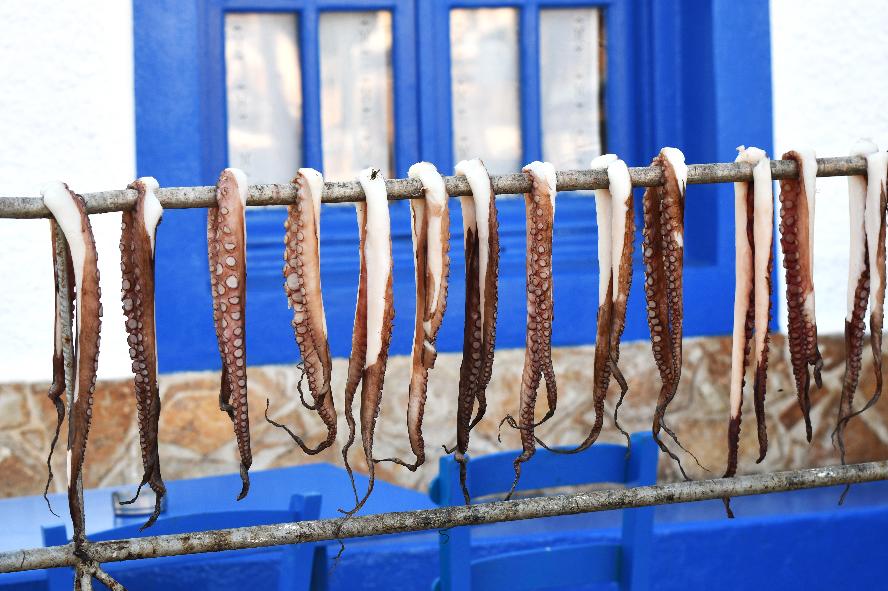
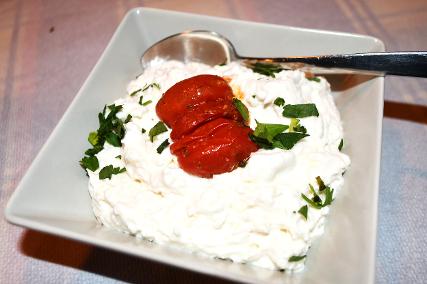
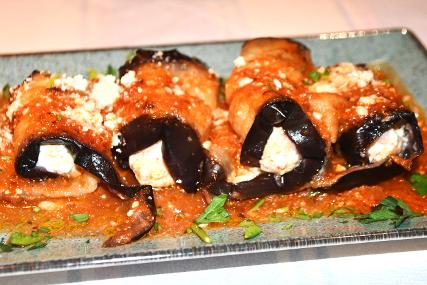
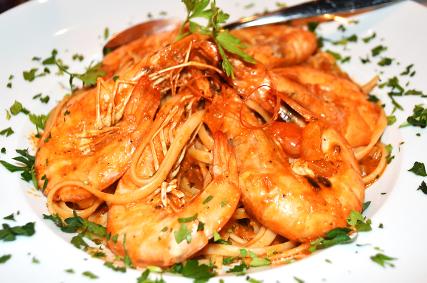
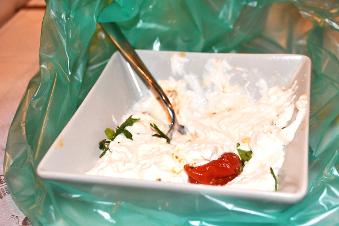
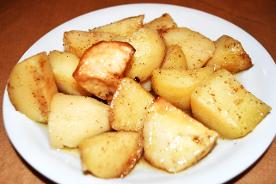
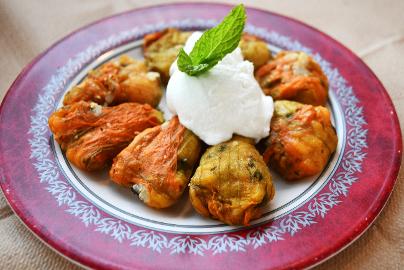
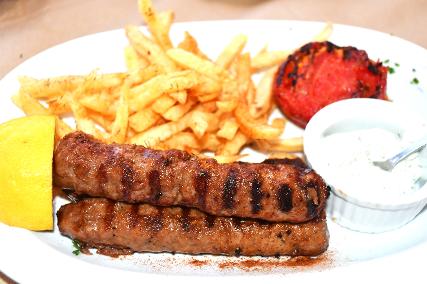
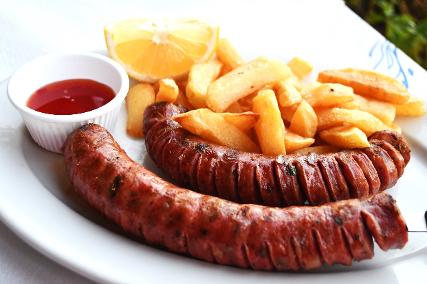
Flisvos' famous chickpeas in the oven. Sausages with leek.
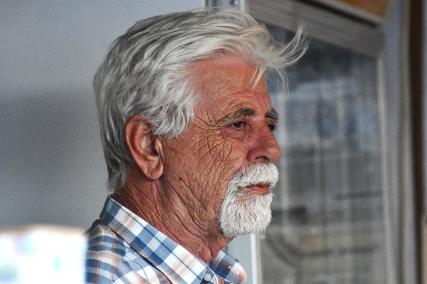
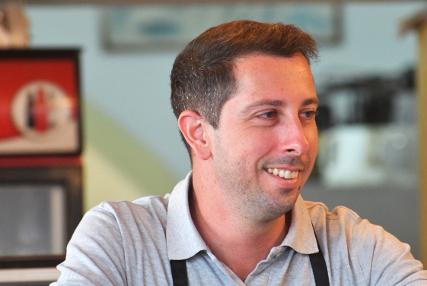
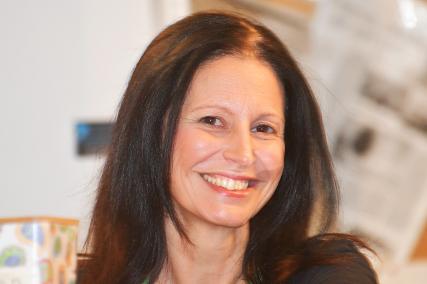
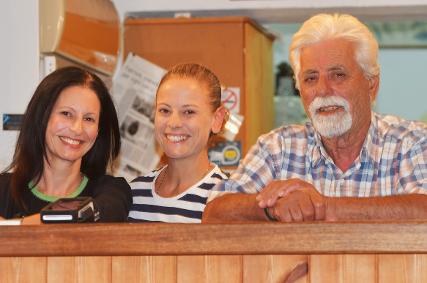
- enjoy another nice breakfast,
- perhaps go to the thermal hot springs, and
- have dinner on the beach at a taverna out near the airport.
- wait until Sunday, or
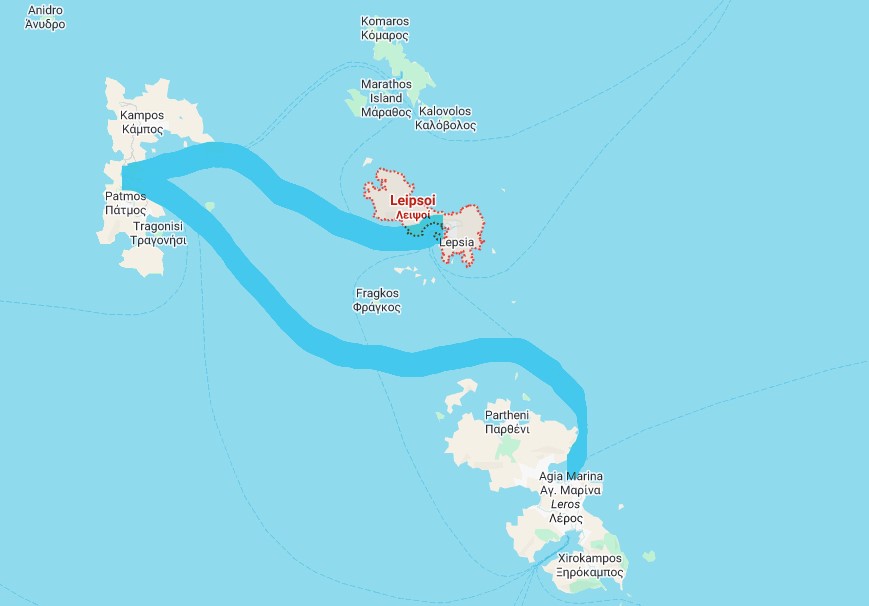
- take the Blue Star this evening (8:40 pm) from Evdilos on the other side of the island.
- checking out today - fortunately we had plenty of time,
- arranging to return the car this evening in Evdilos rather than tomorrow morning in Agios Kirykos, and
- book a hotel in Patmos.
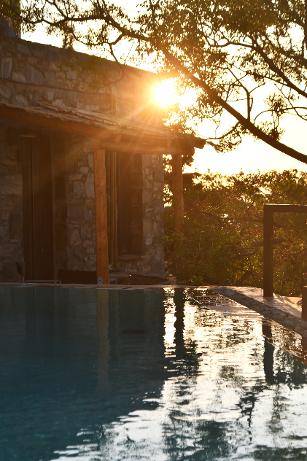
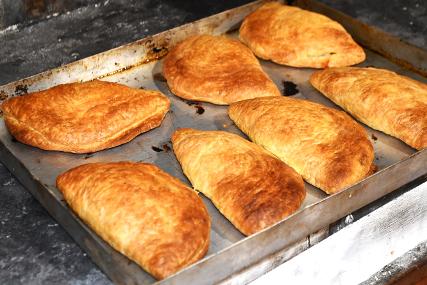
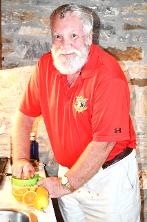
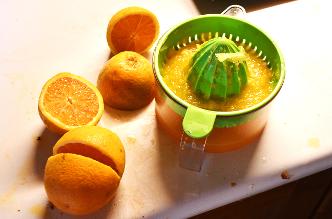
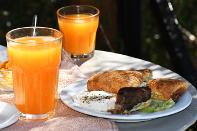
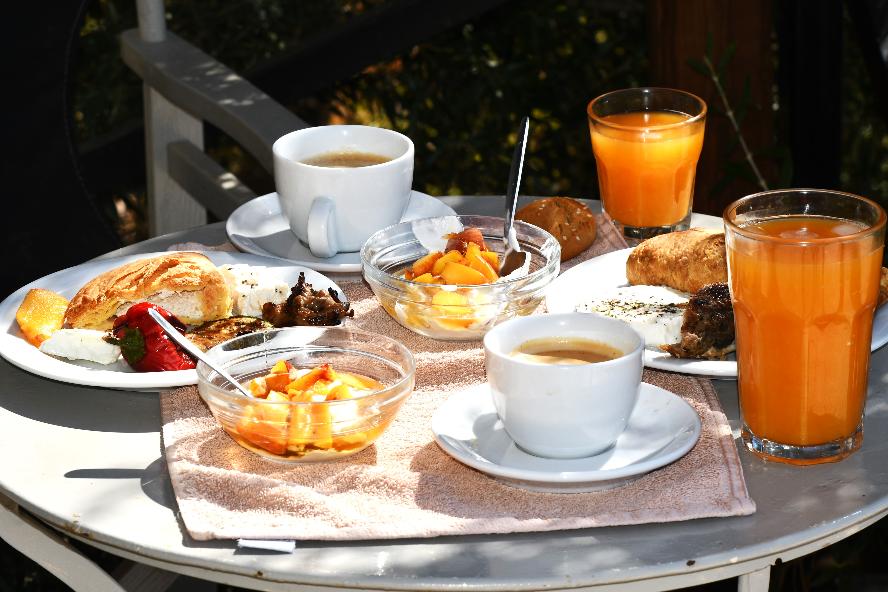
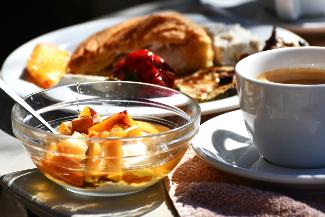
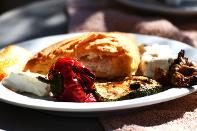
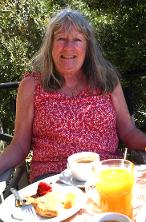
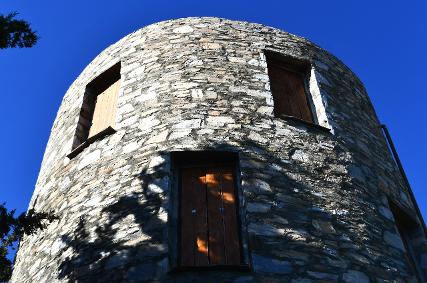
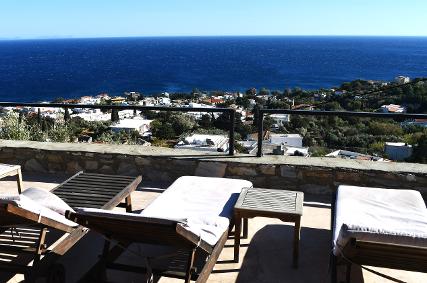
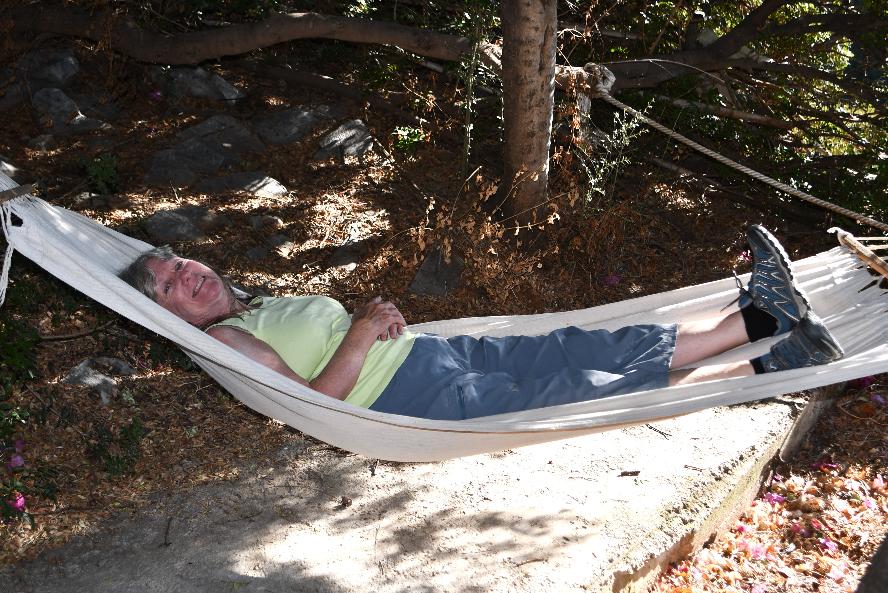
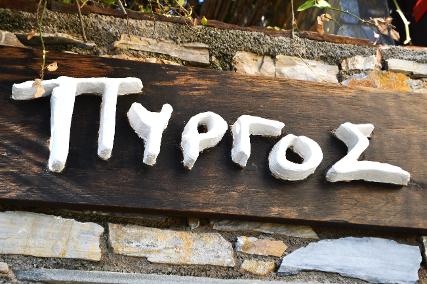
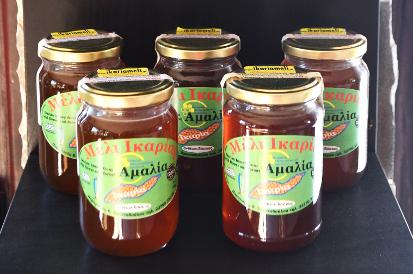
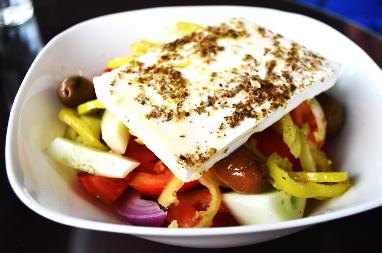
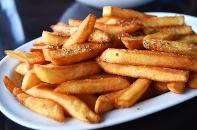
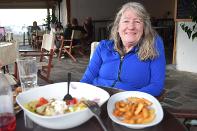
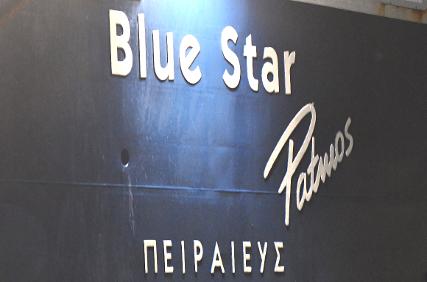
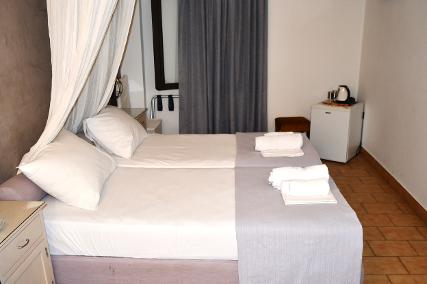
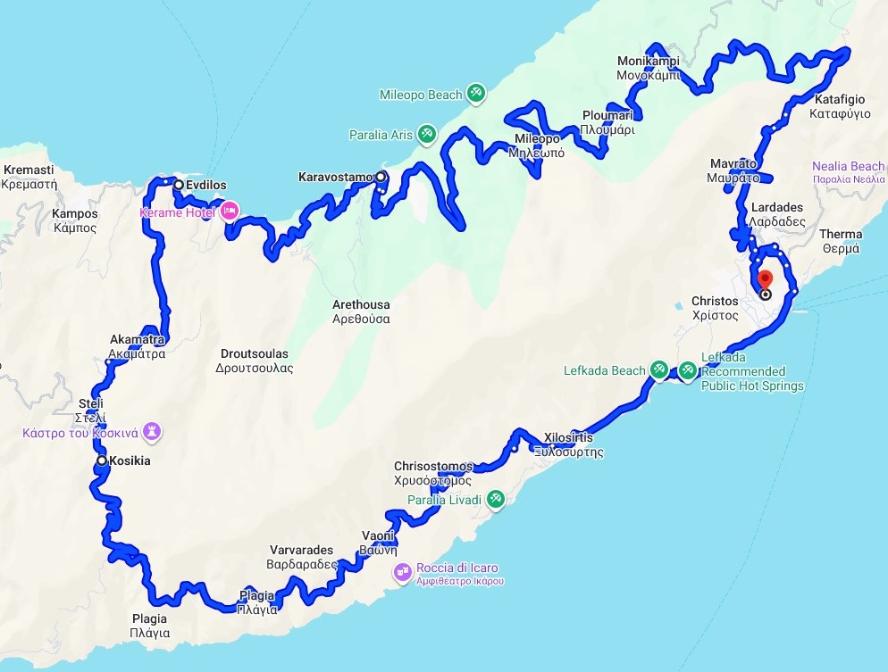
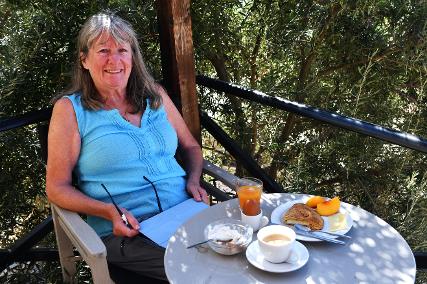
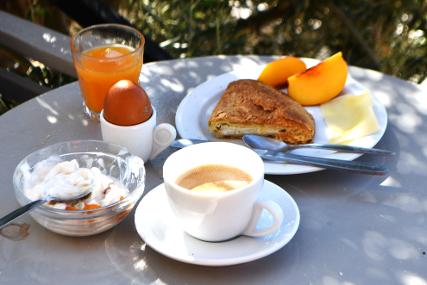
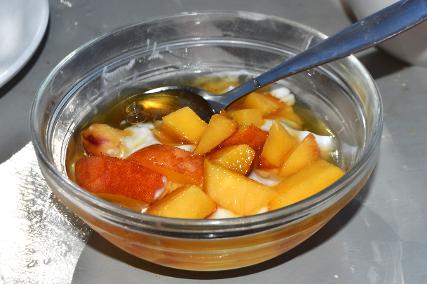
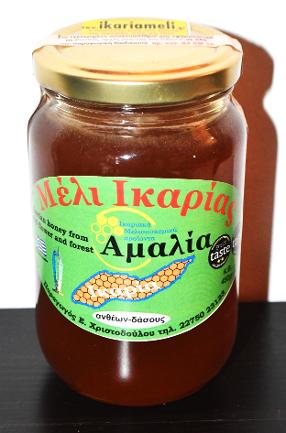
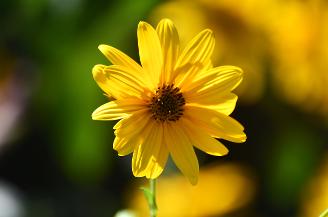
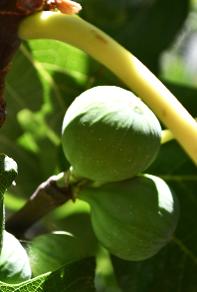
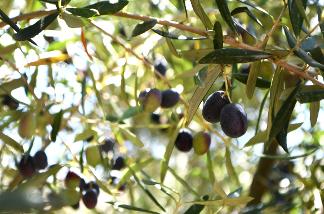
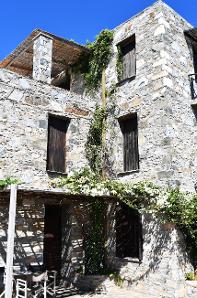
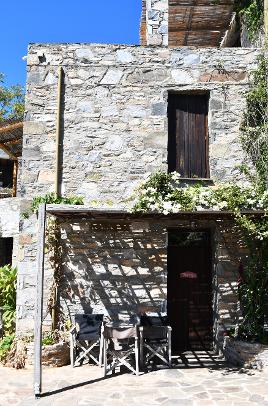
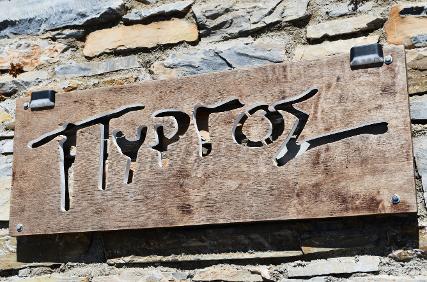
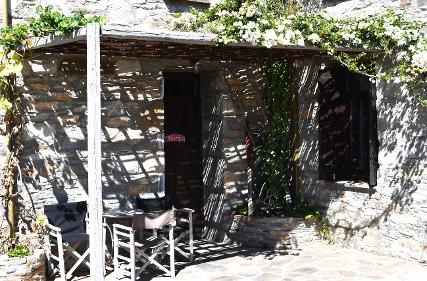
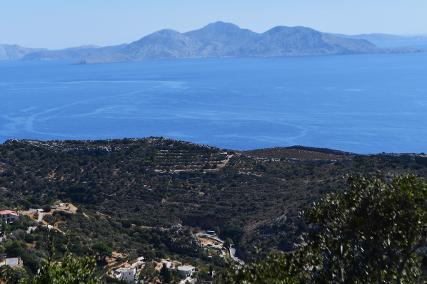
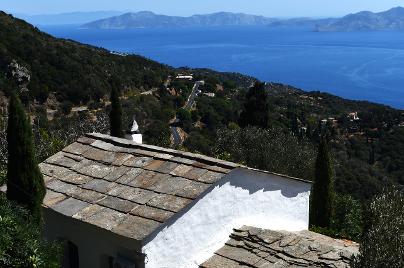
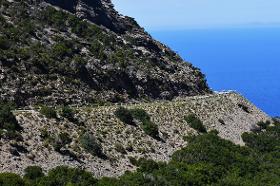
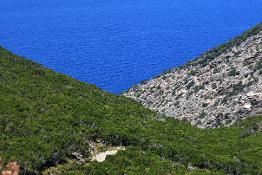
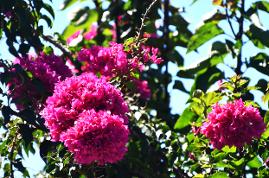
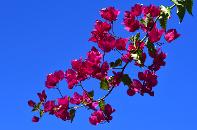
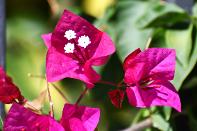
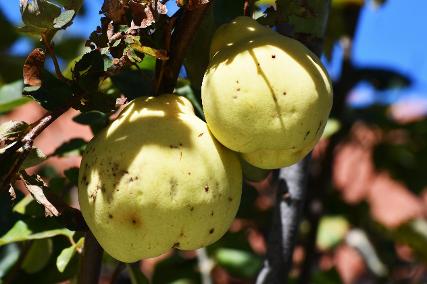
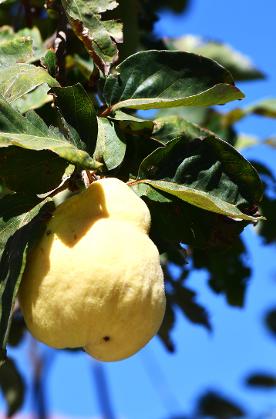
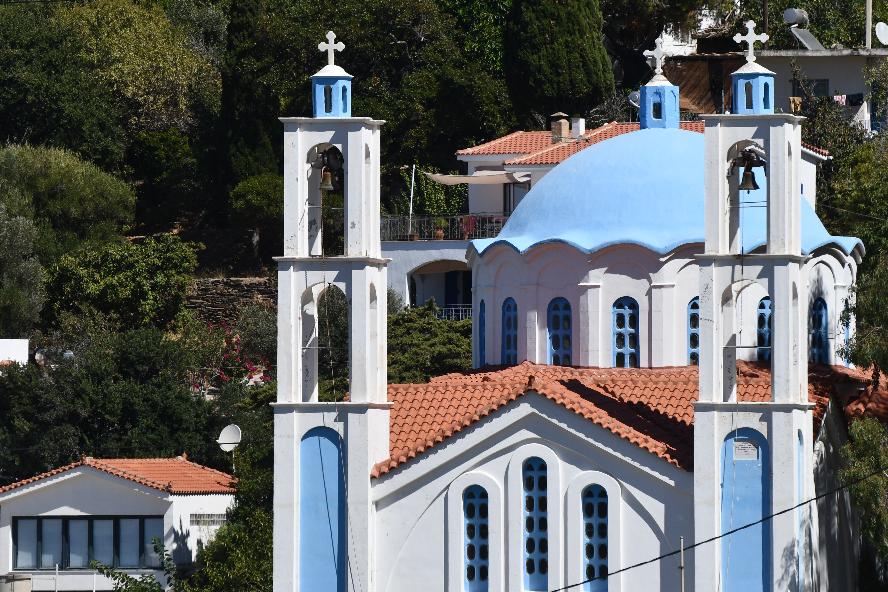
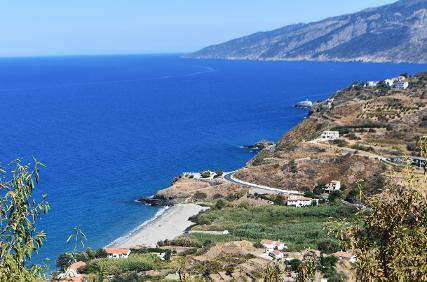
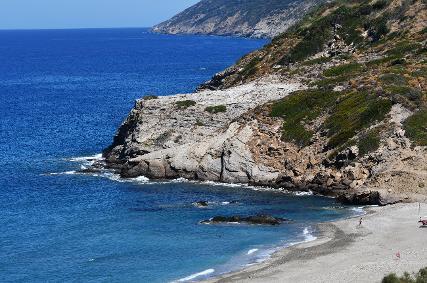
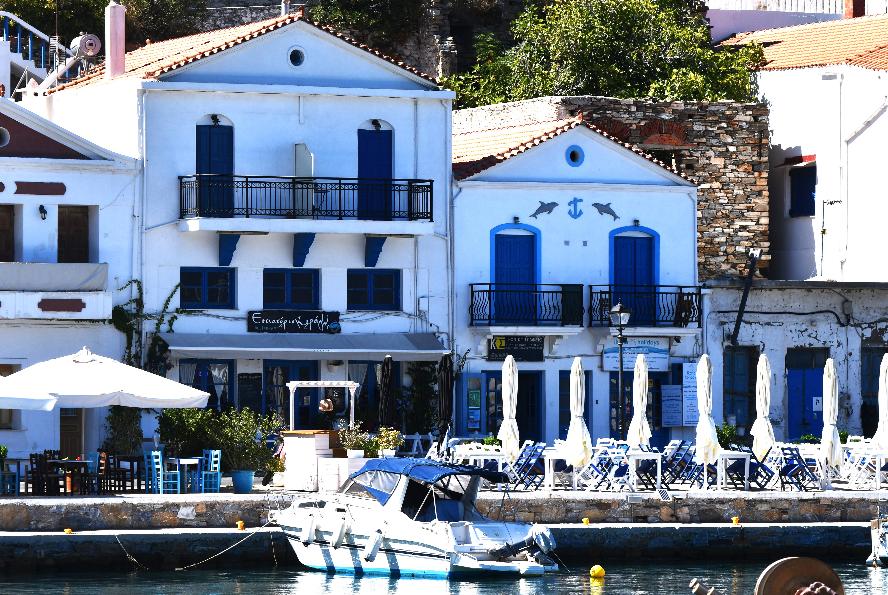
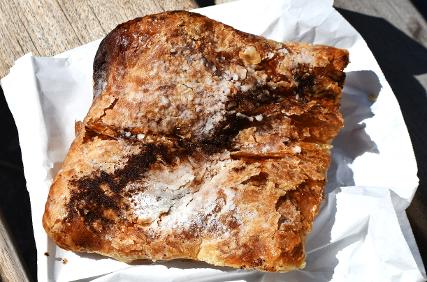
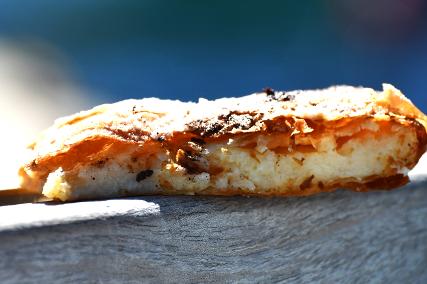
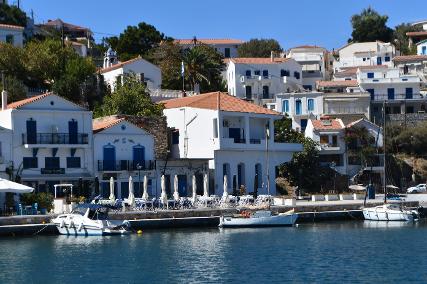
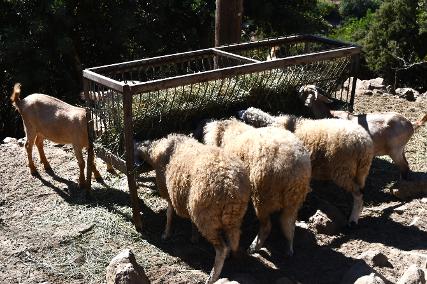
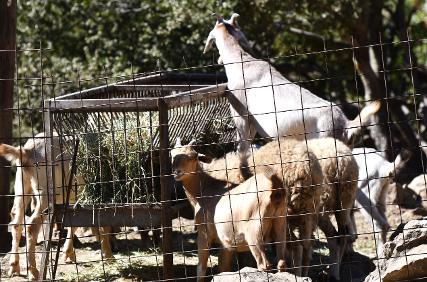
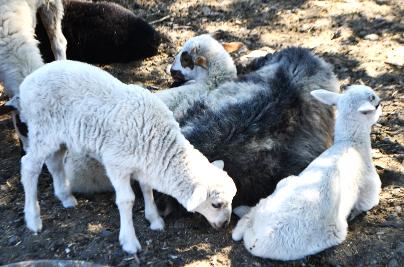
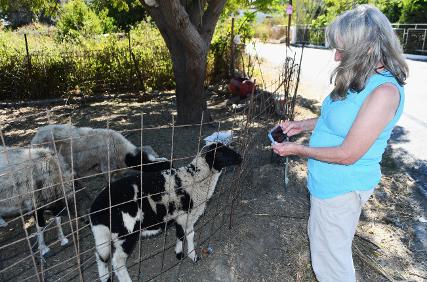
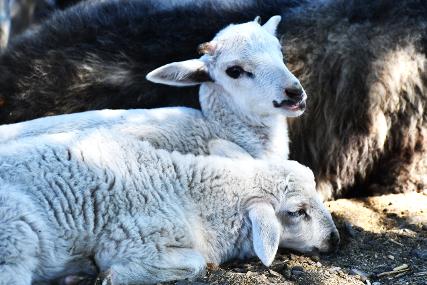
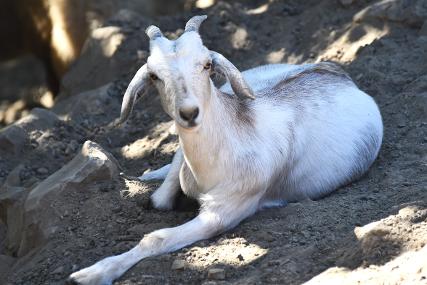
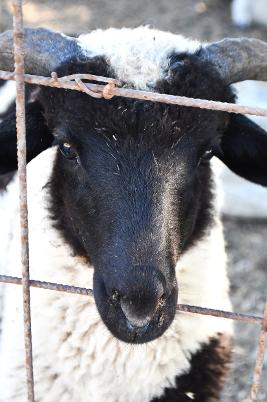
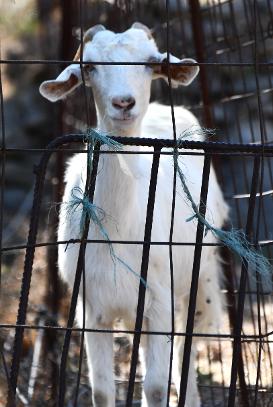
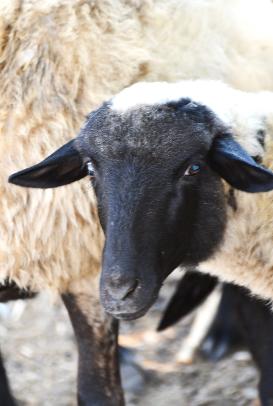
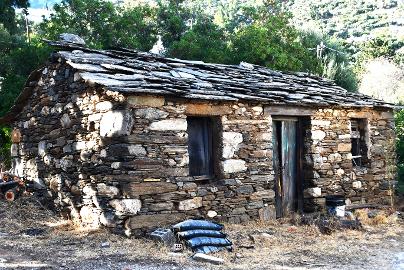
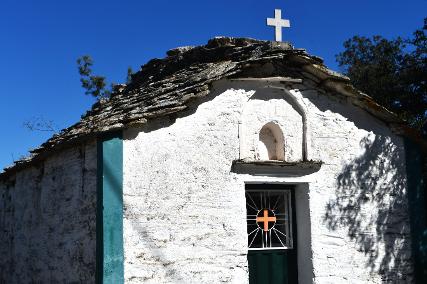
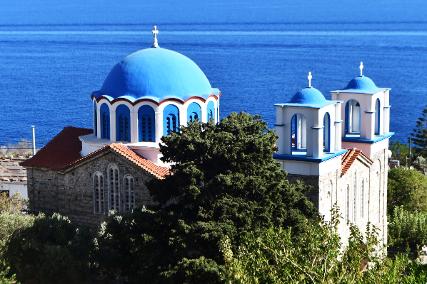
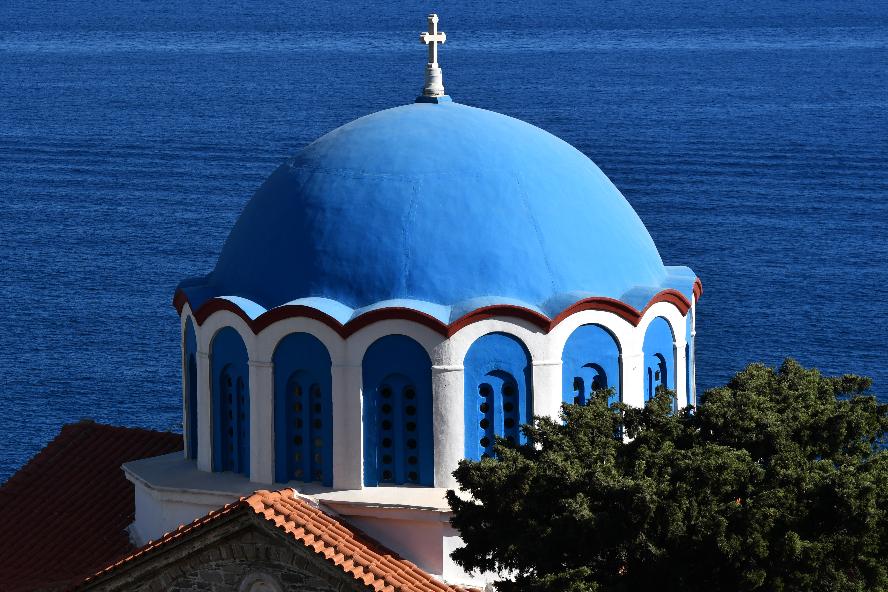
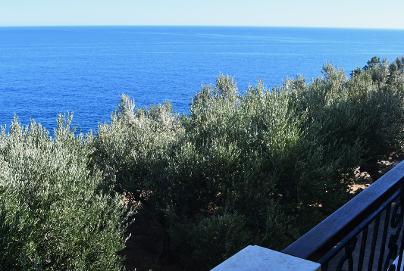
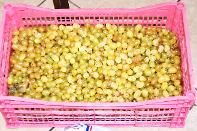
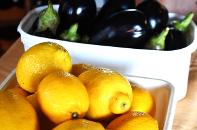
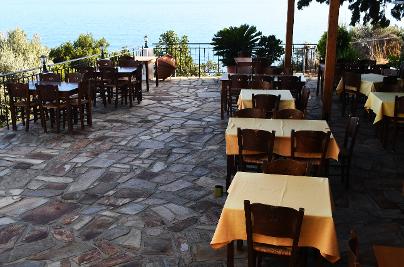
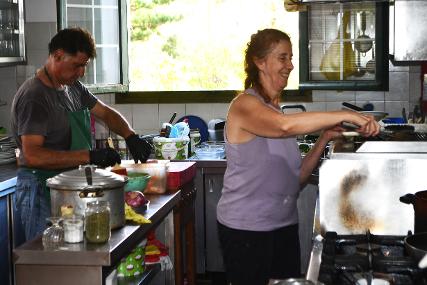
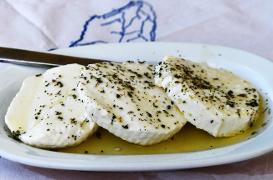
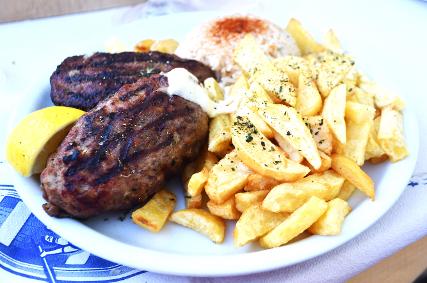
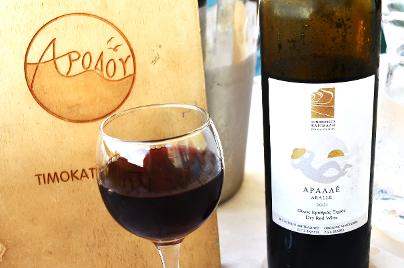
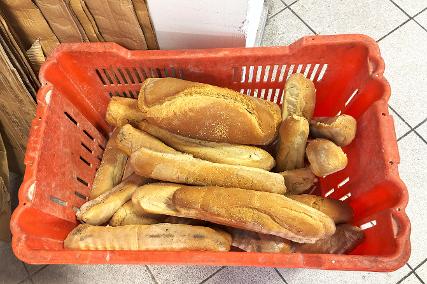
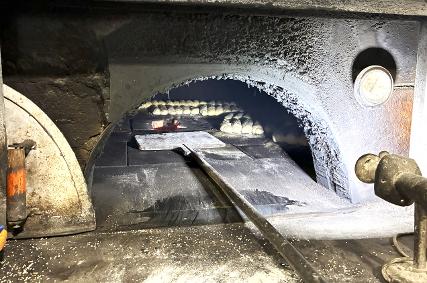
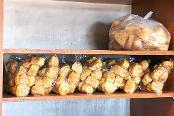
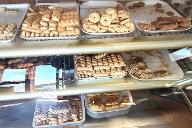
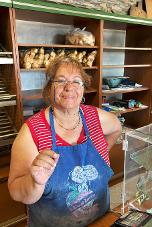
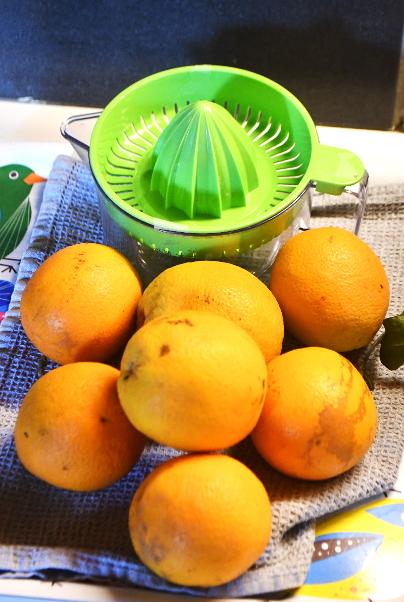
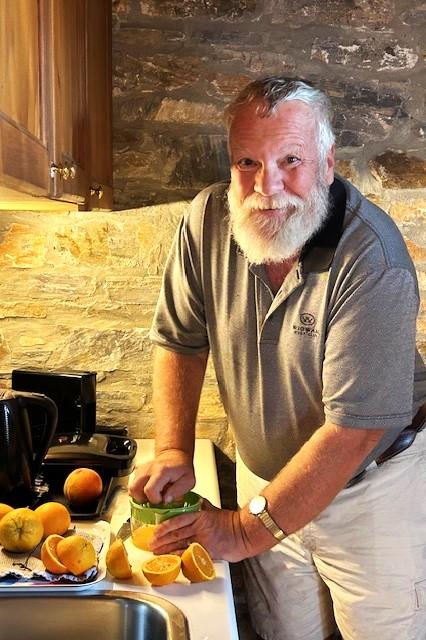
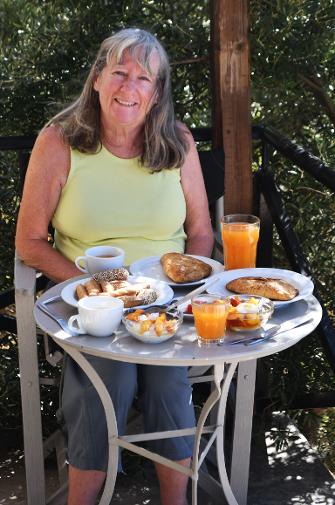
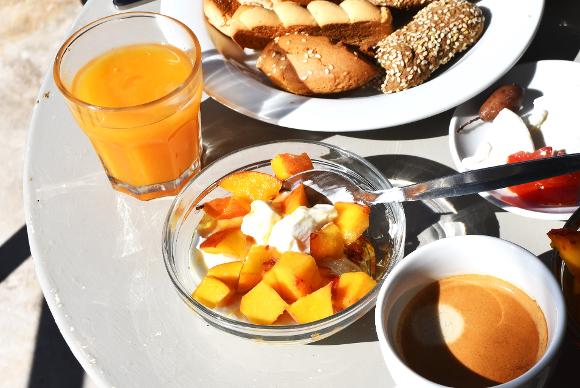
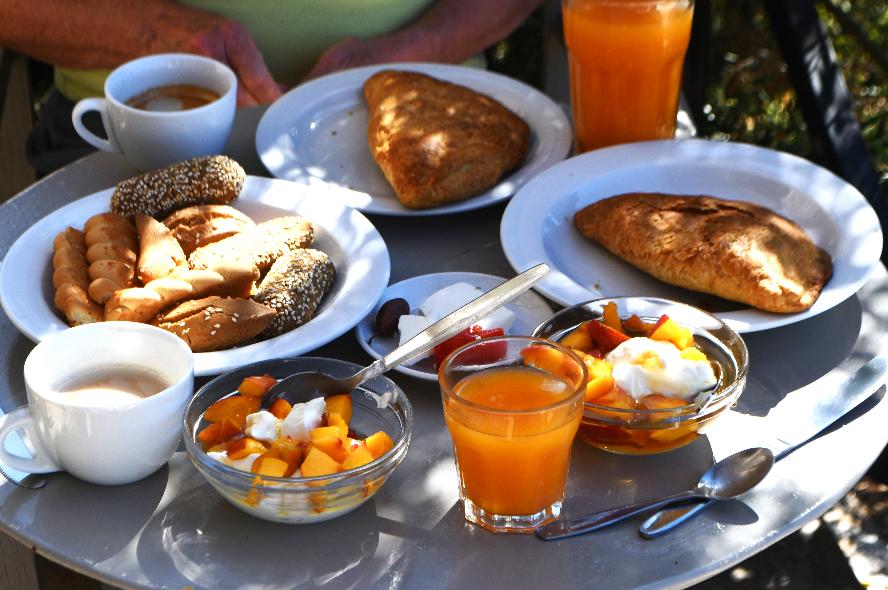
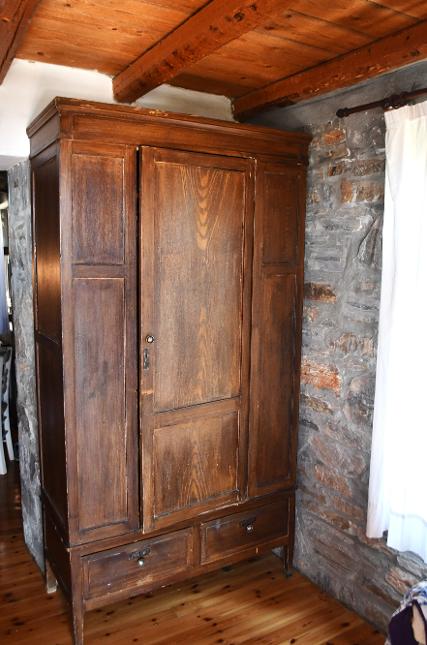
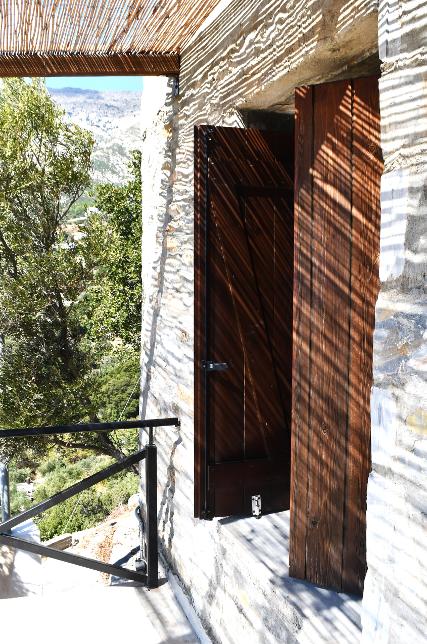
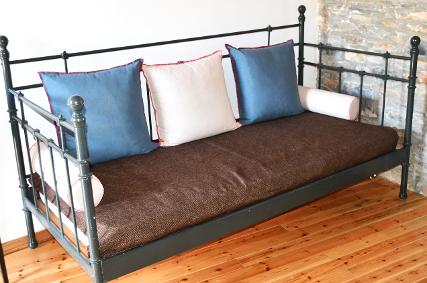
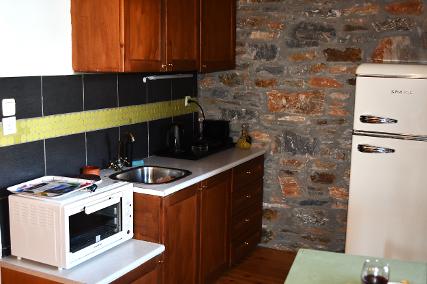
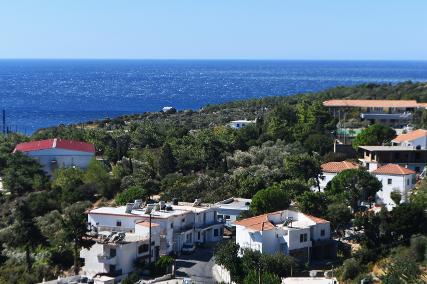
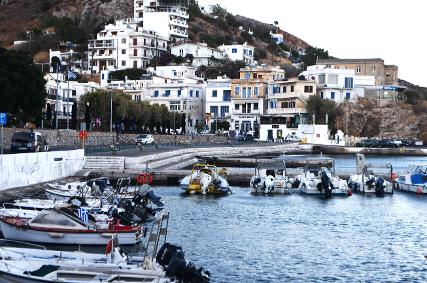
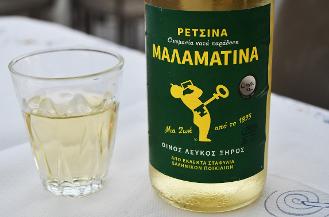
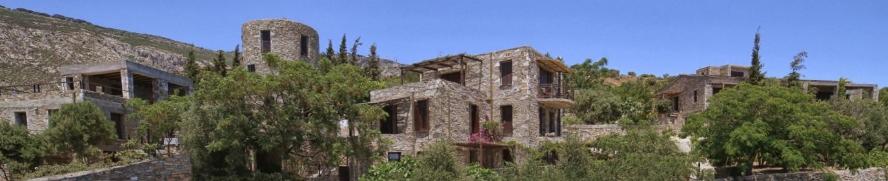
Photo from Pyrgos Traditional Village website
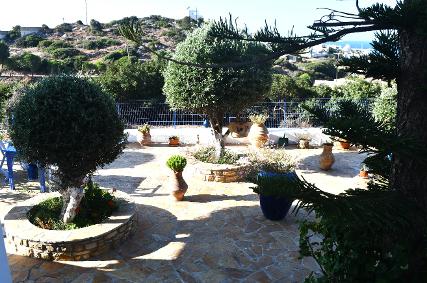
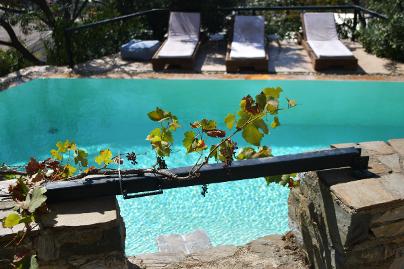
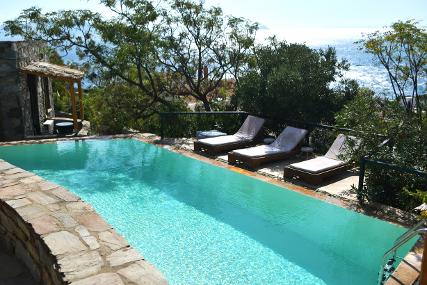
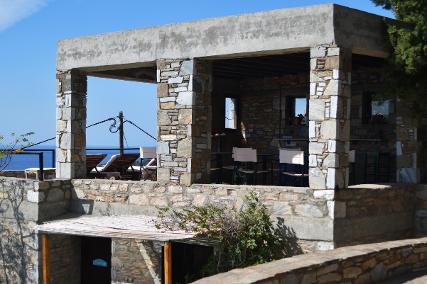
The ruins of a little tower mill positioned on top of Agios Kirykos, gave birth to the idea. ‘Pyrgos traditional village’ is almost a 20 year-building project, new houses and restoration, all with traditional architecture methods. The stone was directly excavated from the site, the clay, the sand, the canes, the slate slabs, most of the wood all from the island.
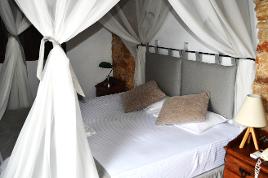
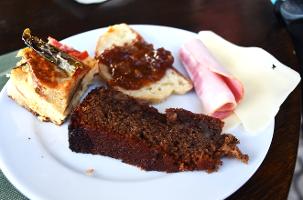
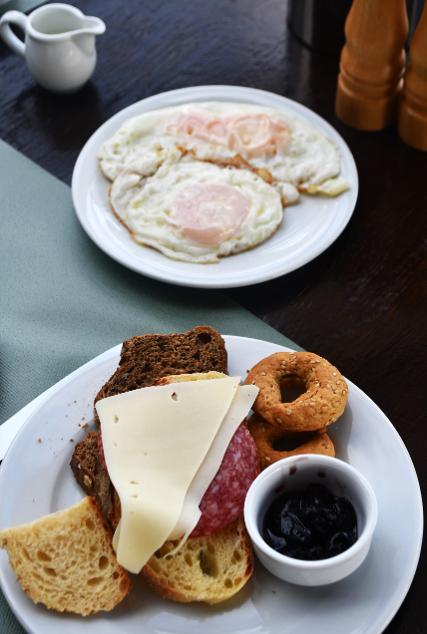
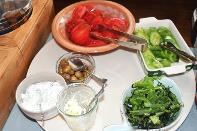
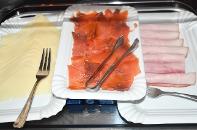
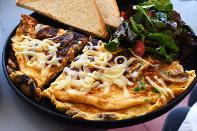
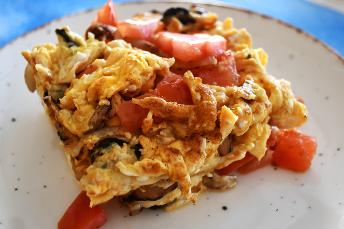
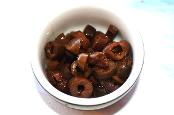
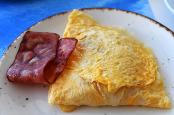
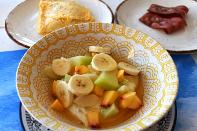
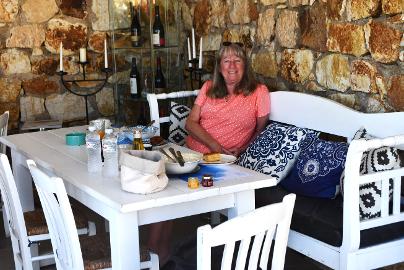
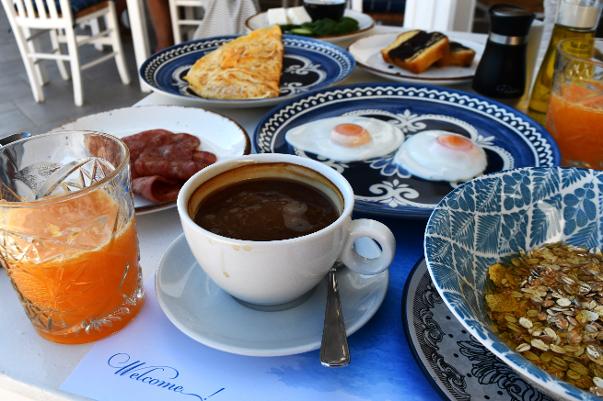
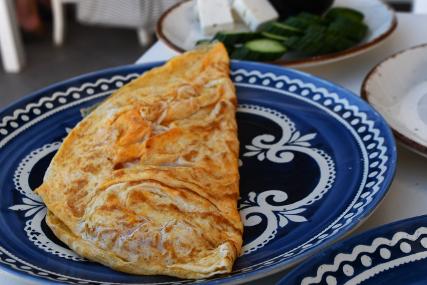
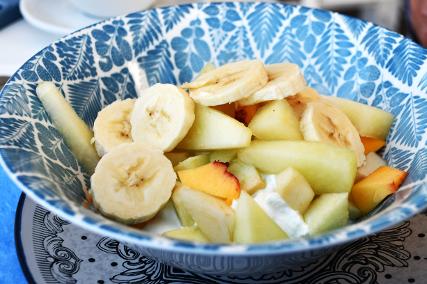
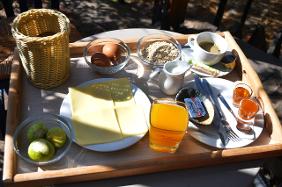
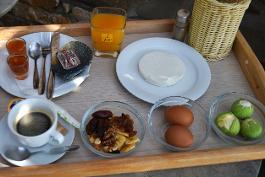
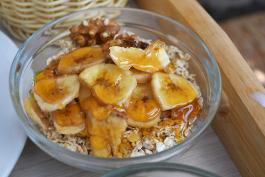
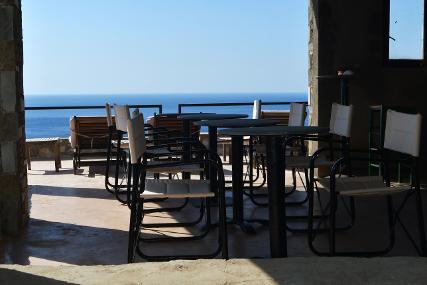
Three breakfast options are provided - the Standard tray, Traditional tray and Super Food tray. Gayle had the standard tray consisting of jam, slow baked sourdough local bread, Icarian honey, cereal / oat flakes, edam cheese, boiled eggs, orange juice, coffee and a seasonal fruit (today figs) while I had the Traditional tray with soft goat cheese and local dried fruits. We ate breakfast in a nice garden area. While the tables were small for the large trays with no one else there, other than a couple of very polite cats, we each had our own table.
As mentioned most of the day was spent in our attractive stone built unit with wonderful views of the Aegean Sea. An afternoon nap by the pool was enjoyed.
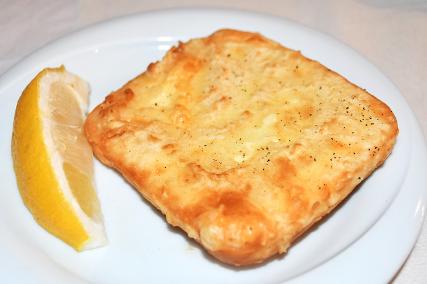
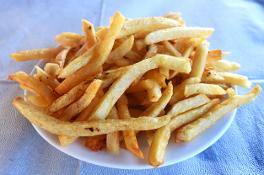
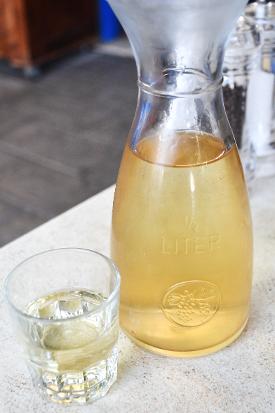
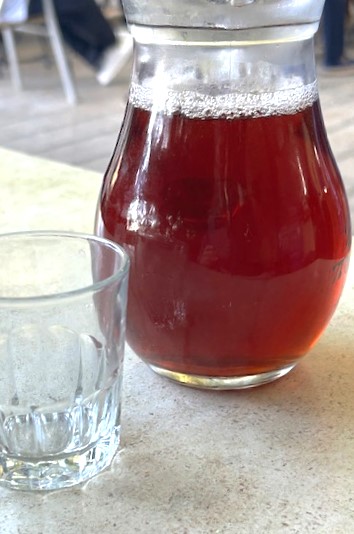
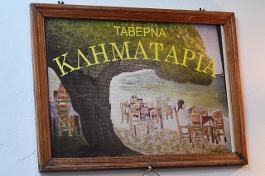
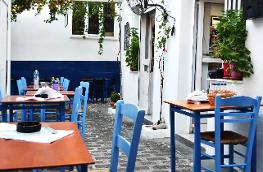
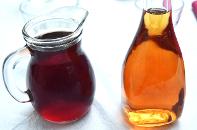
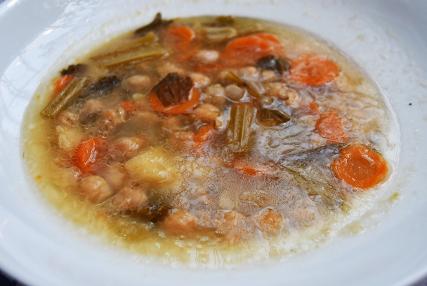
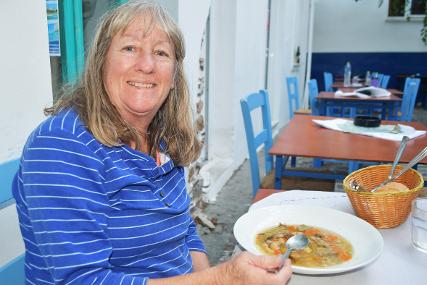
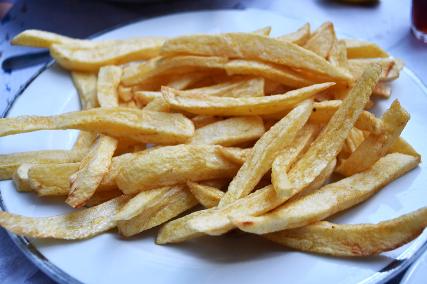
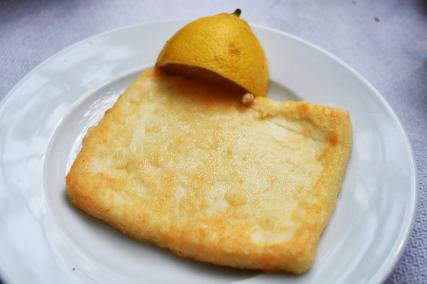
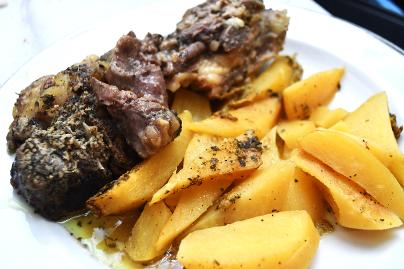
We did go into town for dinner, ending up at Klimataria, a cute taverna set in a back alley. One would think it would be protected from the wind but not so. Gayle had the special of the day - a very healthy chick pea, vegetable soup but then countered that with a not-so-healthy very large serving of french fries. Norm, in addition to helping eat the fries, had saganaki (fried Greek cheese) followed by lamb in lemon sauce. The food was good but the drink not so. The retsina was the strangest amber colour I've ever encountered and the taste ... not the retsina I am accustomed to and not good at all. The red wine was not much better. With water and bread the meal came to 42.0 euros.
Back up and then down the hill to Pyrgos Tradional Village where, in spite of the early hour, we called it a night.
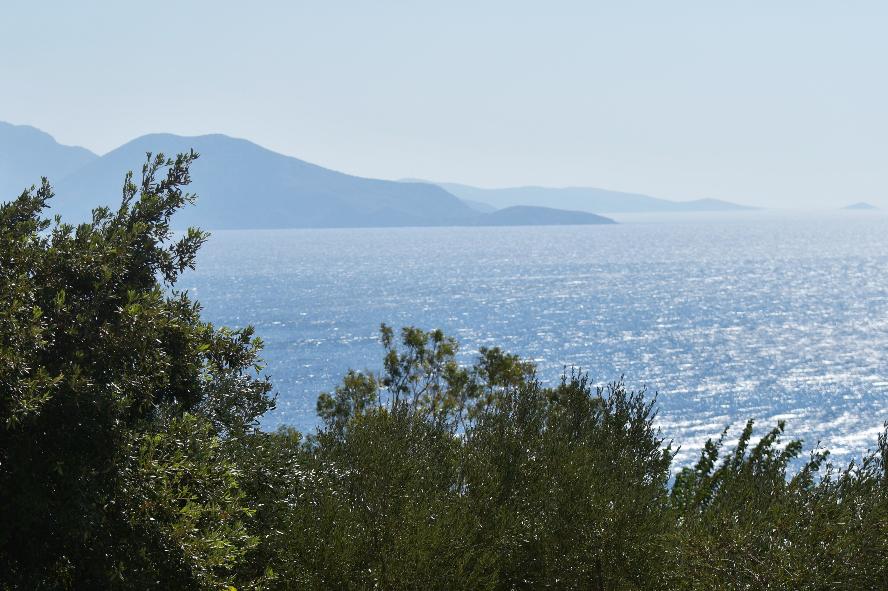
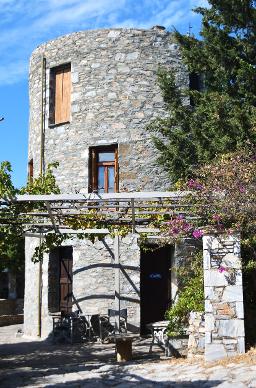
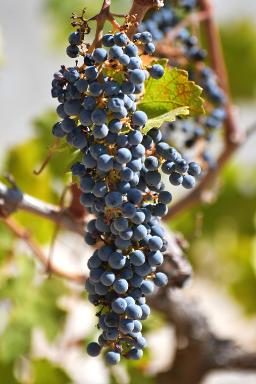
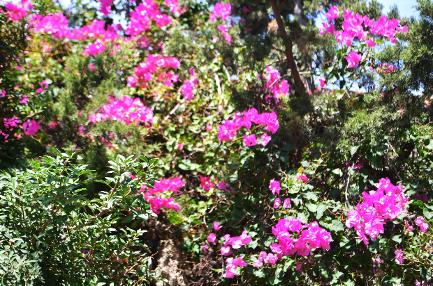
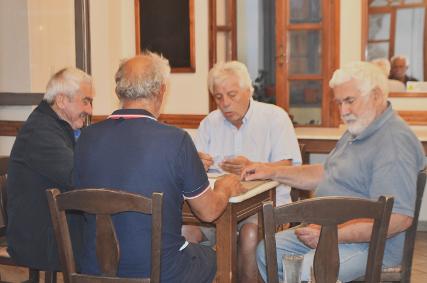
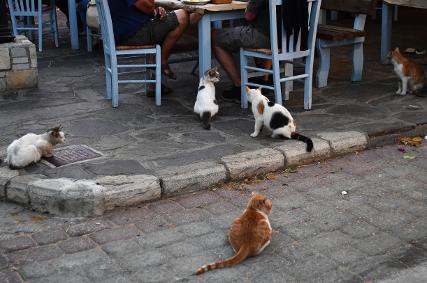
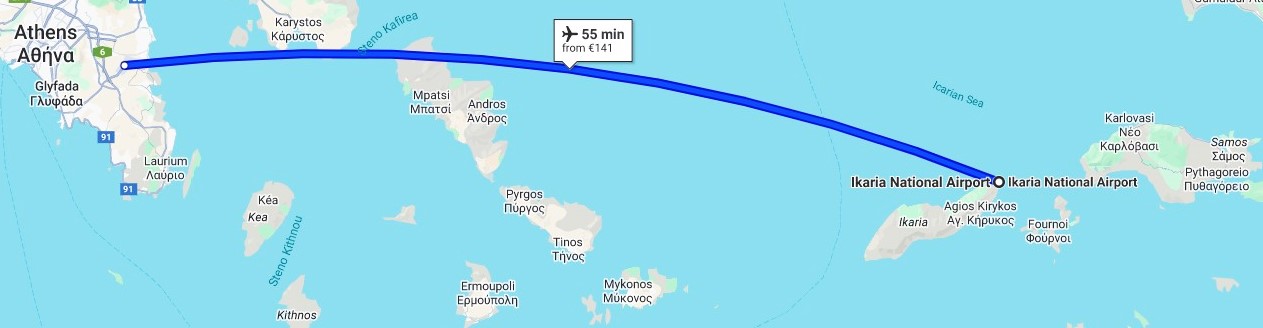
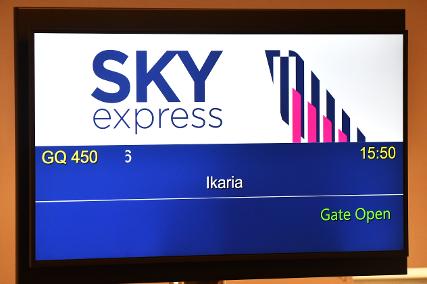
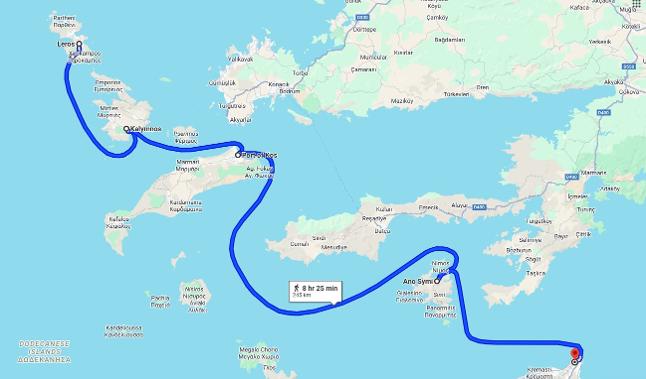
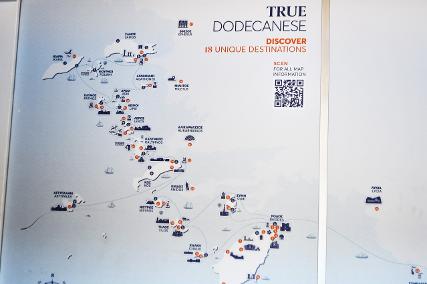
- the island of Ikaria (five nights), one of the five 'blue zones' in the world, regions where people live significantly longer and healthier lives,
- to the island of Patmos (four nights), then on to
- the island of Lipsi (also four nights), then
- the island of Leros (again four nights), before returning to
- the island of Rodos / Rhodes where we will stay a couple of nights in Rhodes town followed by four nights further south-west.
- then it is to the small island of Kastellorizo for three nights before crossing over to Kas in Turkiye where we will work our way north for eight days staying at two places along the way
- then a ferry from Marmaris back to Rhodes for a final two nights again in the city of Rhodes followed by three nights in the ancient town of Lindos.